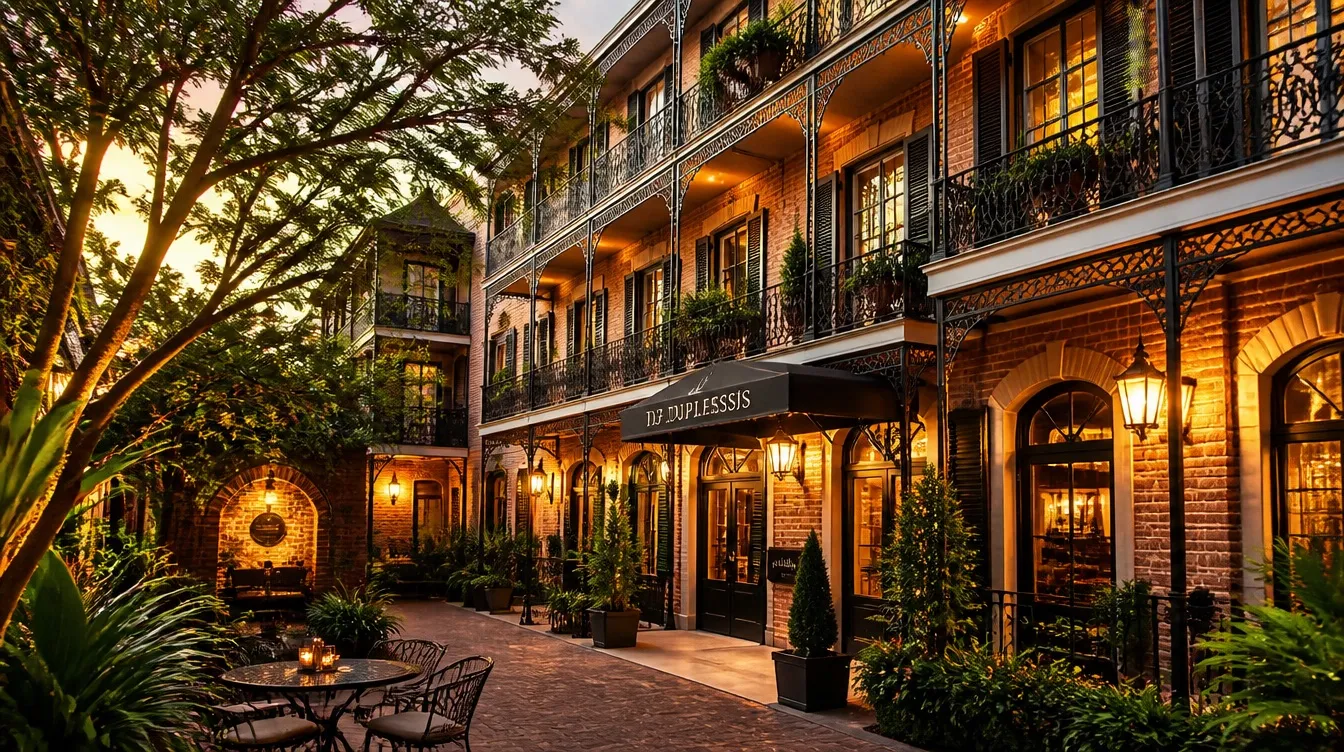
A New Orleans hotel lobby does work that lobbies in most American cities do not have to do. In the French Quarter, the lobby is the decompression chamber between the intensity of Bourbon Street and the experience the hotel is selling it needs to communicate a specific quality of place within the first five seconds of entry. In the Warehouse District, the lobby is a design statement that positions the property against the neighborhood's gallery and art culture. In the CBD, the lobby is a functioning social hub for convention delegates who use it as a meeting point, a remote work space, and a transition zone between sessions at the Ernest N. Morial Convention Center. Each context demands a different furniture strategy, but all of them demand furniture that holds up through the sustained use intensity that New Orleans' hospitality calendar generates.
The Lobby as First Impression in a Market That Notices
New Orleans guests are not a forgiving audience on interior design. This is a city with one of the strongest design and architecture traditions in the United States, and the local and visitor hospitality culture reflects that. Guests arriving at a French Quarter hotel have typically passed wrought iron balconies, plaster medallion ceilings, and antebellum architectural detail on the walk from wherever they parked or where the rideshare dropped them. The lobby has to hold that conversation, not break it.
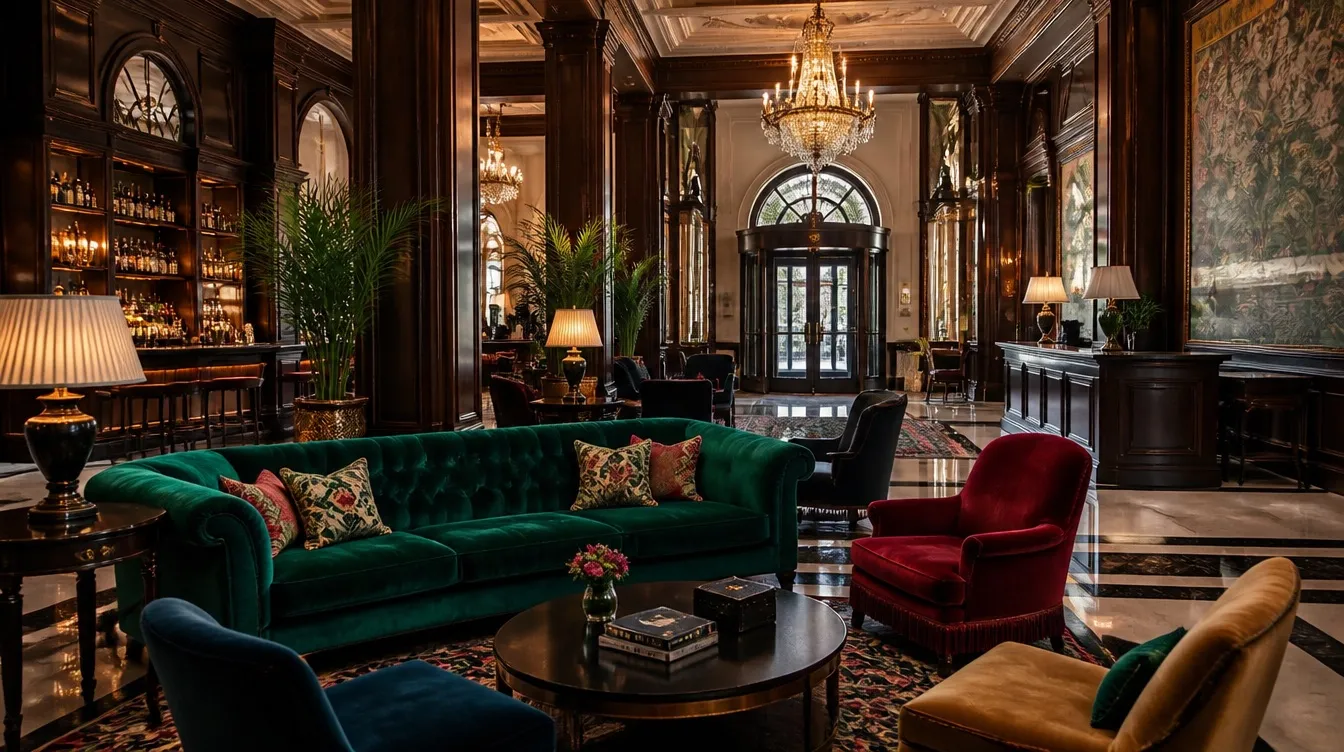
The furniture program for a French Quarter lobby should draw from the city's historic luxury vocabulary without being a costume version of it. Sofas and lounge chairs in jewel-toned performance velvet emerald, sapphire, or deep burgundy with substantial frames in dark walnut or ebony-finish hardwood read as authentic expressions of the Quarter's design tradition. Low mahogany or walnut-finish accent tables with warm brass hardware complete the register. The temptation to go lighter to bring in more neutral, contemporary hospitality seating that would be appropriate in many other markets should be resisted. The guest who booked a French Quarter hotel specifically because they want to be in New Orleans will notice, and what they will feel is that the experience they were sold starts in the lobby and that it is not quite what they expected.
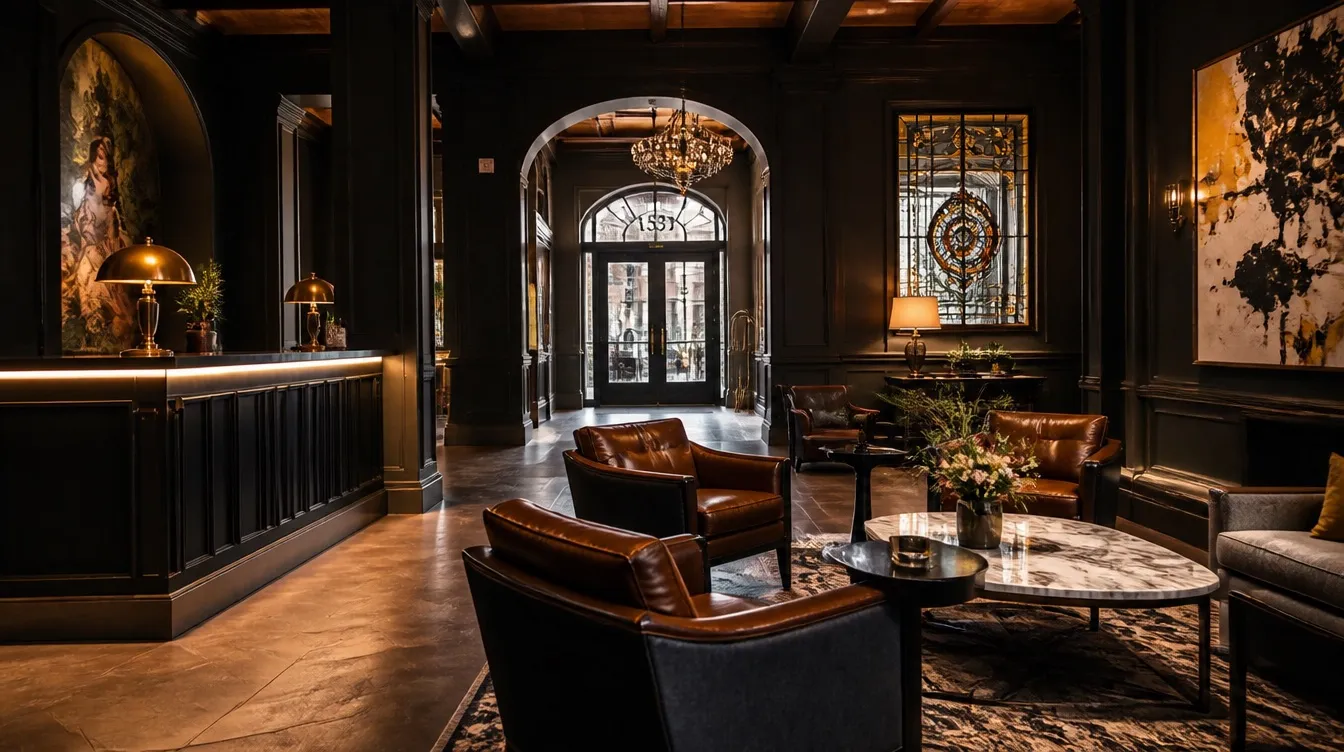
Warehouse District hotel lobbies operate in a different design context. The neighborhood's gallery culture serious contemporary art, industrial architectural bones, a sophisticated visual literacy among the regular guests calls for furniture that is rich and intentional without being historically heavy. Deep-toned lounge chairs in performance leather or structured velvet, blackened steel or dark bronze accent tables, and a thoughtful use of textiles that reference the city's material tradition without being period-specific all work in this context. The lobby should feel like a room that a person with strong design opinions put together with care, not a manufacturer's showroom concept applied uniformly.
Functional Zoning for New Orleans' Variable Guest Mix
New Orleans hotel lobbies host a wider variety of guest behavior than most comparable properties in other US markets. Convention delegates need a surface to review notes or charge a phone between sessions. Leisure visitors arriving from the airport want a place to decompress and orient before their rooms are ready. Group travelers assembling for a French Quarter dinner reservation need enough seating to collect a party of twelve without taking over the entire lobby. Late-night arrivals common in a city where events run until well past midnight need a functional check-in path that does not wake guests already settled in the lobby bar.
A mixed furniture strategy serves these competing patterns without requiring constant reconfiguration by staff. A cluster of lounge chairs around a low table creates the social conversation zone for groups. A pair of higher task chairs near power access creates a working solo zone for convention guests. An ottoman configuration that can be repositioned quickly expands seating during Mardi Gras peak arrivals without requiring permanent square footage. Banquette seating along a wall creates a transitional zone for guests waiting for rooms or companions.
Furniture Specs That Survive the New Orleans Hospitality Calendar
Lobby seating in New Orleans takes continuous use from early morning checkouts through the late-night arrivals that are routine in a city where events don't end at 10 PM. During Mardi Gras and Jazz Fest, that continuous use becomes genuine intensity lobbies that function as social gathering points for guests, neighbors, and event-adjacent visitors simultaneously. Furniture that performs adequately in normal conditions will show its weaknesses during these periods, and those weaknesses will be visible in guest photos, in reviews, and in your maintenance budget.
Sofa and lounge chair frames need welded steel or solid hardwood construction with corner blocking at all joints. This is not a specification for exceptional conditions it is the baseline for any New Orleans lobby furniture that will operate through Mardi Gras season without developing the frame creaks and cushion sag that signal deferred quality. Request documentation of frame construction method and load-test results before approving any large upholstered piece. A supplier who cannot provide this documentation is selling residential-grade construction in a commercial context.
Cushion fill and density determine how lobby seating looks after six months of sustained use. High-density foam cores with dacron wrap maintain shape and prevent the sunken appearance that makes lobby seating look dated within a season of heavy use. Specify foam density by ILD rating: seat cushions at 1.8 pounds per cubic foot or higher, with ILD appropriate for the intended seating depth and back angle. Suppliers who cannot provide these specifications are selling residential fill in commercial frames, and the difference will be visible by the time you most need the lobby to look sharp.
New Orleans' subtropical humidity creates a specific challenge for lobby upholstery maintenance. Performance fabrics with moisture-resistant treatment and antimicrobial properties hold up better in this climate's conditions than standard upholstery textiles. Contract performance fabric tested at a minimum of 100,000 double rubs is the appropriate threshold for sofas and lounge chairs in active New Orleans lobby use. Crypton and Sunbrella contract-grade equivalents offer the stain resistance and cleanability that a lobby housekeeping program requires without sacrificing the aesthetic quality the market demands.
Traffic Flow and the Convention Center Connection
CBD and Warehouse District hotel lobbies that serve convention groups have a traffic flow challenge that French Quarter boutique properties do not face at the same scale. A group of 200 delegates checking in between 3 and 5 PM following a convention day creates a lobby traffic pattern that requires clear circulation from entrance to front desk, sight lines that work for arriving guests navigating an unfamiliar space, and furniture placement that does not create barriers in the primary circulation path.
Check-in traffic requires unobstructed sight lines from the entrance to the front desk with no furniture creating visual barriers. The path from entrance to elevator bank should be intuitive without being a bare corridor. Lobby furniture placement should guide circulation subtly rather than obstruct it, which requires thinking about the furniture plan as a traffic management tool as much as an interior design exercise.
Properties adjacent to the Morial Convention Center also need lobby furniture that can accommodate temporary surges the assembly of a large group before boarding shuttles, the informal meetings that spill out of convention programming into hotel lobbies throughout the day. Ottomans and repositionable accent chairs that do not require a production operation to move allow front desk and lobby staff to expand seating capacity during peak periods without calling housekeeping.
Sourcing Hotel Lobby Furniture for a New Orleans Property
The procurement sequence for New Orleans hotel lobby furniture should follow the design brief, not precede it. Document the design concept material palette, finish families, color direction, aesthetic references, floor plan with zone locations before approaching any supplier. That documentation lets a supplier present options aligned with your actual program rather than defaulting to their bestselling catalog pieces applied to a New Orleans address.
Lead times for custom upholstered lobby pieces run 12 to 16 weeks from confirmed order. For lobby programs that include custom banquettes or millwork-integrated seating, add additional time for fabrication coordination. Request physical samples of all upholstery and finish materials before approving production the difference between a digital rendering and actual materials under your lobby's lighting conditions is significant enough to matter, and a color that reads correctly on screen can shift meaningfully under the warm candlelit lighting register that many New Orleans lobbies favor.
If you are sourcing hotel lobby furniture for your New Orleans property, the fastest way to real numbers is to tell us what you need. Request a quote with your quantities and timeline.