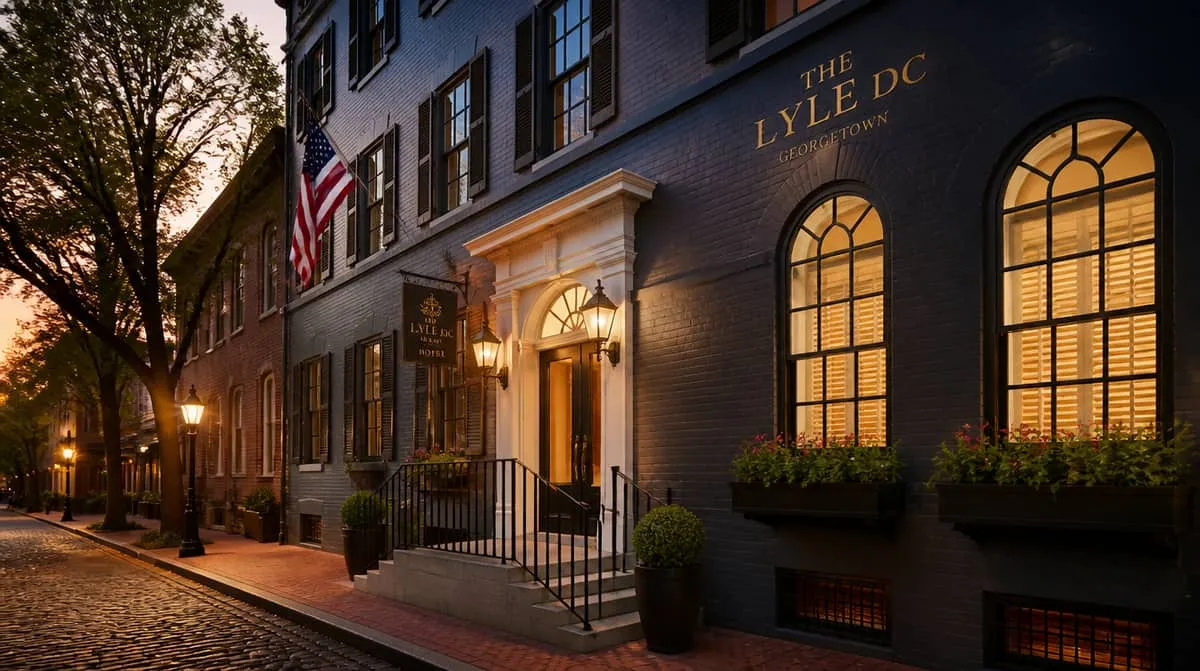
Washington DC operates on a hospitality rhythm unlike any other American city. Your occupancy peaks when Congress is in session, spikes during major association conferences at the Walter E. Washington Convention Center, and shifts again during embassy events and diplomatic delegations that fill Penn Quarter and Foggy Bottom properties week after week. The guest mix government contractors, lobbyists, foreign diplomats, association executives, legal teams expects a level of finish and durability that retail furniture cannot deliver. If you are sourcing furniture for a DC hotel, you need a hotel furniture supplier Washington DC who understands both the market's formal aesthetic and its demanding operational pace.
Washington DC's Hotel Demand Landscape
The DC hotel market is shaped by a few dynamics that most other cities do not experience at the same intensity. The Congressional calendar is the dominant driver: when Congress is in session from January through the summer recess and again in the fall, Downtown, K Street, Foggy Bottom, and Capitol Hill properties run at near-capacity. The association conference market compounds this hundreds of national trade associations maintain headquarters or major offices in DC, and their annual meetings, fly-ins, and board gatherings generate consistent block business across the calendar year.
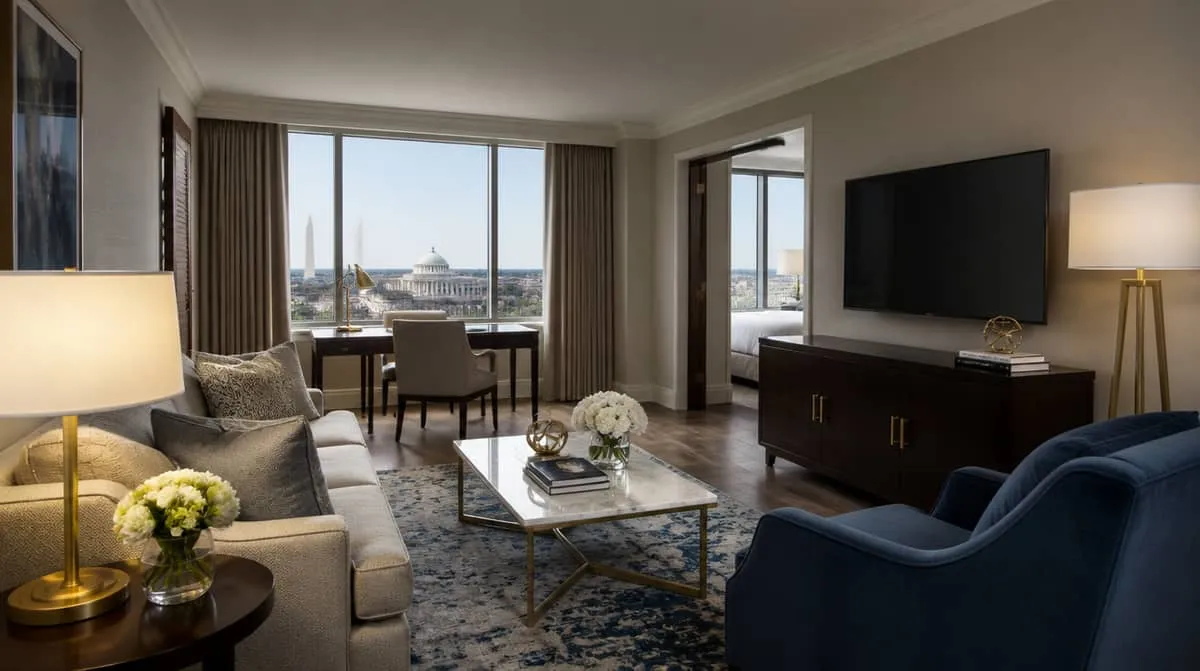
The Walter E. Washington Convention Center in Shaw anchors a large convention hotel corridor and draws events year-round that range from 5,000-person trade shows to intimate government symposia. Properties in the Penn Quarter, Mount Vernon Triangle, and Shaw corridors compete directly for this business and require guest rooms, meeting spaces, and F&B outlets that can transition from diplomatic reception to government training to association networking without missing a beat.
Georgetown and Dupont Circle have established boutique hotel corridors where properties compete on design identity rather than brand flags. Hotel lounge chairs and lobby seating in these properties carry significant brand weight a well-chosen piece in a Georgetown townhouse conversion says something specific about the property's positioning. The growing boutique market in Shaw and Capitol Hill is pushing similar demands: properties that want the confidence and permanence of traditional DC design with a more contemporary direction.
Headboards and case goods for DC guestrooms need to perform across the full occupancy range peak Congressional weeks through slower August recess periods without showing wear that would read as neglect to the government and diplomatic travelers who return to the same properties repeatedly and notice the difference.
DC's Design Aesthetic and Specification Requirements
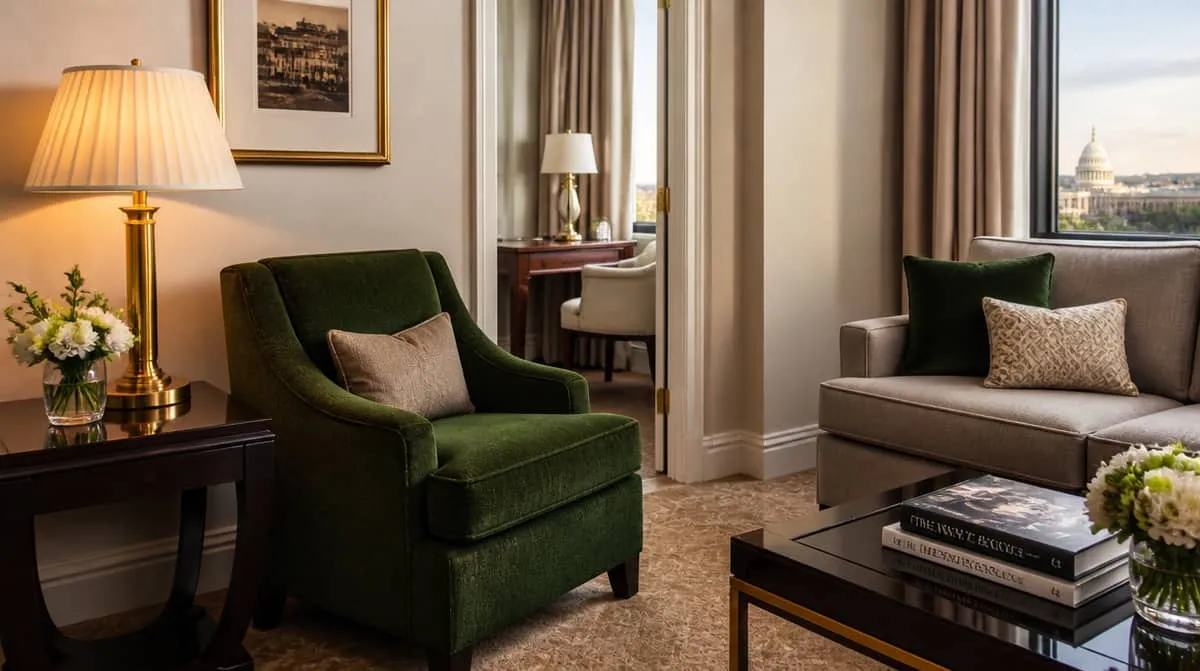
Washington DC's design language is distinctive. This is a city where buildings communicate authority, where law firms and lobbying organizations occupy nineteenth-century townhouses, and where foreign embassies host formal receptions in rooms that have not changed their furniture in decades. The hospitality aesthetic reflects this: dark wood tones mahogany, walnut, and ebony-stained oak paired with leather seating in navy, forest green, and burgundy. Brass and bronze hardware. Crown molding details. Materials that communicate permanence rather than trend.
This does not mean DC hotels are frozen in a previous era. The boutique properties in Shaw, Capitol Hill, and Georgetown are actively pushing a more contemporary direction within this framework dark wood with cleaner lines, leather seating with modern proportions, brass accents integrated into minimalist millwork rather than ornate traditional pieces. The distinction is tone, not material. Both directions require the same commercial-grade construction: frames built to 250-plus pound load ratings, double-rub fabric ratings of 50,000 or higher, and finish durability appropriate for the travel wear that government and diplomatic guests bring to properties they treat as a second office.
Commercial dining chairs for hotel restaurants in Penn Quarter and Capitol Hill need to perform in environments where power lunches and working dinners run longer than typical restaurant turns. Upholstery fabrics in these settings should be specified for both stain resistance and the visual weight that DC's formal dining culture expects. A lightweight stackable chair reads as insufficient in a property whose guests are accustomed to the kind of seating found in the Capitol Hill Club or the Metropolitan Club.
Security adjacency at some government-adjacent properties adds specification requirements that most markets do not encounter. Certain hotel properties near federal facilities have restricted access for large deliveries, require credentialing for installation crews, and may have weight or material restrictions in specific areas. A hotel furniture supplier Washington DC with experience in this market will know to ask about these requirements at the outset of procurement planning rather than discovering them during installation.
Procurement Planning for DC Properties
Washington DC hotel renovation projects need to respect the seasonal demand curve. The worst time to execute a large furniture installation is during a Congressional session peak or a major convention week at the Walter E. Washington Convention Center. The best windows are typically the August recess, the holiday period between Christmas and New Year's, and targeted shoulder periods between major events.
Lead times for commercial upholstered furniture run 10 to 16 weeks from order release. Add four to six weeks for design specification and sample approval, and your total procurement timeline from first supplier conversation to installed furniture runs five to six months minimum. For DC properties planning renovations around the Congressional calendar, that means procurement conversations need to start well before the target installation window often during the preceding session.
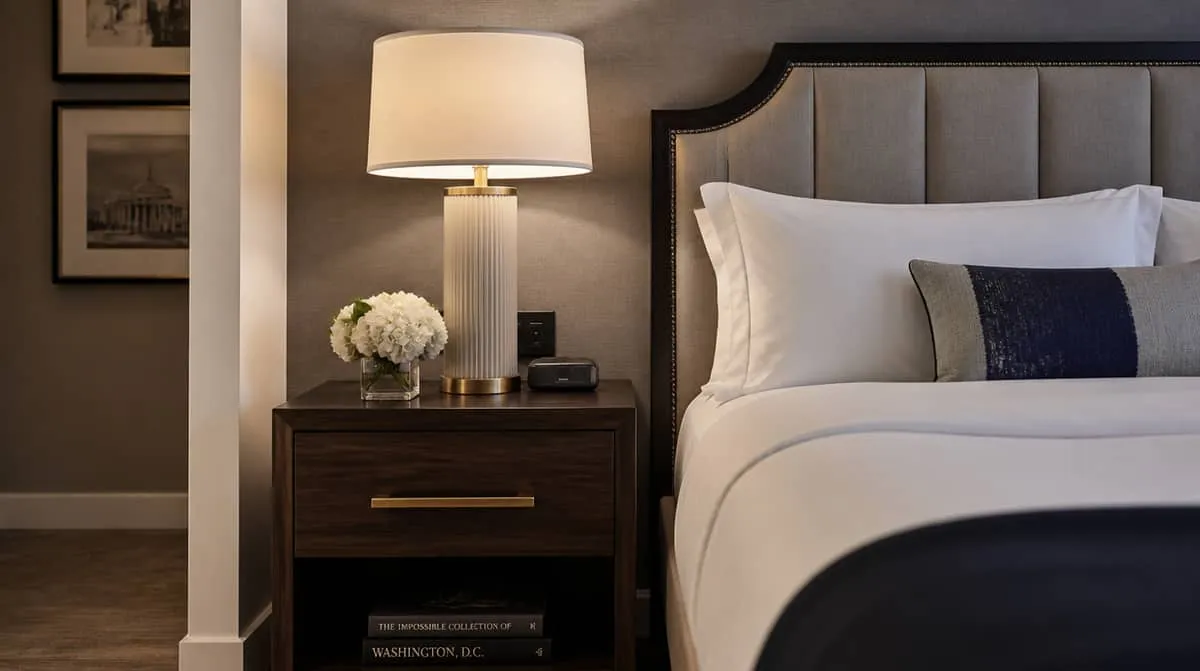
A qualified hotel furniture supplier Washington DC will help you map your procurement timeline against the DC event calendar, coordinate phased deliveries around occupancy constraints, and source product that meets both the aesthetic and durability standards the market demands. That is a different kind of capability than simply selling furniture out of a catalog.
We quote hotel furniture for Washington DC operators against their own layouts and order sizes rather than a generic sheet. Request a quote and we will put together pricing for your property.