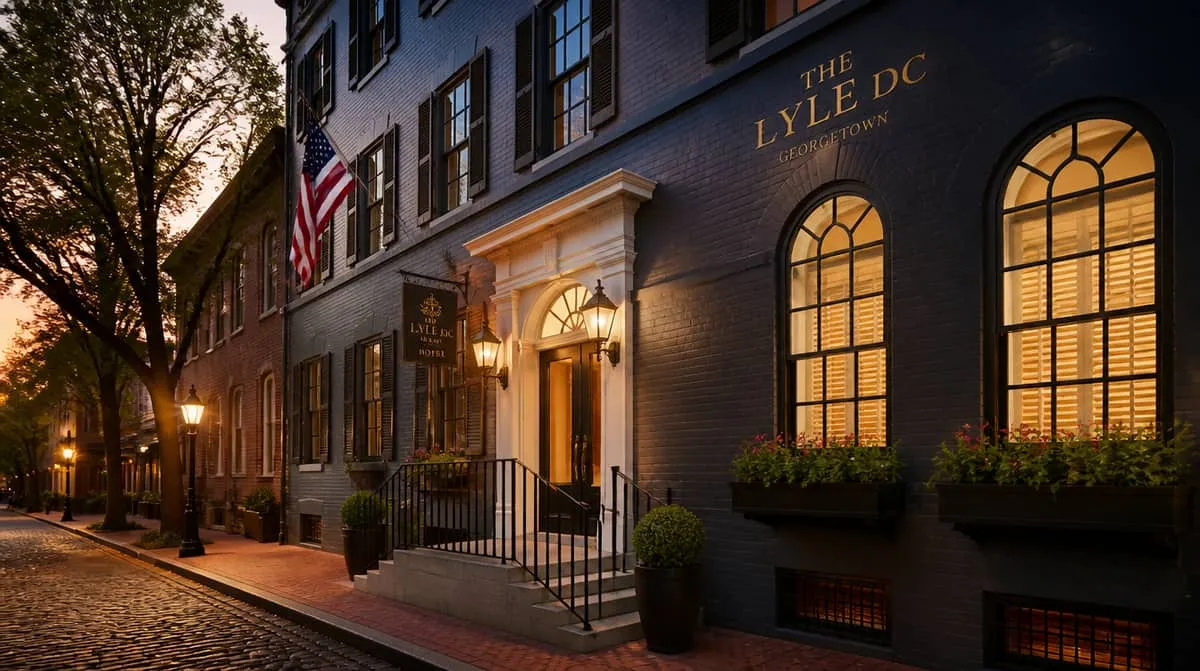
Washington DC's boutique hotel sector has been one of the most active growth segments in the city's hospitality market over the past decade. Shaw, Capitol Hill, and Georgetown have drawn independent and soft-brand properties that are deliberately positioning against the downtown chain hotels that dominate the K Street and Pennsylvania Avenue corridors. These boutique properties are competing on design identity, neighborhood character, and the kind of distinct guest experience that national brands struggle to deliver. Boutique hotel furniture Washington DC is the physical expression of that positioning and getting it right requires a supplier who understands both what DC's design culture demands and what commercial hospitality use actually does to furniture.
The DC Boutique Hotel Market and Its Furniture Demands
The growth of boutique hotels in DC has been concentrated in three neighborhoods, each with its own character and guest base. Shaw, anchored by the Walter E. Washington Convention Center and a thriving restaurant and music scene along 14th Street NW, has attracted properties that want to capture both convention overflow and the neighborhood's creative professional demographic. Capitol Hill's boutique hotels serve a mix of Hill staffers, political tourists, and the growing residential base east of the Capitol. Georgetown's converted townhouses and rowhouses have long been home to independent properties that compete on historic character and the neighborhood's established prestige.
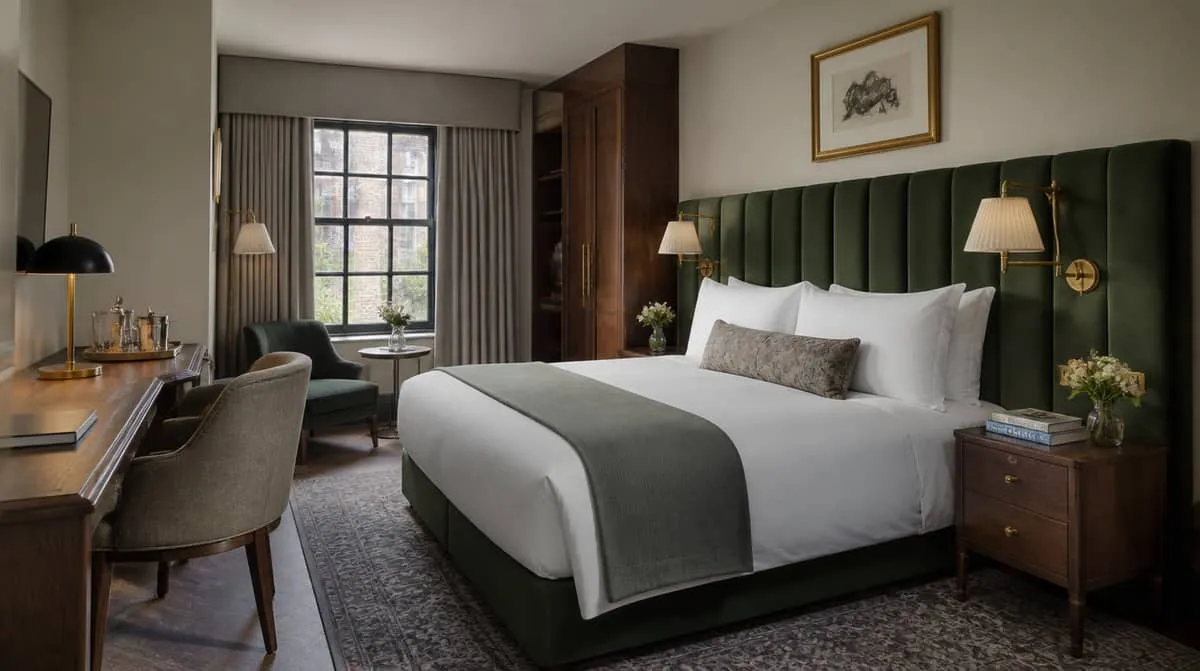
Hotel lounge chairs and lobby seating in these properties do more brand work than in a chain hotel. A guest who chooses a boutique property in Shaw over a Marriott downtown is making a statement about their preferences and the furniture in the lobby, the bar, and the guestroom either confirms or undermines that choice. This raises the stakes on every procurement decision.
The diplomatic and embassy market adds a distinctive layer to DC's boutique hotel demand. Foreign governments maintain residences and offices throughout the city, and their visiting delegations often prefer boutique properties with character over anonymous chain hotels. These guests bring expectations shaped by the finest European hotel traditions quality materials, attention to detail, furniture that holds up to scrutiny. Headboards and guestroom case goods at boutique properties serving this market need to reflect that standard.
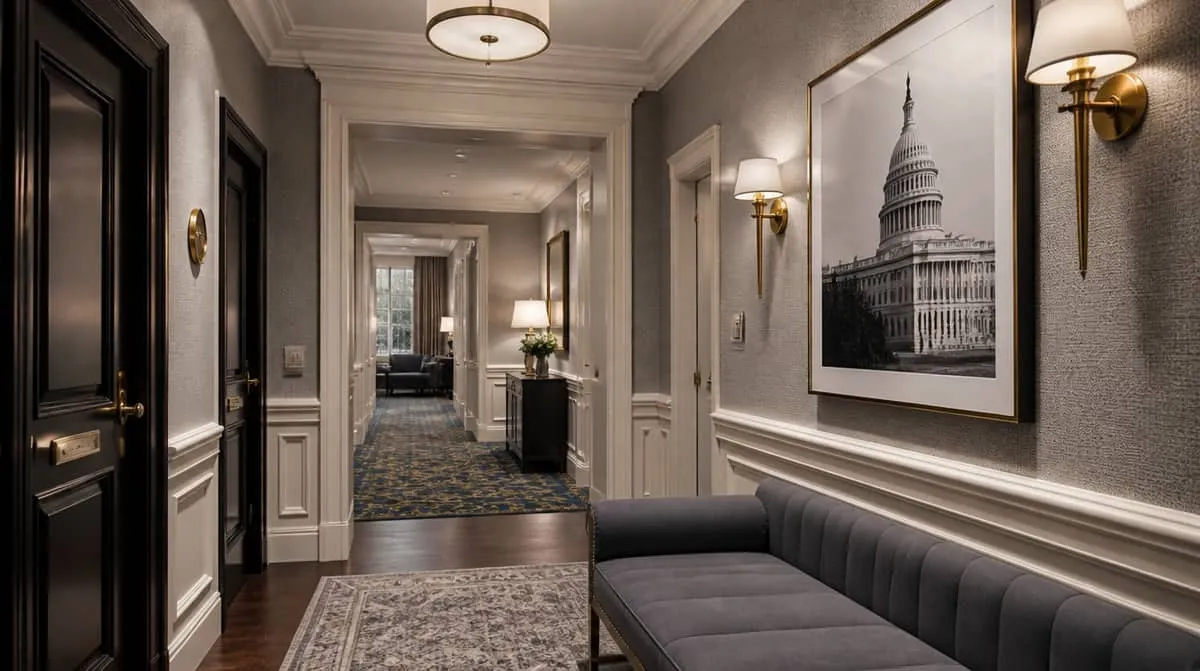
The association conference market also channels business to boutique properties. National associations headquartered in DC often host board meetings, executive retreats, and smaller symposia at boutique hotels rather than convention-center-adjacent chain properties. The meeting room furniture at these properties tables, task chairs, credenzas needs to reflect the same quality standard as the guestrooms and lobby.
Aesthetic Direction for DC Boutique Properties
DC boutique hotels are navigating a specific creative challenge: how to express the city's traditional aesthetic language mahogany, leather, brass, permanence through a contemporary lens that doesn't read as stuffy or institutional. The properties that are executing this well are using the right materials in updated proportions and silhouettes.
Dark walnut rather than mahogany. Leather in forest green or deep navy rather than burgundy. Brass in matte or antique finish rather than polished. Commercial dining chairs with clean lines and minimal ornamentation rather than carved backs and turned legs. The result is furniture that communicates quality and permanence DC's core design values without the heavy formality of the city's older institutional interiors.
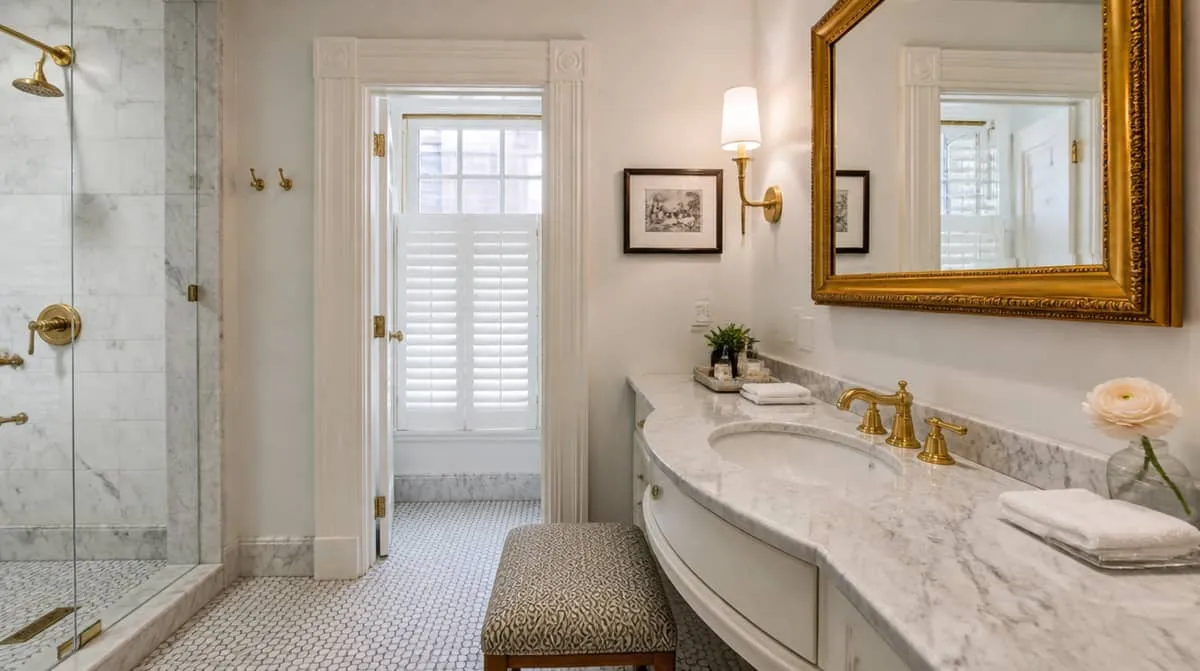
Georgetown properties lean closer to the traditional end of this spectrum. A converted townhouse in Georgetown carries its architecture into the design brief exposed brick, plaster moldings, original hardwood floors and furniture that fights against that character reads as out of place. The specification brief in a Georgetown boutique tends toward pieces with historical proportion and detail, executed in commercial-grade construction.
Shaw and Capitol Hill boutique properties have more latitude for contemporary direction. A Shaw property opening near the U Street corridor is likely looking for something that references DC's institutional aesthetic without replicating it furniture that a federal lobbyist and a creative director would both find appropriate and comfortable.
Hotel lobby seating in these contemporary-leaning boutique properties often mixes scales: a large statement sofa in a deep leather alongside occasional chairs in a complementary fabric, a writing table with a traditional silhouette in a modernized finish. The variety reads as curated rather than catalog-selected.
Procurement Considerations for DC Boutique Hotels
Boutique hotels operate with smaller procurement teams and tighter margins than chain properties, which means the cost of a wrong decision fabric that wears faster than expected, a chair that doesn't perform under daily hospitality use, a case good finish that chips within a year is felt more acutely. Working with a boutique hotel furniture Washington DC supplier who can provide accurate commercial-grade specifications from the beginning is significantly less expensive than learning through experience what doesn't work.
Lead times for custom upholstered pieces run 10 to 14 weeks from order release. For boutique properties opening in Shaw or Capitol Hill often in adaptive reuse buildings with complex construction timelines furniture procurement needs to be initiated well before the building is ready to receive it. A supplier experienced in DC boutique hotel projects will help coordinate delivery timing around a construction schedule that is likely to shift.
For Washington DC properties comparing boutique hotel furniture options, project-specific pricing tells you more than any published range. Request a quote and we will scope it to your space and volume.