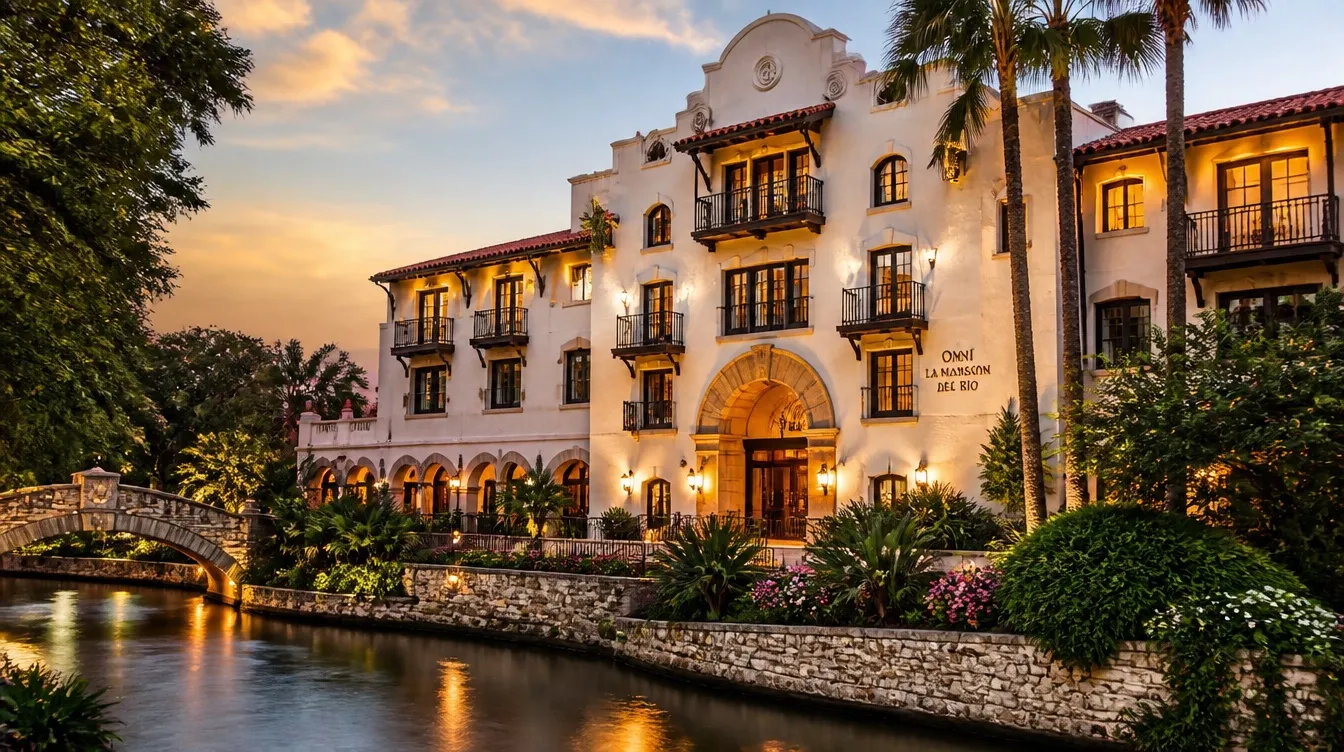
San Antonio is not a hotel market that runs quietly in the background. The River Walk corridor represents the highest concentration of hotel rooms in Texas, packed along a limestone-lined waterway that draws more than 12 million visitors every year. When you add the Henry B. González Convention Center's 1.3 million square feet of convention space, the steady baseline of military contractor travel from Joint Base San Antonio, and major demand peaks like Fiesta San Antonio in April, you get a hotel market that operates at high volume through most of the calendar year. The furniture holding up that market needs to be specified for it, not for some gentler use case that the numbers don't support.
The diversity of San Antonio's hotel product is also worth understanding before you start specifying hotel furniture. The River Walk is home to every major branded flag, with legacy properties that have been running at full occupancy for decades and newer builds that are trying to compete with a design-forward approach. The Pearl District is producing a different kind of hotel product entirely, with boutique and lifestyle properties that reference the converted brewery site's industrial heritage and the nationally recognized culinary culture that has grown around it. Downtown around the Convention Center is running a convention market that fills properties for weeks at a time with association and government delegates. Military contractor travel adds a year-round corporate baseline that has its own expectations and its own tolerance for value versus quality trade-offs. Each of these segments has different furniture requirements, and a supplier who understands those differences is worth more than one who doesn't.
River Walk Properties: Specification for Volume and History
The original River Walk hotels operate under a specific constraint that newer properties don't have: they've been running at high occupancy for long enough that every furniture category has been through multiple replacement cycles, and the pressure to cut corners in procurement compounds over time. The River Walk properties that have maintained their competitive standing are the ones that have resisted that pressure and continued to buy commercial contract furniture at the quality level the volume demands.
River Walk guestroom casegoods take daily use that accelerates wear in ways that are specific to this market. A property running 85% or better occupancy is cycling guest contact through its casegoods more than 300 nights a year, and drawer hardware, surface finishes, and case construction that hold up through 300 annual occupancies are in a different category from products that were never tested against that reality. Contract-grade casegoods with dovetail drawer construction, commercial laminate surfaces, and hardware rated for high-cycle use are not luxury items for San Antonio's River Walk hotels they're the baseline for meeting their occupancy math.
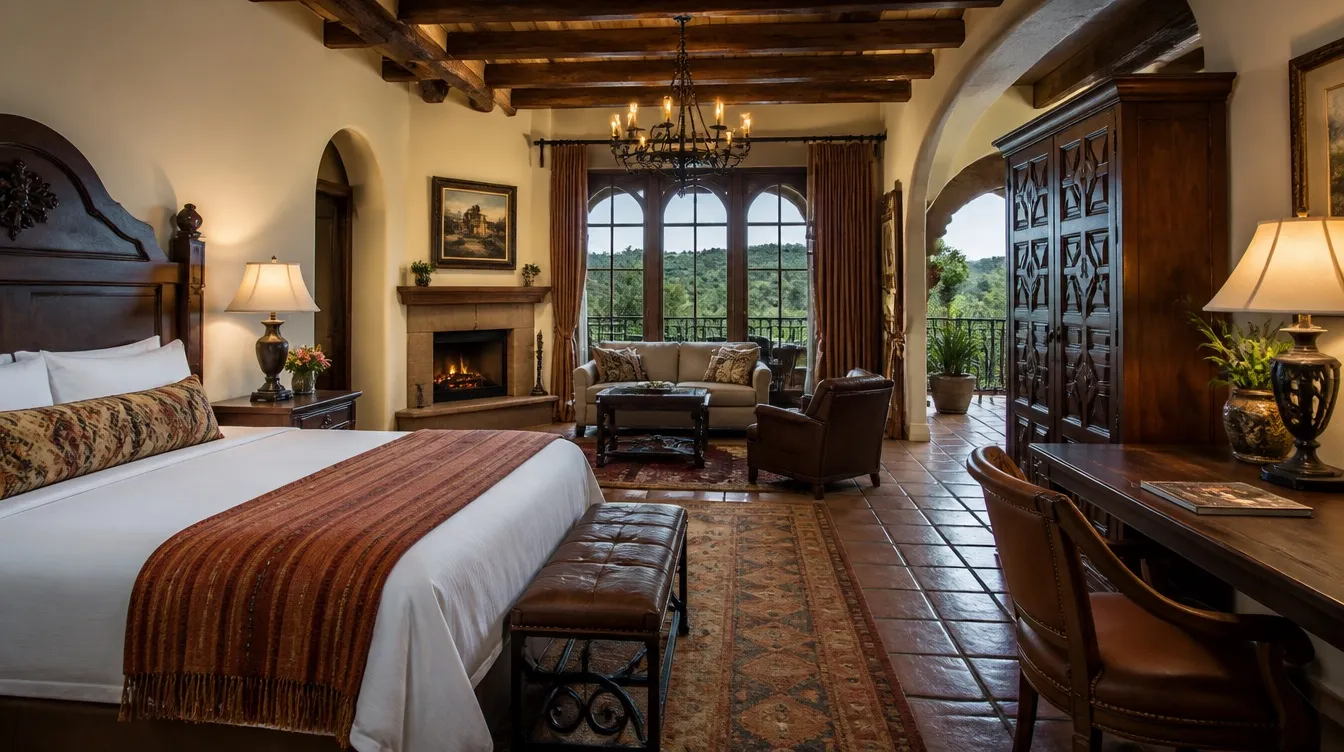
The aesthetic context of the River Walk corridor is worth naming as a design constraint. The historic properties along the walk have architectural characters that don't accept generic contemporary hotel furniture without creating a jarring visual disconnect. The Spanish Colonial heritage of the city, with its warm terracotta, heavy timber, and wrought iron references, is a design vocabulary that guests are subconsciously evaluating when they walk into a River Walk guestroom. Furniture programs that acknowledge that vocabulary, with warm wood tones, appropriate scale, and surface materials that connect to the property's architecture, perform better in guest satisfaction scores than programs that apply a generic national hotel spec to a room that was designed in a specific place.
Military Contractor Travel and Mid-Market Specification
Joint Base San Antonio is the largest military installation in the United States, and the contractor travel it generates is one of the steadiest demand segments in San Antonio's hotel market. Military contractors travel frequently, operate on government and corporate travel rates, and develop strong property preferences based on the functional quality of the room experience. This is a repeat-stay demographic that notices worn furniture, and the properties that maintain their furnishings in genuine good condition hold this business better than those that let the mid-market spec slide.
The functional requirements of the contractor travel demographic are specific: a desk that works as a real workspace with adequate surface, cable access, and task lighting; a chair that supports extended seated work; storage that accommodates gear and equipment; and soft seating that is genuinely comfortable after a long day on base. A room that gets these functional elements right, even in a mid-market positioning, outperforms a visually flashier room that fails on the basics. For properties along the I-35 and 410 corridors near the base, investing in genuinely functional guestroom furniture is a competitive choice with direct revenue implications.
The Pearl District and Contemporary Texas Specification
The Pearl District has established San Antonio as a serious player in the national boutique hotel conversation, and the properties in that neighborhood have a different furniture brief than anything along the River Walk. Contemporary Texas interpretation is the aesthetic frame here: natural materials with an industrial edge, warm neutral palettes that reference the Pearl's brick and concrete heritage, and furniture forms that are clean and confident rather than ornamented. The guest demographic seeking Pearl District properties has high design awareness and will notice the difference between furniture that tells a story and furniture that was selected from a budget catalog.
For Pearl District hotel projects, supplier relationships with manufacturers who can produce custom or semi-custom programs in materials like weathered oak, natural leather, and blackened steel are valuable. The properties that have landed well in this neighborhood have been specific about their material selections in ways that generic hospitality procurement doesn't support.
Lead Times and the Fiesta Effect
San Antonio's convention and events calendar, with Fiesta San Antonio as the headline peak and a strong year-round convention schedule at González, means that properties renovating or opening need to plan furniture procurement timelines around the event calendar. Missing a furniture delivery before Fiesta, or opening a renovated property segment during a major convention week before the furniture arrives, has revenue implications that are specific and painful. Working with a supplier who understands that San Antonio's peak demand comes with hard calendar dates is essential.
Procurement and Supplier Selection
San Antonio hotel furniture procurement benefits from working with a supplier who has active hospitality project experience in the Texas market and who can give honest lead time guidance rather than optimistic projections. Custom and semi-custom furniture programs for boutique properties require earlier order windows; River Walk properties running phased renovations need suppliers who can hold and phase delivery without disrupting occupied inventory. These are logistics capabilities, not just sales relationships, and they're worth asking about directly before committing to a supplier.
Ready to spec hotel furniture for your San Antonio project? Send us the details and we will price it around your requirements. Request a quote to start.