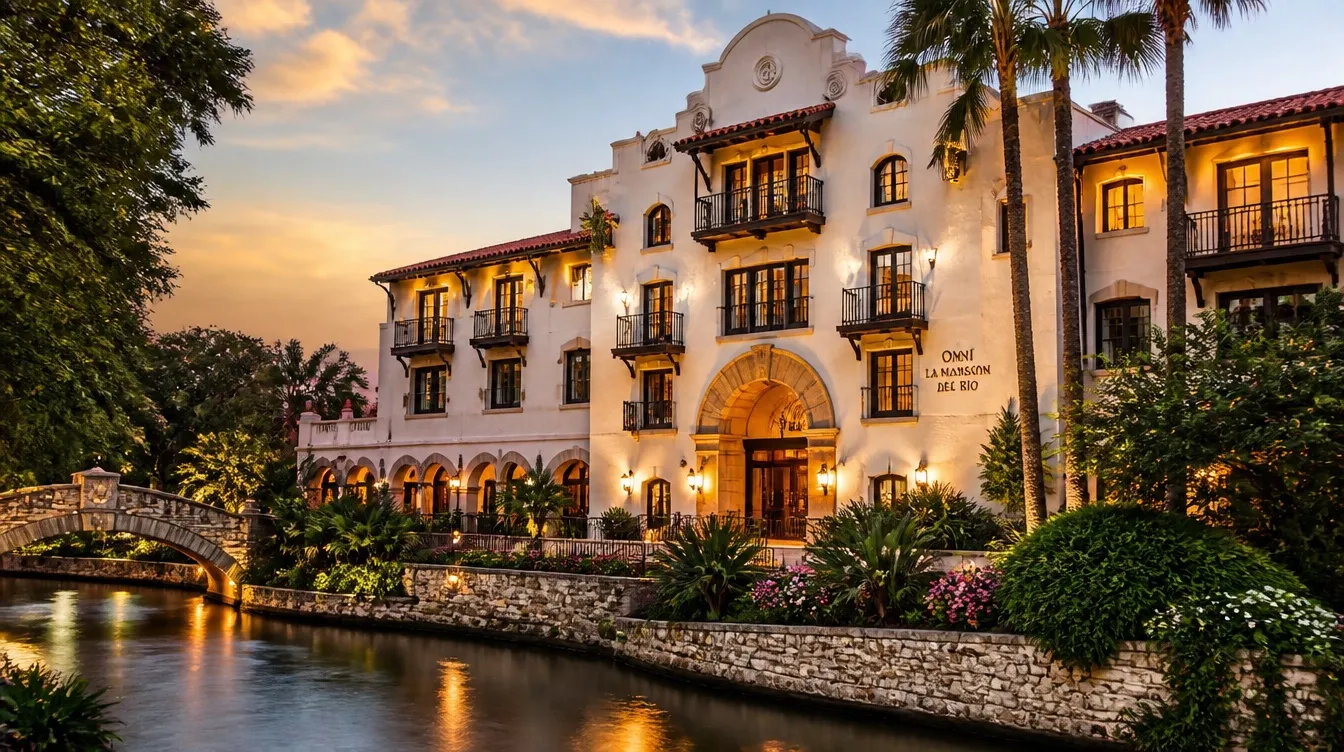
San Antonio's boutique hotel market has a design brief unlike any other Texas city, because the city's history is unlike any other Texas city. The Spanish Colonial heritage, the limestone vernacular of the Hill Country, the wrought iron and terracotta vocabulary of the missions district these are not decorative references that boutique hotel designers apply from the outside. They are the actual built environment of San Antonio, and boutique properties that connect to that vocabulary with intelligence and restraint produce rooms that guests recognize as genuinely rooted in place. The furniture in those rooms carries a significant share of the communicative work.
The Pearl District is the current center of San Antonio's boutique hotel energy. The Hotel Emma opened in the converted Pearl Brewery brewhouse established a high bar for what a boutique property could be in San Antonio, using the brewery's industrial infrastructure as a design framework while achieving a level of material richness and craft quality that drew national attention. The properties that have opened or are planned in the Pearl's expanding footprint are working with a reference point that guests who follow hospitality design will be measuring against. The boutique furniture brief in this neighborhood requires a level of design intentionality and material quality that generic hospitality procurement cannot deliver.
King William Historic District and the Broadway Corridor offer different contexts for boutique hotel development, with Gilded Age residential architecture and a quieter residential character that allows for a more intimate property scale. Furniture for properties in these neighborhoods can lean more fully into the warm residential quality of the historic houses they inhabit, with an antique and craft material vocabulary that reads as authentic in these settings.
The Design Language: Spanish Colonial Meets Contemporary Texas
The furniture vocabulary that works in San Antonio's serious boutique hotel market sits at the intersection of Spanish Colonial heritage and contemporary Texas sensibility. It is worth describing in enough detail to make procurement choices concrete.
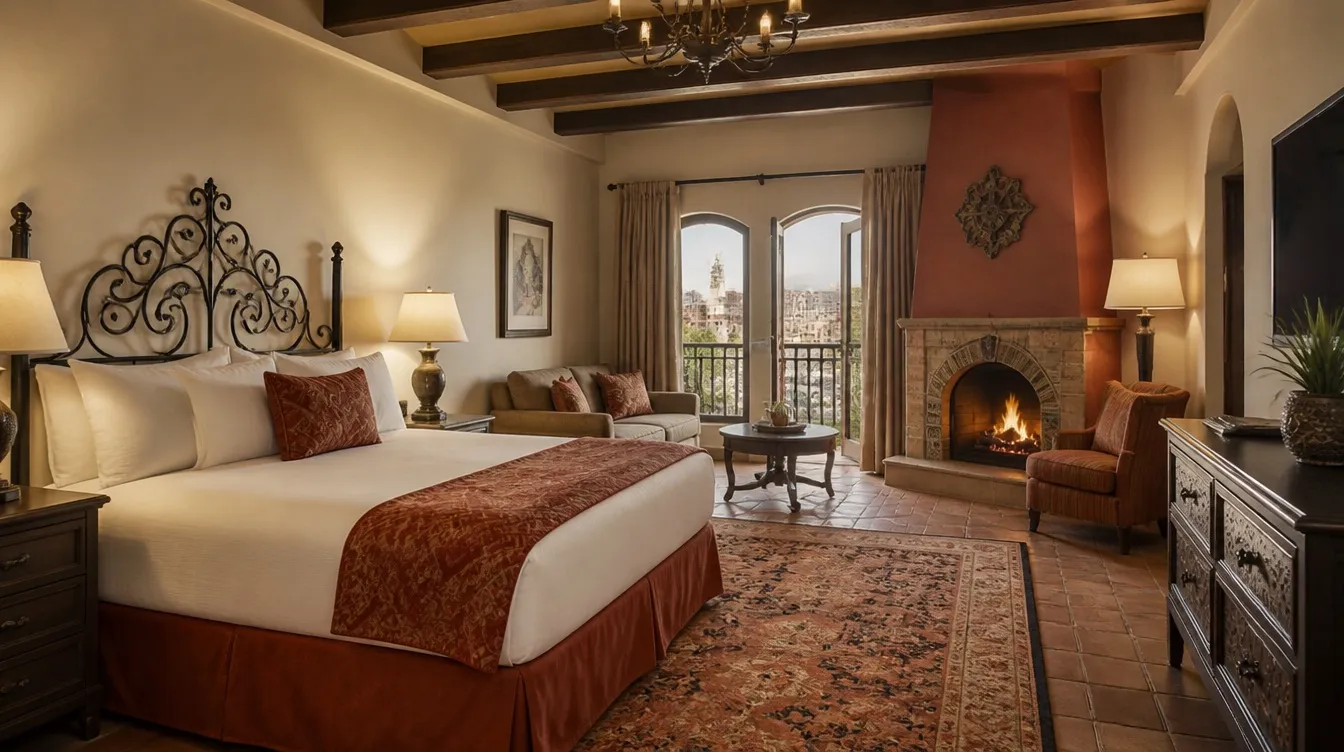
On the traditional end, this vocabulary includes: solid wood with natural or lightly whitewashed finishes that show grain and aging character; wrought iron in beds, lighting, and accent hardware; leather upholstery in warm cognac, saddle, and dark espresso tones; Saltillo tile references in color palette; and textile elements drawn from Mexican and Southwest weaving traditions. These references appear in the architecture of San Antonio's historic buildings and in the decorative arts of the city, and furniture that acknowledges them without imitating them produces rooms that feel right.
On the contemporary end, Pearl District properties specifically benefit from: blackened steel and industrial metal references drawn from the brewery heritage; reclaimed and distressed wood in larger table and case goods forms; performance upholstery in warm neutrals with woven textures; and a restraint that avoids the kitschy over-referencing that undermines what could otherwise be a confident Texas interpretation.
Boutique hotel furniture that serves this vocabulary is available at commercial contract specification, but it requires supplier relationships with manufacturers who work in these material categories and who can produce custom and semi-custom programs where the standard catalog doesn't have the right pieces.
Guestroom Furniture: Scale and Material Quality
Boutique guestrooms in San Antonio's historic buildings tend to be compact, particularly in the adaptive reuse projects in King William and the older Pearl buildings. Furniture scale matters more in a 280-square-foot room than in a generously proportioned new build, and a procurement process that selects pieces without accounting for the specific room dimensions will produce rooms that feel either crowded or sparse.
The platform bed and headboard are the dominant pieces in a boutique guestroom, and the specification choices here communicate the property's quality level more clearly than anything else in the room. For San Antonio boutique properties targeting the design-aware traveler, upholstered headboards in leather or high-quality performance fabric, in the warm earth tones that work with San Antonio's light and color palette, are the standard. Leather is particularly appropriate for properties leaning into the Texas interpretation it ages beautifully, it reads as luxurious, and it connects to a material tradition that is genuinely part of Texas culture rather than an applied theme.
Case goods in the warm wood tones appropriate to the Spanish Colonial vocabulary need to be commercial contract grade. Drawer construction, hardware quality, and finish durability are all visible to the guest demographic that boutique hotels in San Antonio attract, and under-specified case goods show their limitations quickly under the kind of occupancy that Fiesta San Antonio and the Convention Center calendar generate. Military contractors from Joint Base San Antonio staying midweek add a year-round use baseline that makes commercial specification a necessity rather than an option.
Public Spaces and the Local Guest
Boutique hotel public spaces in San Antonio serve both guests and local visitors, and the properties that have built the strongest local community connections use their lobby, bar, and restaurant programming as a community amenity as well as a hotel facility. Furniture in these spaces needs to handle local visitor traffic as well as guest volume the lobby bar that becomes a neighborhood destination puts more wear on its seating than the same bar serving guests alone.
The River Walk boutique properties serve an additional challenge: their outdoor programming connects directly to the walk and serves a tourist audience at high volume. Furniture on River Walk terraces and patios needs to be specified for continuous outdoor use in San Antonio's climate, where the humidity from the river environment compounds the wear that high volume creates.
Working With a Supplier Who Understands the Brief
Boutique hotel furniture procurement for San Antonio projects benefits from working with a supplier who can engage with the design intent rather than defaulting to a standard hospitality catalog. The properties in the Pearl District and King William that have landed well design-wise were typically working with procurement partners who understood what the design team was trying to achieve and could source or custom-fabricate pieces that served that intent at commercial quality.
Asking for references from comparable boutique hospitality projects, understanding the supplier's manufacturer relationships in wood, leather, and metal categories, and verifying their ability to manage custom specifications through the production process are all worth doing before committing a boutique hotel furniture program to a vendor.
For San Antonio properties comparing boutique hotel furniture options, project-specific pricing tells you more than any published range. Request a quote and we will scope it to your space and volume.
Related reading
- What is contract furniture
- Commercial furniture vs retail
- Hospitality furniture supplier guide
- Commercial furniture in Texas
Our take
The post recommends leather for its aging character and separately notes the year round occupancy baseline that Joint Base San Antonio traffic creates. Put those two facts together and a maintenance obligation appears that the post never names. Patina reads as intentional only when the hide underneath is kept conditioned. In the humid microclimate around the River Walk that the post itself flags, neglected leather goes slack and spots instead of mellowing into the saddle and cognac tones the design brief calls for. And because military and convention traffic gives these properties no true off season, that conditioning work, along with frame checks on terrace pieces absorbing river humidity, has to run room by room and zone by zone on a rolling schedule rather than waiting for a quiet month that never arrives.
The bottom line: Strong material direction for Pearl District and King William properties. Leather buyers should commit to a rolling conditioning program from day one, since San Antonio's calendar offers no downtime to catch up in.