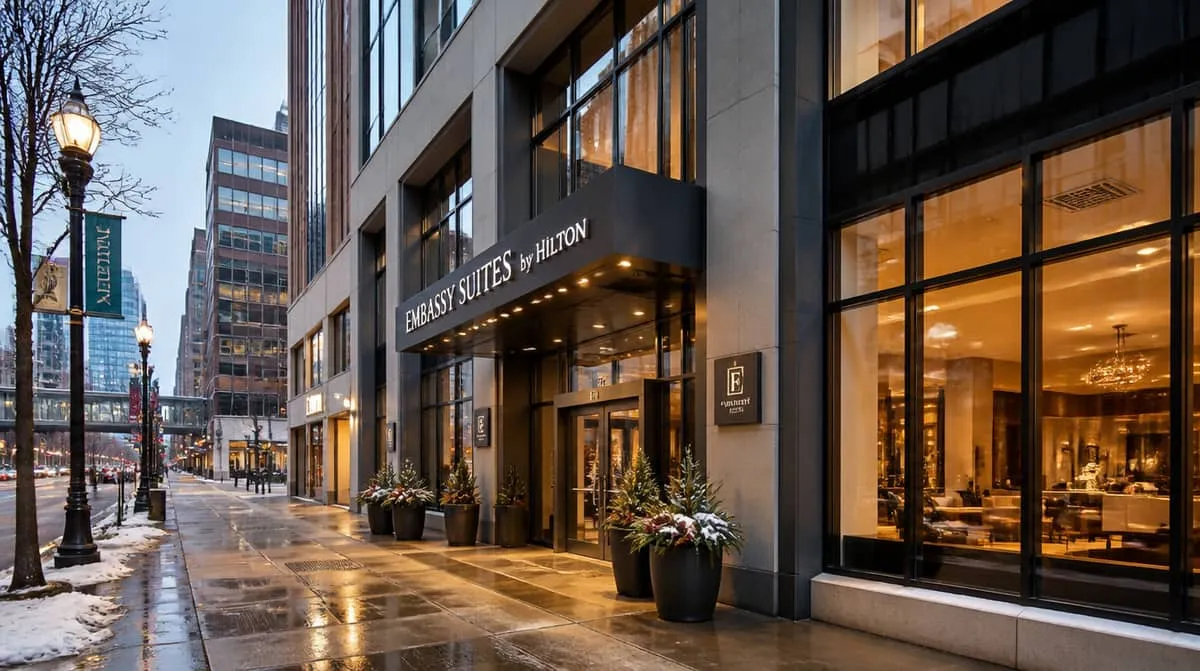
Minneapolis is not a forgiving market for hotel furniture that underperforms. The city runs conventions year-round medical device companies like Medtronic and Boston Scientific draw specialized attendees who book downtown blocks at properties along Nicollet Mall and the IDS district, while Target, Best Buy, and General Mills fill corporate meeting rooms across the North Loop. Then there is the US Bank Stadium event calendar, the Minneapolis Convention Center pulling 480,000 square feet of association conference business, and the Mall of America generating enormous hotel demand in Bloomington that never really goes quiet. A hotel furniture supplier serving Minneapolis properties has to understand all of this not just catalog SKUs and lead times, but how Minnesota winters reshape what lobby furniture needs to accomplish and why the Skyway system changes foot traffic patterns that affect common area design priorities.
What Minneapolis Hotels Require From a Furniture Supplier
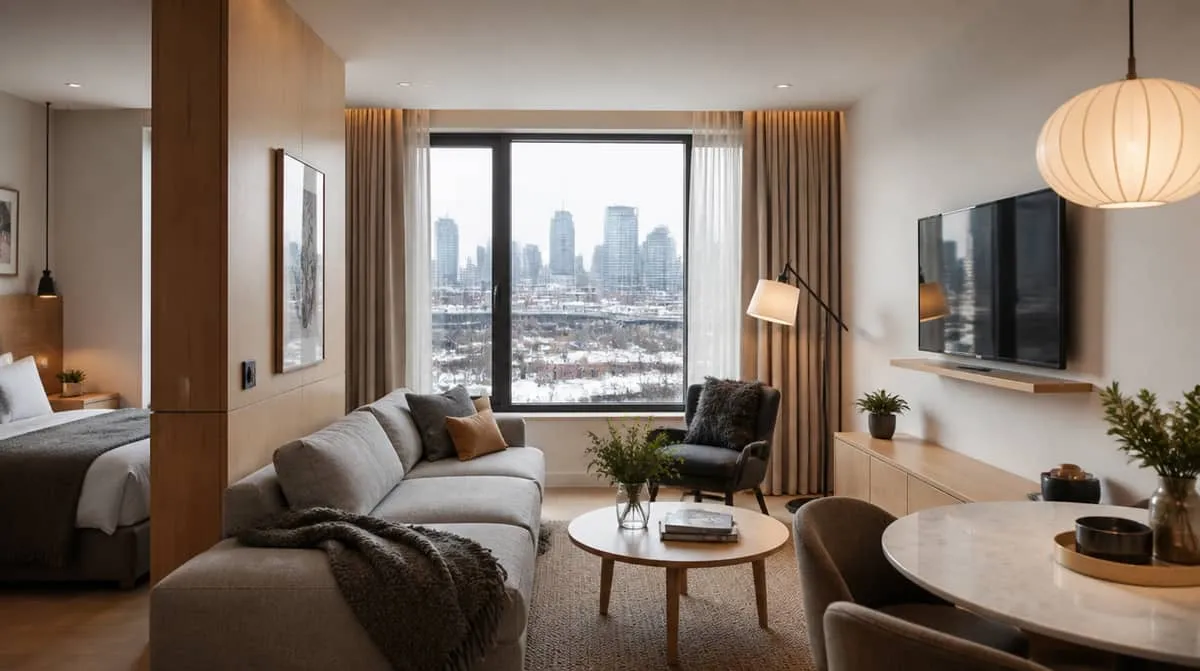
The first thing serious buyers in this market understand is that lobby and common area furniture must do warmth work. Minnesota winters push indoor environments to carry more than aesthetics a cold, hard lobby in January tells a just-arrived guest that no one thought about them. Scandinavian-influenced design principles fit this market naturally: clean lines, warm birch and ash wood tones, muted grey-blue palettes, natural textures. Lounge chairs with upholstered seats and warm-toned frames are not a style preference here, they are an operational requirement for a market that sends guests inside for six months of the year and expects the interior to compensate for what is happening outside.
The Skyway system creates a second dimension to this. Downtown Minneapolis hotels connected to the Skyway see guests and visitors moving through corridors and common areas in patterns that differ from most American hotel markets. Transitional seating areas not just lobbies, but connected lounge zones, warm nooks near Skyway access points become meaningful revenue and comfort drivers during the cold months. Sofas and ottomans placed in these transitional zones see genuine use, not just staging.
Medical device and corporate convention attendees represent a demanding guest profile. They arrive with laptops, spend time in the lobby between sessions, and occupy shared spaces during long conference days. Contract-grade furniture built for commercial use cycles, not residential load ratings is the only category that holds up across a busy convention hotel's full-season demand.
Furniture Specifications That Match Minneapolis Hospitality Design
The design aesthetic that resonates in Minneapolis hospitality is specific and earned by the market. Properties in the North Loop warehouse district, the Northeast Minneapolis arts corridor, and Uptown each have distinct identities, but they share Scandinavian influence: quality over ornamentation, materials that age honestly, warmth as a design principle rather than an afterthought. Birch and ash wood finishes work. Wool-textured upholstery in grey, slate, and muted blue tones works. Heavy rustic or overtly lodge-style aesthetics read as wrong here the market skews contemporary cozy, not cabin-weekend.
Guest rooms require headboards that complement this palette. Upholstered headboards in warm neutrals with clean panel lines photograph well for the property's digital presence and hold up through housekeeping cycles without showing wear at the edges. Frame construction matters: dowel joints and corner blocks outperform stapled assembly under commercial turnover.
Dining furniture for hotel restaurants follows the same logic. Dining chairs in matte-finish wood frames with upholstered seats match North Loop restaurant aesthetics while standing up to the sustained use that comes from conference overflow crowds filling a hotel dining room during peak convention weeks.
Procurement Process for Minneapolis Hotel Projects
Procurement for a Minneapolis hotel whether a new build in the North Loop, a renovation at a Bloomington property near the Mall of America, or a refresh of a downtown corporate property requires a contract furniture supplier with hospitality-specific experience and realistic lead time management. Retail channels do not carry the commercial warranty coverage, bulk order capability, or coordinate logistics that hotel projects require.
Timeline planning should start earlier than most buyers expect. Convention hotel projects near the Minneapolis Convention Center or US Bank Stadium often have specific opening windows tied to the event calendar missing a soft-open date because furniture arrived late or failed inspection is a recoverable but avoidable problem. Work with a supplier who builds lead time into the proposal rather than quoting it as a footnote.
Request references from comparable hospitality accounts. A supplier with documented experience outfitting properties in high-convention markets cities where the guest profile includes corporate and association conference attendees with high expectations will understand what Minneapolis hotels actually need. That context changes how a supplier approaches durability specs, upholstery selection, and frame construction recommendations.
We quote hotel furniture for Minneapolis operators against their own layouts and order sizes rather than a generic sheet. Request a quote and we will put together pricing for your property.