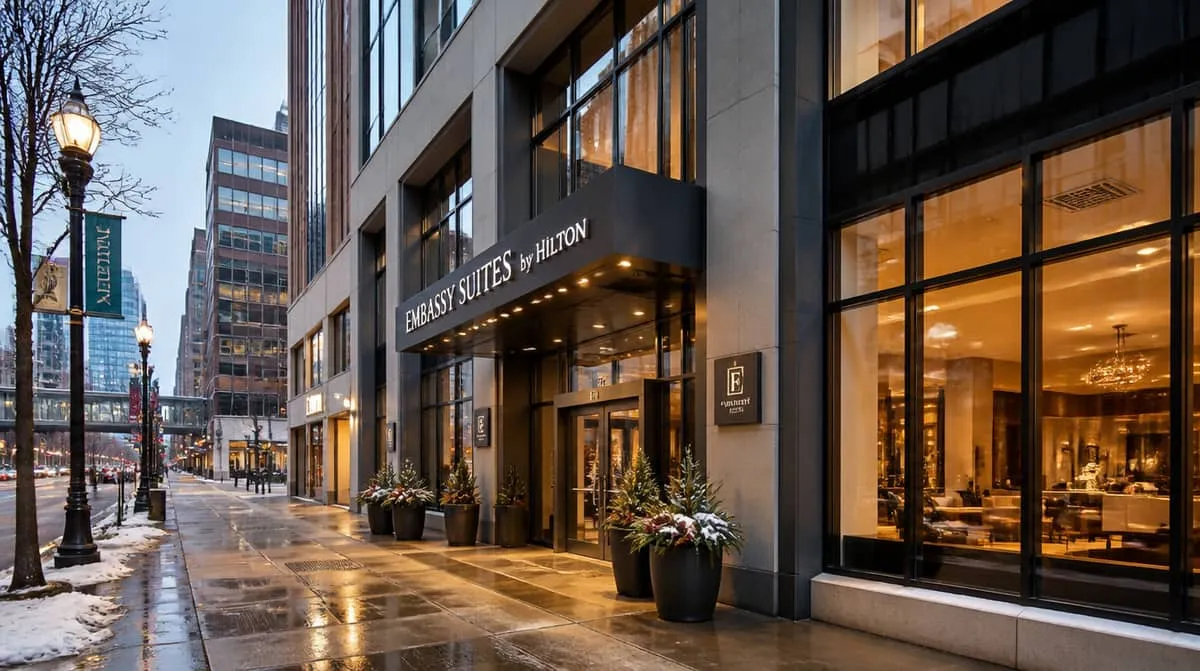
Boutique hotels in Minneapolis are not trying to look like boutique hotels in other cities. The North Loop warehouse district, the Northeast Minneapolis arts corridor, and Uptown each have identities built on something specific to this place converted industrial buildings, creative community density, a design sensibility that pulls from Scandinavian roots and local craft traditions. Boutique operators in these neighborhoods are sourcing furniture to express something coherent, not just to fill rooms. That makes the supplier relationship more demanding and more consequential than a standard hotel furniture procurement. The wrong piece reads immediately against the architecture. The right piece earns its place and holds up across a decade of heavy guest use. Getting there requires a supplier who understands both the aesthetic and the operational spec.
Design Identity and Material Specification
The Scandinavian-modern throughline in Minneapolis boutique hospitality is not a trend it is the regional design language. Clean lines, honest materials, warmth as a design priority. Birch and ash wood tones work here. Walnut works in higher-end applications. Overly ornate or rustic aesthetics clash with the contemporary-cozy direction most serious boutique operators are executing. Grey-blue upholstery palettes in wool or wool-textured performance fabric carry both the visual identity and the tactile warmth that Minnesota winters make operationally important.
Lounge chairs in common areas and guest room seating zones should anchor warmth first. A guest arriving from the cold at a North Loop boutique property needs to feel the intention of the space before they reach their room. Low-profile lounge seating with upholstered seat and back in warm-neutral fabric, set near the check-in area or window alcoves, accomplishes this with restraint. Tall-back chairs read as formal and cold in this context save them for dining or library-style reading nooks.
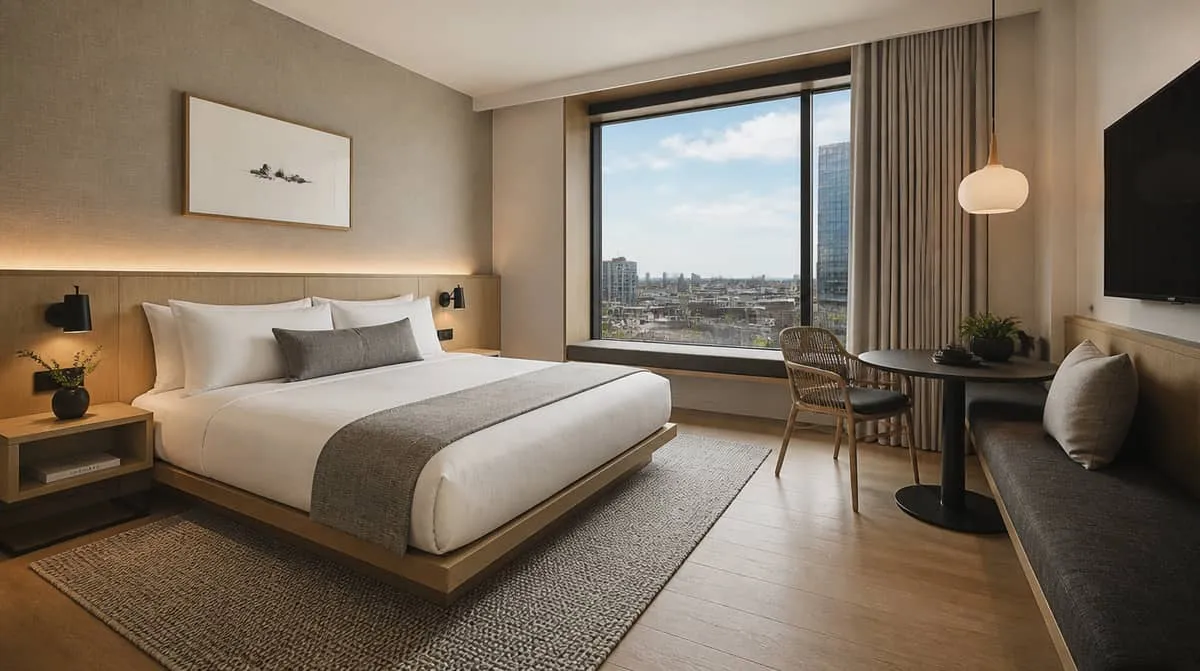
Guest room headboards for boutique properties need to do design work. Upholstered panel headboards in light-toned fabric with clean lines photograph well for the property's digital channels and feel intentional against a plaster or exposed brick wall. Headboards with deep tufting or heavy ornamentation compete with architecture rather than complementing it specify low-profile panel construction that lets the room's materials speak.
In-room seating an occasional chair or a two-seat settee extends the common area design language into the private space. These pieces carry disproportionate weight in guest review content. A beautifully designed room with one mismatched chair reads as incomplete. Coordinate frame finish and upholstery palette across the entire FF&E specification.
Common Areas, Lobbies, and Transitional Spaces
Boutique hotels connected to or near the Minneapolis Skyway system see guests moving through common areas during extended cold-weather periods in ways that differ from cities without a connected pedestrian network. The Skyway brings foot traffic in not just hotel guests, but neighborhood regulars and corporate workers seeking a warm environment. Lobby and common area furniture in a Skyway-adjacent boutique property needs to accommodate lingering without feeling designed for transience.
Sofas arranged in genuine conversation configurations not airport-row lineups create the atmosphere that boutique properties are selling. Pair them with side tables at correct height, add ottomans for flexibility and visual softness, and the lobby becomes a feature of the property rather than a corridor between parking and elevator.
Northeast Minneapolis boutique properties near the arts corridor benefit from furniture with a slightly more raw quality natural wood edges, hand-finished details, pieces that look like they belong in a building with a creative history. This is still Scandinavian-influenced and contemporary, but with slightly more texture and craft character than the polished North Loop aesthetic.
Contract Specification and Procurement for Boutique Projects
Boutique hotel procurement differs from large chain hotel procurement in several important ways. The quantities are smaller, the design latitude is larger, and the specification process is more collaborative. A contract furniture supplier working with a boutique property needs to be able to work through custom configuration options COM fabric selections, custom stain finishes, non-standard dimensions without requiring minimum order quantities that a forty-room property cannot meet.
Lead time planning is critical for boutique projects, which often have tighter opening windows and fewer rooms to absorb delays. Build a twelve-to-sixteen week lead time assumption into your project schedule for upholstered goods. Custom or semi-custom pieces can run longer. If your opening date is connected to a specific event a convention season opening, a soft launch tied to a North Loop neighborhood activation confirm lead times in writing before placing the order.
Commercial warranty coverage should cover at minimum five years on structural components and two years on upholstery. Boutique properties typically have the design coherence to make furniture feel like a signature element of the brand that means it needs to hold up without visible wear for the first several years of operation. Reupholstering or replacing pieces in year three is expensive and disruptive. Specify correctly at the outset.
We quote boutique hotel furniture for Minneapolis operators against their own layouts and order sizes rather than a generic sheet. Request a quote and we will put together pricing for your property.