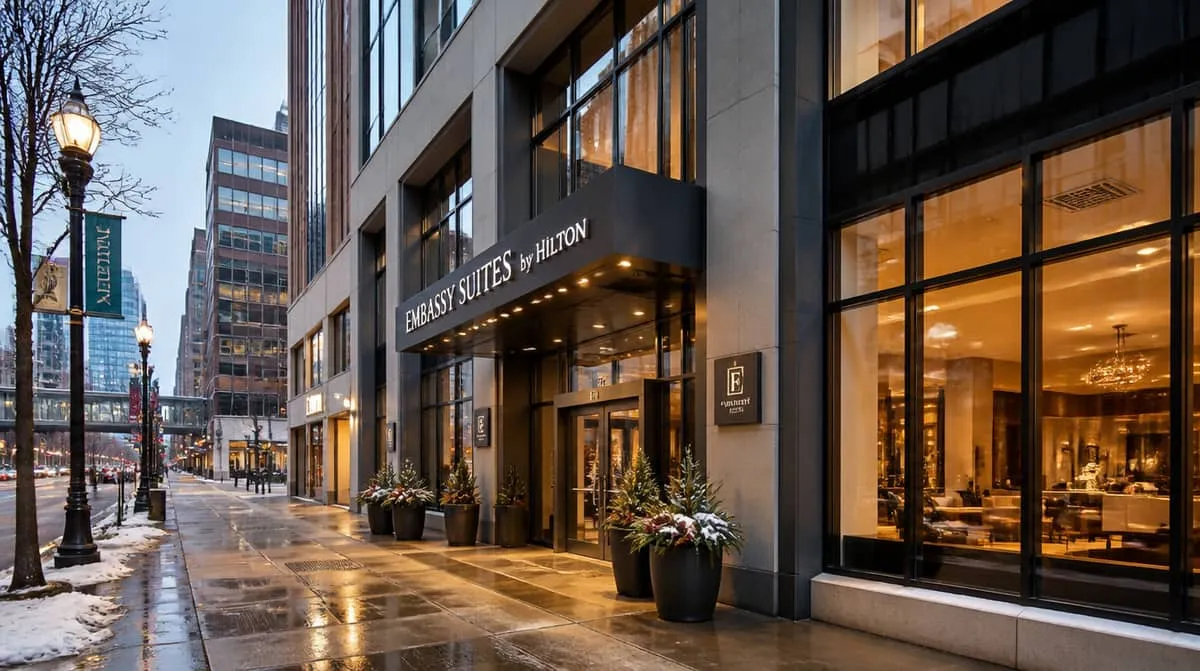
A bar or lounge in Minneapolis is fighting a specific seasonal battle. From November through March, guests are not browsing options they are seeking warmth, and the interior they walk into has about ninety seconds to make them feel like they made the right choice. Uptown's bar corridor, the North Loop's restaurant and cocktail bar density, hotel lounges running US Bank Stadium overflow, and corporate event spaces filling up after a Target or Medtronic conference let out all of these environments need furniture that reads warm, holds up under serious commercial use, and fits the design sensibility of a market that does not reward generic. Minneapolis bar and lounge operators who get this right pull guests off a cold street and keep them for three hours. The furniture is not set dressing in that equation it is infrastructure.
Bar Seating That Works for Minneapolis Hospitality
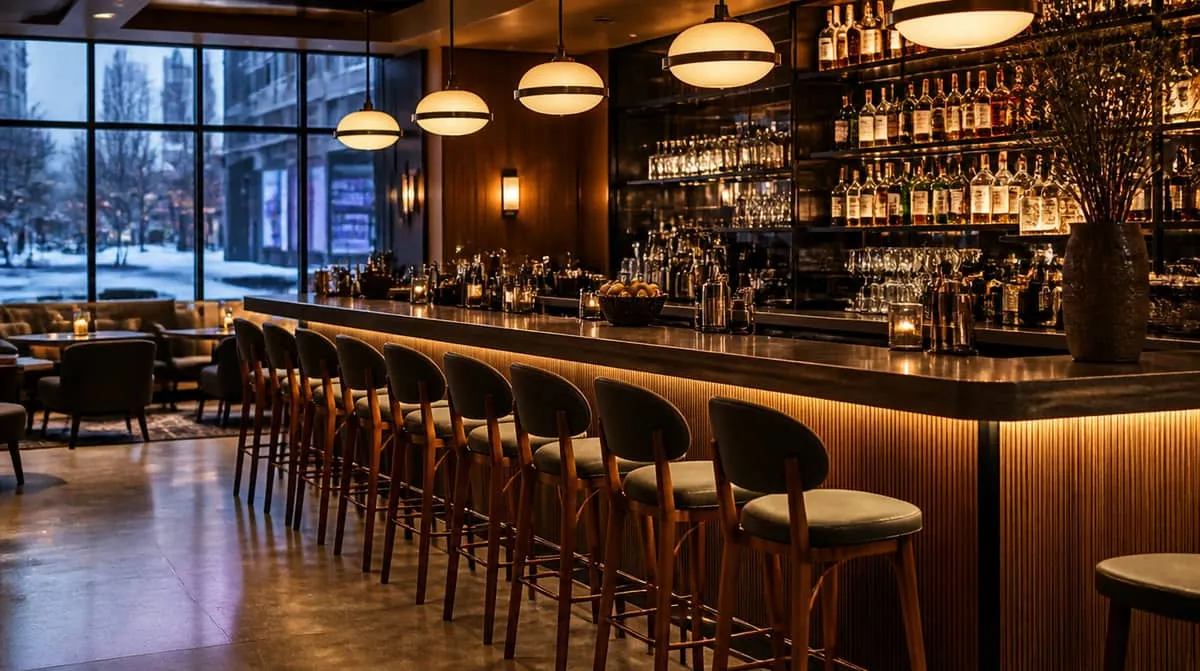
Barstools are the highest-wear piece in any bar environment. They get climbed, rocked, knocked over, dragged across floor surfaces, and occupied for four-hour stretches by guests who are not thinking about what they are doing to the furniture. In Minneapolis, this physical reality layers on top of a design requirement: barstools need to look like they belong in a space that takes design seriously.
The standard for bar seating in Minneapolis leans to metal frame or solid wood with upholstered seat pads in performance fabric. Dark metal frames with cushioned seats in grey, charcoal, or warm camel durable fabrics rated for 100,000 double rubs thread the needle between the industrial-warm North Loop aesthetic and the design discipline that Uptown and boutique hotel bars maintain. Backless stools read contemporary and space-efficient. High-backed bar chairs with wraparound seat and back upholstery deliver more comfort for longer sessions, which matters in a lounge designed for lingering rather than quick-turn bar seating.
Seat height must match bar height exactly. A forty-two-inch bar counter requires a seat height of twenty-eight to thirty inches with a footrest at floor-plus-nine. Order mismatches are non-recoverable without replacing either the furniture or the bar specify confirmed bar height dimensions before the order is placed, not after.
Hotel lounge seating near the Minneapolis Convention Center or US Bank Stadium sees extended occupancy during peak event periods. Lounge chairs and low seating configurations in these spaces need commercial-grade foam density (1.8 lb minimum) to resist compression over a season's worth of post-event occupation. A foam seat that compresses flat in year one becomes a visible and tactile signal of deferred maintenance.
Lounge Layout and Soft Seating Strategy
Minneapolis lounges designed for lingering whether connected to a boutique hotel in the North Loop, a standalone cocktail bar in Northeast, or a corporate hotel's post-conference gathering space should be furnished around conversation clusters rather than linear arrangements. Sofas paired with ottomans and low occasional chairs create zones that feel chosen rather than installed. Warm wood side tables at correct cocktail height (18 to 22 inches) complete the configuration.
Ottomans serve double duty in bar and lounge environments: additional seating for overflow, footrest for adjacent lounge chairs, and visual softness that prevents the space from reading as hard-edged or cold. Specify ottomans in the same fabric family as the lounge seating to maintain palette coherence. Leather or performance vinyl in a warm cognac or grey-brown works particularly well in winter-focused interiors it reads luxurious and is easy to clean after a busy post-game night.
The Scandinavian-modern design language that runs through Minneapolis hospitality applies in bar environments too. Restraint, warmth, quality materials over decorative detail. A lounge that feels like it was thoughtfully designed for this climate and this city will outperform one that imports a look from another market.
Procurement and Commercial Specification
Bar and lounge environments are among the hardest on furniture in commercial hospitality. The wear cycles are intense, spill exposure is constant, and guests interact with seating in ways that stress joints and upholstery simultaneously. Commercial-grade specification is non-negotiable residential or semi-commercial furniture fails in these environments within eighteen to twenty-four months, and the replacement cost always exceeds the savings from the initial unit price discount.
Work with a contract furniture supplier who understands hospitality bar and lounge environments specifically. Spec upholstery for cleanability alongside aesthetics a beautiful fabric that cannot be sanitized between service periods is a health code issue, not just a maintenance inconvenience. Crypton, Sunbrella performance fabrics, and commercial-grade vinyl all offer cleanable options that hold color and texture under sustained use.
Budget for attrition. A busy Minneapolis bar running six nights a week will lose three to five percent of its seating inventory annually to damage, regardless of furniture quality. Build an initial overage into the order ten percent above minimum seat count and maintain a small on-site spare inventory. A broken barstool during a packed Friday night cannot be remedied with a next-day order.
For Minneapolis properties comparing bar and lounge furniture options, project-specific pricing tells you more than any published range. Request a quote and we will scope it to your space and volume.