
Los Angeles does not have a single hospitality identity, and that is exactly what makes it one of the most demanding furniture markets in the country. You have the sleek rooftop bars in West Hollywood pulling industry crowds on a Tuesday night. You have design-forward boutique hotels opening in Silver Lake and the Arts District, catering to creative professionals with opinions about every finish and fabric choice. And then you have the resort-scale properties in Beverly Hills and Santa Monica competing directly with Miami, New York, and Chicago for the same luxury traveler. Every one of those properties needs furniture engineered to hold up under California sun, constant high-volume use, and the particular scrutiny of guests who notice when something is off. If you are building or renovating a hotel here, let me walk you through what that actually requires.
Why Retail Furniture Fails in Commercial Environments
Here is what you need to know before you spend a single dollar on hotel furniture. Retail furniture is built for residential life: light daily use, careful handling, and the assumption that someone might replace it in five years as a style refresh. Hotel furniture lives in a completely different reality.

A lobby chair at a property near LAX or the Convention Center might be used hundreds of times in a single week. Guests sit down hard after long flights, set luggage against the frame, and interact with that piece in ways no residential manufacturer anticipates. A bed frame in a guest room gets shifted during housekeeping, leaned on during late checkout, and stressed continuously in ways that expose every weak joint within the first year.
When that furniture fails, you are not dealing with an inconvenience. You are dealing with a liability issue, a scathing review posted before the guest even leaves the property, or an emergency replacement order that destroys your maintenance budget and your opening timeline simultaneously.
Contract-grade furniture from a qualified hotel furniture supplier in Los Angeles is rated to BIFMA standards or equivalent hospitality certification. The joinery is reinforced. The finishes are commercial-grade. The materials are selected specifically for longevity under heavy use. The upfront price difference pays for itself well before the first replacement cycle.
What to Look for in a Hotel Furniture Supplier in Los Angeles
Not every supplier that markets itself as commercial is actually equipped to handle a hotel project at scale. When you are evaluating potential partners, ask targeted questions about their direct experience with hospitality projects in your category.
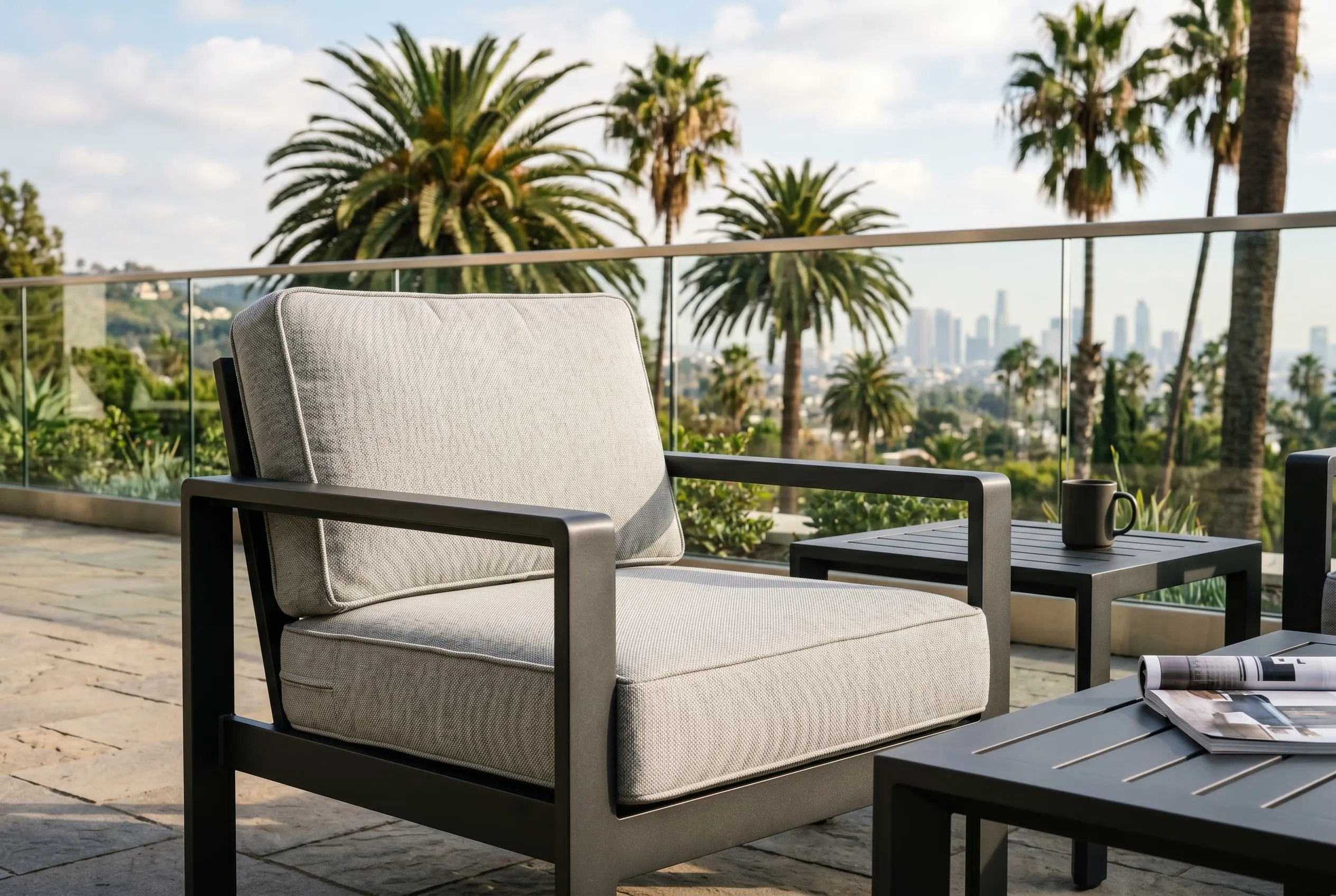
Start by finding out whether they have worked with properties comparable to yours. A supplier who has outfitted boutique hotels in Silver Lake or a rooftop bar renovation in West Hollywood understands what an LA hospitality client expects aesthetically. That experience matters when you are reviewing samples and making final spec calls under deadline pressure.
Lead time transparency: Verify lead times in writing before you commit. Standard lead times from contract furniture suppliers run 10 to 18 weeks for custom or semi-custom pieces. If a supplier promises six weeks on a complex upholstery order without documented justification, ask them to include delivery penalties in the contract. Lead times are not a soft number on a hotel project they are tied to financing draws, pre-opening bookings, and marketing launch dates that do not flex.
Minimum order quantities: Ask about MOQ structure early. Most hotel furniture suppliers work with minimums by category commonly 10 to 20 pieces per SKU for case goods, with different thresholds for upholstered pieces depending on fabric selection. Understanding MOQs before you finalize your FF+E budget prevents expensive surprises mid-project.
Lead Times, MOQs, and the Los Angeles Project Timeline
Los Angeles hotel projects run on compressed timelines more reliably than almost any other market. A soft launch timed to awards season in February. A rooftop bar renovation scheduled to reopen before Memorial Day weekend. A boutique property in the Arts District staging its opening around a major Downtown LA event calendar date. The hospitality calendar here is driven by visibility windows and cultural moments that do not move for anyone.
That creates real pressure on the furniture procurement process. The standard mistake is to finalize furniture specs after construction is already underway. Waiting until the build is 60 percent complete to start sourcing is exactly how hotel openings miss their target dates.
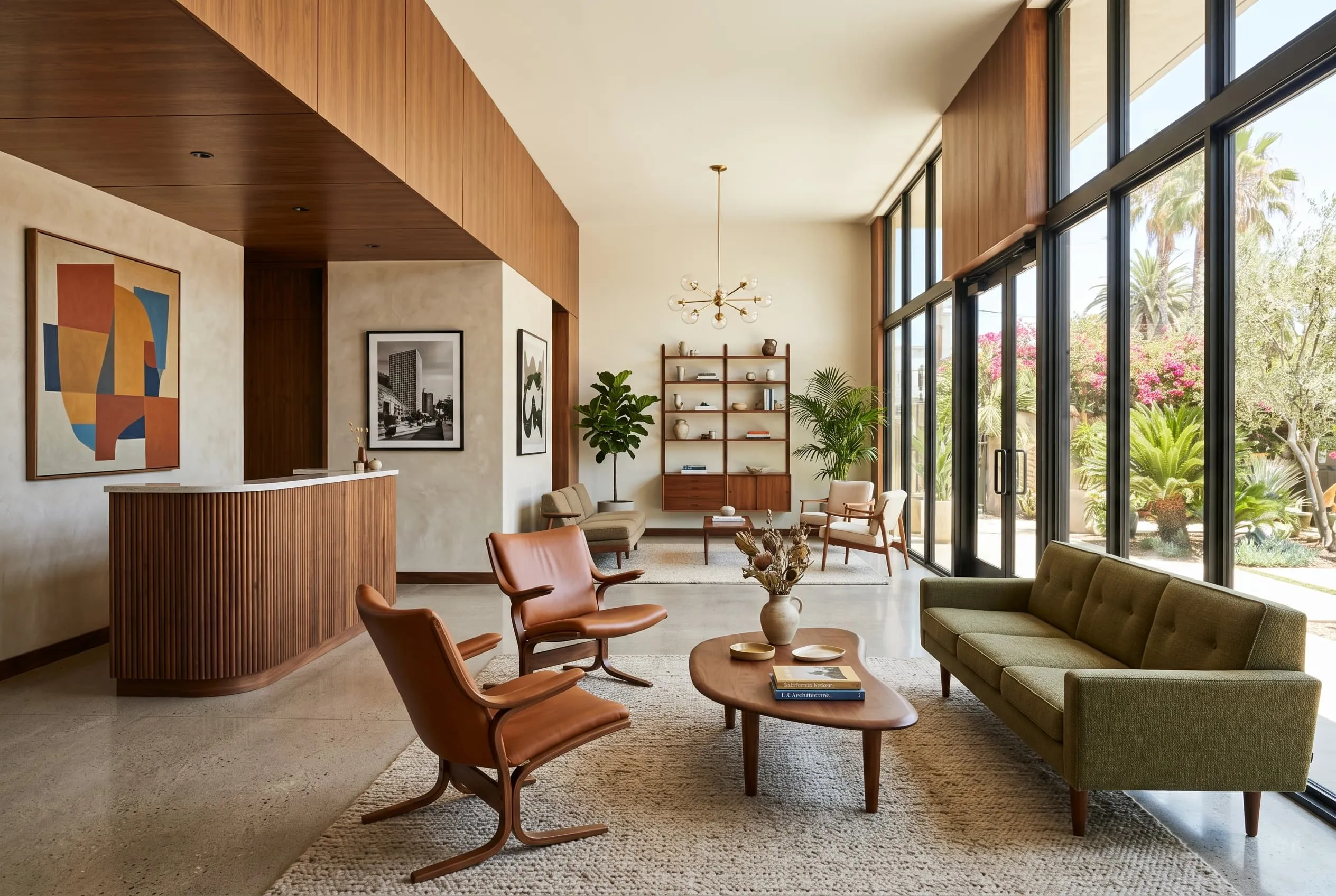
The right approach is to lock your furniture specs at the same time you finalize your interior design drawings. A good hotel furniture supplier in Los Angeles will offer phased delivery sequencing for larger projects, coordinate directly with your general contractor on installation timing, and raise lead time risks early enough that you can actually do something about them. They should also turn around physical samples fast enough to keep your design team and ownership group moving without stalling the production queue.
For outdoor furniture specifically, Los Angeles properties carry a unique burden. Year-round outdoor use is not an amenity it is the operating standard. Rooftop terraces in WeHo, pool decks in Beverly Hills, and courtyard seating in boutique Echo Park properties are all in constant use twelve months a year. That means outdoor furniture takes significantly more wear here than in markets with seasonal closures. Look for suppliers who default to marine-grade or powder-coated aluminum frames, solution-dyed acrylic fabrics, and UV-stable finishes on every outdoor application.
How to Structure the Supplier Relationship
The best hotel furniture suppliers operate as project partners, not order-takers. Once you have qualified a supplier for your project, the working relationship should include a dedicated account contact, a shared timeline with milestone checkpoints, and a clear escalation process for problems that come up and something always comes up.
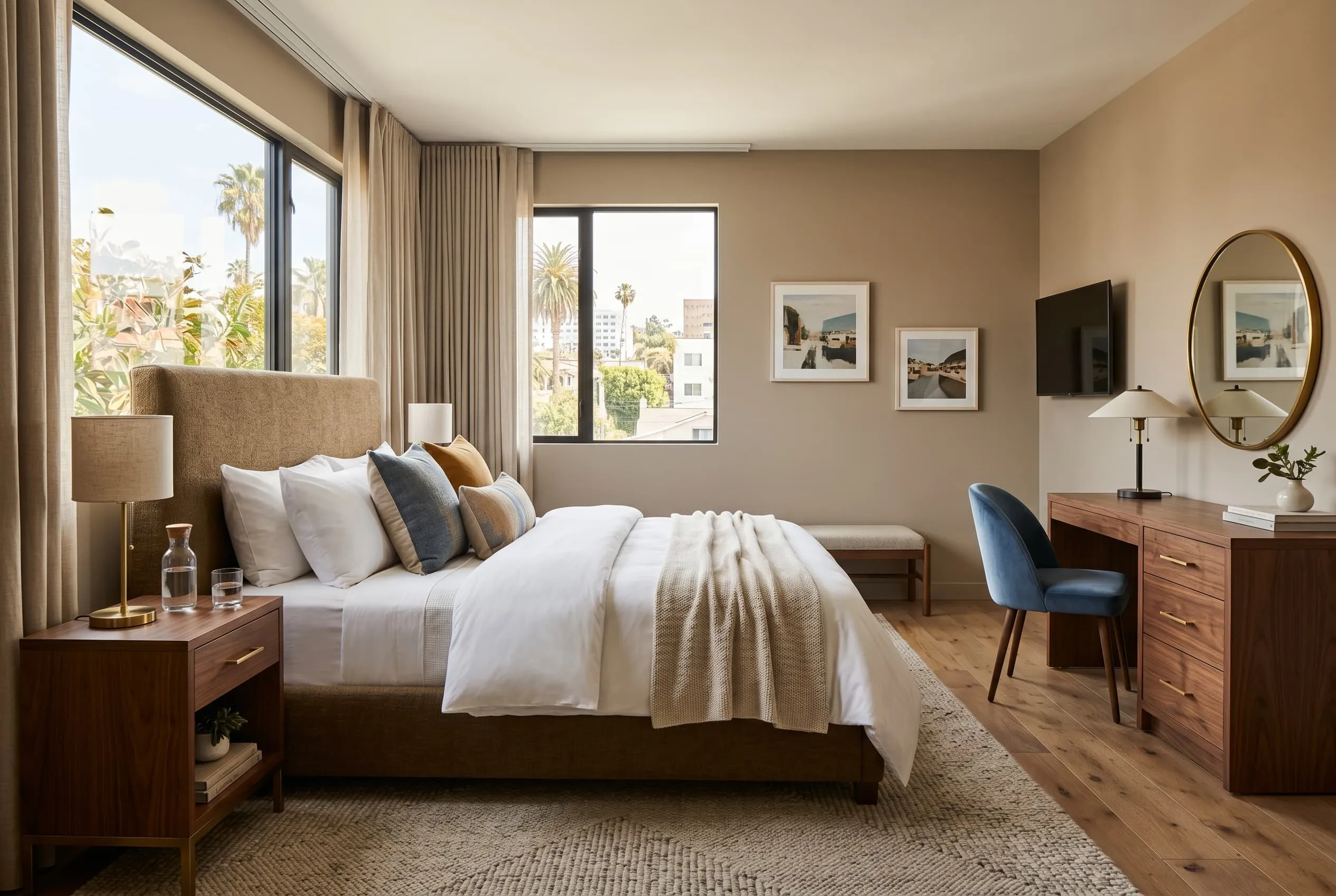
Request a sample program at the start of the relationship, not after you have already committed to a direction. Reputable suppliers will provide physical samples of fabrics, finishes, and frame materials before you place a full order. On an LA hotel project where the design bar is genuinely high and ownership groups are often deeply involved in aesthetic decisions, getting physical samples in front of the right people is not optional. Approving finishes from a digital catalog image is how projects end up with furniture that reads completely differently in person than what the design team signed off on.
Clarify warranty terms before you sign anything. Contract furniture typically carries a five-year or ten-year structural warranty, with separate coverage for finish and upholstery. Understand exactly what is covered, what actions void the warranty, and what the actual claims process looks like in practice. If a supplier cannot walk you through their warranty program clearly and specifically, that tells you something meaningful about how they handle problems after delivery.
Working with a hotel furniture supplier in Los Angeles who genuinely understands the local market the design expectations, the project pressure, the visibility stakes of opening a property in one of the most competitive hospitality environments in the country will save you time, money, and significant stress before your first guest checks in.
If you are in the early stages of a hotel project and want to understand the full scope of what contract furniture procurement involves, the resources below are a good place to start.
Pricing for hotel furniture in Los Angeles depends on quantities, finishes, and your delivery window, so a project-specific quote beats any list figure. Request a quote to get yours.
Related reading
- Commercial hotel furniture: a sourcing guide for every space
- Boutique hotel furniture: specifying a distinctive, durable look
- What is contract furniture
- Commercial furniture vs retail
- Hospitality furniture supplier guide
- Hotel lounge chairs
- Hotel headboards
- Browse full catalog
- Commercial furniture in California