
Los Angeles does not reward generic. Walk into any well-reviewed boutique property in Silver Lake, Echo Park, or West Hollywood and the furniture is doing serious work. It tells guests who the hotel is for, what the energy is, and whether the space is worth photographing. This city runs on entertainment industry clientele, design-conscious creatives, and travelers who have stayed everywhere and remember nothing except the places that felt different. The hospitality market here is fiercely competitive, and the pressure to stand out is real. Getting boutique hotel furniture Los Angeles right is not optional. It is how operators build a reputation that compounds.
What Makes the LA Market Different
Here is what you need to know about sourcing furniture for an LA boutique property: the pressures are unlike any other US market. New York boutique hotels deal with tight footprints and brutal winter use cycles. Miami deals with humidity and salt air. Los Angeles has its own specific set of demands, and they hit you from multiple directions at once.
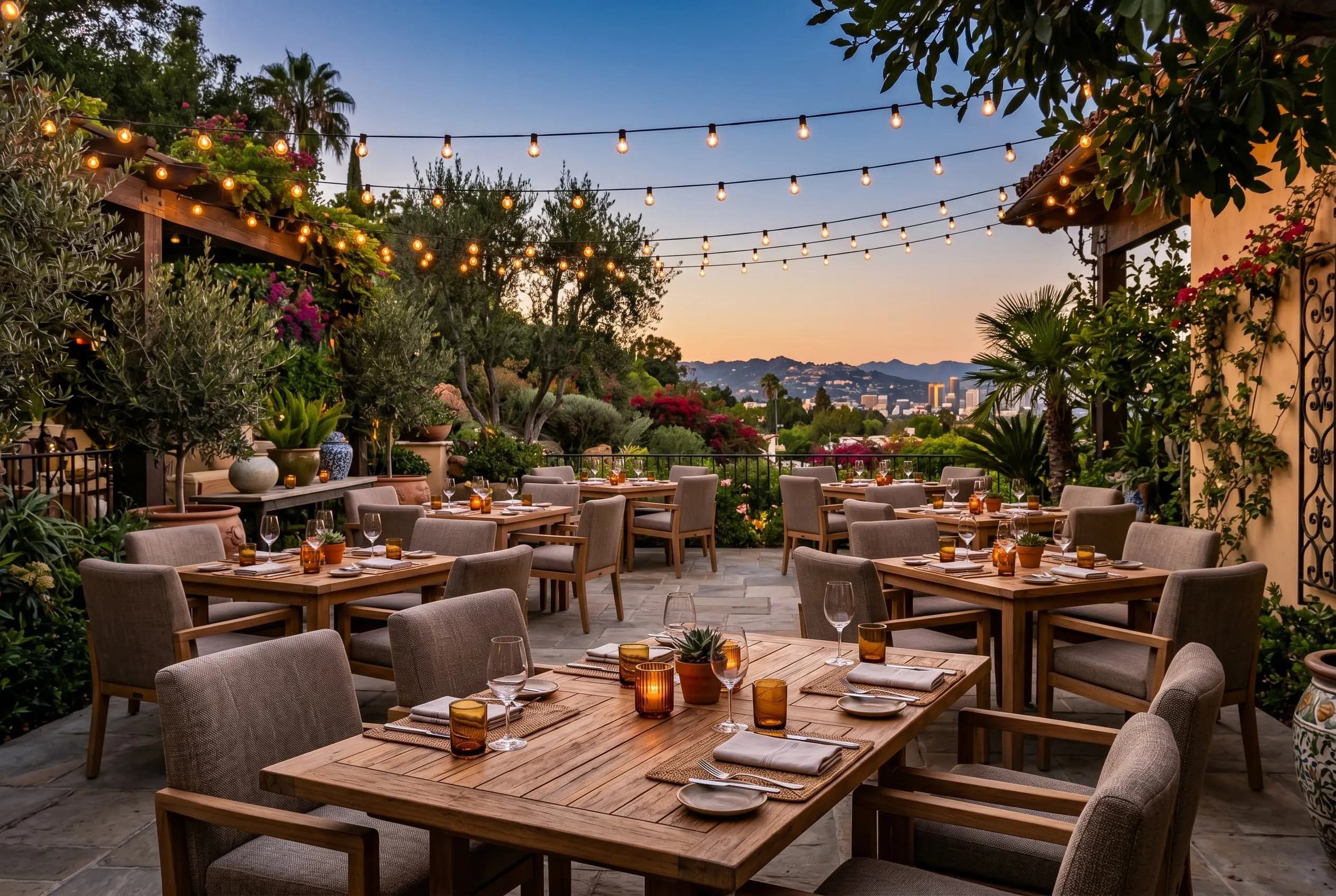
Outdoor hospitality is not a seasonal line item here. Your rooftop deck in Los Feliz, your terrace bar in Culver City, your pool lounge in WeHo these are year-round revenue spaces. That means outdoor furniture needs to perform under constant UV exposure, coastal air if you are west of the 405, and the kind of daily turnover that comes with high-occupancy properties in a city that runs twelve months a year. It still has to look intentional, because guests in LA are visually literate. They are comparing your space to every other photogenic property they have stayed at or scrolled past.
Indoor spaces in LA boutique hotels lean toward natural materials and California-specific textures. Rattan, raw linen, warm oak, brushed plaster, and concrete-look finishes dominate the properties that feel genuinely rooted in this city rather than imported from a design catalog. When you are sourcing boutique hotel furniture Los Angeles, you are building a visual identity around these material choices and those choices need to hold up under real hospitality conditions, not just look great at a photo shoot.
The Limited-Quantity Problem
Let me walk you through one of the most frustrating friction points for boutique operators in this market. Most large contract furniture manufacturers are built for scale. They want 100-room minimum orders, standardized specs, and repeatable business. That is not the reality for a 28-room boutique property in Atwater Village with four distinct room types and a lobby that doubles as a bar on weekend nights.
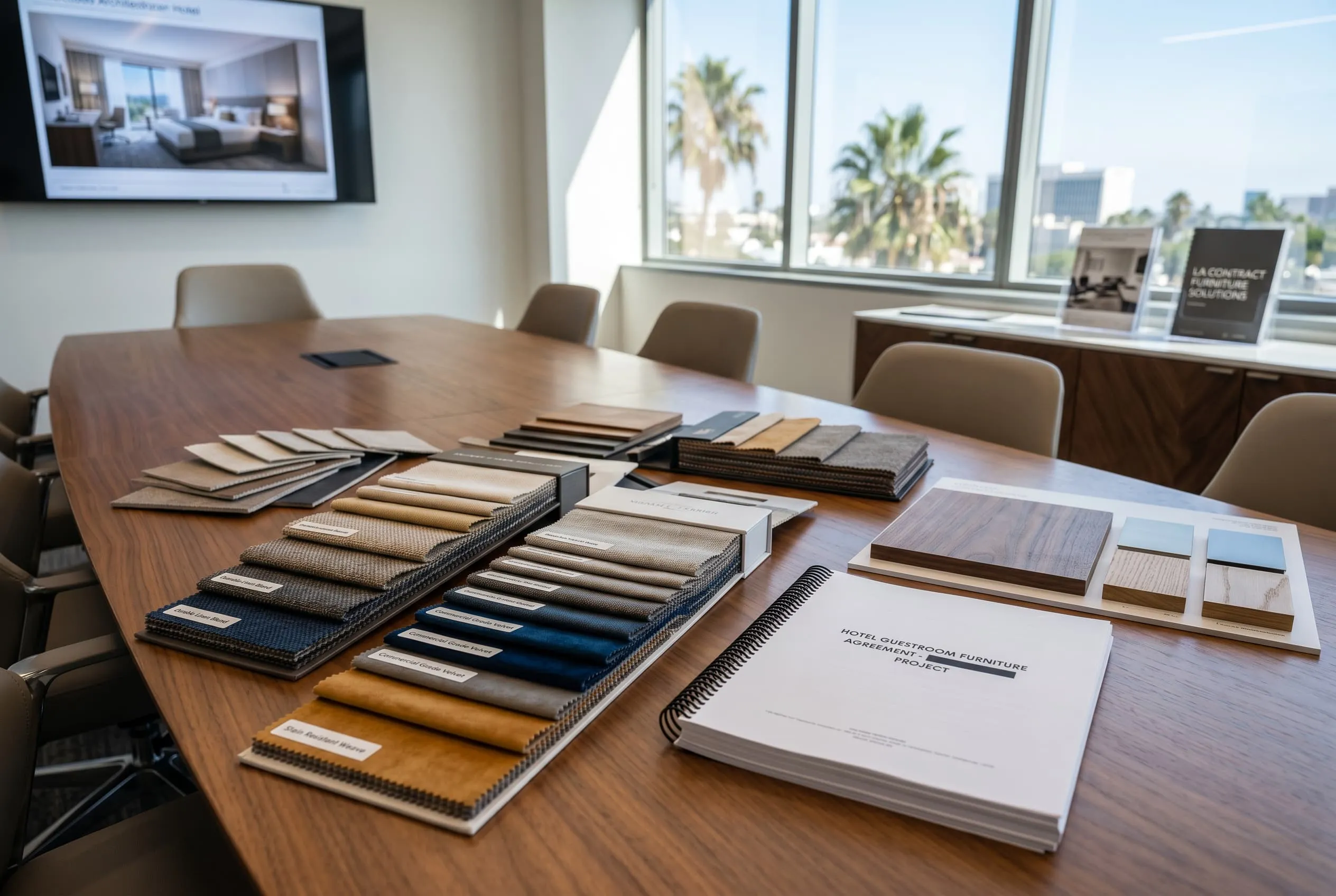
You find the chair that is exactly right for your aesthetic. Then you find out the MOQ is 50 units, the lead time is 16 weeks, and the rep has no flexibility on either. For a large hotel group opening a 200-room property, that is manageable. For an independent boutique operator with a tight opening timeline and a mixed-spec room count, it can derail your entire procurement plan.
Minimum order quantities are the first thing to ask about. Lead time transparency is the second. Some contract furniture manufacturers based in Southern California particularly those in the Commerce and City of Industry corridor have built their entire model around smaller-scale hospitality projects. These are the suppliers worth building relationships with. They understand the independent operator's situation because that is all they work with.
Custom Upholstery and Design Cohesion
In a boutique property, every room does not need to be identical. But the furniture language has to be consistent. That usually means custom upholstery is part of your plan, even when the frame itself is a standard contract piece. Custom fabric selection lets you thread a color story through your guest rooms, lobby, and outdoor areas without the whole property looking like it was assembled from a single showroom floor.
For boutique hotel furniture Los Angeles projects, custom upholstery is also your access point to performance fabrics that can actually handle hospitality realities. Spills. Frequent cleaning. High-turnover guest contact. The California sun fades fabric faster than most first-time operators expect, especially in south-facing rooms or spaces with significant glazing and there is a lot of glazing in modern LA hotel design. Specifying UV-resistant performance textiles from the start is not an upgrade or an add-on. It is standard practice for any property planning to hold its look beyond year two.
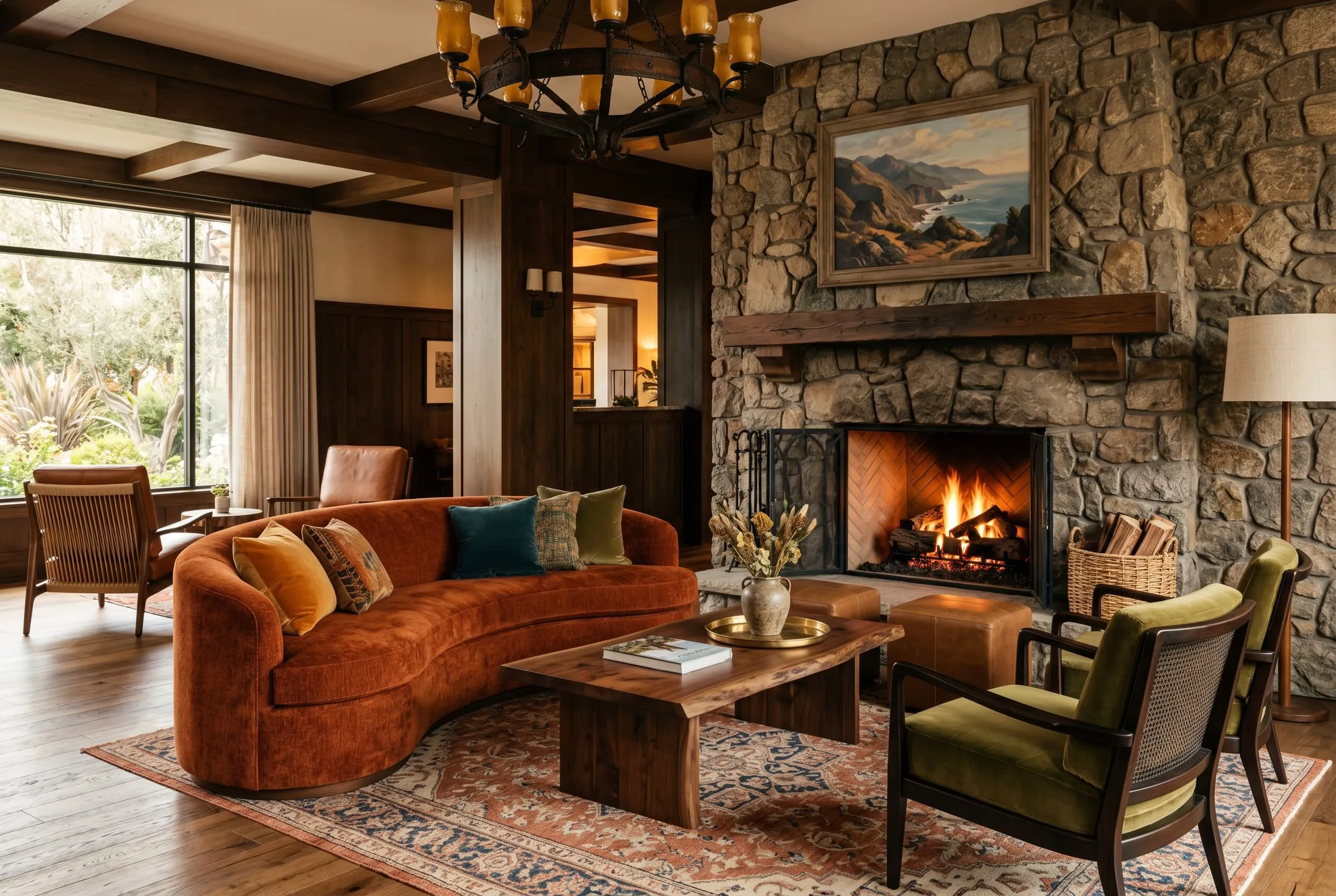
If you are working with a local interior designer on your hotel project which is extremely common in Los Angeles, where design talent is dense and operators expect professional design collaboration make sure your furniture supplier has real experience working within that structure. You need a supplier who can receive detailed specs from your design team, produce accurate samples without excessive back-and-forth, and hit revision milestones without burning your timeline. Ask for references from other designer-led projects they have supplied.
Mixing Pieces Without Losing Coherence
The best boutique hotel interiors in Los Angeles tend to mix furniture sources rather than spec everything from a single vendor. A vintage-inspired credenza paired with a clean-lined contemporary bed frame can work beautifully when the proportions and materials are in genuine conversation. This approach gives a space character. It avoids the assembled-from-a-package look that experienced travelers clock within thirty seconds of walking in.
The risk is incoherence. When you are pulling pieces from multiple suppliers across different price points, you need a material and finish palette that holds everything together. Here is what works: limit yourself to two or three wood tones, lock in a consistent metal finish across all hardware and fixtures, and define a fabric palette with clear boundaries. When each piece is making its own separate statement with no unifying thread, the room reads as chaotic rather than curated and guests feel that even if they cannot articulate why.
A contract furniture supplier who understands the boutique context is genuinely useful here beyond just selling you pieces. They can flag combinations that look right in a showroom but fail under commercial use. They can fill gaps in your spec list without pushing you toward pieces that duplicate what you already have. They can tell you what other LA operators have tried and what held up versus what did not.
Boutique hotel furniture Los Angeles procurement is a design challenge and an operations challenge simultaneously. The operators who do it well the ones running properties in Silver Lake, Mid-City, and the Arts District that actually hold their aesthetic for years treat it that way from the beginning, not as a last-mile purchasing decision.
Planning boutique hotel furniture for your Los Angeles project? Share your specs and quantities and we will build pricing around your actual program. Request a quote to get numbers for your space.