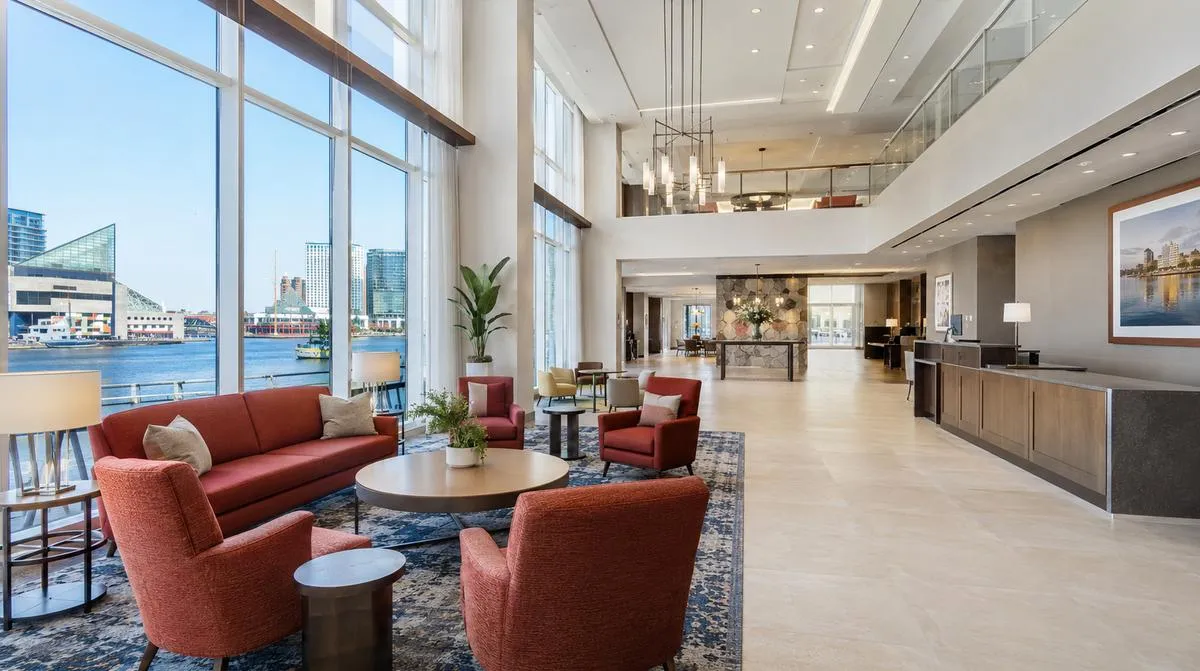
Honolulu's hospitality market runs on a rhythm you will not find anywhere on the mainland. Waikiki alone carries one of the highest concentrations of hotel rooms per square mile in the country, from the big beachfront towers along Kalakaua Avenue to the mid-rise condo-hotels tucked a block or two back from the sand. Downtown and the Hawai'i Convention Center pull a different kind of guest, business travelers and conference attendees who need efficient, durable furnishings rather than resort flourish. Ko Olina and the Ewa coast add another layer entirely, master-planned resort properties competing for destination weddings and long-stay leisure guests. If you are sourcing furniture for a hotel project anywhere on Oahu, here is what that market actually requires from your supply chain.
What Makes Honolulu Different for Hotel Furniture Sourcing
Honolulu is an island market first, and that reality touches every sourcing decision you make. Nothing arrives by truck from a regional distribution center the way it might in a mainland city. Furniture headed to a Waikiki tower or a Ko Olina resort travels by ocean freight through Honolulu Harbor, and that single fact changes your lead time math, your damage risk, and your supplier evaluation criteria before you even get to design.
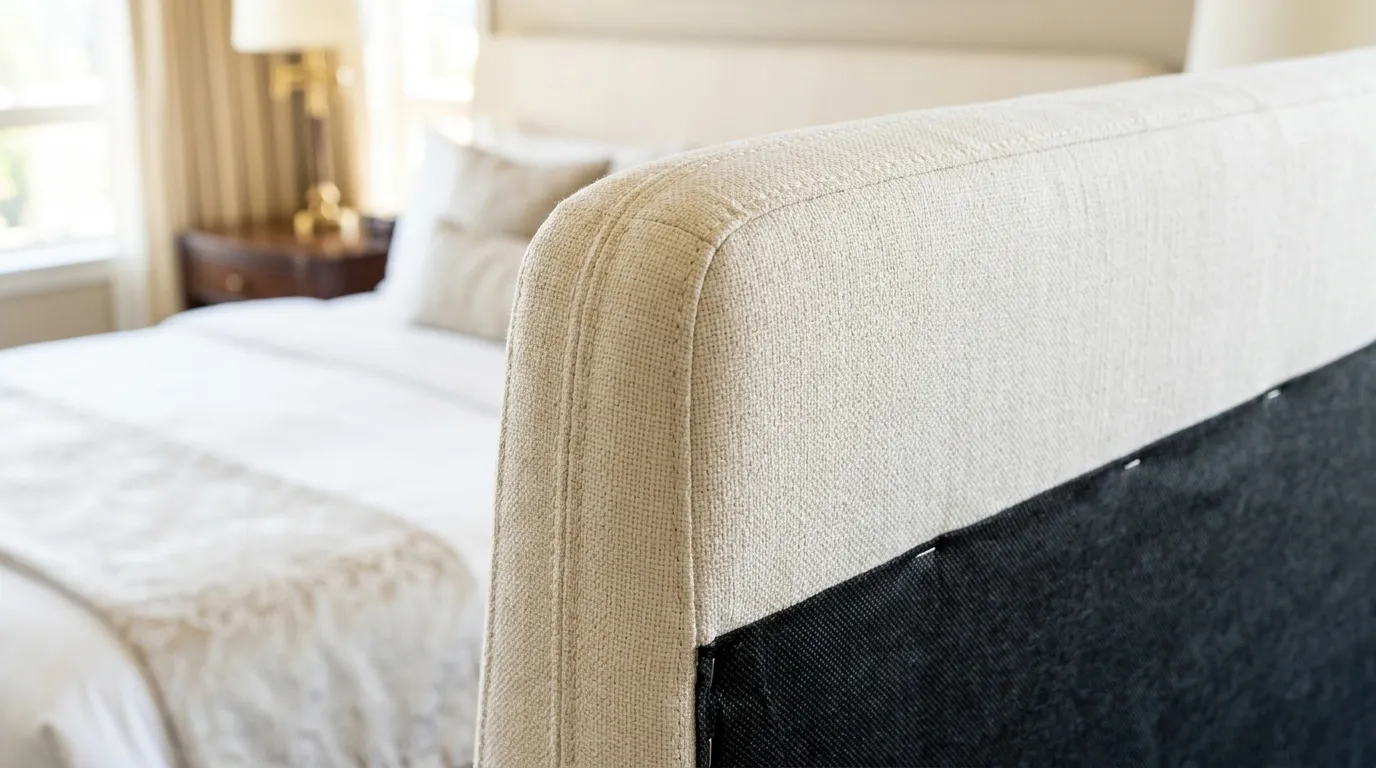
Salt air and humidity are the other variable that separates this market from almost anywhere else in the country. A guest room a few floors above Waikiki Beach deals with corrosion pressure on hardware and finish that a Denver or Dallas property never sees. Frame fasteners, drawer glides, and metal trim need corrosion-resistant treatment or they fail years ahead of schedule. Fabric and foam specifications also need to account for higher ambient humidity indoors, particularly in properties that rely on natural ventilation in public spaces. A hotel furniture supplier in Honolulu who has not sourced for this climate before will spec the same product they sell in Phoenix, and it will not hold up the same way here.
The convention and business segment downtown, anchored by the Hawai'i Convention Center, drives a steadier and less seasonal demand curve than the leisure resorts. Properties in that corridor and along the edges of Ala Moana turn rooms and meeting space over constantly, and the furniture in those spaces absorbs heavier daily use than a beachfront leisure property with a slower turnover pace. A hotel furniture supplier working this market needs to understand both ends, the resort aesthetic Waikiki and Ko Olina guests expect and the harder-working, more utilitarian spec that downtown and convention-adjacent properties actually need.
Why Contract Grade Matters in This Market
This is the conversation that saves you money over time even when it costs more upfront, and it matters more in Honolulu than almost anywhere else because replacement freight is expensive and slow. Retail furniture is engineered for residential use, light daily use, careful handling, the assumption of periodic replacement as a style decision. Hotel furniture on Oahu lives in a fundamentally different environment, and a failed piece cannot simply be swapped out of a nearby warehouse.
A lobby sofa at a Waikiki beachfront property gets used by guests coming straight off the sand, in wet swimwear, at a volume that would wear through a residential frame in a season. Guest room casegoods in a high-occupancy tower get shifted by housekeeping and maintenance staff on a schedule that never really slows down given the island's year-round tourism. Drawer hardware and cabinet hinges exposed to salt air and humidity fail faster under commercial use cycles than the same hardware would on the mainland. When retail furniture fails in that environment, the consequence is not a quick reorder. It is weeks of ocean freight before a replacement piece even reaches the harbor.
Contract-grade furniture from a qualified hotel furniture supplier meets BIFMA standards or equivalent hospitality certification benchmarks that retail products are never subjected to. The frame construction is reinforced for commercial load cycles, the hardware is finished for corrosion resistance, and the foam and fabric specifications are chosen for longevity under heavy, humid, high-turnover use. The price difference between contract and retail product pays for itself before the first replacement cycle in nearly every Honolulu hospitality application. Ask your supplier for documentation on climate-appropriate finishes specifically. If they hesitate, that tells you everything you need to know.
Lead Times, Logistics, and Getting the Timeline Right
Honolulu hotel projects run on a timeline that has to account for ocean freight in a way mainland projects simply do not. A renovation at a Waikiki tower needs to work around occupied rooms and a booking calendar that rarely has a true off season. A new build in Ko Olina is racing toward an opening date tied to marketing and reservation commitments made a year or more in advance. A downtown property near the convention center is trying to phase furniture replacement without disrupting a meeting and events calendar booked well into the future.
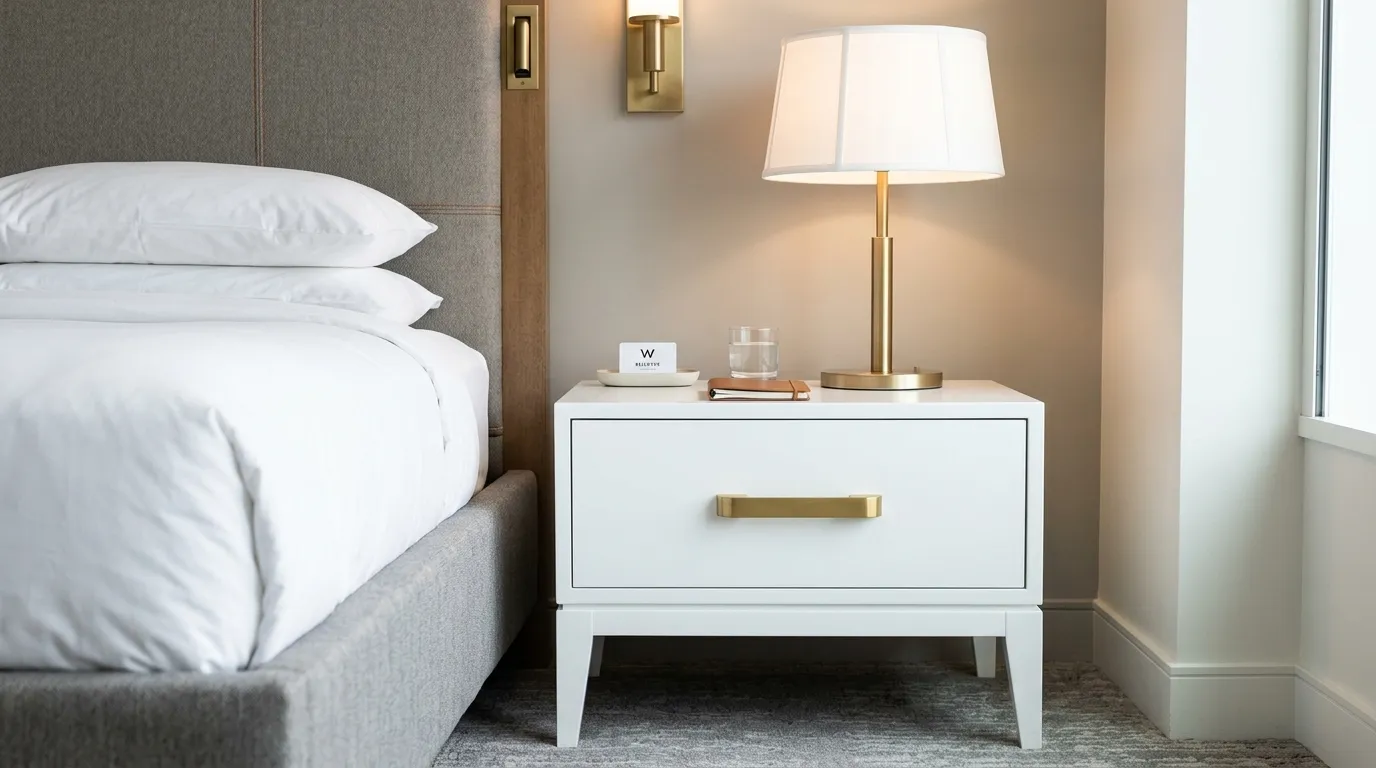
In every one of those scenarios, lead time is the variable that determines whether you hit your target date, and in Honolulu that lead time includes a container ship crossing the Pacific. Standard lead times from contract furniture suppliers run 10 to 16 weeks for domestic production, and Honolulu projects need to add 3 to 5 weeks on top of that for ocean transit and harbor processing once the order leaves the mainland or an overseas factory. Import orders sourced directly from Asia can actually see a shorter final transit leg than mainland-manufactured goods shipped through West Coast ports and then on to Oahu, but customs and consolidation add their own variability. That math is not flexible when you have a pre-opening booking horizon or a financing draw tied to substantial completion.
Lock your furniture specs at the same time you finalize interior design drawings, and build the ocean freight buffer into your schedule from day one rather than discovering it later. This is not a suggestion that sounds good in theory, it is the specific decision that separates Honolulu hotel openings that go smoothly from ones that do not. A supplier worth working with in this market will turn around physical samples fast enough to keep your design and ownership review process moving, consolidate shipments to minimize the number of containers crossing the Pacific, and raise freight and customs risks early enough that you can act on them.
Minimum order quantities matter on Oahu projects just as they do anywhere, but the freight math changes the calculation. Consolidating a full container load is often more cost-effective than splitting an order across multiple smaller shipments, which pushes many Honolulu buyers toward slightly larger MOQs than they might choose on the mainland. Most contract suppliers set MOQs at the piece level by category, with more flexibility on casegoods than on upholstered pieces. Custom fabrics and custom finishes almost always trigger higher minimums and longer production windows. Understand the MOQ and consolidation structure before you get deep into the spec process.
How to Evaluate a Hotel Furniture Supplier in Honolulu
Start with their actual project history shipping to Hawai'i specifically, not just general hospitality experience on the mainland. A supplier who has moved furniture across the Pacific before understands packaging for ocean transit, humidity-appropriate materials, and the harbor and customs process that a mainland-only supplier has never had to solve. Ask for references from Oahu projects comparable to yours in scale and property type, then call those references.
Logistics capability is more important here than almost any other market you will source for. A Waikiki tower delivery means navigating dense tourist-corridor traffic, limited loading zones, and freight elevators shared with guest luggage. A Ko Olina resort delivery means coordinating a longer final-mile haul from the harbor to the leeward coast. A supplier with in-house white-glove delivery and installation experience on Oahu, or a proven partnership with a local receiving and installation crew, handles those constraints before the container ever clears customs. A supplier who simply drops freight at the port and expects you to solve the rest will cost you time you do not have.
Ask how they work within the broader project team. Most Honolulu hotel renovations run through an interior design firm or a dedicated FF+E project manager who is used to building freight time into every deadline. A supplier who has already worked Hawai'i projects with local design and PM teams is better positioned to keep your project on spec and on schedule. Communication breakdowns between the supplier, the design team, and the freight forwarder are how island projects lose months, not weeks.
The right hotel furniture supplier in Honolulu is not a vendor you transact with once and hope for the best on ocean freight. In a market this dependent on shipping logistics, climate-appropriate specification, and a booking calendar that rarely pauses, they are a project partner who plans your timeline around the Pacific, not in spite of it. Evaluate them that way before you sign a purchase order.
Planning hotel furniture for your Honolulu project? Share your specs and quantities and we will build pricing around your actual program. Request a quote to get numbers for your space.
Related reading
- Commercial hotel furniture: a sourcing guide for every space
- Boutique hotel furniture: specifying a distinctive, durable look
- What is contract furniture
- Commercial furniture vs retail
- Hospitality furniture supplier guide
- Hotel lounge chairs
- Hotel headboards
- Browse full catalog
- Commercial furniture in Hawaii