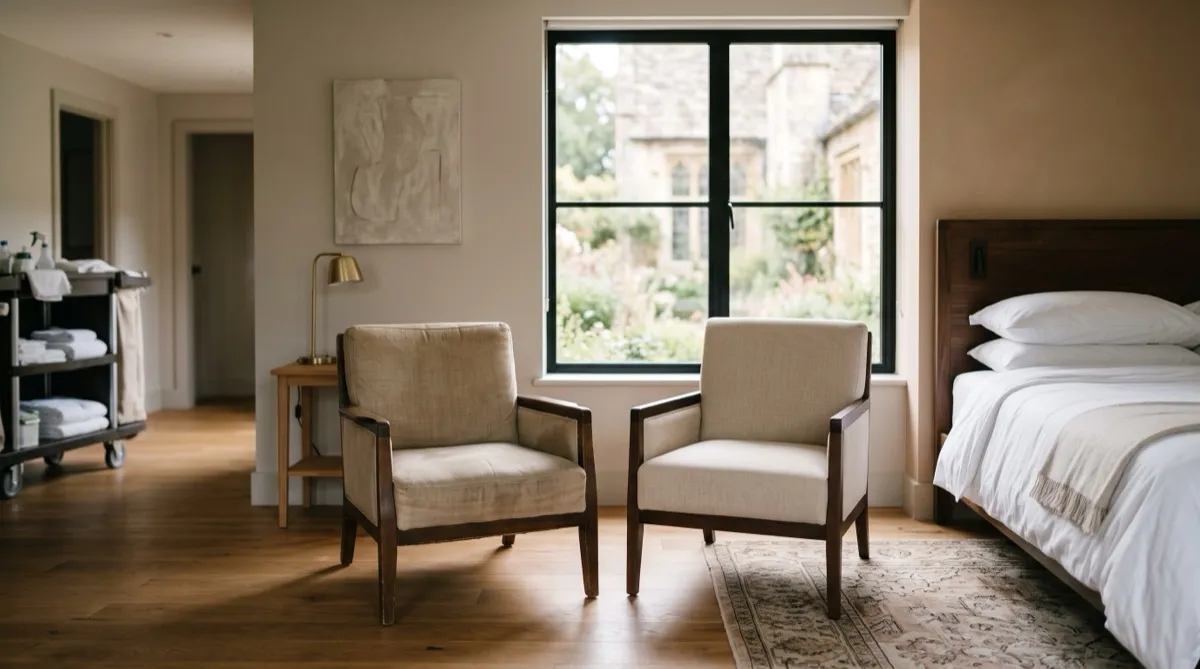
Plan replacement by area, condition and confirmed project requirements. One property-wide age limit can overlook damaged pieces or replace usable ones without assessing them.
Why replacement cycles differ by area
Contact, cleaning, installation, maintenance and design all affect condition alongside age. Record the actual use in each area rather than assuming every lobby, restaurant and guest room has the same wear pattern.
Guest room furniture
Inspect guest-room casegoods for damage, hardware operation and finish condition. Confirm any brand refresh deadline separately from physical condition. Seven to ten years is not a verified service-life range for an unspecified package.
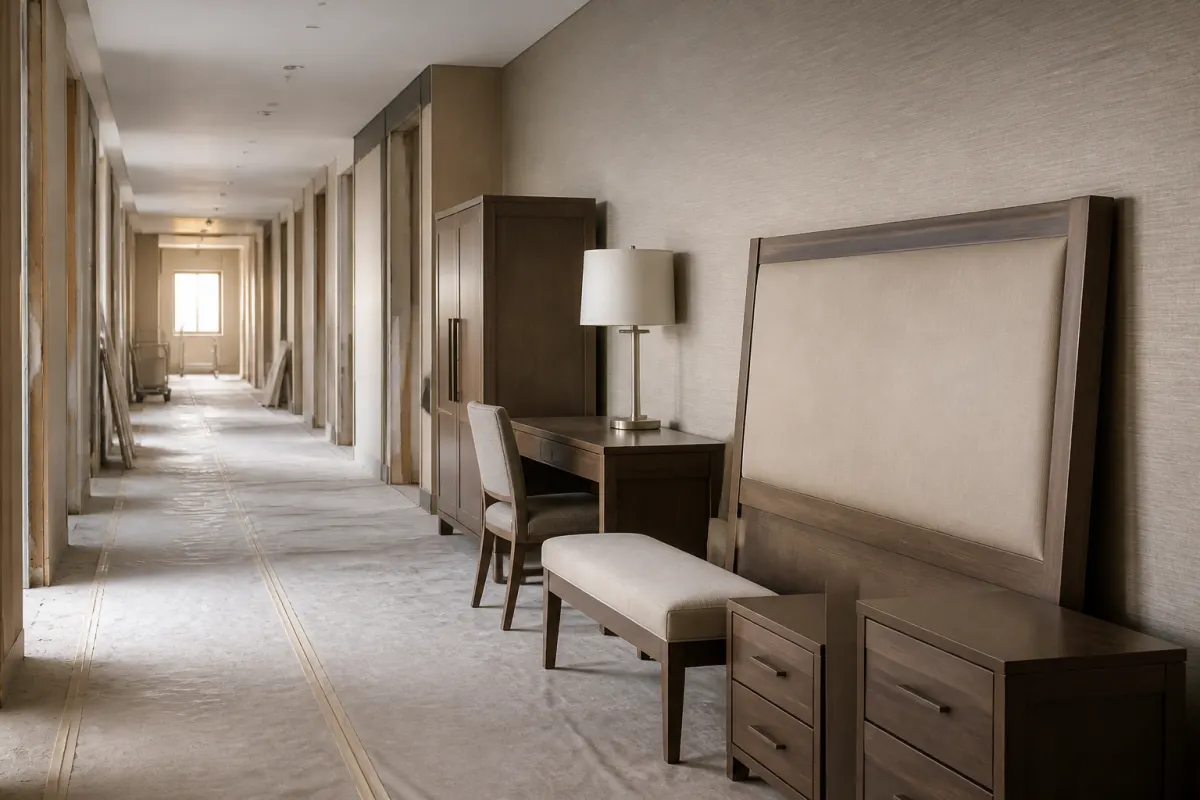
Inspect upholstery, cushions and any mechanisms separately from casegoods. A partial room refresh may be appropriate when those components need attention first, but timing should follow inspection and the actual product documentation.
Lobby and public space furniture
Assess lobby seating against its observed occupancy, cleaning and food or drink exposure. High visibility may also create a design-refresh requirement. There is no universal five to eight year replacement cycle for lobby furniture.
Because lobby furniture is highly visible and central to a brand's first impression, many properties refresh lobby seating on a brand standard cycle independent of whether the furniture has failed structurally, treating it as much as a design refresh as a replacement need.
Restaurant and F&B furniture
Record turnover, spills, cleaning chemicals and handling in each F&B area. Inspect chairs, stools and booths by component. A welded frame or commercial upholstery label does not establish a three to five year attention or replacement window.
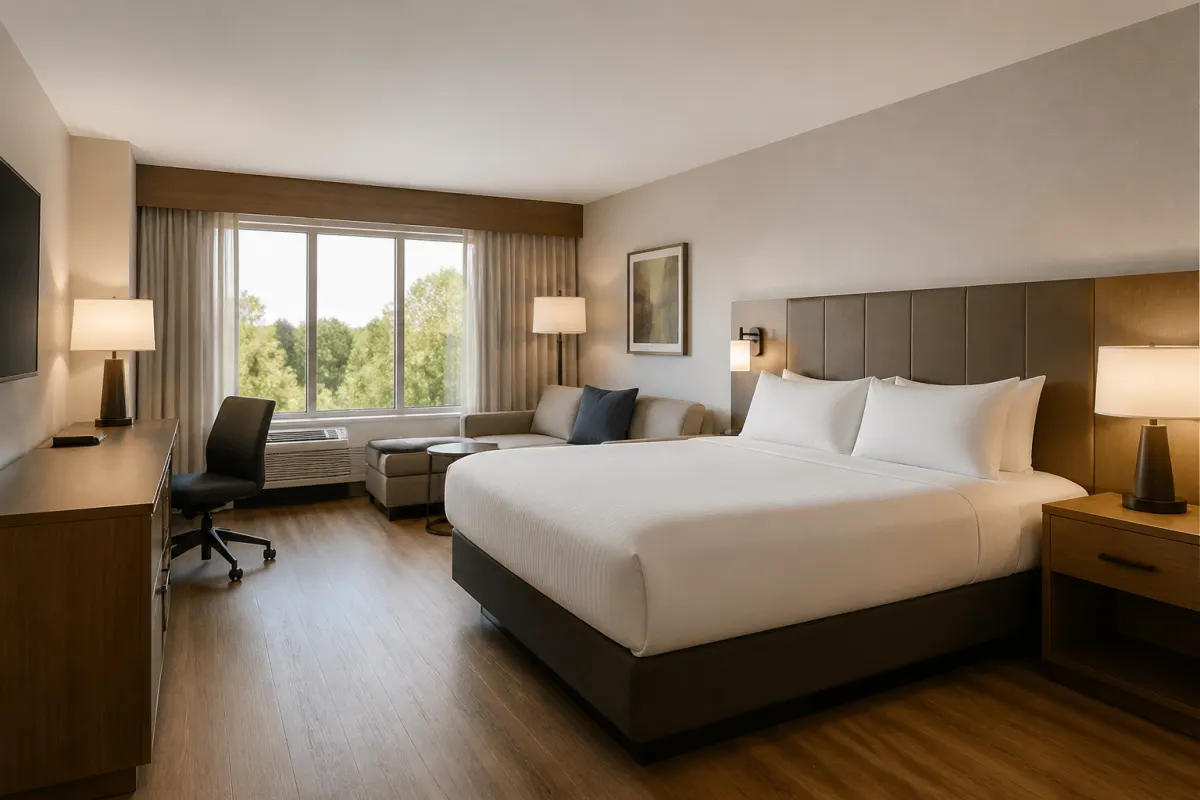
Inspect booth cushions, upholstery, attachment and support as well as the visible surface. Ask the manufacturer or qualified repair provider how concealed components are assessed and what repairs are suitable.
Brand standard refresh clocks
Confirm the current property improvement plan and brand refresh milestones in writing. These may require a design refresh independent of physical failure; a ten-year brand clock cannot be assumed across properties.
Independent properties without a brand mandate have more flexibility here, and can set replacement cycles based on actual condition and contact frequency rather than a portfolio wide standard. That flexibility is an advantage if it is used deliberately, tracking real wear by area rather than defaulting to no schedule at all.
Reserve and capex planning concepts
Build the reserve plan from an area-by-area inventory, condition assessment, current replacement or repair quotes and confirmed project milestones. Model alternative timing scenarios rather than deriving allocations from unsupported category lifespan ranges. Coordinate accounting treatment with the property's advisors.
Extending the cycle without extending past safe use
Compare repair and replacement after a condition assessment. Obtain quotes including transport, downtime and the required work; reupholstery is not always cheaper or a promise of additional years. Remove an unsafe piece from use and seek qualified advice on whether repair or replacement is appropriate.
For the procurement side of a replacement project, our FF&E procurement guide covers the full workflow from specification through installation.
Planning your next cycle
Map furniture by area, age, condition, repair history and target timing. Request a quote with that inventory so independent suppliers can price phased replacement options.