A purchase-order date is only one milestone in FF&E procurement. Include the decisions, approvals, and access planning that must happen before it. The right way to build a procurement timeline is to start at the opening date and work backward, because an urgent date does not create an available production slot or freight booking. Confirm any expedited option in writing rather than assuming it will be available.
Start from opening day, not from today
Pick the date the space needs to be guest ready, then subtract. For an initial scenario, allow one to three weeks for installation, then obtain a scoped crew and access plan to replace that assumption. Before that, freight and any warehousing need time to land and stage. Before that, production needs its full run, for which 10 to 14 weeks can be an illustrative custom-production assumption until the supplier confirms the item and start trigger. Before that, purchase orders need to be issued against a locked specification, and before that, the specification itself needs to be designed, priced, and approved.
Laid out end to end, a four-to-five-month span from locked specification to installation is one planning scenario, longer if any stage gets extended by design changes or slow approvals. Work backward from opening day and you will find out immediately whether your timeline is realistic or already behind.
Stage one: specification
Release each item or phase against an approved specification, with its pieces, fabrics, and finishes defined and signed off. Preliminary bidding and planning can proceed earlier, and approved phases may overlap; record which decisions block each production release. This is the stage most projects treat as flexible because it feels low risk to keep refining. Track which item or phase a changed decision affects, and obtain revised dates; one week of review does not automatically shift every item by one week. Suppliers do not start production against an unconfirmed spec, and they should not, because a change after cutting fabric or casting a base means scrapping work and starting over.

Stage two: bid and value engineering
Once the spec is locked, suppliers price the package and propose alternatives where a comparable piece can hit budget without compromising the guest experience. A two-to-four-week bid period is an illustrative allowance; confirm bidder deadlines, clarification rounds, and approval owners for the actual package. Keep this stage tight. A bid process that drags for months eats directly into the production window that comes next.
Stage three: purchase orders and production
Purchase orders start the production clock, and this is the stage with the least flexibility on the entire timeline. Confirm actual stock and release dates separately. Treat a 10-to-14-week custom-production window as a placeholder until the configuration, approvals, and production commitment are documented. Ask the supplier whether the actual configuration has an available production slot or expedited option, and obtain a revised written date and price if it does. Keep the confirmed standard schedule until that option is accepted.
Stage four: freight and warehousing
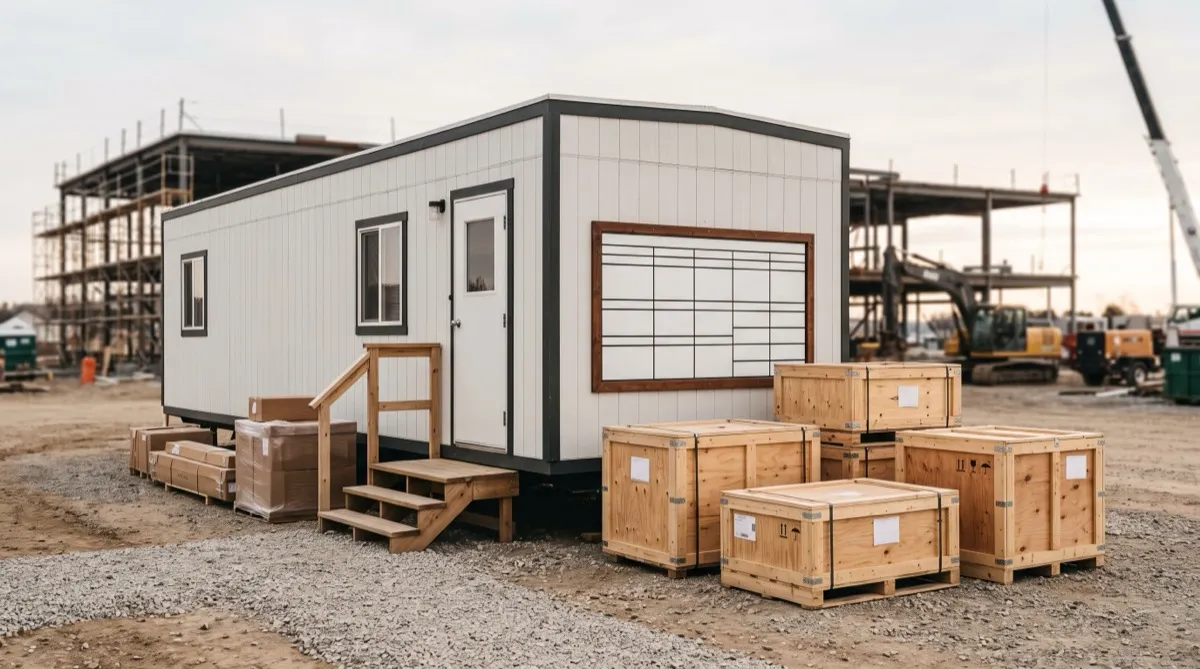
Freight from origin, customs clearance where applicable, and domestic trucking to the site or a staging warehouse add real time on top of production, and that time varies by origin port, season, and current freight capacity. A supplier who can receive and hold inventory until the site is genuinely ready protects the furniture and the schedule, since construction completion dates shift more often than furniture production dates do. Build in a buffer here rather than assuming freight lands exactly on the day construction promises to be done.
Stage five: delivery and installation
The final stage is where a mismatch anywhere upstream becomes visible on site. Installation needs a receiving plan: loading dock access, elevator dimensions and reservations, and staff to move pieces floor by floor or phase by phase without disrupting other trades still finishing the space. Ask for installation priced as part of your quote rather than estimated separately after delivery, so the number reflects your actual site conditions instead of a generic average.
Where timelines actually slip
Track three dependencies that can affect the schedule: Specification changes made after purchase orders are placed force a restart on the affected pieces, sometimes taking the full production window with them. Custom sample approvals sit waiting on someone's desk for weeks while the production slot they were reserving closes. And freight arrives before the site is ready to receive it, or after the install crew has already been scheduled and released.
None of these are exotic problems. They are calendar management problems, and the fix in every case is locking decisions earlier and coordinating hard dates across design, procurement, and construction rather than treating each as a separate track.
Building your own backward calendar
Take your target opening date and lay out the five stages against it using realistic durations for your project size: specification, bid and value engineering, purchase order and production, freight and warehousing, delivery and installation. If the resulting start date for stage one is already in the past, that is the finding you needed now rather than discovering it as a missed opening date later. For restaurant and food and beverage programs specifically, where turn times and daily cleaning cycles push toward a heavier duty specification than guest room furniture, use hotel key count, property tier, and new-build or renovation scope in the FF&E budget calculator for a hotel-wide allowance. Confirm restaurant furniture quantities and prices in an itemized quote; the calculator does not model covers or turnover.
See our full breakdown of commercial furniture lead times for how production windows vary by category, and our FF&E procurement guide for the full workflow this timeline sits inside.
Consolidate to protect the schedule
Reducing handoffs can simplify coordination, provided responsibility remains clear. A consolidated supplier can reduce handoffs if those services are included, while a multi-supplier package needs explicit coordination owners. In either case, record approvals, production releases, freight bookings, site readiness, and installation dependencies in the same calendar. Request a quote with your target opening date and item list and we will build the production and freight timeline against your actual date rather than a generic estimate.