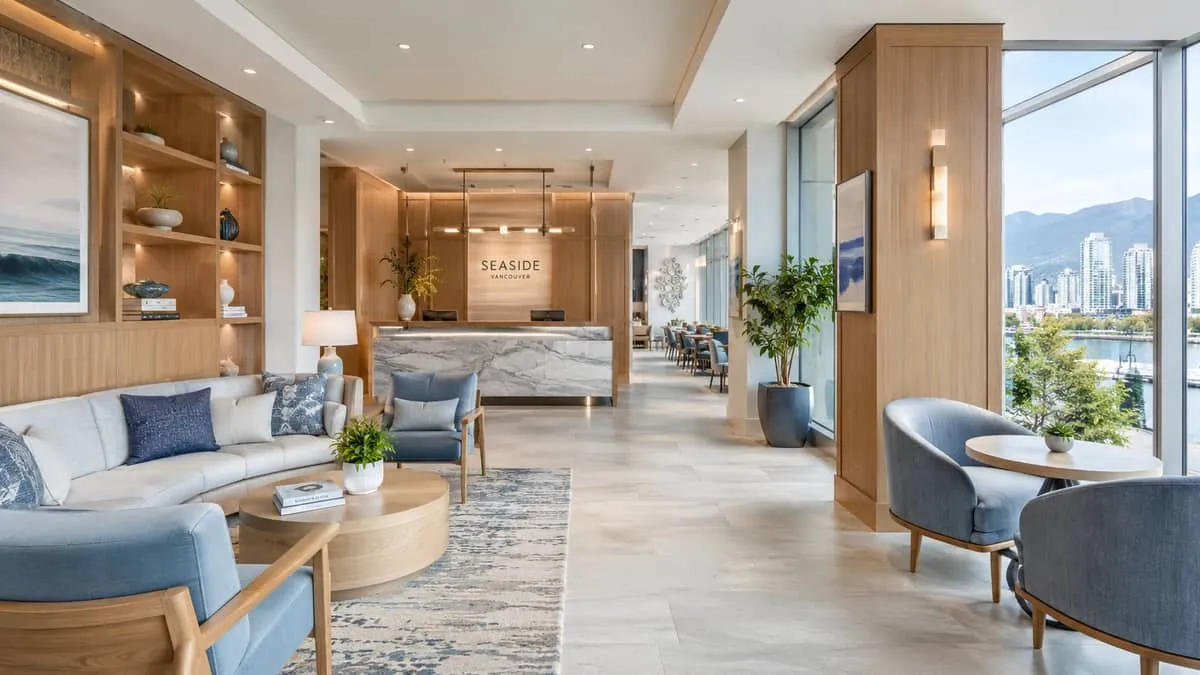
Vancouver is in the middle of one of the most consequential build cycles in its hospitality history. New boutique hotels are pushing into under-supplied corridors , Gastown's heritage blocks, the eastern edge of Yaletown, stretches of Main Street that didn't register on hotel flags five years ago. At the same time, established properties along Coal Harbour and near Canada Place are undertaking full flag renovations to stay competitive for Asia-Pacific bookings, a market segment where the baseline expectation for finishes, materiality, and furniture quality is exceptionally high. For any developer, owner, or operator running one of these projects, FF&E procurement is where the design vision either becomes real or unravels. And in Vancouver specifically, the procurement process has pressures that most generic buying guides don't account for.
Vancouver's Development Pipeline and What It Demands from Procurement
The current wave of boutique hotel builds in neighborhoods like Gastown and Strathcona isn't happening in a vacuum. These projects are responding to sustained compression at the upper end of the market , Vancouver regularly posts the highest average daily rates in Canada, and leisure and business travelers arriving from Asia-Pacific bring expectations shaped by properties in Tokyo, Singapore, and Hong Kong. That context changes what FF&E procurement has to deliver.
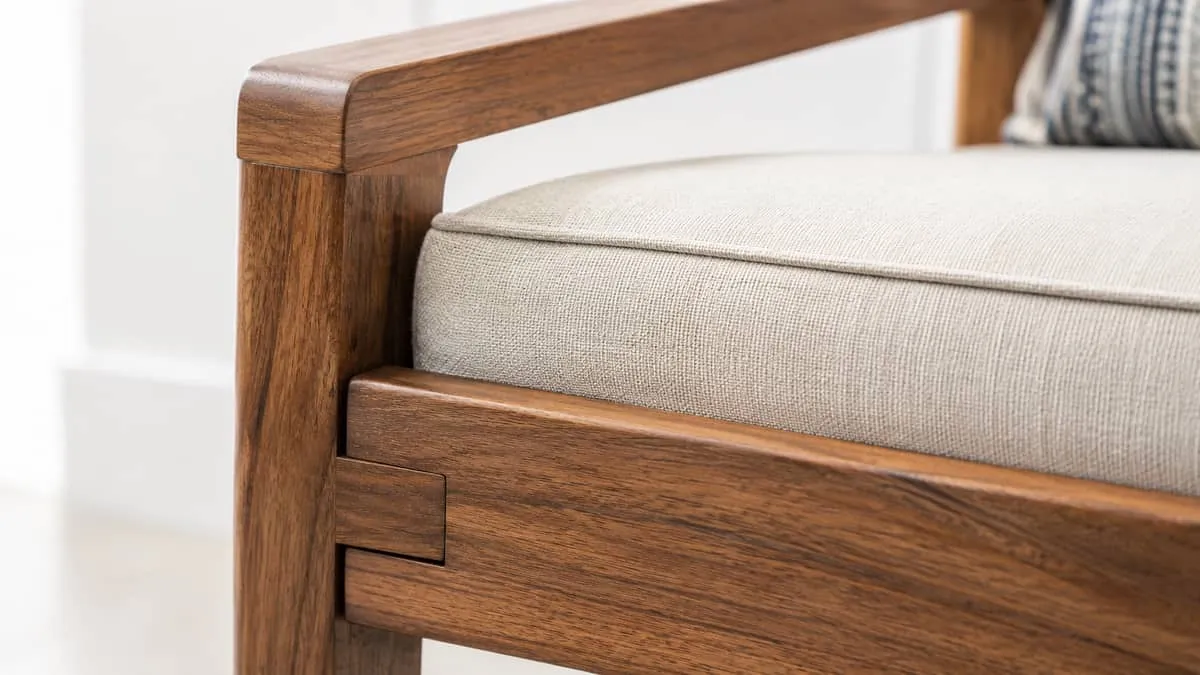
It isn't enough to source durable contract goods at a reasonable price point. The furniture, lighting, and fixtures in a new Coal Harbour boutique or a renovated Yaletown hotel need to read as design-literate to a guest who has stayed at the Aman Tokyo or the Capella Singapore. That means materials matter , real wood veneers over MDF composites, visible joinery that holds up under scrutiny, upholstery in performance fabrics that look considered rather than merely washable. It also means that the specification process needs to happen in close collaboration with the interior design firm, because the margin between "high-spec" and "luxury" in this market is often in the details that only careful sourcing can protect.
For flag renovations competing for Asia-Pacific share, there is additional complexity. Brands impose their own procurement standards, preferred vendor lists, and prototype room sign-off requirements. Meeting brand standards while satisfying the local design direction of a Coal Harbour property , one where the waterfront views and West Coast materials palette are part of the guest value proposition , requires procurement experience with both the brand side and the independent design side of the Vancouver market.
FF&E vs OS&E: Why the Distinction Drives Your Timeline
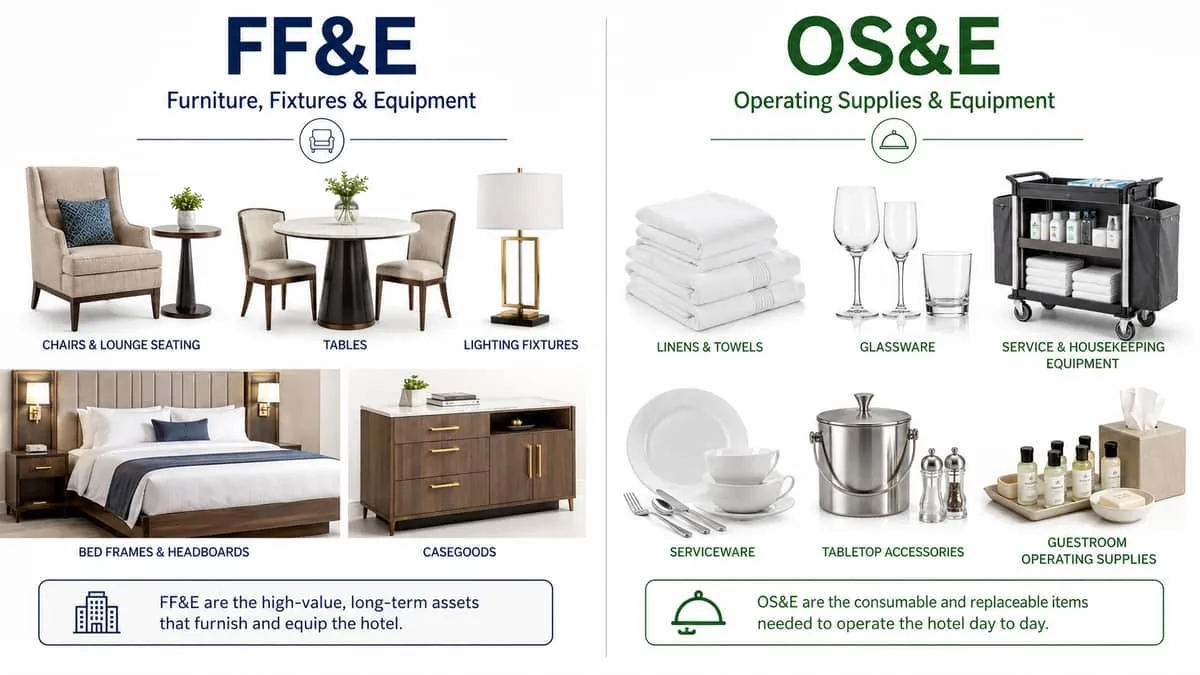
Before any sourcing conversation begins, the scope has to be clearly defined. FF&E covers everything not physically attached to the building: guestroom beds, chairs, case goods, dining tables, lounge seating, lobby fixtures, lighting pendants, mirrors, artwork. OS&E , Operating Supplies and Equipment , covers the operational layer: linens, cutlery, glassware, housekeeping carts, kitchen smallwares.
These categories are typically budgeted separately and sourced through different channels, and conflating them early in the planning phase is one of the most consistent mistakes we see on Vancouver projects. FF&E procurement has to be initiated first because the lead times are long and they set the floor for everything else on your schedule. OS&E sourcing is faster and can follow once the FF&E program is locked.
For a 60- to 80-room boutique hotel in Gastown or Yaletown with a high-finish mandate, FF&E budgets realistically run between CAD $2 million and $4.5 million depending on the level of custom work. A full dining room build-out in a design-forward Gastown restaurant , the kind that needs to hold its own visually against the neighborhood's existing high-profile spots , might see FF&E in the $500,000 to $1 million range for a 60-cover space. These are not numbers to work backward from. They're starting points that need to be stress-tested against the actual specification.
The Timeline Reality for Compressed Vancouver Construction Schedules
Vancouver construction timelines are already under pressure. Permitting in the city runs long relative to other Canadian markets, trade availability is constrained, and boutique projects in heritage districts like Gastown face additional compliance layers. When construction is already compressed, FF&E procurement cannot be treated as a later-phase task.
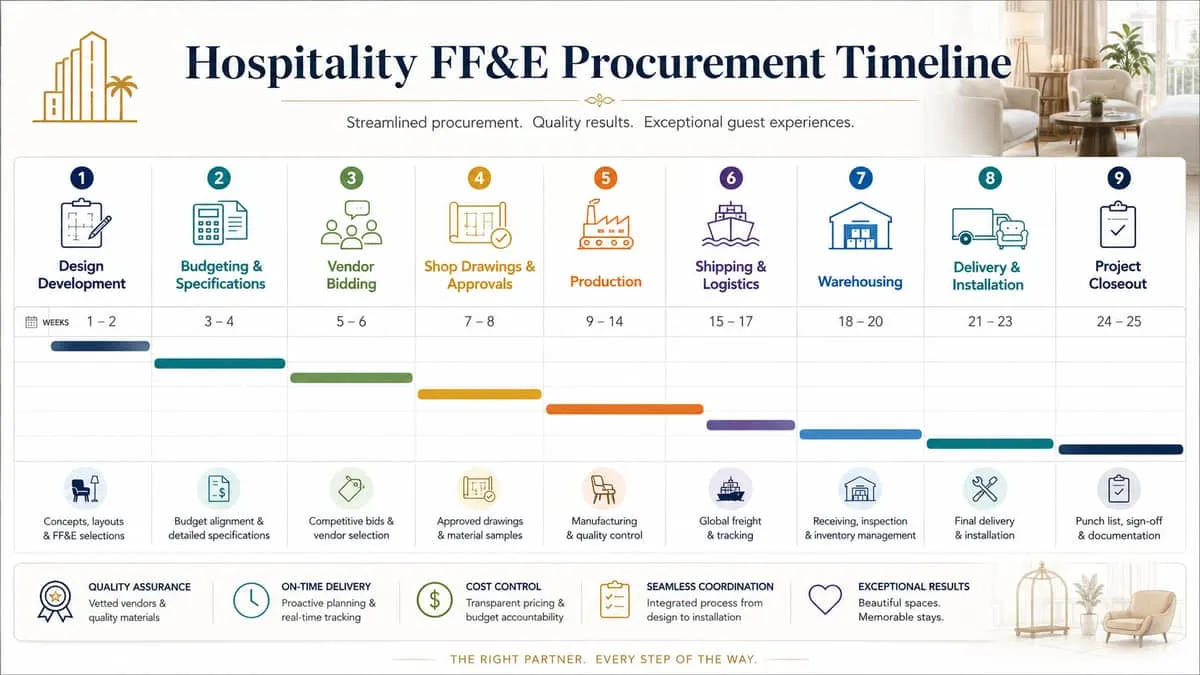
A realistic procurement timeline from design sign-off to furniture installed on site looks like this. Design development and specification: four to eight weeks, depending on how much custom or semi-custom work is involved. Vendor sourcing, quoting, and purchase order execution: six to ten weeks. Manufacturing lead times: 12 to 20 weeks for North American contract manufacturers, 16 to 26 weeks for offshore production. Freight, customs, and warehousing: three to six weeks on top of that.
Total: you are looking at seven to ten months from design sign-off to installation. On a project where the general contractor is already working a tight schedule, that means FF&E specification needs to start in parallel with construction documentation , not after permits clear, not after the GC is mobilized, but concurrently with design development.
Vancouver's status as a Pacific gateway creates one genuine advantage in this equation. Design firms and procurement agents with established sourcing relationships in China, Japan, South Korea, and Taiwan can sometimes access custom capabilities and compressed production schedules that aren't available through standard North American channels. The city's trade infrastructure , port access, air freight capacity, customs brokers experienced with furniture imports , supports this. If your project calls for custom case goods or architectural-scale lounge furniture with materials or construction standards not available domestically, Vancouver is better positioned than most Canadian cities to execute that sourcing efficiently.
Coordinating Multiple Vendors on a High-Spec Vancouver Property
One of the underappreciated complexities of FF&E procurement for a full hotel build or renovation is the number of separate vendor relationships running simultaneously. A 70-room boutique property might draw from eight to fifteen suppliers across guestroom seating, case goods, beds and headboards, lobby lounge furniture, restaurant and bar seating, outdoor furniture for a rooftop or terrace, lighting, mirrors, and custom millwork. Each of those suppliers has its own lead time, quality control process, shipping terms, and invoicing schedule.
Managing that simultaneously is not a design task , it's a supply chain task. For Vancouver projects, the most functional model we see is a clear division between the interior design firm and a dedicated procurement agent or purchasing office. The designer specifies and selects; the procurement agent manages vendor accounts, purchase orders, QC inspections, freight coordination, and delivery scheduling. This separation keeps your designer focused on the work they do best and puts someone with logistics experience in charge of the execution.
Vancouver has a strong community of interior design firms , firms that have worked on properties like the Fairmont Pacific Rim, boutique builds in Gastown, and high-end restaurant openings in Yaletown , and the best of them have established procurement relationships that matter. A procurement agent with an active account at a contract furniture manufacturer gets allocation priority and better lead times than a one-off buyer. On a Vancouver project where you're competing with other developments for the same manufacturing slots and shipping windows, those relationships are a material advantage.
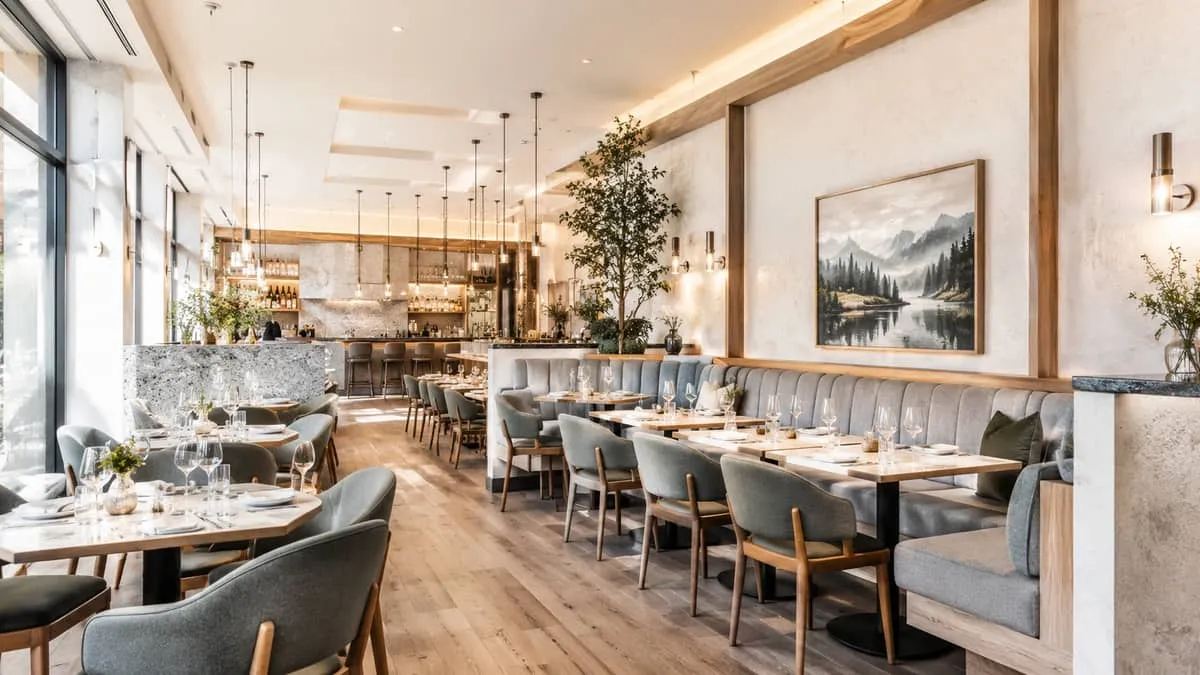
For restaurant projects specifically, the hybrid sourcing model has become standard among Vancouver operators running design-forward dining rooms. Custom millwork for banquettes and built-ins comes from local shops , there are several in Metro Vancouver with strong hospitality track records , while loose seating, tables, and lighting are sourced from contract suppliers. This approach lets you hit the right cost-quality ratio when your dining room needs both tailored architectural elements and furniture that can survive the volume of a full-service Coal Harbour or Gastown restaurant.
Specifying for Vancouver's Asia-Pacific Clientele
Furniture specification for a Vancouver luxury property serving Asia-Pacific guests isn't dramatically different from specifying for any discerning international traveler , but there are emphases worth understanding.
Materiality signals quality to this demographic in specific ways. Solid wood or high-quality wood veneer in guestroom case goods, visible in details like drawer faces and nightstand edges, reads as premium in a way that melamine or vinyl-wrapped MDF does not. Upholstery with visible stitching detail and tight finish tolerances , double-welt seams, consistent piping , communicates craft. These details don't require bespoke custom pricing, but they do require careful specification and a supplier who can deliver consistent quality across a full production run rather than just the sample.
Durability standards matter too, and they translate into specific technical requirements. Seating for a hotel lobby or restaurant in a property running at Vancouver's ADR needs to be specified to contract-grade standards: minimum 100,000 double-rub Wyzenbeek rating for upholstered surfaces, hardwood or steel frame construction with corner blocking and glued and screwed joints, commercial-grade glides and hardware rated for the duty cycle of hospitality use. These aren't aspirational specs , they're the floor for a property that expects to run at occupancy without furniture replacement within the first three to five years.
For outdoor furniture on a Coal Harbour terrace or a Yaletown rooftop , spaces that Vancouver's mild climate makes genuinely year-round usable , the specification requirements shift. Marine-grade aluminum frames, UV-stable synthetic weaves or solution-dyed acrylic fabrics, and powder-coat finishes rated for coastal moisture exposure are the baseline. Vancouver doesn't get the ice and snow loads of inland Canadian cities, but it gets sustained rainfall and marine air that will destroy furniture not rated for the exposure.
What the Full Budget Has to Cover
The line item for furniture purchase price is the most visible number in an FF&E budget, but it consistently underrepresents the actual cost of getting furniture on site and operational in a Vancouver property.
Freight and delivery typically runs 8 to 15 percent of the furniture cost for Vancouver projects, depending on origin point and shipment size. LTL freight from eastern Canada or the US midwest, which is common for smaller custom orders, is proportionally more expensive than full-container offshore shipments. Customs and duties apply to all imported goods, with rates varying by product category and country of origin , a detail that matters when you're sourcing from multiple countries simultaneously. Warehousing fees accumulate when furniture arrives ahead of site readiness, and on Vancouver construction projects, that gap happens more often than anyone plans for. White-glove installation , which is non-negotiable for guestroom builds and most high-spec lobby and restaurant builds , adds labor cost on top.
The industry standard is a 10 to 15 percent contingency on the total FF&E budget, and on Vancouver projects we'd argue toward the higher end of that range. The city's construction market runs hot. Labor is constrained. Timelines slip. A supplier discontinues a finish between sample approval and production run. A container is delayed at port. A piece arrives with damage that requires reorder. These are not edge cases , they're predictable risks on any project of meaningful scale. The contingency exists to handle them without forcing painful substitutions that compromise the design.
Starting Early Is the Only Reliable Strategy
Every Vancouver hospitality project we've seen run into FF&E problems ran into them for the same reason: procurement started too late. The developer was waiting for permits. The designer was waiting for construction drawings to firm up. The owner was waiting for financing to close. Meanwhile, the manufacturing lead time clock was already counting down on the only schedule that mattered , the opening date.
In a market where boutique properties in Gastown and Yaletown are competing hard for the same Asia-Pacific bookings, opening on schedule with the right furniture is not a logistics detail. It's a revenue decision. A property that opens soft , with temporary furniture, incomplete rooms, or mismatched finishes , loses rate and review momentum that takes months to recover. The hotels along Coal Harbour that consistently outperform on ADR are the ones where every element of the guest experience, including the furniture, was specified, sourced, and installed with enough lead time to be right.
If you're in the planning phase of a Vancouver hotel build or renovation, the right time to begin the FF&E conversation is earlier than you think , before the design is fully resolved, before the GC is onboard, before the schedule is locked. The procurement timeline doesn't start when you're ready. It starts when the market and the manufacturers have capacity, and in Vancouver's current development environment, that capacity is not unlimited.
If you are sourcing FF&E for your Vancouver property, the fastest way to real numbers is to tell us what you need. Request a quote with your quantities and timeline.