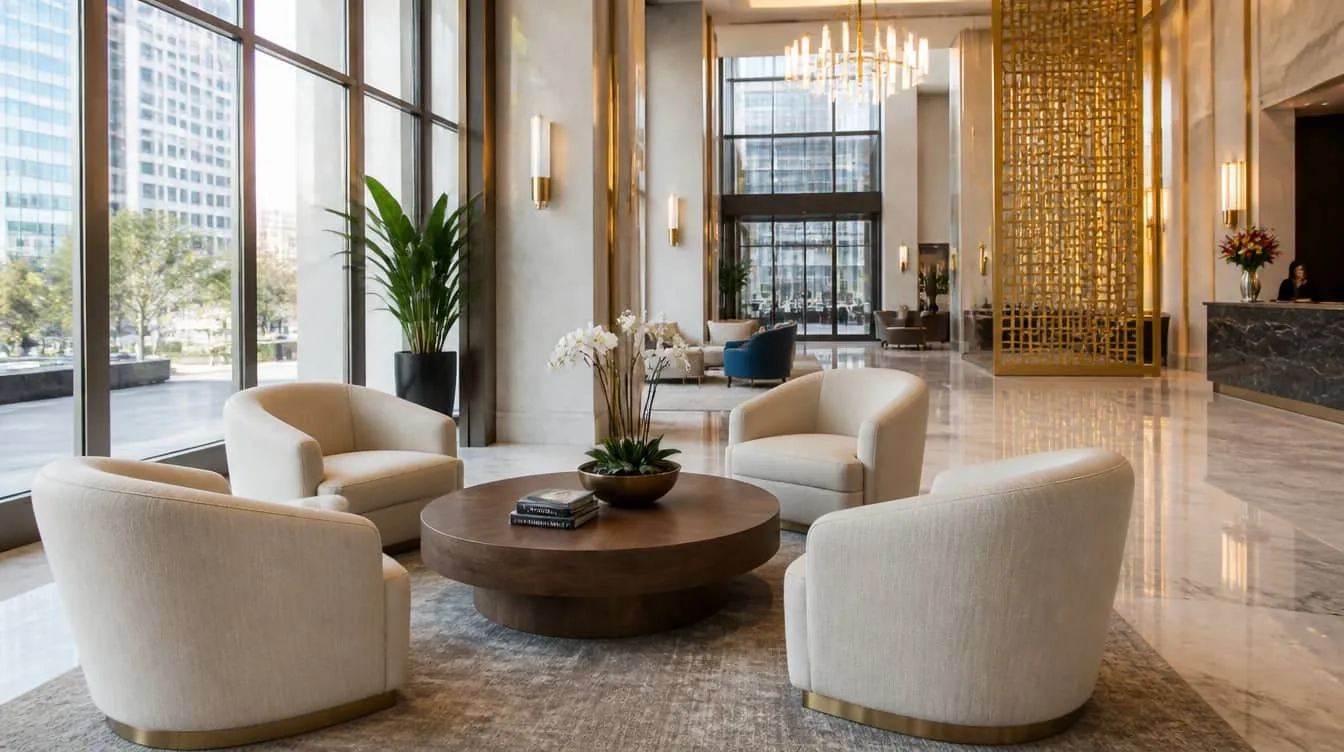
FF&E procurement for a Houston hospitality project is a different challenge than procurement in most other markets, and the difference starts with scale. When a major hotel opens near the Texas Medical Center or in a new mixed-use development along the Galleria corridor, it's not a 120-room boutique. Houston's hotel development economy has been shaped by the demand profiles of oil and gas corporate travel, medical center overflow, and George R. Brown convention business, all of which reward scale. Full-service hotels in the 250 to 500 key range are common, and the FF&E budget for a project at that scale, covering guestroom casegoods, seating, lighting, soft goods, and public space furniture, runs into the millions. Managing that procurement process competently requires systems, experience, and supplier relationships that the scale of the project demands.
The term FF&E covers furniture, fixtures, and equipment, and in a hotel context it typically includes everything from the bed frame and case goods in each guestroom to the lobby lounge seating, the restaurant chairs, the bar stools, the meeting room tables and chairs, and the pool furniture. It does not include the fixed architectural elements, the HVAC system, or the kitchen equipment, but the boundary between FF&E and the construction contract is sometimes unclear and needs to be explicitly defined in any hotel project to avoid procurement gaps. An FF&E item that falls into the gap between what the GC thinks they're providing and what the owner thinks they've ordered can create an opening delay situation that is expensive and completely avoidable.
Houston-Specific Procurement Considerations
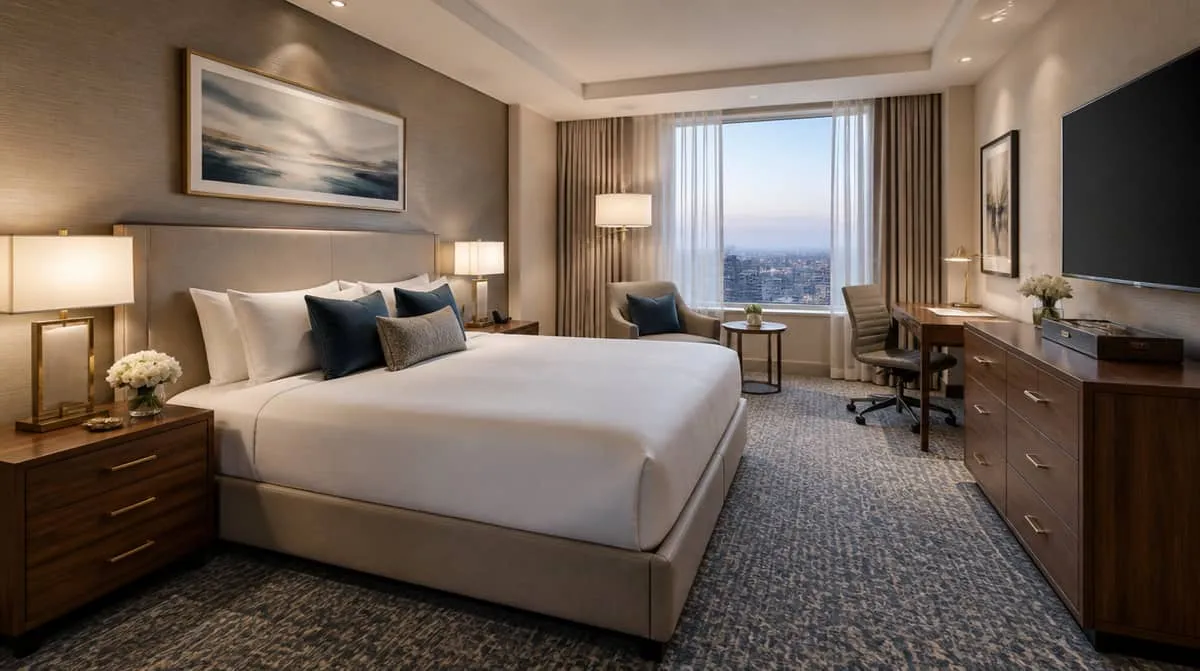
The energy industry's influence on Houston's hotel market shows up in procurement in a few specific ways. Properties in the Energy Corridor on the west side of the city, particularly those targeting extended-stay oil and gas workers and corporate housing guests, need FF&E programs that hold up under longer-term occupancy patterns. Guestroom casegoods in an extended-stay environment take more wear than a typical transient hotel because guests use them as a primary living space, not just a place to sleep before a morning meeting. Storage needs are greater, desk use is heavier, and soft seating in the room gets used for hours rather than minutes. Specifying contract-grade case goods with commercial drawer hardware and solid construction is even more important in this context than it is in standard transient hotel applications.
Properties in the Medical Center corridor face a different durability challenge. Rooms at these properties frequently host family members managing long stays during a hospitalization, and the emotional weight of that situation means guests have less patience for minor maintenance problems. A drawer that sticks, a chair that wobbles, or a desk lamp that doesn't work creates friction during an already stressful stay that a leisure traveler might shrug off. The FF&E program at a Medical Center hotel needs to be built for reliability above all else, with specification decisions that prioritize long-term performance over first-cost savings.
Managing the Procurement Process for Large Houston Projects
For a Houston hotel project of meaningful scale, FF&E procurement typically works through either an owner's representative who manages the process on behalf of the hotel owner, an interior design firm that provides procurement services as part of their engagement, or a dedicated FF&E procurement company that specializes in hospitality projects. Each model has tradeoffs. The design firm model gives you integrated design and procurement decision-making but can create budget pressure if the design vision runs ahead of the owner's cost tolerance. The dedicated procurement model offers cost discipline and vendor leverage but requires clear design documentation to be effective.
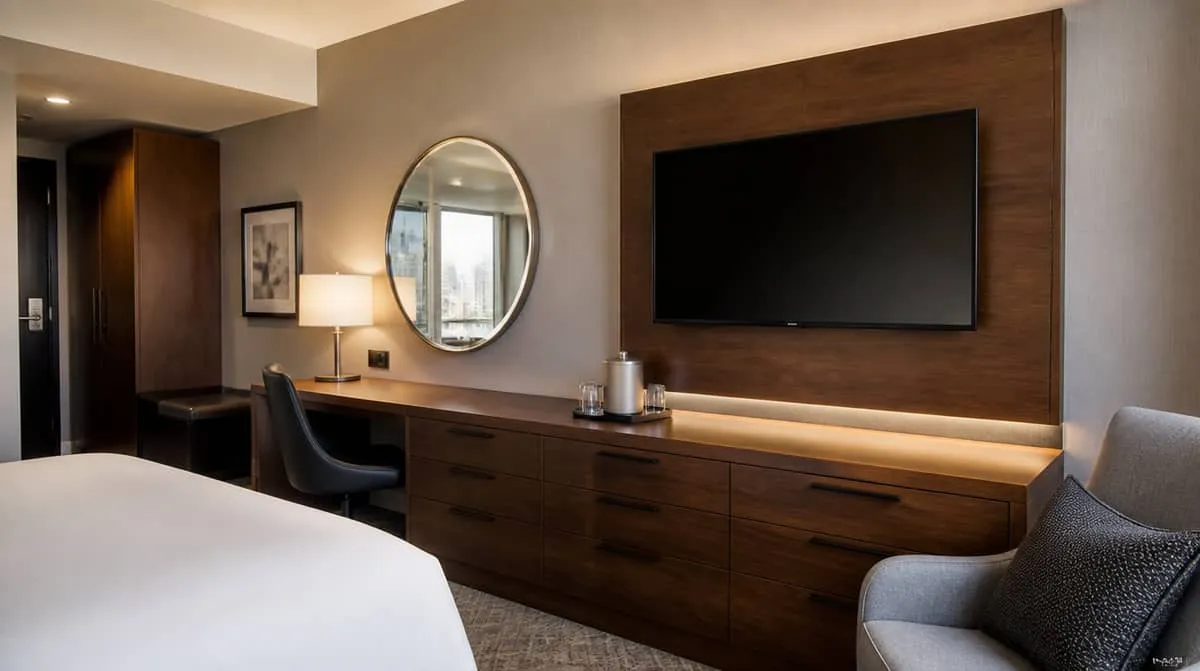
Regardless of the procurement model, several operational practices separate well-run Houston hotel FF&E projects from the ones that produce delays, cost overruns, and post-opening quality problems. Budget by category before you go to market, not as a single lump sum, because furniture categories have very different market dynamics and a single-number budget obscures where you have flexibility and where you don't. Confirm lead times with every supplier before you place orders, not after; Houston's active construction market means factory capacity is genuinely constrained at times, and a late order can push back an opening by weeks. Build a delivery and installation coordination plan that accounts for the realities of getting large furniture deliveries into a building that may still have construction activity on other floors.
Procurement documentation is where many Houston hotel projects create problems that surface months later. A furniture specification that clearly identifies manufacturer, model number, COM fabric selection, finish specification, and quantity for every line item is the baseline. Without that documentation, a reorder two years after opening may result in furniture that doesn't match the original program, either because the product has been revised, the finish option has been discontinued, or the specification details weren't recorded accurately at the time of order. Good procurement documentation is not overhead; it's infrastructure for the ongoing operations of the property.
Vendor Selection and Relationship Management
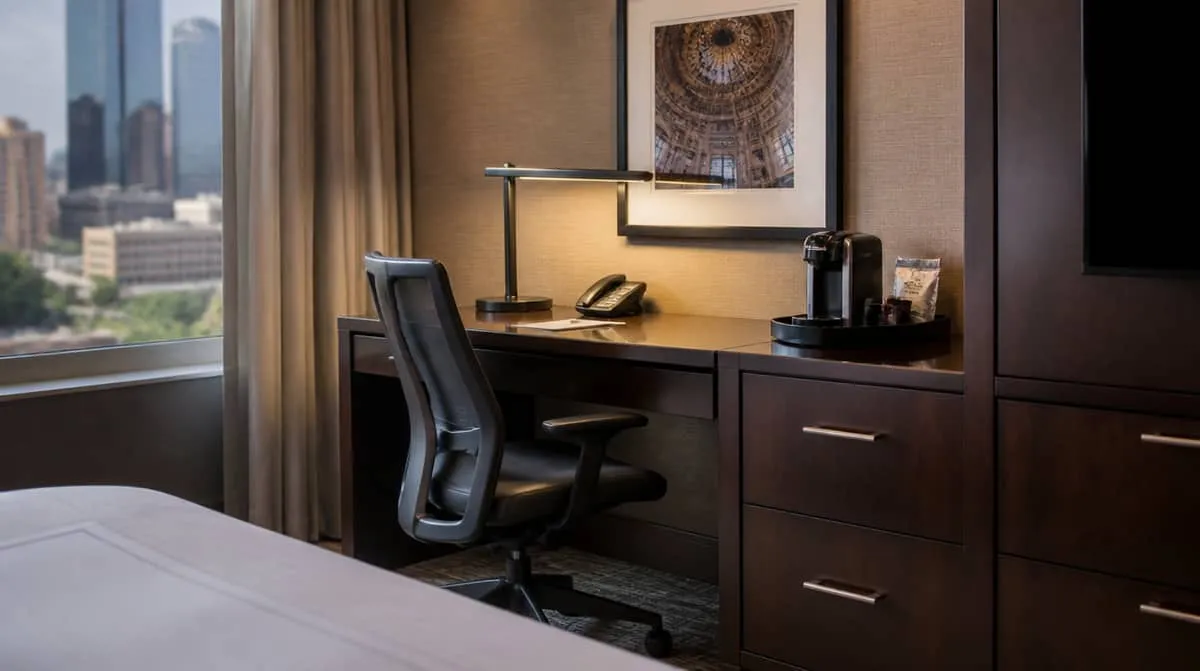
Houston's commercial furniture market has enough supplier depth that you have real options, but not all commercial furniture suppliers are equally prepared for large-scale hospitality procurement. Ask prospective suppliers about their experience with comparable Houston projects, their factory relationships across the specific categories you're buying, their ability to stage and hold product if your installation schedule requires phased delivery, and their process for handling quality claims on delivery. A supplier who has navigated the logistics of a large Houston hotel opening understands things that a supplier who hasn't simply doesn't, and that experience has practical value when things don't go exactly as planned.
Every Houston venue has its own volume, layout, and turnaround demands, and FF&E pricing follows from those specifics. Request a quote and we will scope it to your project.