
Installation is the last mile of FF&E procurement, and it's the phase where a well-run project either lands cleanly or turns into a scramble in the final weeks before opening. Everything upstream, specification, bidding, purchase orders, production, freight, has been building toward a window that's usually shorter and more compressed than anyone planned for. Managing it well is a project management discipline, not just a delivery event.
An FF&E installation project manager coordinates five things that must agree before the crew arrives: the construction handoff, confirmed freight dates, site access, room-by-room sequencing, and a punch-list process with named owners. If any one remains vague, the opening schedule absorbs the delay.
Who owns what during install
A hotel or venue install can involve the general contractor, installer, supplier, and an owner’s project manager. Their responsibilities depend on the contracts, so assign each task and decision before booking the crew rather than assuming a default division or ranking one issue as the largest delay source.
Use the project agreements to assign site readiness and construction punch items, furniture unpacking and assembly, placement, debris removal, product claims, and shipment coordination. These tasks may sit with the general contractor, installer, supplier, or another appointed party. Record the scope and escalation owner for each.
One company may cover supplier and installer roles, while another project may use several organizations. In either case, name the person responsible for the overall installation schedule and confirm who provides the item, room, delivery, and access information needed to maintain it.
Site readiness: the gate that determines everything
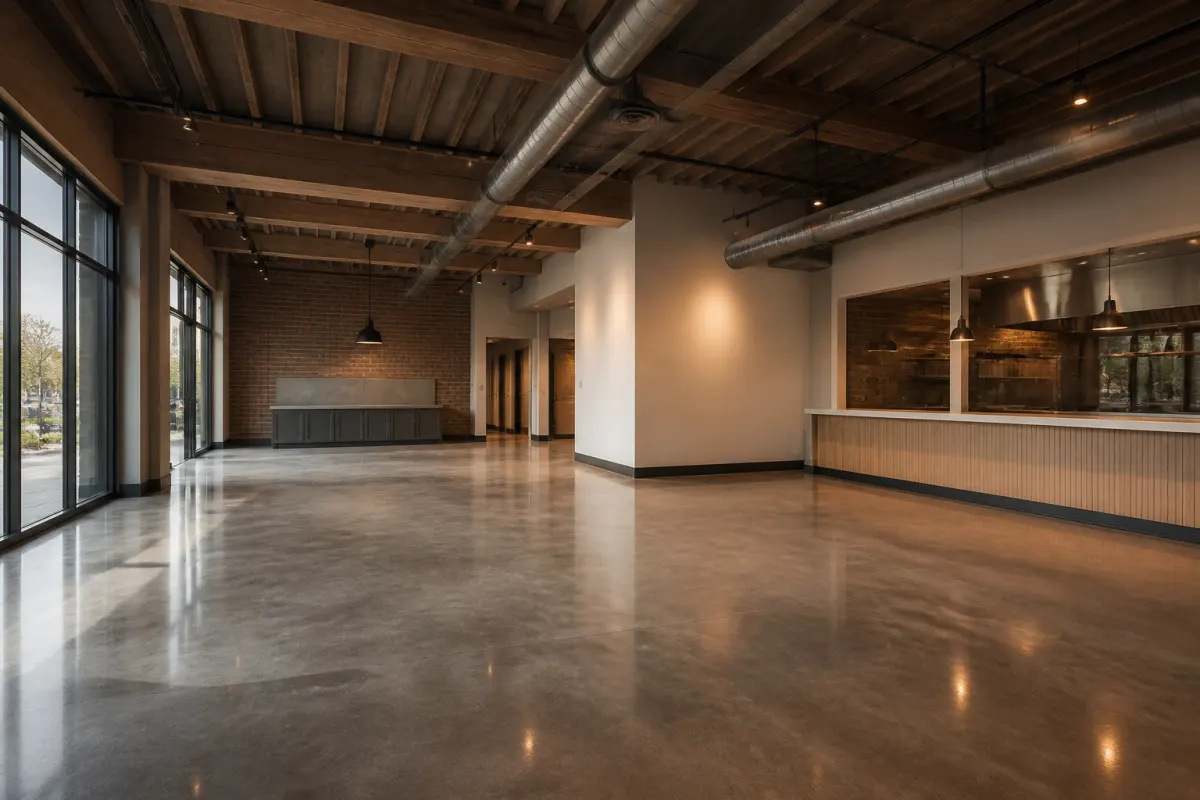
Furniture installation cannot start until a space is genuinely ready, and "genuinely ready" means more than the walls being painted. It means final cleaning is done, other trades (electrical, flooring, window treatments) have finished work in that specific space, and there's a clear path to move furniture in without damaging finished surfaces.

A floor can appear ready on a construction schedule while trades are still working in individual rooms. Confirm site readiness room by room or floor by floor before committing a crew to the date. Agree how readiness is accepted and what schedule margin is available if that acceptance slips.
Sequencing the install
Large projects install in phases, floor by floor, wing by wing, or room type by room type, rather than all at once. Sequencing should follow the construction handoff schedule, not an arbitrary preference, since installing ahead of a floor's construction completion risks damage to finished furniture from ongoing work nearby.
Within a room or space, a sensible install order moves from largest and most fixed pieces to smallest and most mobile: casegoods and fixed furniture first, then soft seating, then accessories and smallcase items last. This minimizes the chance of damaging a delicate piece while larger furniture is still being maneuvered into place.
For public spaces, restaurants, lobbies, and event rooms, coordinate install timing around any other active bookings or events in adjacent areas. A lobby install with guests walking through mid-project creates both a safety issue and a poor first impression if the property is otherwise operating.
The punch list process
A punch list is the running record of everything not yet correct: damaged pieces, missing components, wrong finishes, incomplete assembly. Start it on day one of install, not at the end. Waiting until the full install is complete to document issues means early problems get forgotten or misattributed by the time anyone circles back.
Assign clear ownership to each punch item as it's logged: is this a supplier replacement issue, an installer rework issue, or a GC site-condition issue. Photograph every punch item at the time it's identified, with location and piece reference, so resolution doesn't depend on memory.
Track punch item resolution against a real deadline, tied to the opening date, not left open-ended. An unresolved punch list with no closing deadline tends to linger well past opening, which becomes a permanent low-grade problem rather than a short final push.
Common install delays and how to avoid them
Review both freight arrival and site readiness against the booked crew dates. A purchase-order date does not establish a delivery window, and a construction milestone does not establish clear installation access. Define who updates the schedule when either changes; this guide has no project data establishing which causes the most delays.
Check that the itemized shipment includes the required hardware and assembly components. Confirm the shipping arrangement with the supplier and give installers the manufacturer’s assembly instructions before work begins.
A less obvious delay source is conflicting schedules between trades still finishing a space and the install crew arriving on the date originally booked. Building a short communication loop, a daily check-in between the GC's site superintendent and the install lead during the final two weeks before a target date, catches these conflicts early enough to shift a crew's schedule rather than showing up to a space that isn't ready.
Staffing the install crew correctly
Match crew size, skills, handling equipment, and manufacturer instructions to the actual pieces and access route. Casegoods and large upholstered furniture may require different resources from accessories and final presentation work. Establish those requirements with the installer rather than assuming a generic headcount or a documented ranking of handling damage versus defects.
Consider separate crews for independently ready restaurant, lobby, and guest-room areas when the access routes, equipment, and supervision can support parallel work. Test that sequence in the project schedule; additional crews do not shorten a constrained shared dock, elevator, or unfinished space.
Sourcing and lead times
Align installation with the confirmed production, freight, receiving, and site-readiness milestones. The published FF&E procurement example reserves the final one to two weeks for install and punch work. That is a planning allowance, not evidence that your piece count, access, crew resources, and replacement needs will fit it.
Request a quote with the opening date, piece schedule, access, elevators, receiving and storage conditions, and phasing needs. Ask independent suppliers and installers to document the services, schedule assumptions, and responsibilities included in their proposals.
Related reading
Our take
Plan any attic stock during the original order, using the repair needs, visibility, storage capacity, and cost of the selected pieces. Fabric and finish lots can differ, so record the approved batch and ask about same-batch spares and future reorder terms. Stored spares can also age differently from installed furniture; compare them before use rather than promising that a replacement will be invisible or that a later order will differ at a particular month.
The bottom line: Decide whether spares belong in the original order, record the batch, and confirm storage and repair requirements. Check the replacement against the installed finish before use; neither same-batch stock nor a later reorder guarantees an exact visual match.