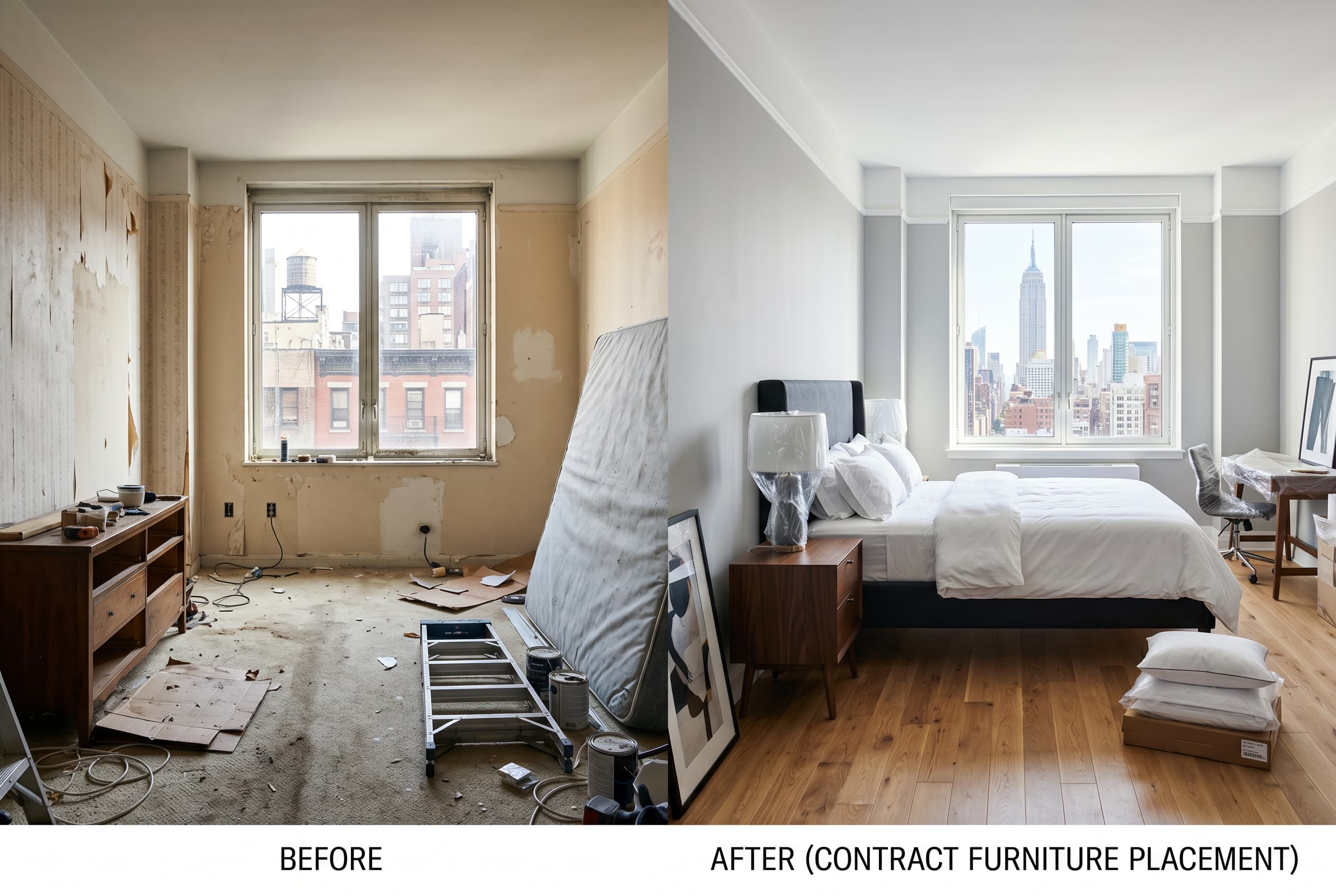
Stamford has a shorter runway than most markets for commercial patio furniture, and that changes the math on what to buy. Connecticut's coastal climate gives you a usable outdoor season that really runs from late April through October, bracketed on both ends by genuine cold. Restaurants and hotels along the harbor and around the downtown corridor do not get the luxury of amortizing a patio program over eight warm months. They get roughly six, which means the furniture has to work hard while it is out, survive being staged and stored through the cold months, and still look sharp when the spring corporate travel season and summer waterfront crowds bring guests back outside.
The Seasonal Reality Driving Purchasing Decisions
Every commercial patio purchase in Stamford is really two decisions: what performs well outdoors during the season, and what survives storage or winterization during the months it does not. Frame materials matter enormously here. Powder-coated aluminum and commercial-grade resin wicker resist the coastal humidity and temperature swings that break down lower-grade materials within a season or two. Steel frames without proper coating rust faster near the harbor than they would inland, so finish quality is not a cosmetic detail, it is a durability requirement.
Harbor-district properties dealing with direct waterfront exposure need furniture rated for higher wind and moisture conditions than a downtown property set back from the water. UV-stable fabrics and cushions that resist fading and mildew are worth the upfront cost difference over standard outdoor fabric, especially for properties that leave furniture out through the full season without daily cushion storage.
Weight, Storage, and the Off-Season Question
Because the outdoor season here is short, storage logistics matter as much as the furniture itself. Stackable chairs and folding tables reduce the labor and space required to move a patio program indoors or into a storage area every fall, which is a real operational cost most operators underestimate when they first buy. Ask your supplier directly about stacking height, weight per piece, and whether the frame finish is rated to handle repeated seasonal handling without chipping or scratching.
Side chairs and tables built on a commercial outdoor specification, rather than residential patio furniture rated only for occasional light use, hold their finish and structural integrity through multiple seasonal cycles. That matters more in a climate like Stamford's, where furniture goes through a full freeze-thaw cycle every year even if it is stored indoors during the coldest months.

Ordering Timeline for a Short Season
Because the outdoor season is compressed, timing your order matters. Standard lead times for commercial outdoor furniture run 8 to 14 weeks domestically, and ordering in late winter for a spring opening is the difference between having your patio ready for the first warm weekend and missing several weeks of a season that is already short. Properties that wait until April to start sourcing frequently end up settling for whatever is in stock rather than the specification that actually fits their space.
Working With the Right Supplier
Look for a supplier who understands coastal Connecticut conditions specifically, not just generic outdoor furniture experience. Ask what frame and fabric combinations they recommend for harbor-adjacent exposure versus a more sheltered downtown location, and ask about their track record delivering to the region before the season starts rather than after it has already begun.
When you know your seat count, space dimensions, and target opening date, request a quote with those specifics so pricing reflects your actual patio program.