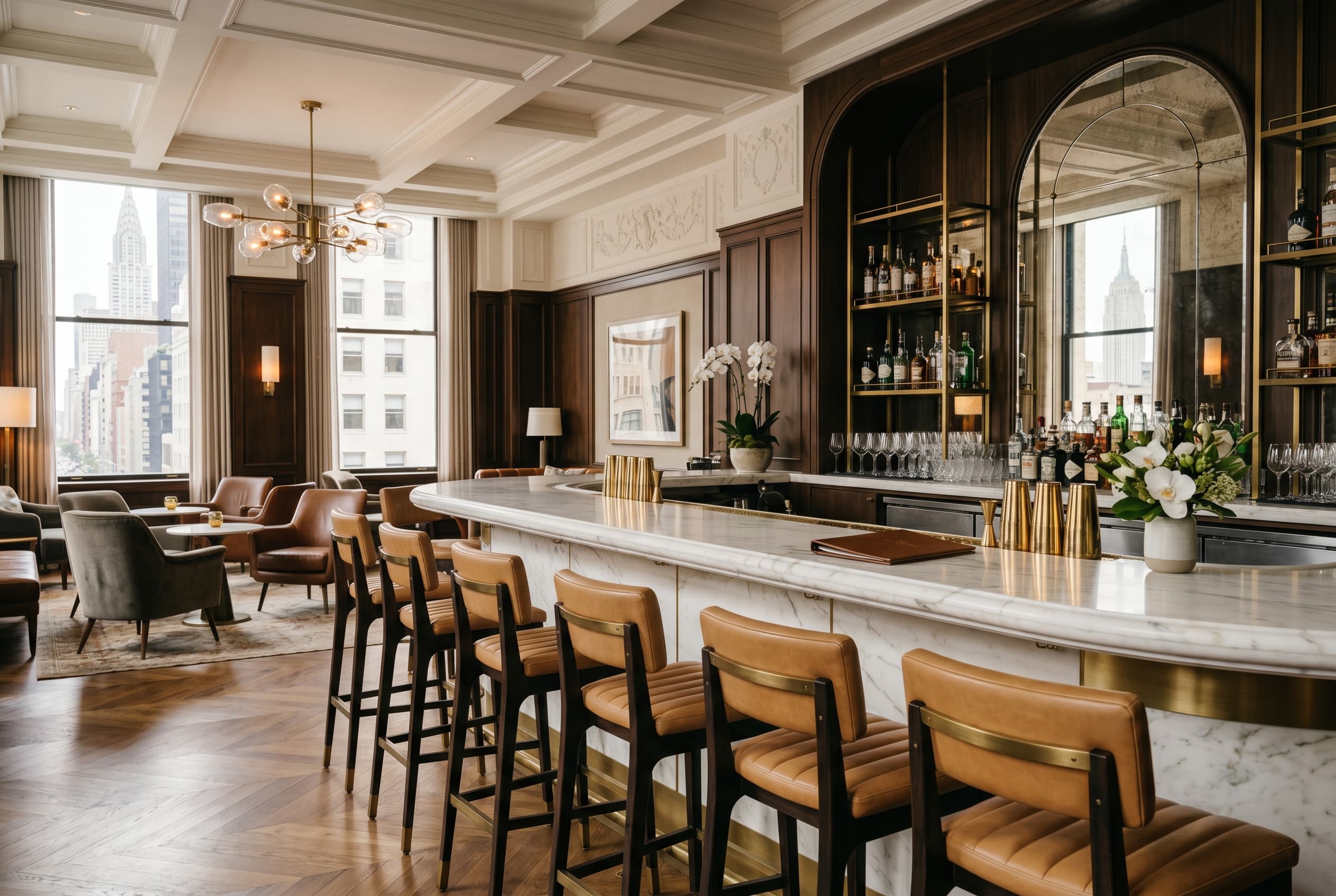
Stamford's boutique hotel market is small but competitive in a way that surprises operators moving in from other regions. You have properties near the harbor district competing against a wave of new mixed-use development for the same design-conscious traveler. You have downtown boutiques courting corporate guests who could just as easily book a chain property near their headquarters office but want something that feels more considered. And you have the constant backdrop of proximity to New York, which means guests are comparing your property, whether fairly or not, to what they could find in Manhattan for a similar rate. If you are sourcing boutique hotel furniture in Stamford, the core challenge is the same across all of them: contract-grade construction, smaller order quantities, and an aesthetic that reads as intentional rather than assembled from a catalog.
The Design Standard This Market Demands
A boutique property near the harbor is not competing on room count or brand recognition. It is competing on the first impression a guest gets walking through the lobby, and increasingly that guest has stayed somewhere design-forward recently and knows the difference between furniture chosen with intention and furniture chosen from a standard hospitality catalog. That does not mean custom everything. It means every piece, from lobby seating to guest room casegoods, needs to look deliberate while still surviving commercial use cycles.
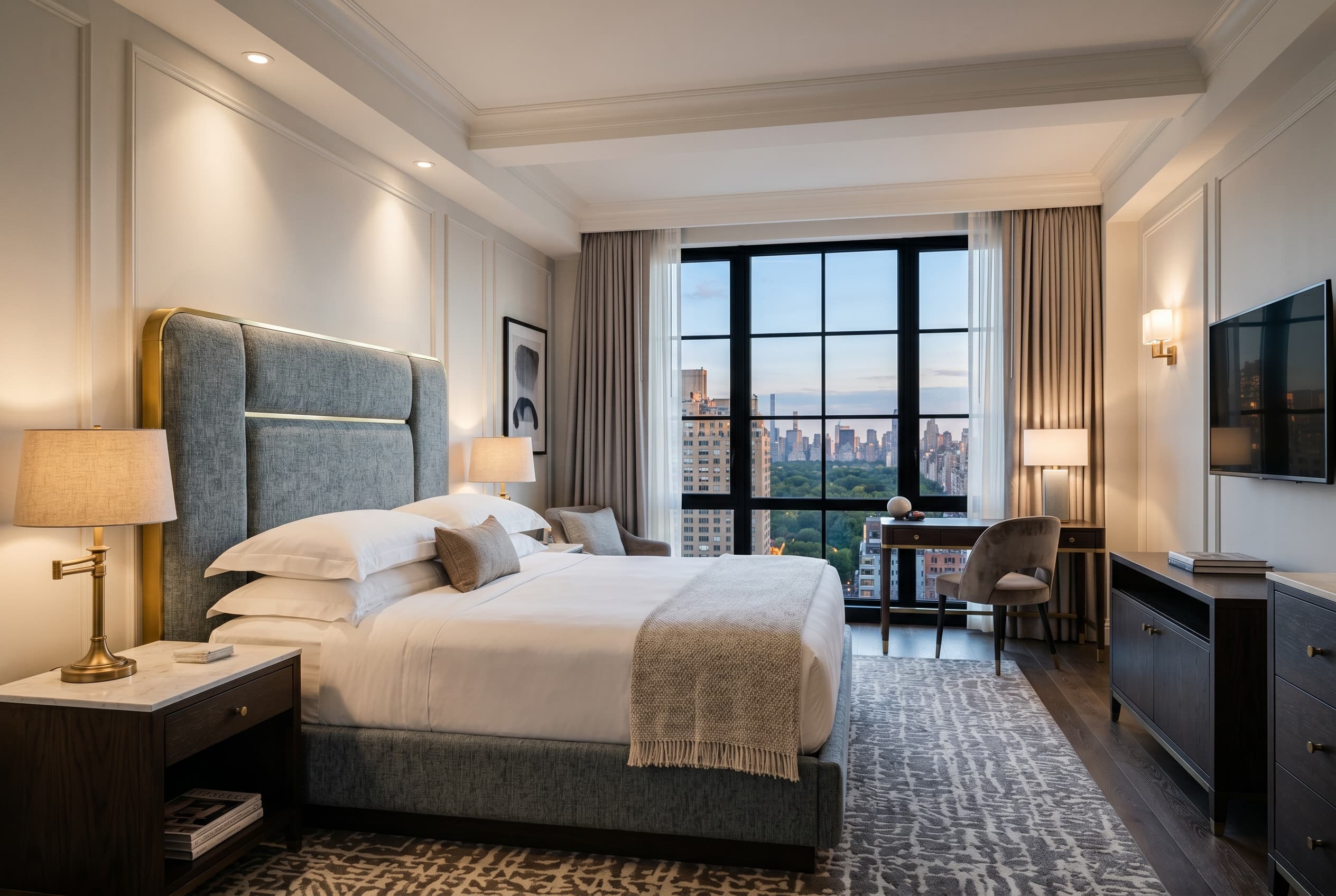
Downtown boutique properties serving corporate guests face a related but distinct challenge. These guests are often on a multi-night stay tied to headquarters business, and they notice details: whether the desk chair is actually comfortable for a few hours of work, whether the bed frame is stable, whether finish quality holds up under closer inspection than a one-night leisure stay would get. Contract-grade construction with a design-forward finish is not optional in this segment. It is the whole value proposition.
Small Order Quantities Without Sacrificing Quality
Most boutique properties in Stamford are furnishing 40 to 90 rooms, which puts them below the volume threshold that unlocks the best pricing tiers from large contract manufacturers. That reality shapes how you should approach sourcing. Work with a supplier who has experience structuring smaller custom orders efficiently rather than treating your project like an afterthought behind larger chain accounts.
Custom fabric and finish selections almost always carry higher per-unit minimums than in-stock options, so understand that tradeoff early. A supplier who can show you an in-stock or quick-ship option that still fits your design direction can save real budget without compromising the aesthetic that makes a boutique property work. Lounge chairs and sofas with configurable fabric programs are often the easiest place to get a design-forward look without triggering full custom minimums.
Lead Times and Sample Turnaround
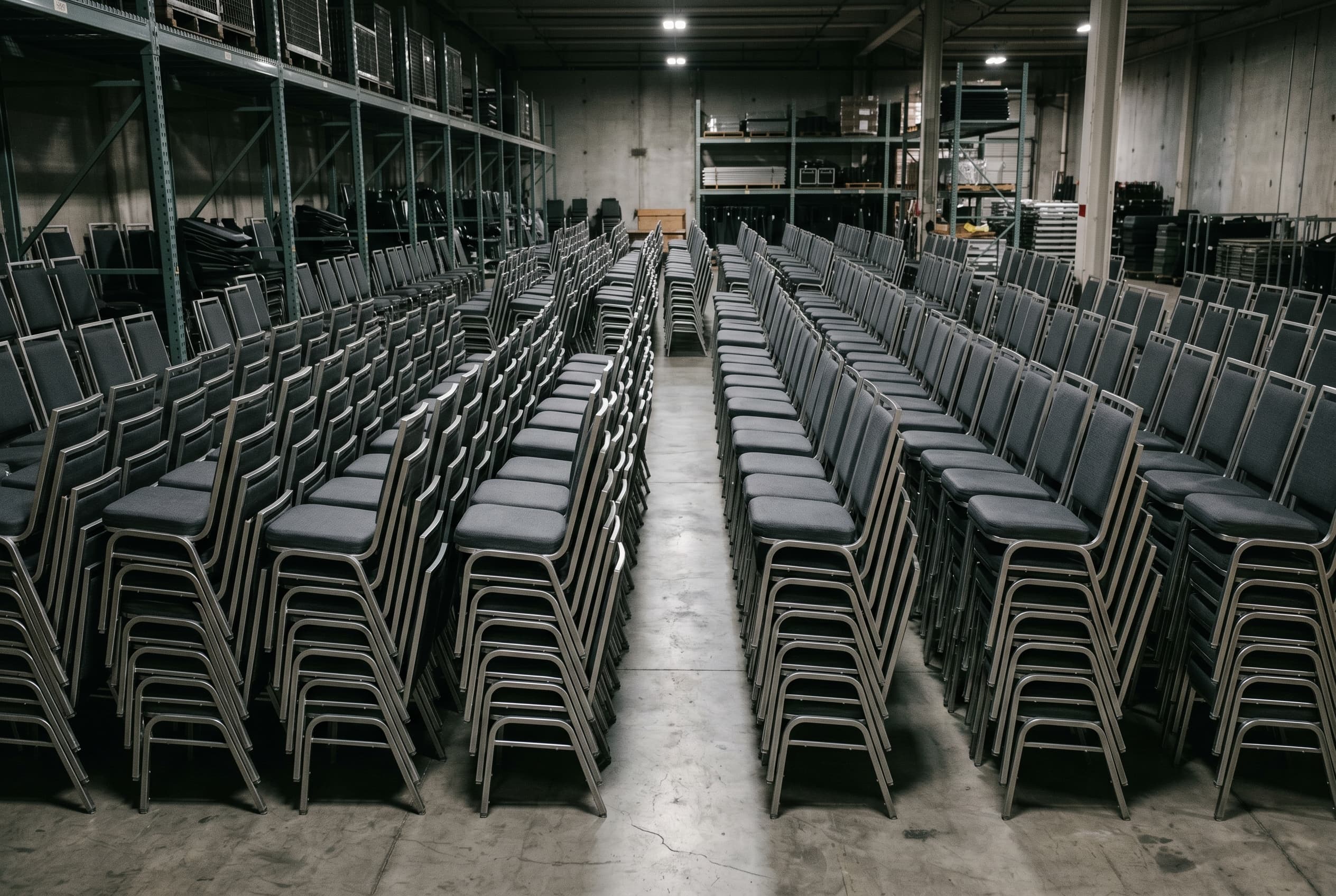
Boutique projects live and die by sample approval speed. Ownership groups and design teams on these properties tend to be more hands-on with finish decisions than a chain brand-standard rollout, which means your supplier needs to turn physical samples around fast enough to keep the review process moving. Standard production lead times run 10 to 16 weeks domestically once specs are locked, and that clock does not start until fabric, finish, and frame decisions are final.
Given Stamford's proximity to New York, many boutique projects here work with design firms based in the city, which adds a layer of coordination but also means your supplier needs to be comfortable working across that relationship without becoming a bottleneck.
Evaluating a Boutique Hotel Furniture Supplier
Ask for a project portfolio that actually includes independent or boutique properties, not just chain-branded work. The buying process, aesthetic standards, and order structure are different enough that experience with one does not automatically translate to the other. Ask how they handle phased delivery if your renovation or build-out is happening in stages rather than all at once.
When you have your room count, design direction, and target opening date, request a quote with those specifics so pricing reflects your actual project rather than a generic estimate.