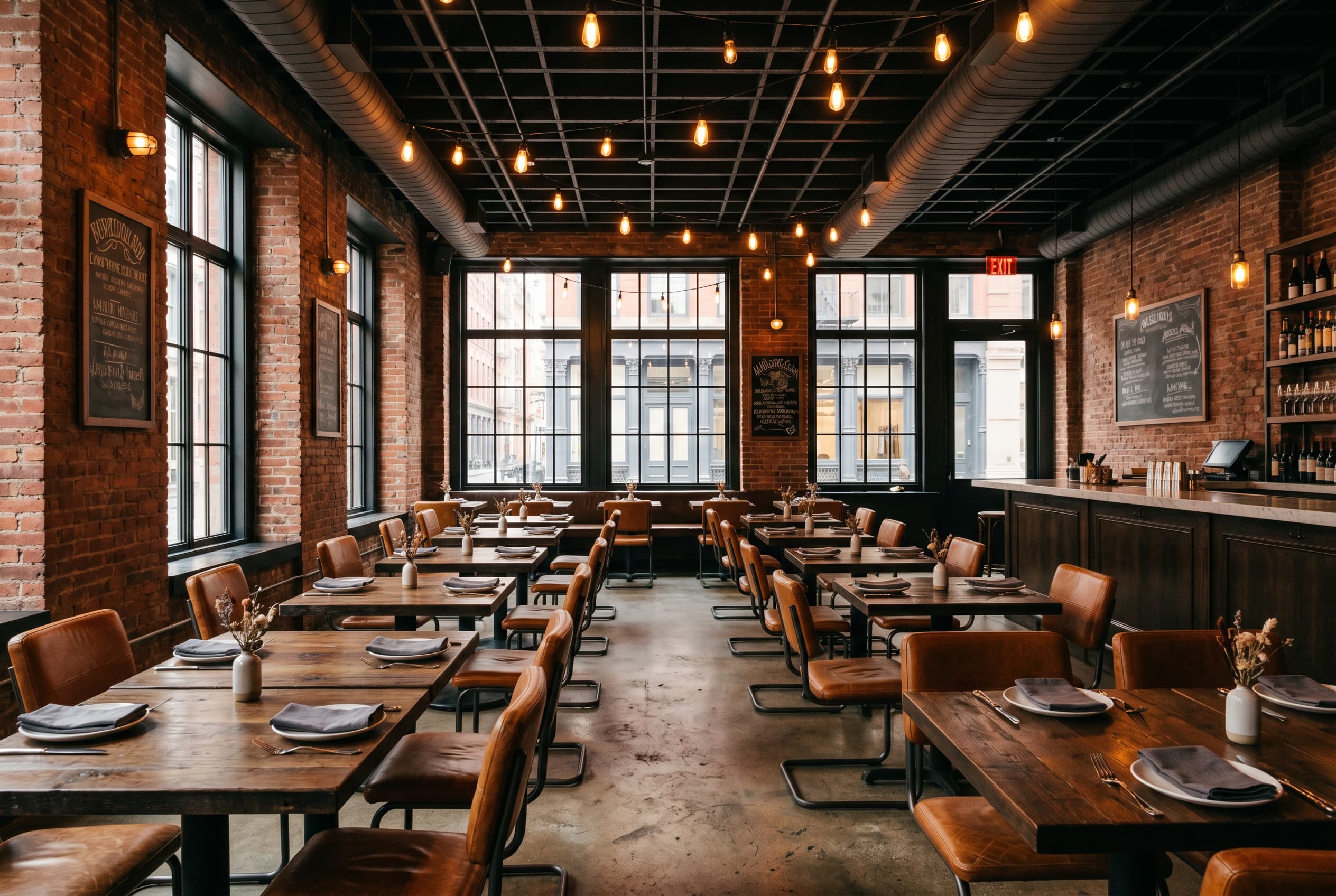
Stamford's restaurant scene runs on two very different clocks. Downtown, near the corporate office towers and the train station, restaurants live and die by the weekday lunch and after-work rush tied to headquarters travel and the local office population. In the harbor district, restaurants lean on evening and weekend traffic from residents of the newer waterfront buildings and visitors staying at nearby hotels. Add in a broader Fairfield County customer base that drives in from surrounding towns for dinner, and you have a market where furniture gets used hard across very different shift patterns depending on where in the city you operate. If you are furnishing a restaurant in Stamford right now, you are outfitting a room that needs to handle a fast weekday lunch turn and still look right for a Saturday night table.
What Restaurant Furniture in Stamford Has to Handle
A downtown lunch spot near the office corridor turns tables fast during a tight midday window, then goes quiet in the evening. That means chairs and tables need to tolerate rapid seating and bussing cycles without the joinery loosening after a few months. A harbor-district restaurant leaning on dinner and weekend brunch traffic needs furniture that reads as design-forward, since it is competing for a customer who has other dining options nearby and notices finish quality.
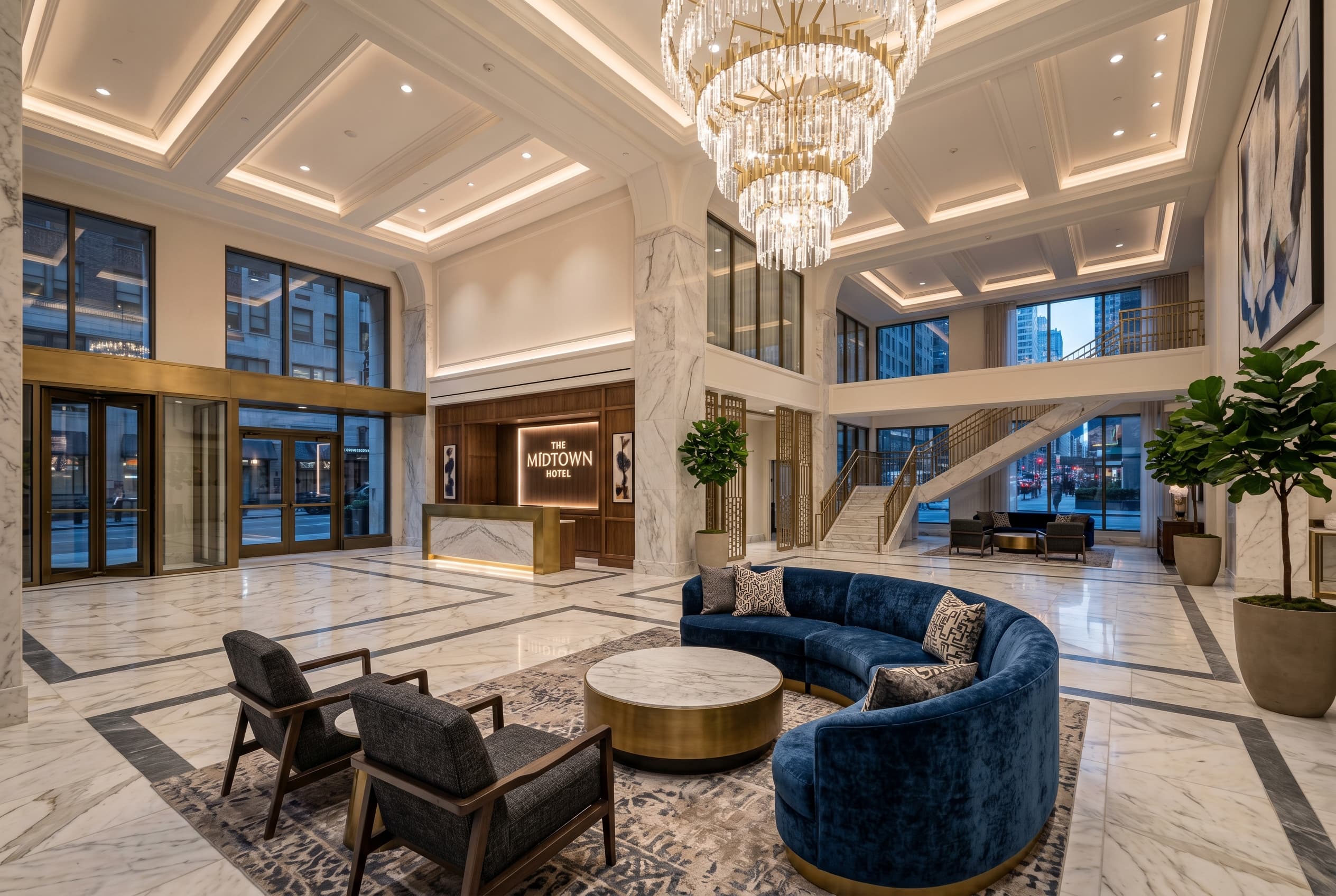
Bar and counter seating near the train station corridor gets a different kind of wear: commuters and after-work crowds cycling through quickly, often for a shorter visit than a full sit-down meal. That furniture needs reinforced frames and finishes that hold up to constant turnover without looking tired within a year. Contract-grade construction matters here in a way retail furniture simply cannot match. Retail dining chairs are built for a home that seats four people a few times a week. A Stamford restaurant chair gets sat in dozens of times a day, every day, and it needs to survive that without wobbling, without finish wear showing up in month three, and without becoming a liability risk.
Choosing Materials That Hold Up
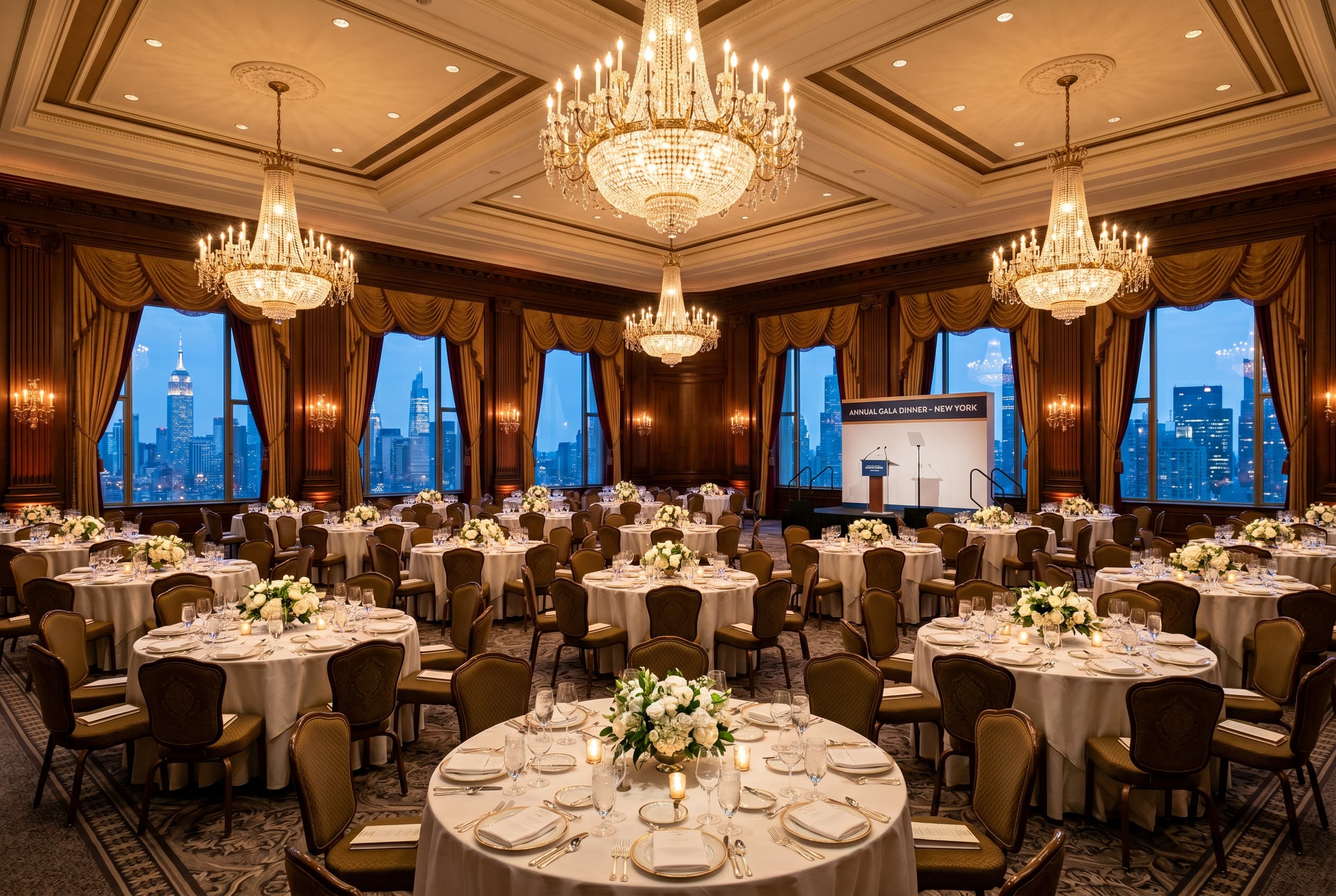
Fabric and finish choices in Stamford restaurants need to account for both spill exposure and the visual standard the market demands. Commercial-grade vinyl and performance fabrics rated for high-traffic food service environments are the baseline for booth and banquette seating, not an upgrade. Wood and metal frame chairs need joinery rated for repeated stacking if the space does double duty for private events, which many Stamford restaurants near the harbor and downtown corridors do given the corporate event calendar in this market.
Table tops need a surface that survives daily commercial cleaning chemicals without clouding or staining, whether that is a sealed wood veneer, laminate, or a solid surface material. If your restaurant runs a bar program alongside dining, barstools built to commercial weight and use ratings are worth the upfront cost difference over retail alternatives that were never engineered for a restaurant environment.
Ordering at the Right Scale
Most independent restaurants in Stamford are furnishing a single dining room, not a multi-unit rollout, which changes the sourcing conversation. Minimum order quantities on upholstered seating typically run smaller for independent operators than for a regional chain, but custom fabric and finish selections still tend to carry higher minimums than in-stock options. If you are opening on a fixed build-out timeline, ask your supplier directly what is available in stock versus what triggers a full production lead time, which typically runs 8 to 14 weeks domestically.
Freight into downtown Stamford and the harbor district involves the same loading dock and building access coordination as any dense metro delivery. A supplier who has actually delivered to Fairfield County restaurants before will plan around narrow service alleys and limited street parking rather than discovering those constraints on delivery day.
Working With the Right Supplier
Look for a supplier who understands that a Stamford restaurant is not furnished the same way twice. A downtown lunch counter, a harbor-district dinner house, and a suburban Fairfield County dining room each need a different balance of speed, durability, and design polish. Ask for their restaurant project history in the region and get references you can actually call.
When you know your seat count, finish preferences, and delivery timeline, request a quote with those specifics so your pricing reflects the real scope of your dining room rather than a generic estimate. A supplier who asks about your traffic patterns and turn rate before pricing anything is one who understands what restaurant furniture actually has to survive in this market.