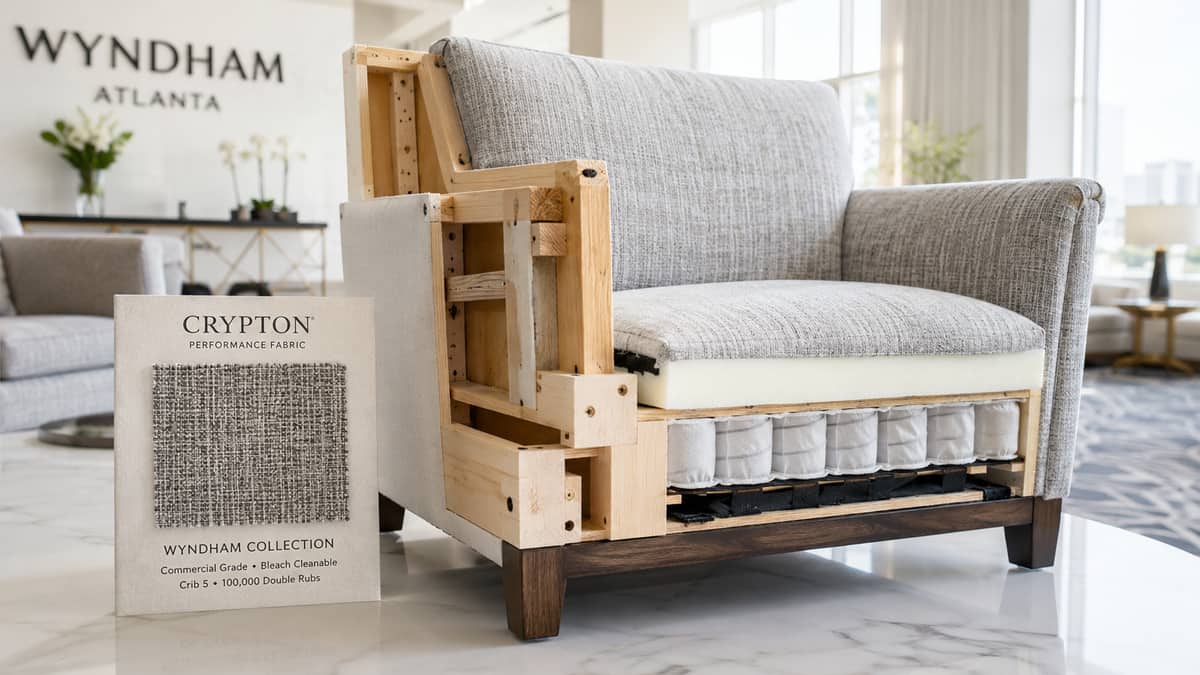
Savannah is one of the strongest boutique hotel markets in the Southeast, built almost entirely around adaptive reuse. Historic townhouses, converted warehouses near River Street, and landmark buildings throughout the Historic District have become some of the most distinctive small hotels in the country. That character is the whole value proposition, and it puts unusual pressure on furniture selection. A boutique property here is not competing on room count or amenities, it is competing on atmosphere, and every piece of furniture either supports that story or undercuts it.
Why Savannah's Event Calendar Changes the Durability Math
Savannah does not have much of a true off season. Spring brings azalea bloom and peak leisure travel. Fall brings one of the strongest wedding markets in the Southeast, with historic squares and garden courtyards driving heavy weekend occupancy at boutique properties across the district. Summer holds steady with family travel and events tied to the coast, and even winter carries a strong holiday and event calendar around the squares. That means boutique hotel furniture here runs at a use intensity closer to a big convention city than a typical small market, without the predictable slow stretch that gives furniture a break.
Add the coastal humidity that Savannah carries year round, and the durability math shifts further. Upholstery needs mildew-resistant construction. Wood casegoods need finishes rated for sustained moisture exposure, not just occasional humidity spikes. A boutique hotel furniture program that looks right on delivery day but was not specified for this climate will show wear, warping, and fading well ahead of schedule.
Design Cohesion Across a City Built Around History
Savannah's Historic District is a National Historic Landmark district, and boutique properties inside it are often working within preservation guidelines on top of normal design constraints. Furniture needs to read as intentional against original architectural details, exposed brick, heart pine flooring, high ceilings, without looking like a generic hotel program dropped into a historic shell. That usually means custom or semi-custom upholstery programs, finish selections that complement rather than compete with original materials, and casegoods scaled appropriately for rooms that were not originally built as hotel guestrooms.

The Savannah College of Art and Design's presence in the city has raised the design bar across the boutique hospitality market here. Guests expect a level of curated visual interest that a generic contract furniture catalog will not deliver on its own. That does not mean abandoning contract-grade construction standards, it means finding a supplier who can execute a design-forward look on a commercially rated frame, foam, and fabric specification.
Working Around Minimums in a Smaller Market
Savannah boutique hotels are frequently in the 20 to 60 room range, well below the volume that gives larger properties leverage on minimum order quantities. Most contract suppliers set MOQs at 20 to 50 units per SKU for upholstered pieces, and a small property furnishing every room in a distinct style can bump up against those minimums fast if the design calls for room-to-room variation.
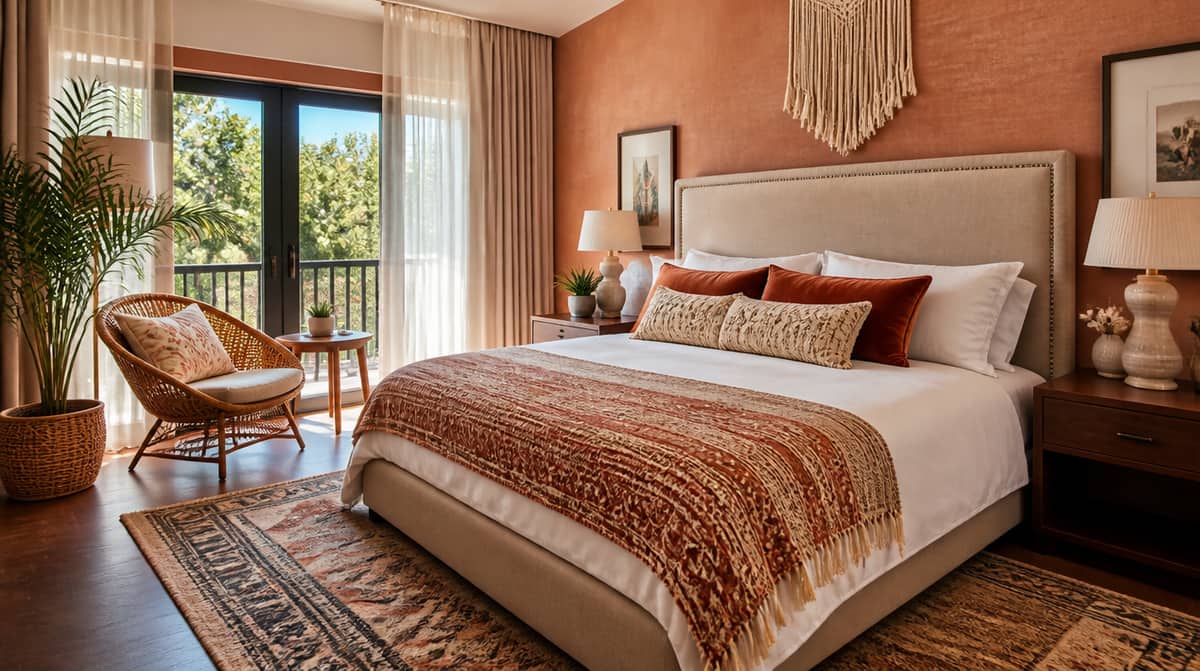
Work with a supplier who understands small-property economics. Standardizing frame construction across a smaller palette of finish and fabric options, while still allowing enough variation to avoid a cookie-cutter feel, is usually the right balance. A supplier experienced with independent boutique properties in markets like Savannah will guide that conversation instead of pushing a one-size program built for a 200-room convention hotel.
Planning Around Savannah's Renovation and Tourism Cycle
Because Savannah's calendar rarely has a true slow season, boutique hotel renovations and new openings here require more careful timeline planning than in a market with an obvious shoulder season. Lock your furniture specifications early, standard lead times run 10 to 16 weeks domestically and longer for imported or heavily customized pieces, and build in extra time if your property sits within Historic District preservation review, which can affect construction schedules and shift your opening target.
A supplier who has worked Savannah boutique projects before will understand these pressures and plan sample turnaround and phased delivery accordingly. That experience matters more here than in a market where a missed deadline just pushes into a quiet month, because in Savannah there usually is not one. Talk to our team about your room count and timeline to get a realistic lead time estimate.