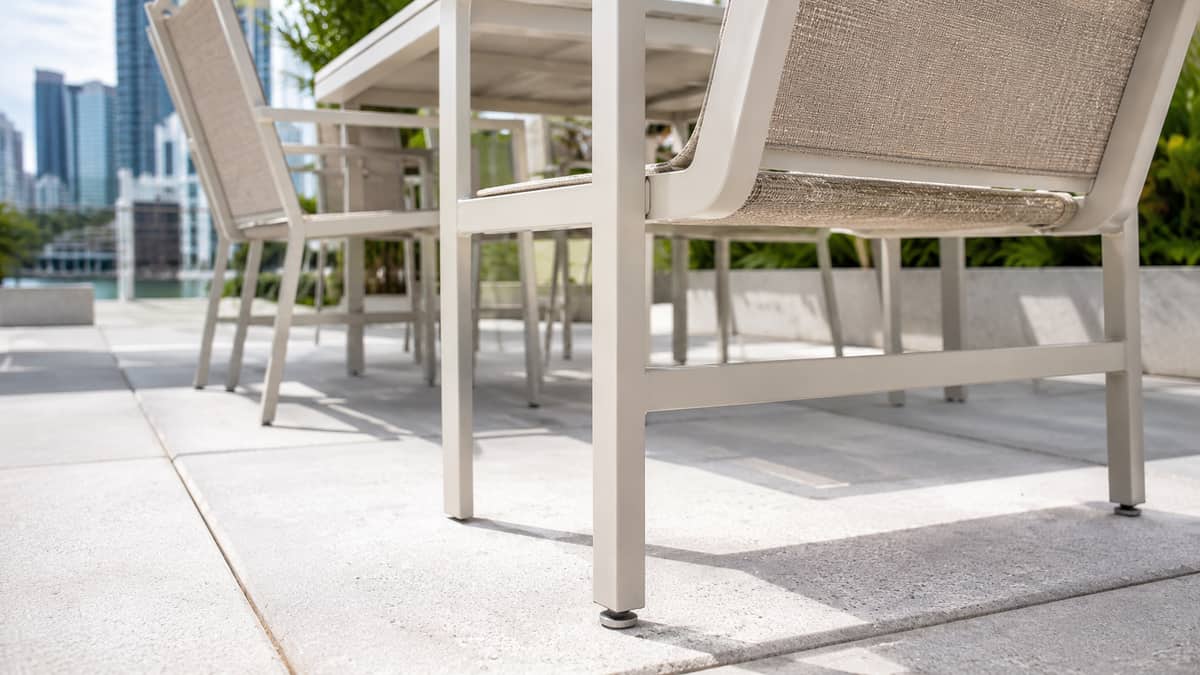
Outdoor seating carries more weight in a Myrtle Beach hospitality property than it does almost anywhere inland. Oceanfront hotels build their entire guest experience around pool decks and beachfront patios. Restaurants near the boardwalk and Broadway at the Beach compete on outdoor dining space as much as indoor. Golf resorts along the Highway 17 corridor rely on clubhouse patios that stay in use for most of the year given the region's mild winters. That means patio furniture on the Grand Strand needs to survive a longer season than a typical seasonal market, plus a level of salt air and coastal storm exposure most commercial patio furniture was never designed for.
Why Standard Patio Furniture Fails on the Coast
Most commercial patio furniture is rated for general outdoor use, sun exposure, rain, moderate temperature swings, but not for direct salt air. Along the Grand Strand, oceanfront and near-oceanfront properties expose furniture to airborne salt constantly, not just during storms. Standard powder-coated finishes that would last for years inland can start showing corrosion within a single season on an exposed oceanfront deck. Untreated or under-rated cushion foam absorbs moisture from the humid coastal air and develops mildew even in covered patio areas.
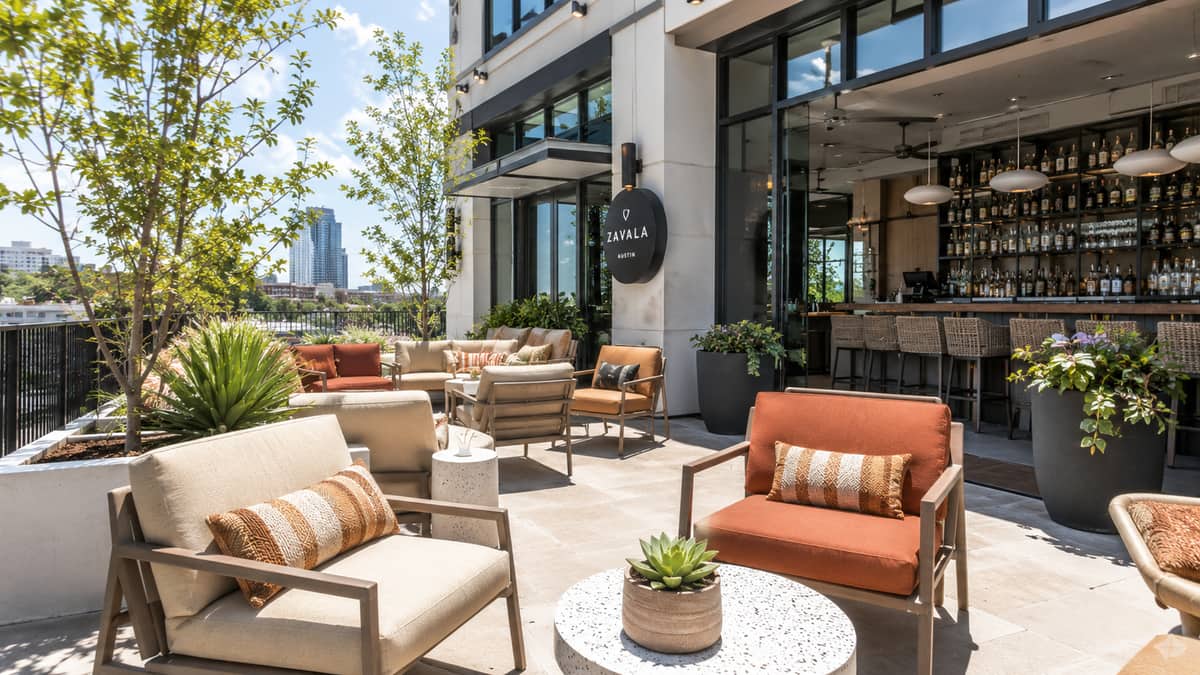
The correct spec for any Myrtle Beach exterior application starts with marine-grade aluminum framing, powder-coated with a finish rated specifically for salt air and coastal UV exposure. Ask your supplier directly whether their outdoor line carries a coastal or marine-rated finish option, not just a standard outdoor rating. That distinction is the difference between furniture that looks the same in three years and furniture you are replacing every single season.
Cushions, Fabric, and Coastal Storm Considerations
Solution-dyed acrylic fabric is the standard for any Myrtle Beach patio cushion program, since the color is woven through the fiber rather than applied to the surface, which means it resists the fading that constant coastal sun exposure causes in lesser fabrics. Cushion cores need to be a quick-dry, mildew-resistant foam, since even covered patio furniture in this climate sees enough ambient humidity to cause problems with standard foam over time.
Coastal storm risk is also a real operational factor that most inland markets do not have to plan for. Properties along the Grand Strand benefit from furniture programs designed for fast breakdown and storage ahead of a storm, stackable or lightweight-but-durable pieces that staff can move and secure quickly rather than heavy fixed installations that cannot be protected on short notice. Discuss storm prep logistics with your supplier as part of the initial spec conversation, not as an afterthought once the furniture has already arrived.
Sourcing Patio Furniture for Different Myrtle Beach Property Types
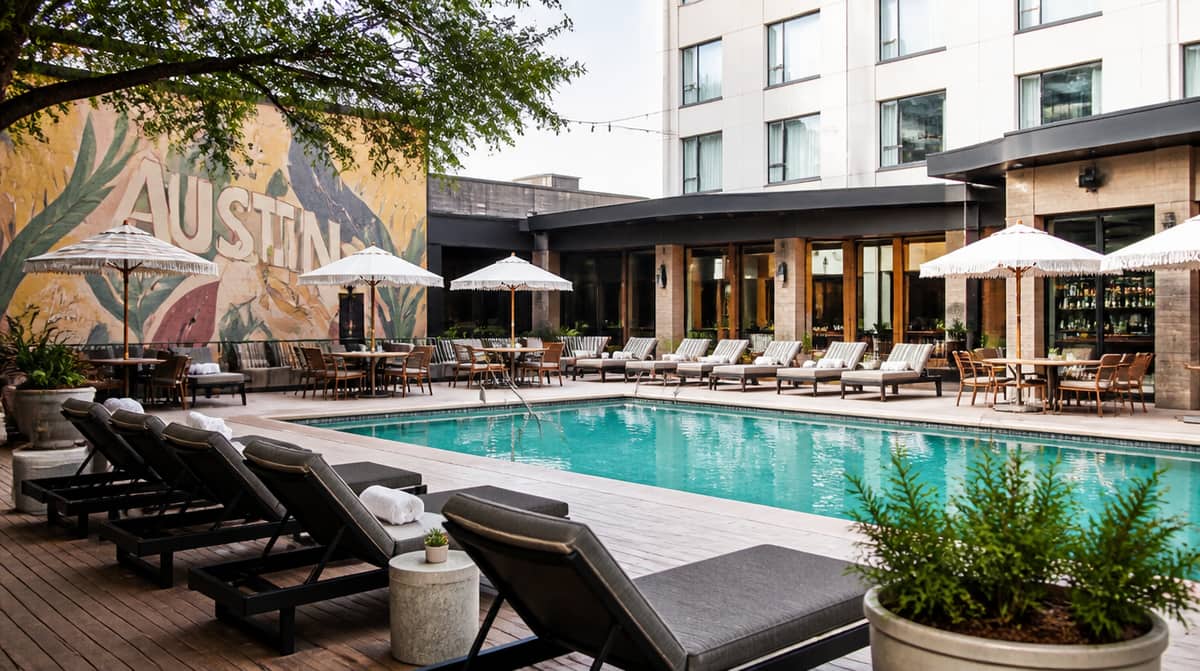
Oceanfront resort pool decks need furniture that can handle constant sun and chlorine or salt water exposure at once, which means finish and fabric selections need to account for both stressors simultaneously. Restaurant and bar patios near the boardwalk and entertainment districts need furniture that looks intentional and design-forward while still surviving daily commercial use through a long season. Golf resort clubhouse patios can lean more upscale in material selection since they see somewhat lighter daily traffic than a beachfront restaurant deck, but still need the same coastal-rated finish underneath.
Whatever the property type, get your outdoor furniture spec finalized alongside your indoor spec rather than as a separate afterthought, and request a written quote that itemizes finish and fabric ratings explicitly so you know exactly what coastal protection you are paying for before the order ships.