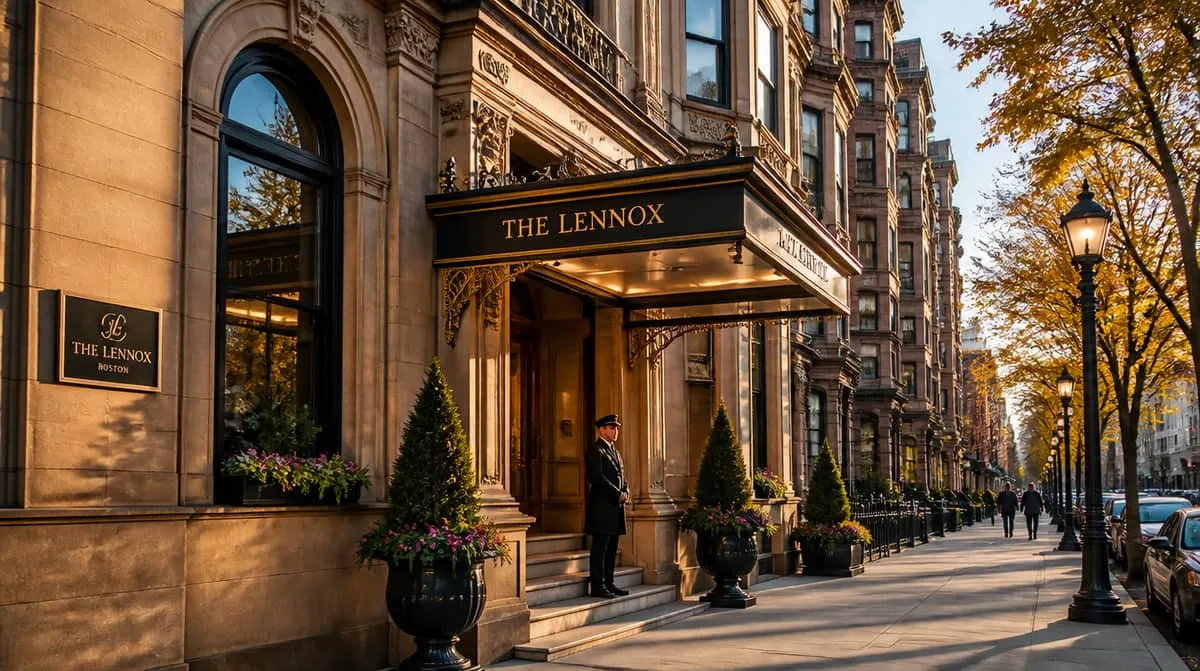
You have roughly five months to make your outdoor program pay for itself. For a Seaport restaurant, that means every harborside seat needs to be in service by early May and still looking sharp through a packed October. For a Back Bay hotel terrace or a Fenway-adjacent bar patio, the stakes are higher: guests are comparing your outdoor experience to competitors within walking distance. The commercial patio furniture Boston operators lose sleep over is not the upfront cost it is the replacement cycle. Frames that rust before spring, cushion fabric that fades by August, and materials that crack during the first real winter mean you are back to zero before the investment has recovered.
Climate Is the Non-Negotiable Starting Point
Boston's outdoor dining season is compressed by any national standard. The city's inland winter brings temperatures that regularly drop below freezing from November through March, and coastal proximity adds salt air and humidity that compound material degradation beyond what temperature alone would cause. Any commercial patio furniture Boston establishments invest in needs to be rated for the full New England climate cycle not just the five warm months.
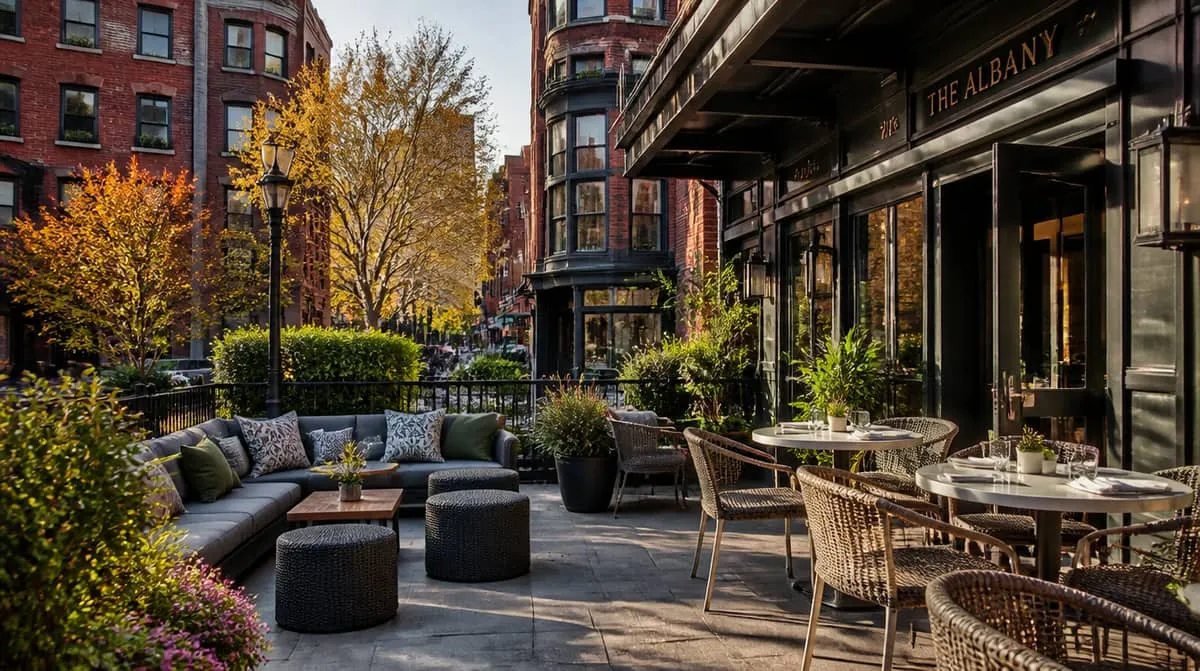
Aluminum is the correct frame material for Boston's conditions. It does not rust, handles freeze-thaw cycles without cracking or flaking, and is light enough for staff to move, stack, and store at season end. Powder-coated steel is viable but demands diligent spring inspection every year to catch any coating breach before moisture enters the frame and Boston winters are precisely the conditions that find coating failures fastest. Wrought iron can work on a protected Back Bay terrace, but the added weight translates to real storage and restacking labor costs over a five-year cycle.
For cushioned seating, solution-dyed acrylic fabrics Sunbrella being the industry standard are mandatory in Boston's climate. They resist mold and mildew during the city's wet springs, hold color against UV through a summer that can deliver both intense heat and heavy rain in the same week, and clean quickly between covers during a packed Seaport lunch service. Standard fabric alternatives that look adequate in the showroom degrade visibly within a season in Boston's conditions.
Storage Planning Is Part of the Spec Decision
Whether you are buying for a ground-level Seaport patio, a Fenway rooftop, or a South End courtyard, your storage situation determines what furniture format makes sense. Boston's outdoor season requires full furniture storage through winter, which means the off-season footprint of your patio program is as important as its summer appearance.
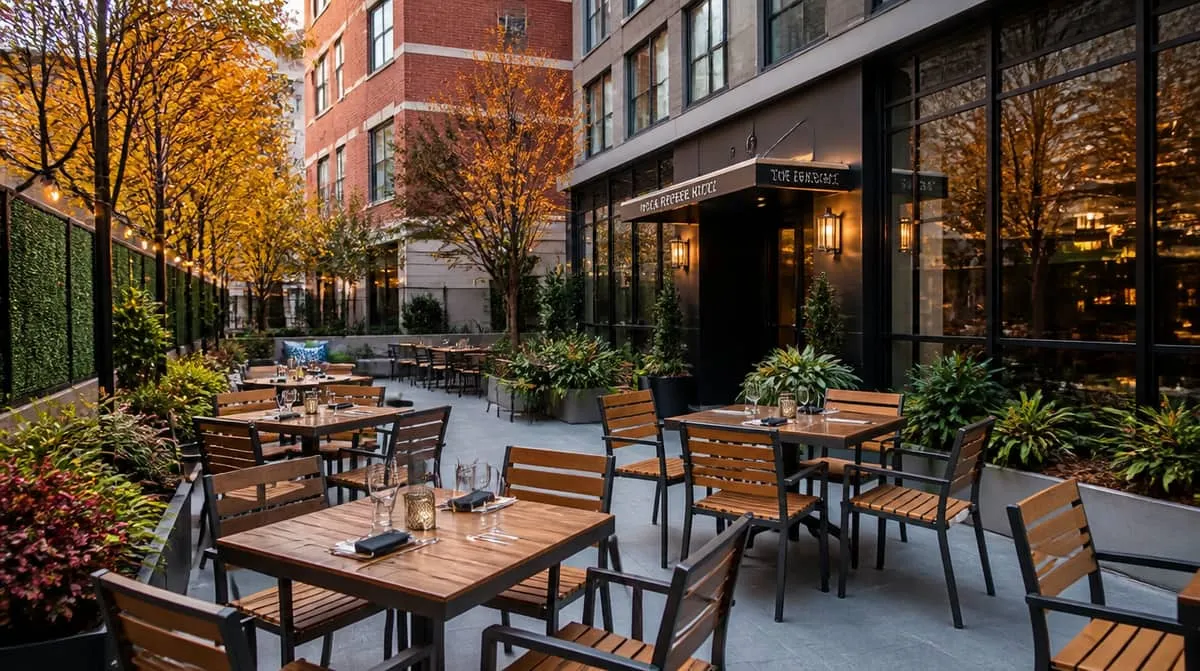
Stackable outdoor dining chairs that nest four to six high take up a fraction of the floor space of non-stackable alternatives. Folding tables reduce your storage footprint further. These are not minor conveniences: for many Boston operators working with the limited back-of-house square footage common in historic commercial buildings, the difference between a line that stacks efficiently and one that does not translates to meaningful dollars in storage cost or operational compromise.
BCEC convention hotels in the Seaport deal with a version of this problem at scale. Their outdoor event spaces and terraces run hard from May through October, then need full furniture turnover for winter storage when outdoor programming stops. At that scale, the cost difference between an efficient stacking program and a poor one compounds significantly over a five-year ownership period.
Seasonal ROI: Why Spec Quality Matters More in Short-Season Markets
The ROI calculation for commercial patio furniture is more compressed in Boston than in markets like Miami or Los Angeles where outdoor programming runs year-round. A piece that delivers six seasons in a warmer climate might only deliver four in Boston's conditions before UV degradation, salt exposure, and winter stress accumulate. That means getting the spec right on the first purchase matters more, not less, than it would in a forgiving climate.
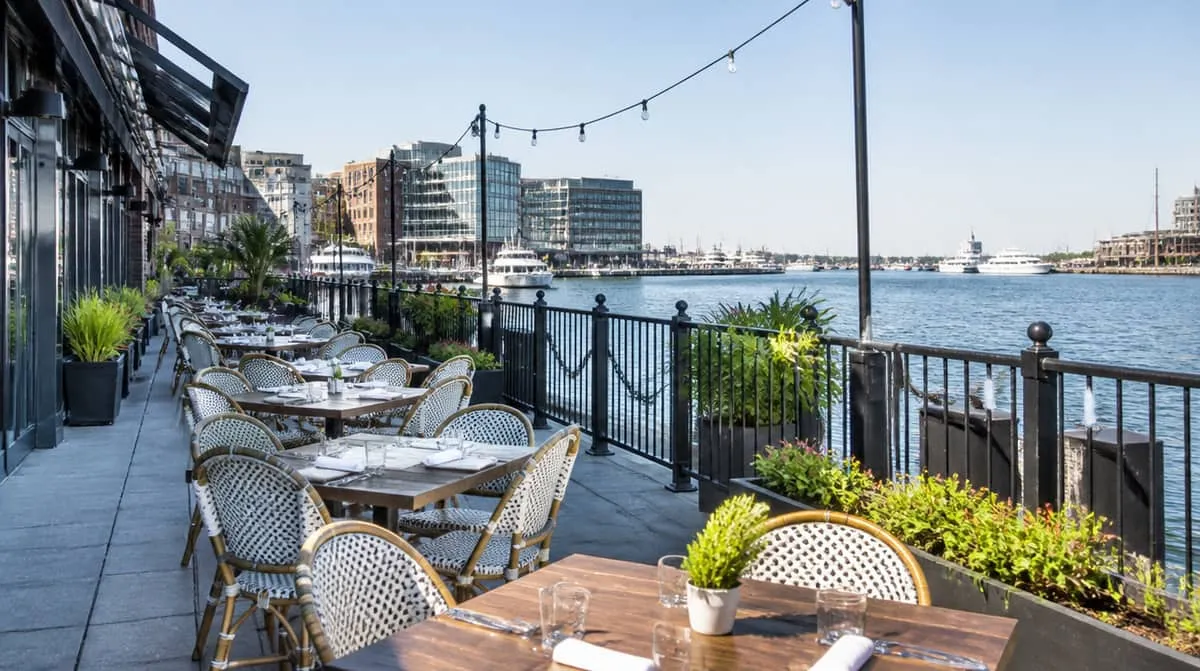
The minimum viable spec for Boston: powder-coated aluminum frames with marine-grade coating where budget allows, solution-dyed acrylic fabric rated for UV and mildew resistance, and patio tables with base materials that do not corrode or crack under freeze-thaw stress. Request lead times from your supplier that account for Boston's short installation window operators who order in February or March have first pick of production runs and avoid the capacity crunch that hits suppliers when every New England restaurant operator decides to place orders in April simultaneously.
Ready to spec commercial patio furniture for your Boston project? Send us the details and we will price it around your requirements. Request a quote to start.