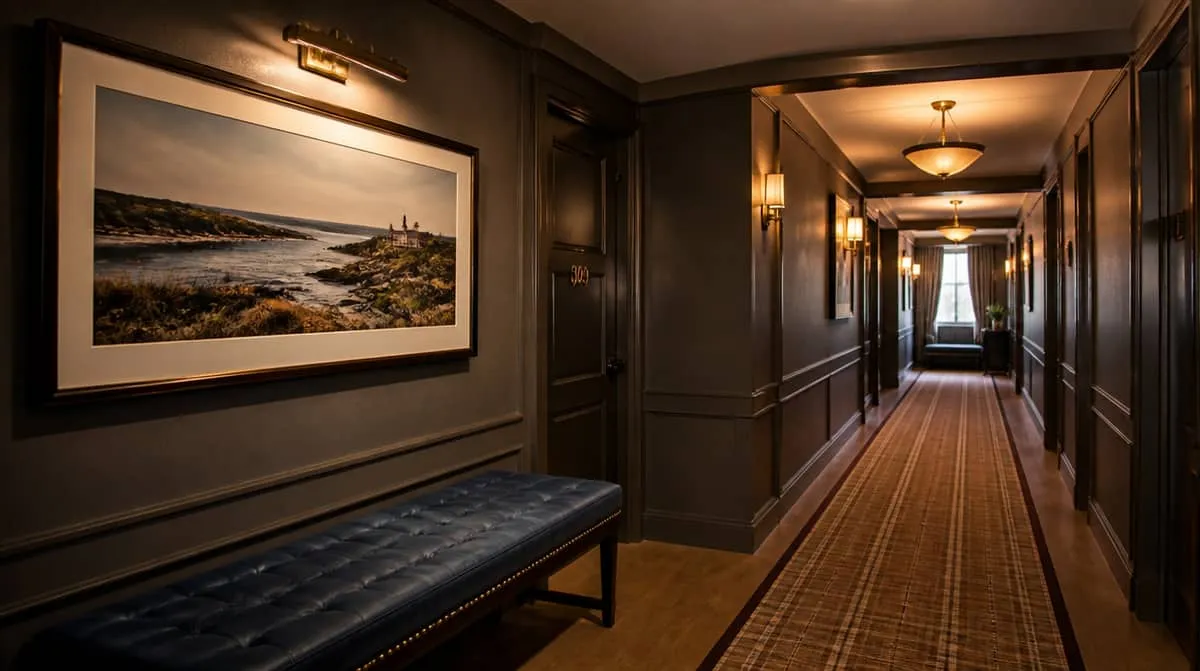
Wilmington's boutique hotel market does not run on tourism the way a beach town or festival city does. It runs on corporate travel. The banking and credit card headquarters clustered downtown, the law firms handling Delaware's outsized share of national corporate registrations, the steady flow of executives and outside counsel moving through Rodney Square and the financial district all of this creates a guest base that stays midweek, expects a polished room, and has almost certainly stayed at better properties in bigger cities. Add the Riverfront's ongoing redevelopment around the Chase Center and the Tubman Garrett Riverfront Park, plus overflow from Brandywine Valley wedding and event traffic, and you get a boutique segment that has to compete on design sophistication with a fraction of the volume a big-brand property would carry. If you are sourcing boutique hotel furniture Wilmington style, the core challenge is matching that expectation on contract-grade construction while working in small, mixed-SKU quantities.
Why Wilmington's Business Calendar Changes the Durability Math
The Chase Center on the Riverfront and the Hotel du Pont's event spaces anchor a steady rotation of corporate conferences, legal industry gatherings, and Delaware incorporation business that brings in traveling professionals on tight schedules. That traffic is different from a weekend leisure crowd. Business travelers use lobby seating and work surfaces hard, check in and out at odd hours, and expect furniture that looks fresh even after a Tuesday-through-Thursday occupancy run that repeats every week of the year.
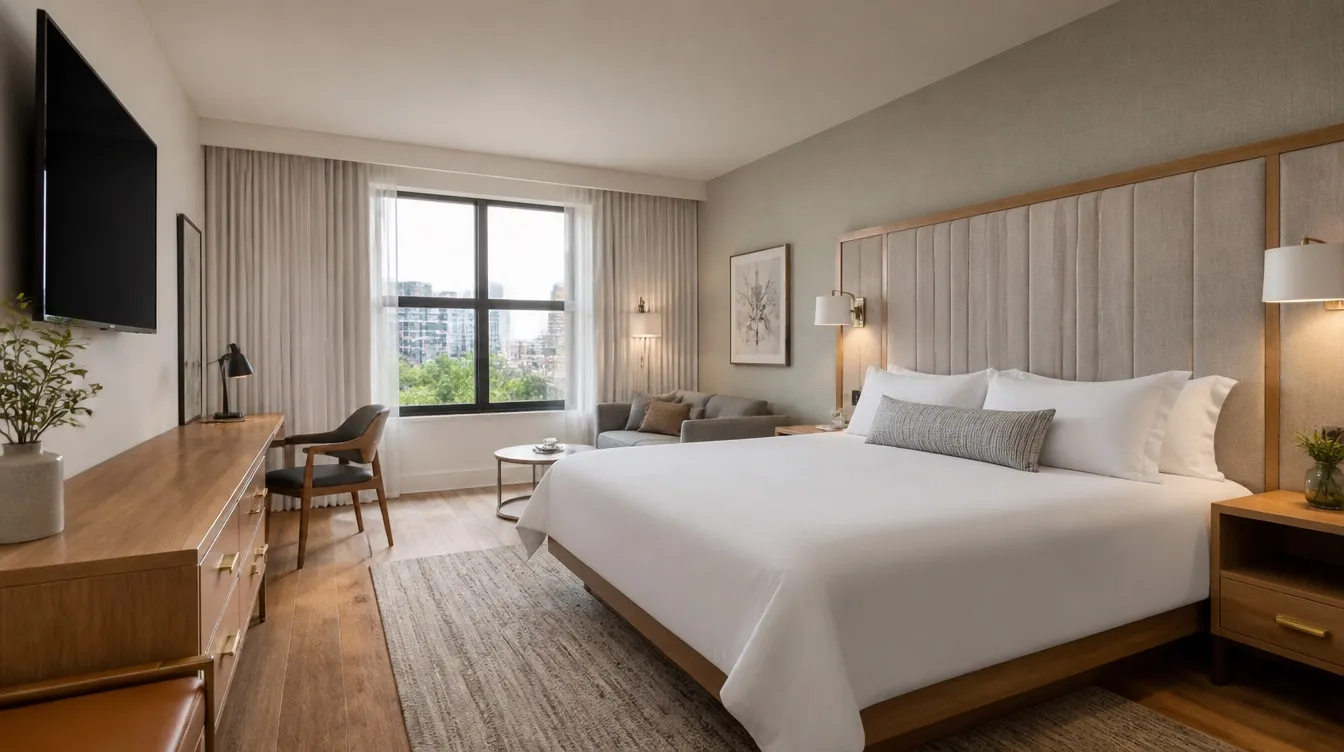
Furniture that would hold up fine in a seasonal leisure property faces a tougher grind here. The lounge chairs in a lobby doubling as an informal meeting space, the upholstered pieces near a bar catering to after-work networking, the guestroom desk chairs supporting laptop-heavy stays all of it needs a commercial specification from day one. Residential furniture marketed with hospitality language tends to fail on exactly this kind of repetitive, high-utility use, with loosening joints and worn seat cushions showing up well before a property's first planned refresh.
Contract-grade construction for a Wilmington boutique property means hardwood or engineered hardwood frames, upholstery rated above 30,000 double rubs in lobby and lounge areas, and desk and task seating built for daily business use rather than occasional guest use. Given how much of Wilmington's boutique demand comes from repeat corporate stays, that construction standard is the baseline, not an upgrade.
Design Cohesion in a City Built Around Neighborhoods
What separates a strong boutique property in Wilmington from an average one is not any single standout piece. It is whether the design reads as intentional across the lobby, the corridors, and the guestrooms, and that comes down to locking a material palette before sourcing begins.
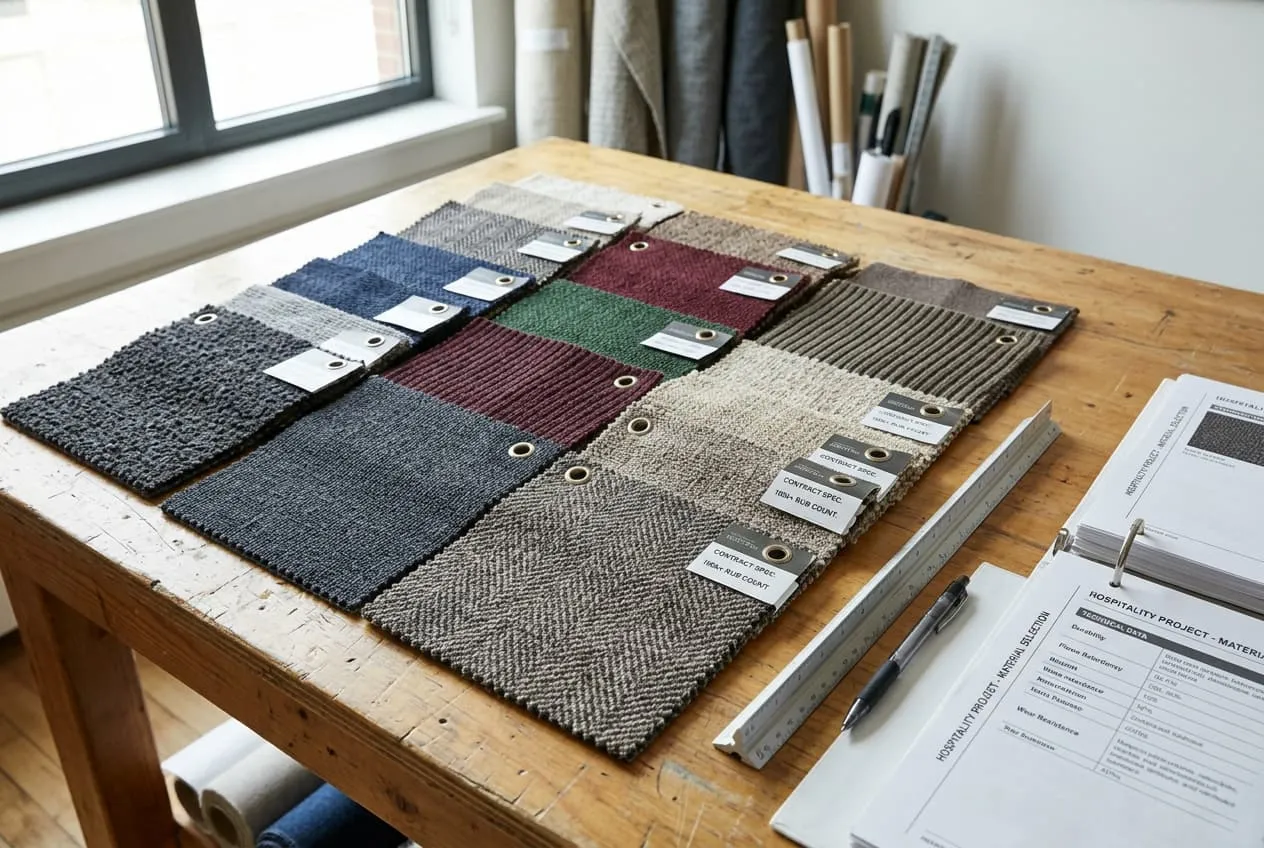
A property near the Riverfront or Market Street can credibly draw on Wilmington's industrial history, brick warehouse conversions, exposed structural elements, and durable materials with warmth added through wood tones and layered textiles. A property closer to Rodney Square and the financial core serving law firm and bank travelers needs a tighter, more formal program: clean-lined case goods, upholstered seating in refined but hard-wearing fabric, metal accents in brushed brass or matte black rather than anything that reads as budget chrome. A property positioned toward the Trolley Square or Brandywine Valley crowd might lean into something softer and more residential in feel, still commercial-grade underneath but styled toward leisure and event guests rather than weekday business travelers.
The mistake is choosing individual pieces that each look good on their own and assuming they will cohere once installed. They usually do not, and design-aware guests who make up a disproportionate share of Wilmington's boutique traffic given the corporate and legal client base notice a room that feels assembled rather than designed. Settle on two or three anchor finishes, a defined wood or metal family, and a tight fabric range before approvals go out, and hold every subsequent piece to those constraints.
Navigating Minimums and Finding the Right Suppliers
Large contract furniture manufacturers are built for scale, comfortable filling 300-room orders for a national chain. A 30-room boutique property near the Riverfront ordering 35 lounge chairs and 20 guestroom desk chairs is a rounding error for that kind of supplier, and their minimum order quantities reflect it.
That is a filter, not a dead end. The suppliers worth pursuing are the ones whose business is built around independent hotels, boutique conversions, and restaurant groups rather than national flag programs. These manufacturers are set up for smaller runs, mixed SKUs, and the specification back-and-forth that boutique projects require, and they will not balk at an order of 22 units of one chair and 15 of another. Ask about minimums in writing early, before your specification gets built around a supplier who cannot actually fill the order.
Wilmington sits close enough to Philadelphia's design and trade resources that boutique projects here often draw on that broader regional supplier base rather than a purely local one. For hospitality-specific procurement, prioritize suppliers who can document commercial ratings, provide FR compliance certifications, and show a track record delivering into properties with a similar weekday-heavy occupancy pattern.
If you are working with an FF&E consultant or purchasing agent, one of the main things they bring to a project like this is aggregation: combining your order with other boutique hospitality clients to access manufacturer programs your standalone volume would not reach on its own. That layer of cost frequently pays for itself by preventing the specification errors and reorders that come from sourcing in isolation.
Planning for Wilmington's Renovation Cycle
Boutique properties in Wilmington's higher-demand corridors, the Riverfront, downtown near Rodney Square, and the areas feeding Brandywine Valley event traffic, tend to refresh faster than owners expect going in. Riverfront development keeps raising the design bar for anything nearby, and a property that felt current at opening can start to feel dated within four or five years as new inventory arrives.
Plan for that refresh during initial procurement rather than scrambling later. Specify frames and case goods built to last the full cycle, and treat upholstery as the shorter-rotation variable. Require COM-ready construction on upholstered pieces from the start, avoiding proprietary fabric tracks or hidden frame systems, so reupholstery stays simple when the time comes. Keep clear records of your original specifications, frame construction, foam densities, fabric weights, and finish codes, so the next sourcing round moves faster than the first one did.
Custom upholstery programs typically run 10 to 16 weeks in lead time. If you are targeting a spring opening or working around a specific corporate event or conference date, place furniture orders early enough that the timeline does not eat into your install window. Owners opening their first boutique property consistently underestimate how tight the gap is between order placement and opening day once custom work is involved.
Sourcing boutique hotel furniture in Wilmington is a narrower problem than general commercial procurement. The city's corporate travel calendar, its mix of historic and redeveloped neighborhoods, and its comparatively small but design-conscious hospitality market all shape what holds up and what does not. Getting the specification right before the order ships remains the most cost-effective decision on the project.
Planning boutique hotel furniture for your Wilmington project? Share your specs and quantities and we will build pricing around your actual program. Request a quote to get numbers for your space.