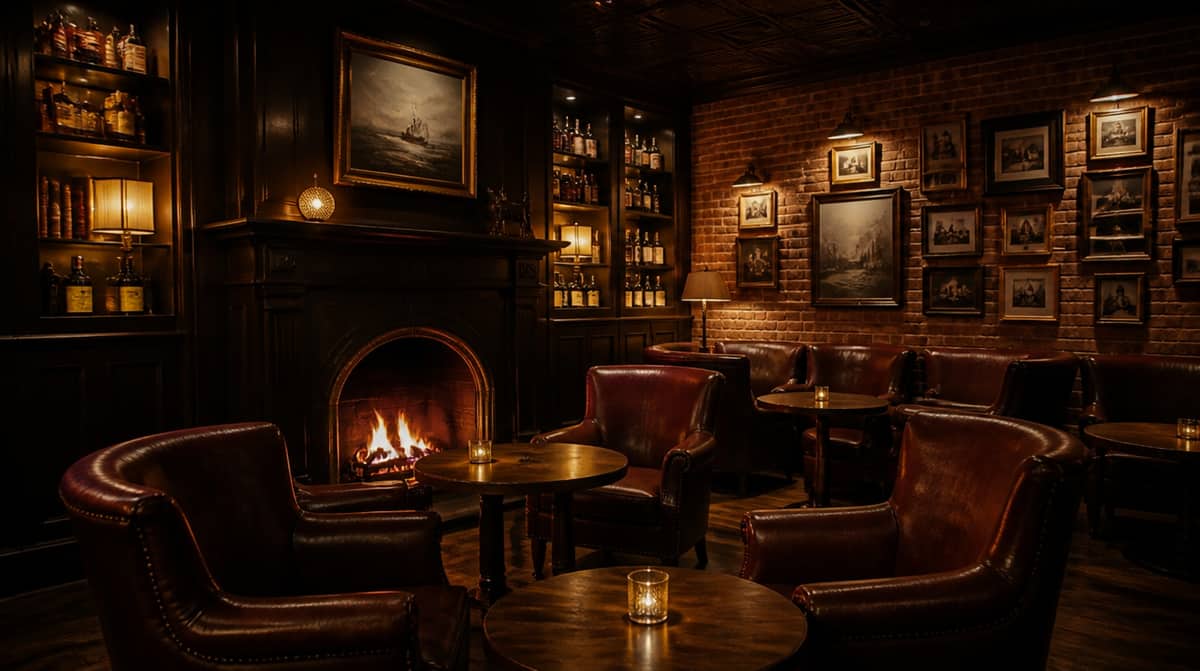
Wilmington's bar and lounge market does not run on tourist volume the way a Charleston or a Savannah does. It runs on a corporate calendar set by the banks, credit card operations, and chemical and pharmaceutical companies headquartered in and around the city, layered with a Riverfront district that has spent two decades converting old shipyard and rail buildings into restaurants and event space. Sourcing bar lounge furniture Wilmington operators can depend on means understanding that split market, because a barstool built for a weeknight business-travel crowd downtown is not the same piece that belongs on a Riverfront patio overlooking the Christina River on a summer Saturday.
The Riverfront: Waterfront Volume and Weather Exposure
The Wilmington Riverfront, running along the Christina River from the Riverwalk past the Chase Center and down toward the DuPont Environmental Education Center, is the closest thing the city has to a dedicated entertainment district. Restaurants and bars here draw on a mix of after-work crowds, event traffic from the Chase Center's conference and meeting business, and warm-weather patio guests who want a water view. That combination puts real pressure on furniture that has to work indoors and out, often within the same footprint.
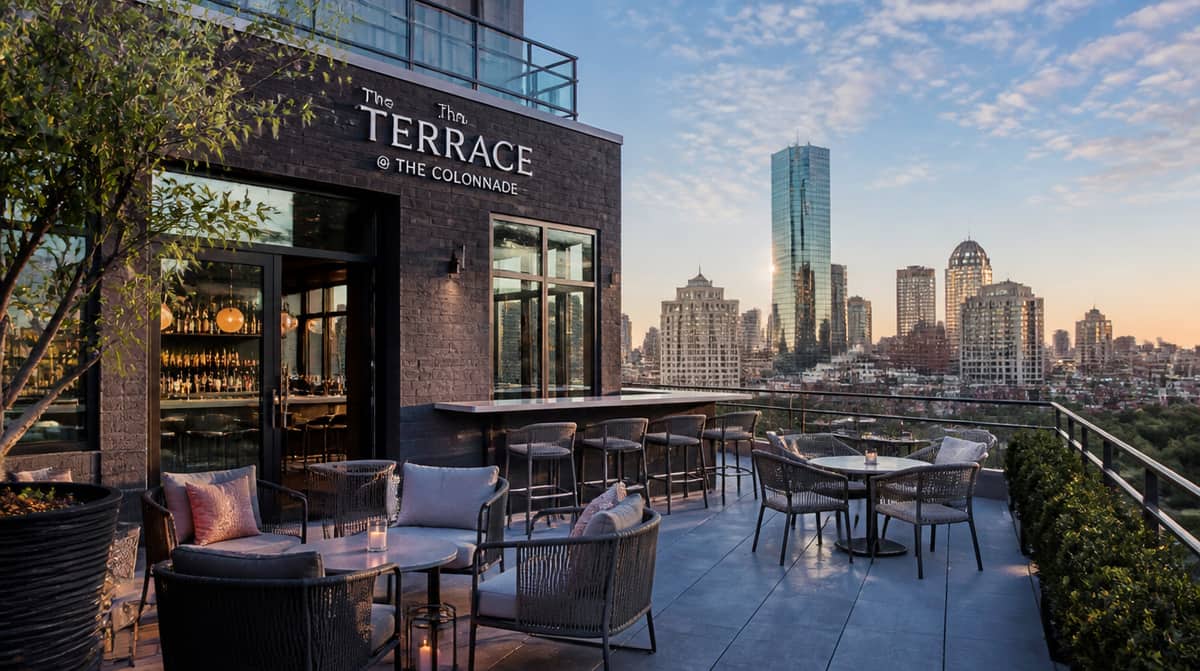
For any patio or riverside deck program, specify fully welded powder-coated aluminum frames. Aluminum shrugs off the humidity Wilmington carries through a Mid-Atlantic summer and will not rust the way untreated steel does after a season of river-adjacent moisture. Skip hollow-tube footrests on outdoor barstools entirely. Solid bar stock footrests hold up under the constant weight-shifting of a busy patio night, while hollow tubing dents and works loose within a year of steady use. Upholstery on any Riverfront seating exposed to direct sun or rain needs to be solution-dyed acrylic or a marine-grade vinyl. Standard indoor contract fabric will fade and crack under a Delaware summer faster than most operators expect, and a moisture barrier under the cushion is worth the small added cost given how often these patios get an unplanned rain event mid-service.
Seat height is a recurring problem on Riverfront builds, since many of these buildings were adapted from warehouse and industrial space with uneven original floor lines. Confirm your actual counter height on site before ordering. A 42-inch bar-height counter needs a 28-to-30-inch stool, while a 36-inch counter-height surface calls for 24 to 26 inches. Getting this wrong by even two inches is the kind of mistake that shows up in every guest review for the first month after opening.
Market Street and Trolley Square: Rebuilding a Nightlife Identity
Downtown Wilmington's Market Street corridor, running from Rodney Square down toward the Riverfront, has been in a slow rebuild for years, with new restaurant and bar openings anchoring blocks that had gone quiet after the banking sector's daytime workforce cleared out each evening. A few miles northwest, Trolley Square remains the city's most established bar district, a walkable strip of rowhouse-front bars and restaurants that draws a steady neighborhood and young-professional crowd on weekends. Both areas are design-conscious in a way that rewards furniture with real character rather than generic contract pieces.
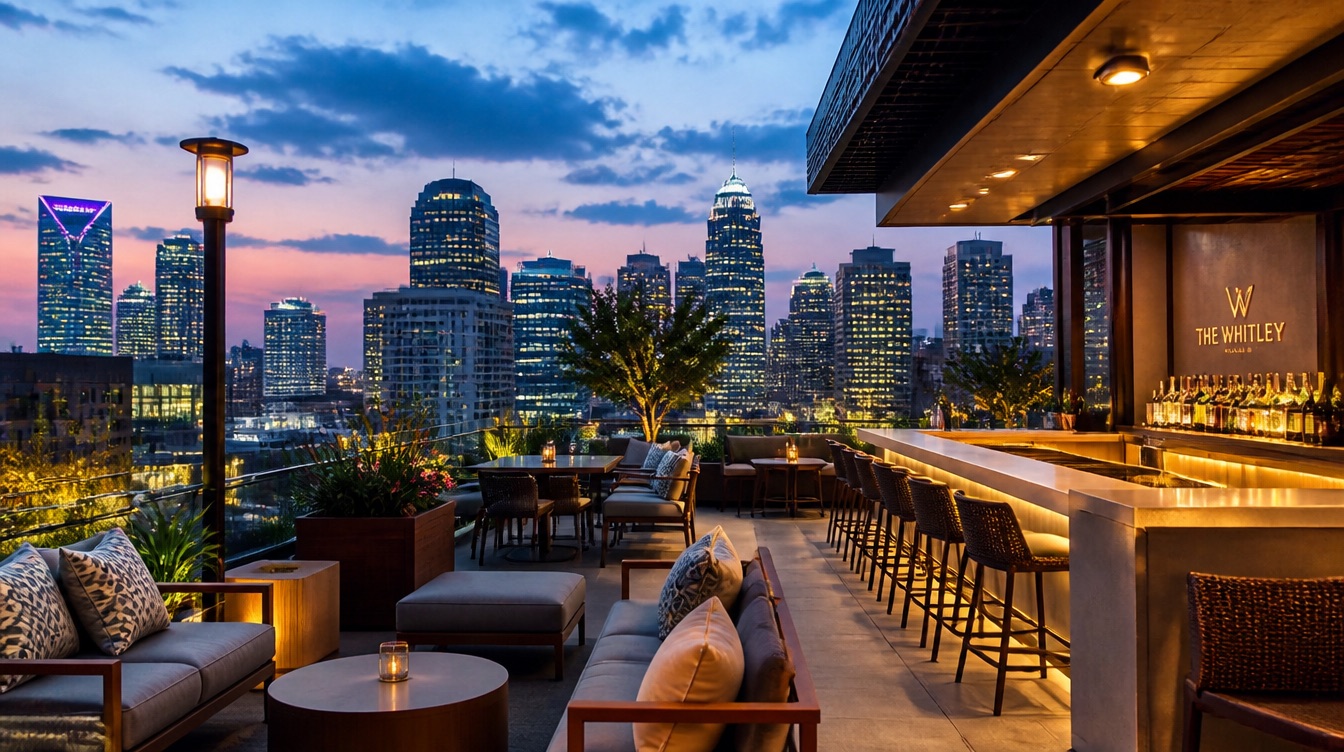
Operators opening in Trolley Square and along the revitalized Market Street blocks are gravitating toward curved lounge silhouettes, warm upholstery tones in cognac and olive, and tables that mix a wood or stone top with a metal base, moving away from the heavier all-black industrial look that defined a lot of the city's bar builds a decade ago. A custom order-material (COM) program is worth raising early with your supplier in this context. It lets a designer specify a proprietary fabric on a proven commercial frame, which is how an independent Trolley Square bar gets a distinctive look without giving up the structural rating a busy weekend night demands. This conversation needs to happen while the design direction is being set, not after the furniture order is already placed.
For rowhouse conversions in particular, specify heavy powder-coated steel or cast iron table bases with adjustable leveling glides. Century-old rowhouse floors are almost never level, and a table that rocks under a full round of drinks is the kind of flaw that guests remember long after they forget what they ordered.
Corporate Hotel Bars and the Chase Center Convention Trade
Wilmington's hotel bar business runs on a different clock than a leisure-travel market. The hotel corridor around Rodney Square and downtown, along with properties serving the Chase Center on the Riverfront, sees consistent weeknight volume tied to business travelers visiting the credit card operations, banking headquarters, and chemical and pharmaceutical companies that anchor the local economy. That means less weekend spike and more steady Tuesday-through-Thursday demand, which changes how furniture wear accumulates over a year.
The specification priority for corporate hotel bars is durability under steady, unglamorous use rather than peak-night structural extremes. Even so, weld quality matters. Bar stool frames should be minimum 16-gauge steel with fully welded joints at the footrest and every leg-to-seat connection, since bolted frames loosen over months of daily use even without a single dramatic peak night. Ask your supplier for weld documentation if you are placing a volume order for a hotel renovation. Any established contract furniture supplier should have it on hand.
Replaceability matters here too, though for a different reason than a convention-heavy market like Atlanta or Chicago. A hotel bar doing steady weeknight covers needs individual pieces swapped out quietly between guests without a visible gap in the seating program. Specify a primary collection your supplier keeps in stock, not a made-to-order line with a long production lead, so a damaged stool or chair can be replaced within weeks rather than months.
Sourcing Bar Lounge Furniture for Wilmington Projects
Wilmington's hospitality construction market moves in smaller, steadier bursts than a major metro, but the timeline pressure is the same. A Riverfront lease signs, a Trolley Square space turns over, or a hotel renovation gets scheduled around a slower travel quarter, and the furniture order lands on a compressed schedule once construction runs long. The standard 8 to 12 week lead time for custom orders rarely lines up cleanly with a fixed opening date.
The practical approach for most Wilmington bar and lounge projects is in-stock contract inventory for the core seating program, paired with custom or COM orders reserved for the accent pieces where a distinct look matters most. Build supplier relationships ahead of an urgent need. Know which vendors carry in-stock barstools in your standard finishes, which have realistic COM turnaround times, and which can fill a partial replacement order without forcing a full production run.
Get confirmed availability and delivery windows in writing before finalizing your specification. Wilmington's smaller scale can make suppliers casual about lead-time commitments, and the gap between a confirmed delivery date and an estimated one is exactly what determines whether a Riverfront patio or a Market Street bar opens on schedule.
If you are in the early planning stages of a bar or lounge build anywhere in Wilmington, the Riverfront, Trolley Square, downtown Market Street, or the hotel corridor around Rodney Square, request a specification consultation from your supplier before your layout is finalized. It surfaces seat height mismatches, material problems, and clearance issues that are far cheaper to fix on paper than after delivery.