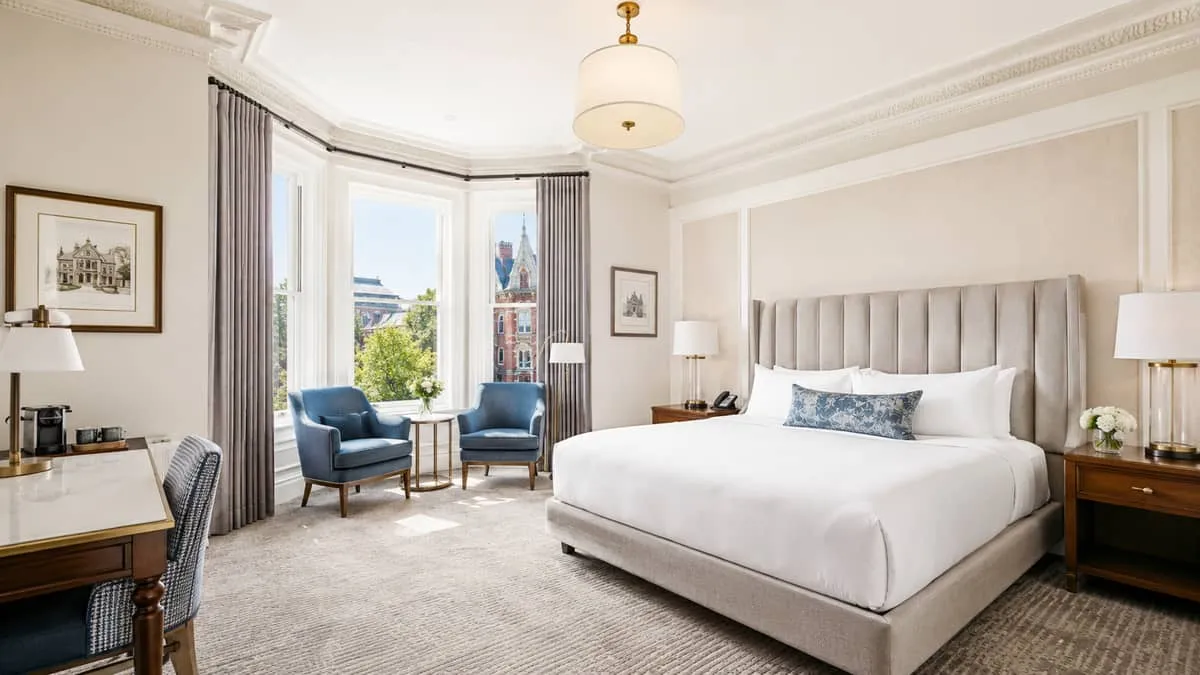
Victoria has more boutique independent hotel properties per capita than almost any other Canadian city, and the reason isn't marketing strategy or a trend cycle. It's the building stock. The Old Town district, James Bay, and the streets radiating off the Inner Harbour are dense with Victorian and Edwardian commercial buildings that were never candidates for the kind of structural overhaul a branded hotel flag requires. What they became instead is Canada's most concentrated cluster of independently operated boutique hotels, each one promising guests an experience that is genuinely specific to this city. Delivering on that promise depends, more than most operators initially realize, on the furniture.
The "Charming Victoria" Promise Is a Product Specification
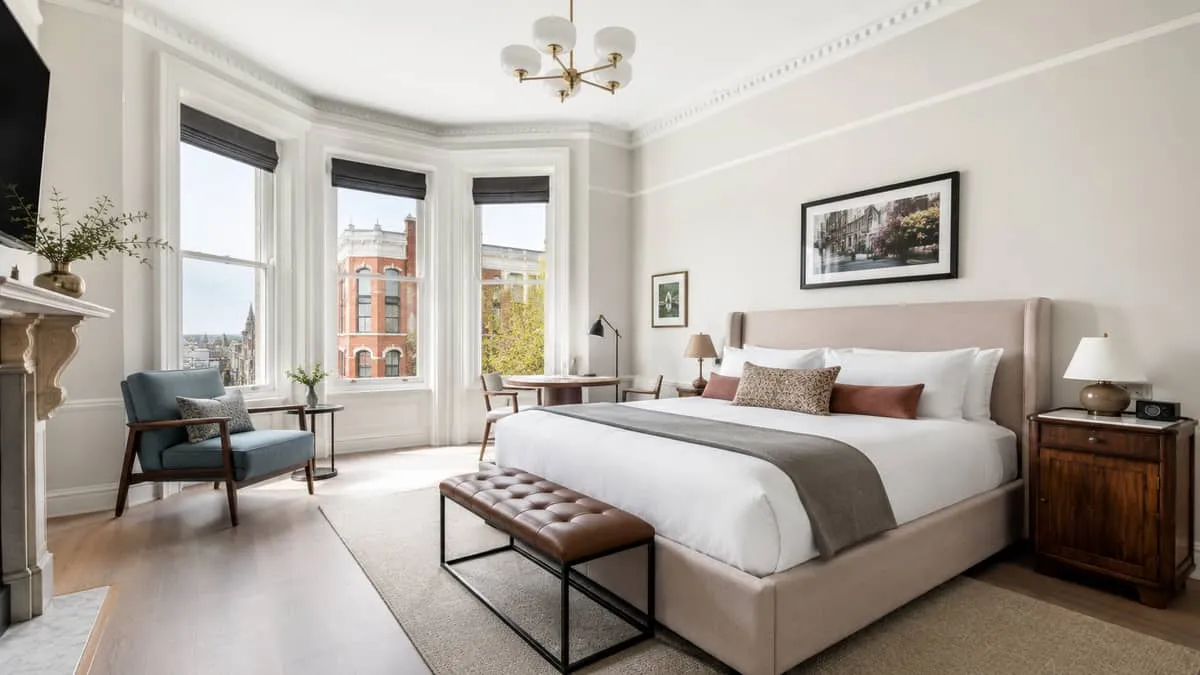
Guests who book an independent property on Humboldt Street or Government Street aren't confused about what they're buying. They've seen the Fairmont Empress from the causeway, they've priced it out, and they've chosen instead to pay for something that feels personal and local. "Charming Victoria" is the implicit promise in every boutique property's marketing, and it carries specific visual expectations: warm wood tones, upholstery that reads as considered rather than mass-produced, fixtures and fittings that acknowledge the building's age without pretending it's a museum.
That promise is also a sourcing constraint. A guestroom furnished with catalog-standard contract pieces , laminate casegoods, generic pulled-from-stock chairs, beds that could be in any mid-scale chain across North America , contradicts the thing the guest paid extra for. The furniture has to do narrative work. It has to make the room feel like it belongs in this specific city, in this specific building, rather than being installed in it.
This is a harder specification to meet than "durable" or "affordable." It requires furniture that has authentic material character , solid wood joinery you can see, upholstery with visual texture, proportions that read as pre-mass-production even when the piece is brand new. And it has to survive daily commercial use in a property that likely runs 70 to 85 percent occupancy for most of the year, because Victoria's tourism season is long. The city's mild climate means whale-watching season starts in spring, the legislative session draws government visitors through late spring, and the shoulder seasons that kill occupancy elsewhere barely register here.
Heritage Buildings Don't Cooperate With Standard Freight
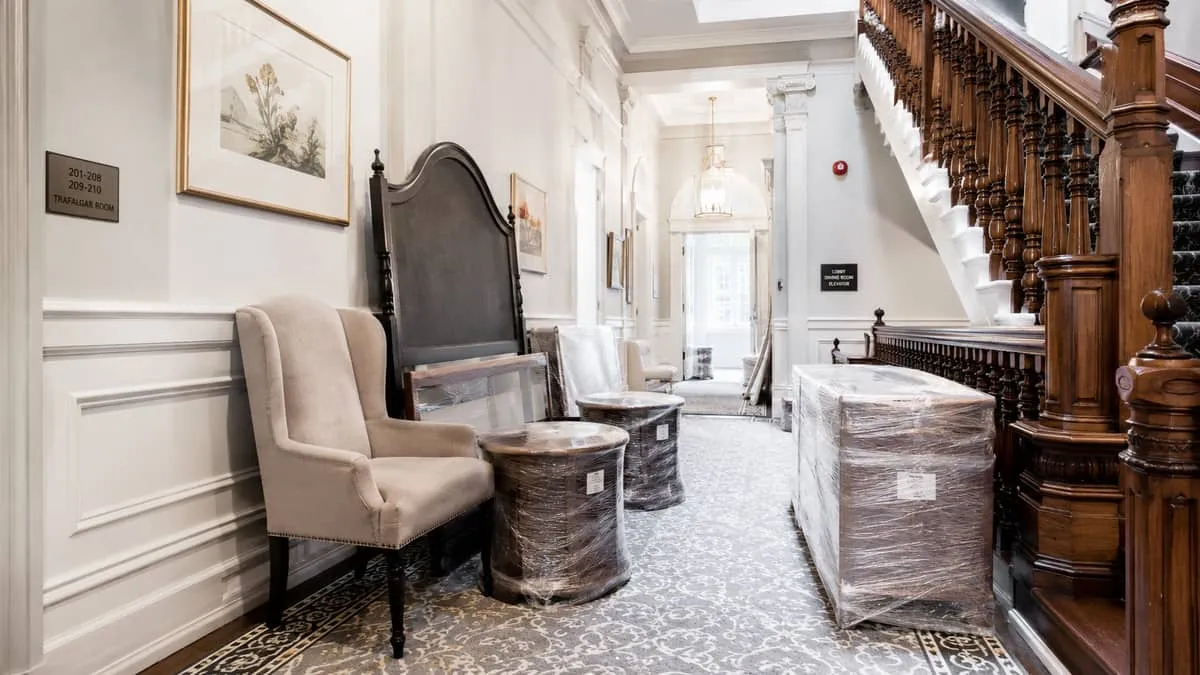
Before you get to aesthetics, you have to solve a logistics problem that catches Victoria boutique operators off guard more than once. The same architectural features that give Old Town properties their character , narrow staircases, tight hallway turns, service elevators that were added as an afterthought if they exist at all , make moving furniture in a practical challenge that has to be solved at the specification stage, not on delivery day.
Door widths in heritage Victoria buildings frequently run 28 to 32 inches. Standard hospitality casegoods are spec'd for modern construction that assumes 36-inch clearance. A beautiful solid-frame dresser that photographs perfectly in a supplier showroom may not make the staircase turn on Yates Street. This isn't a hypothetical; it happens on real projects and it's expensive to fix.
The practical response is to treat on-site assembly as a feature, not a compromise. Contract furniture that ships in components and assembles cleanly , with joinery that holds under commercial use rather than the kind of cam-lock hardware you'd find in flat-pack residential furniture , solves the access problem without sacrificing quality. Several BC-based contract workrooms build exactly this way. The frame arrives in manageable pieces, assembles in the room, and the resulting piece is solid and durable. Ask suppliers directly how their product moves through a narrow-stair building before you commit to anything.
Floor load is the other constraint that doesn't come up until it matters. Heritage buildings in Victoria have floor systems that often vary across a single property , the front rooms over a reinforced commercial ground floor carry more weight than the back rooms over older timber framing. This affects material selection. Solid hardwood case pieces are beautiful and durable, but a full room of them in a weight-sensitive zone creates problems. Your structural consultant should be involved before you finalize a furniture specification, particularly for upper-floor rooms in older properties.
Authentic Without Being Fragile: The Core Sourcing Problem
The furniture that looks most right in a Victoria heritage boutique hotel is, in many cases, the furniture that will fail fastest under commercial use. Genuine antiques and reproduction antique furniture have the visual character the "charming Victoria" aesthetic demands, but they're built to residential standards that commercial occupancy destroys. A claw-foot chair with original joinery looks perfect in the room and falls apart in 18 months of daily guest use. Operators who've made this mistake once don't make it twice.
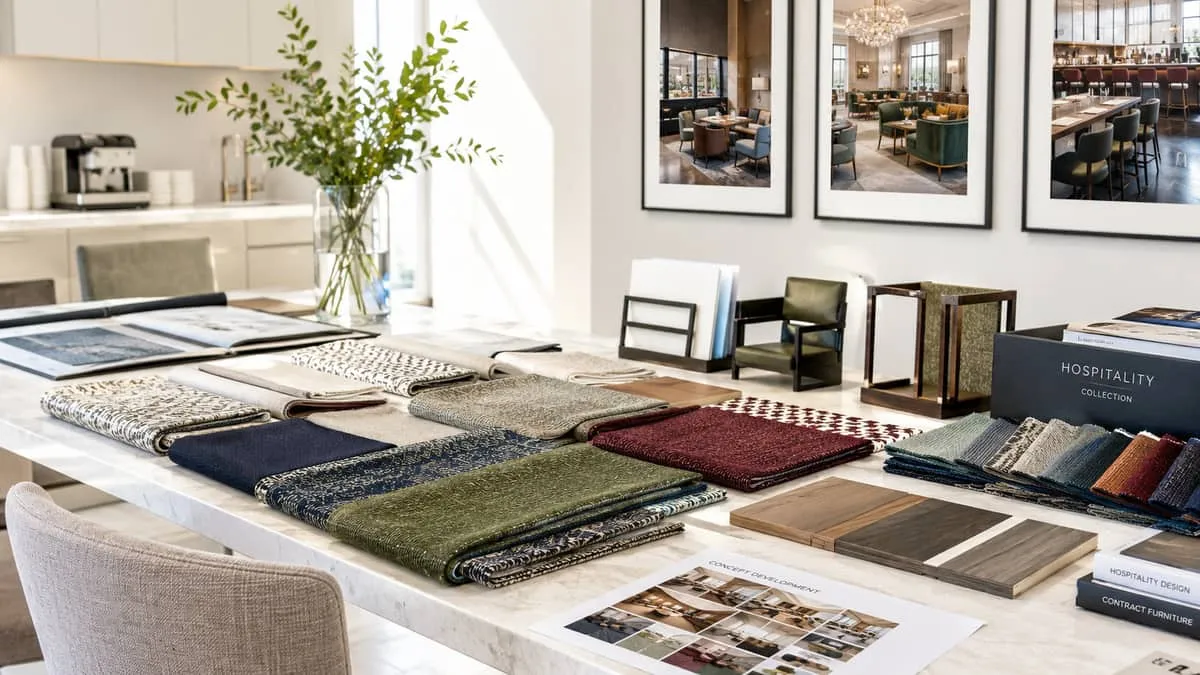
The solution is contract-grade furniture built to reference the period rather than replicate it. This is a real category. There are manufacturers and workrooms , several of them accessible through BC commercial distributors , that build upholstered seating and casegoods with the visual language of Victorian and Edwardian furniture and the internal structure of commercial-grade product. Eight-way hand-tied spring construction or sinuous spring with high-density foam, hardwood frames with corner-blocked joints, fabric specified at 30,000 double rubs minimum for seating that guests use heavily.
The visual signals that read as period-appropriate don't require antique joinery to land. Turned wood legs rather than tapered modern legs. Upholstery in wool blends or performance velvets in jewel tones , the deep greens, burgundies, and navies that show up in the architectural details of the buildings themselves. Brass or oil-rubbed bronze hardware rather than brushed steel. These choices cost money, but they're achievable at commercial durability standards. The combination is what guests are actually paying for when they book a boutique property in the Inner Harbour district over a chain hotel across the Causeway.
Common Areas Are Where Victoria Boutiques Win or Lose
In a 30-room Old Town property, the lobby, sitting room, and breakfast area carry disproportionate weight. They're where guests form their first impression, where they linger with afternoon tea , and Victoria boutique hotels that have leaned into the afternoon tea culture as an amenity have a common area that works extremely hard , and where they photograph and post. The guestrooms drive the booking, but the common areas drive the review.
Budget accordingly. A common mistake in boutique hotel furniture projects is inverting the spend ratio , putting more per unit into guestroom case goods because the room count feels like the main project and then underspecifying the lobby. The correct approach is the reverse. Common area seating should be the best upholstered product in the building, specified for high traffic and high visual scrutiny. A lobby chair in a Victoria boutique hotel will see more use and more guest eyes than any individual guestroom piece.
The mix discipline that works in Victoria common areas follows the same logic as the guestroom but with more latitude for statement pieces. Anchor the room in materials that read as period-consistent , a settee in a warm-toned velvet, a writing table in a dark stained hardwood , then allow accent pieces to introduce the hotel's specific personality. Properties near Fisherman's Wharf can pull in weathered nautical references. Properties in James Bay close to the Craigdarroch and the legislative grounds can go more formal. The building's location within Victoria is itself a design brief.
Work with a local interior designer who has hospitality experience if you're doing a full common area renovation. Victoria has a small but capable pool of designers who understand the heritage property context specifically. The investment in design fees pays for itself in avoided mistakes.
Patio Furniture Deserves a Serious Specification
Victoria's climate is an asset that most Canadian hotel operators would pay for. The mildest winters in the country, long shoulder seasons, and a genuine outdoor culture built around the Inner Harbour and the garden tradition that runs through the city's identity all mean that exterior furniture carries unusual commercial importance here. A Victoria boutique hotel with a courtyard garden, a terrace overlooking the Causeway, or even a decent street-facing seating area is operating that space for eight or nine months a year, not four.
That extended season is hard on furniture that wasn't specified for it. Residential-grade outdoor furniture from a garden center fails under commercial use in a single BC season , the humidity from the Pacific, the salt air for Inner Harbour properties, and the simple volume of guest use exceed what those pieces are designed for. Commercial aluminum frames with UV-stable powder coat, sling or solution-dyed acrylic fabric specified for marine environments, weighted bases that handle the wind that comes off the Strait of Juan de Fuca: these are the specs that matter.
The aesthetic target for Victoria exterior furniture should lean into the garden culture rather than fight it. Wrought-iron look aluminum, classic bistro profiles, furniture that reads as a natural extension of a well-maintained Victorian garden rather than a hotel amenity afterthought. Guests who booked a heritage boutique property in Victoria partly because of photographs of the garden or the terrace will notice immediately if the exterior furniture doesn't match the visual register of the property's interior.
Scale, Lead Time, and the Supplier Conversation
Victoria boutique hotel projects are almost never large by contract furniture standards. A 45-room Old Town property might need 40 upholstered headboards, 90 side tables, 20 lobby and common area chairs, and custom banquettes for a small dining room. Those quantities don't qualify for minimum order programs at the major contract manufacturers, but they're too large and too specification-specific to source through retail channels at reasonable cost.
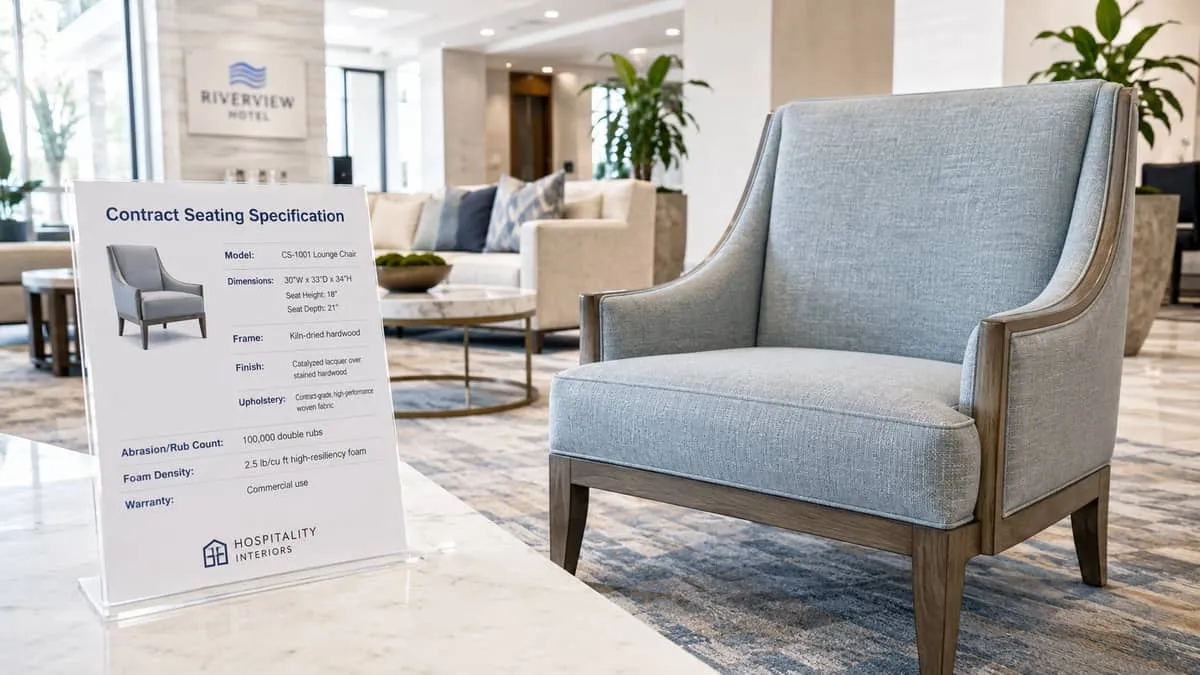
The right suppliers for Victoria boutique hotel projects are mid-scale contract workrooms and distributors who specialize in the 20 to 100 unit range. BC has several, mostly based in the Lower Mainland with freight access to Victoria via ferry or cross-water shipping. Be direct about your quantities when you approach them , suppliers who work in this range know what they're looking at and will tell you quickly whether the project fits their production model. Hiding the scope to get a meeting wastes time that renovation schedules rarely have.
Lead times for custom upholstery work are running 10 to 16 weeks in the current environment. Casegoods with any custom finish or dimension add time. Exterior furniture with custom specifications adds more. If your target opening date is May , the start of whale-watching season, when Victoria occupancy lifts sharply , and you're starting the sourcing conversation in February, you're already behind. The properties along the Inner Harbour that consistently earn design mentions in travel coverage and guest reviews built supplier relationships early, specified carefully, and gave themselves lead time they didn't end up fully needing. That's the right problem to have.
Victoria's boutique hotel market is unusual in Canada precisely because the properties compete on character rather than amenities. A pool or a fitness center isn't the differentiator here , the building is, the atmosphere is, and the furniture is a primary vehicle for delivering both. Operators who treat the furniture specification as a central part of the guest experience proposition, rather than a procurement exercise at the end of the renovation budget, are the ones who end up with properties that guests photograph, describe to their friends, and book again.
Planning boutique hotel furniture for your Victoria project? Share your specs and quantities and we will build pricing around your actual program. Request a quote to get numbers for your space.