
Tulsa's hospitality market runs on a mix of downtown corporate hotels, event-driven properties near the BOK Center, boutique concepts in the Arts District, and a restaurant and bar scene stretching from Brookside to Blue Dome. Every one of those business types needs furniture that survives daily commercial use, and the single most important decision in that process is choosing a supplier who actually understands the difference between contract-grade furniture and retail furniture marketed toward commercial buyers. Get that wrong and you are paying for replacements within two years instead of getting five to seven years of real service life.
What Contract Grade Actually Means for Tulsa Operators
Contract-grade furniture is manufactured to meet ANSI/BIFMA performance standards, testing that covers frame strength under repeated load cycles, foam density and recovery, fabric abrasion resistance measured in double rubs, and structural integrity under commercial use conditions that retail furniture is never subjected to. A commercial furniture supplier in Tulsa who can produce that documentation on request is operating at a different level than one who cannot.
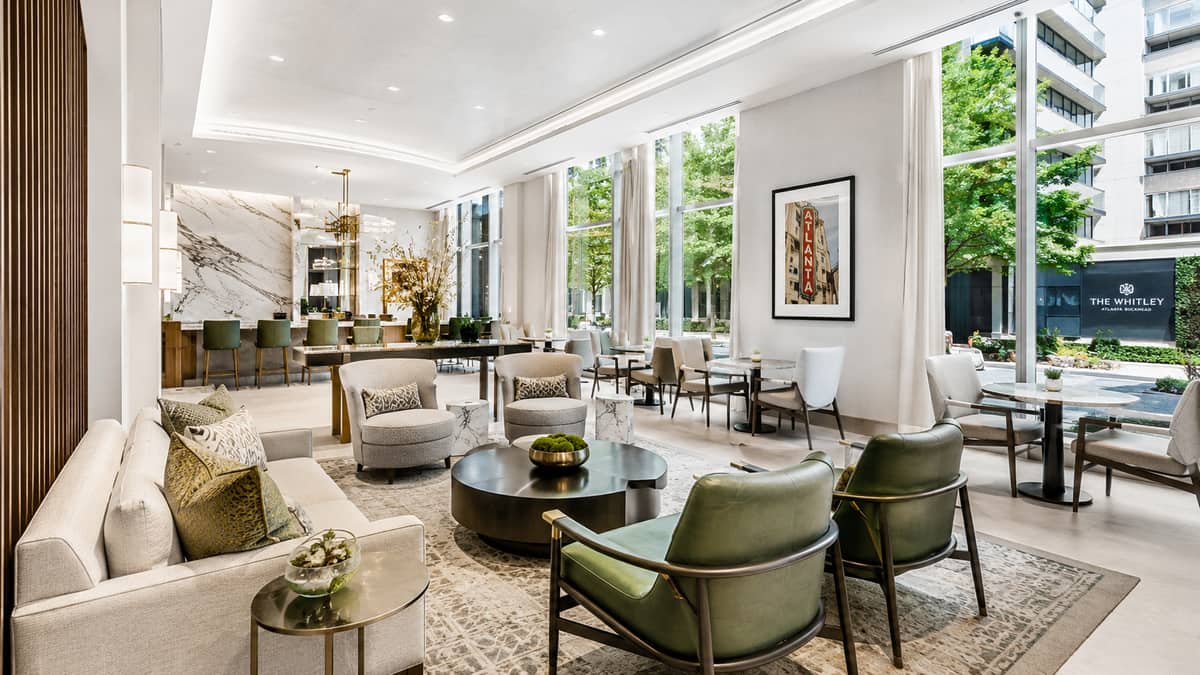
The price difference between contract and retail product is real, but it is not the whole story. Retail furniture in a commercial environment fails faster, sometimes dramatically faster, and the total cost of ownership over a five-year period almost always favors contract-grade product once you factor in replacement labor, business disruption, and the liability exposure of furniture that fails under a guest or customer.
Hospitality-Specific Requirements in the Tulsa Market
Tulsa's hospitality businesses face specific pressures that generic commercial furniture is not built around. Hotels near the convention corridor need furniture rated for event-weekend traffic spikes that far exceed average daily use. Restaurants along Brookside and in the Arts District need seating and tables that survive high-turnover service and constant cleaning cycles. Outdoor and patio programs across the metro need genuine weather resistance for Oklahoma's combination of summer heat, humidity, and severe weather events.
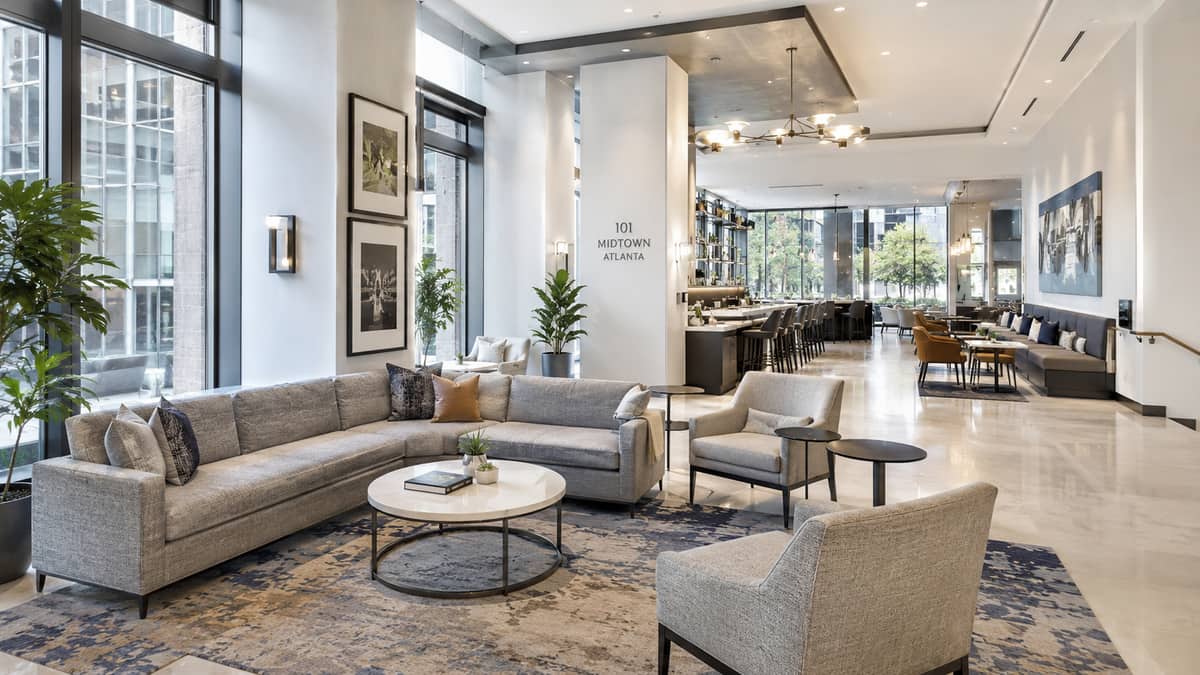
A generalist commercial furniture supplier who primarily serves office clients may not understand these hospitality-specific demands. Look specifically for a supplier with a real hospitality furniture line and documented experience with hotels, restaurants, and event venues in this market, not a general office furniture dealer offering a secondary hospitality catalog.
What to Look for When Choosing Your Supplier
Start with product documentation, ask for BIFMA test data, foam specifications, and fabric rub counts on any piece you are considering. A supplier who cannot produce this information quickly is not equipped to serve serious commercial buyers. Next, evaluate their logistics capability, white-glove delivery and installation experience in occupied commercial properties matters as much as the furniture itself, particularly for hotel renovation projects where guest disruption has to be minimized.
Ask about lead times honestly and get them in writing. Standard domestic production runs 10 to 16 weeks, imports run 20 weeks or more, and a supplier who quotes unrealistically fast timelines to win your business is setting up a problem you will inherit later in the project. Request references from completed Tulsa or regional hospitality projects comparable to yours in scale, and actually call them.
Budgeting for Contract Grade: What the Numbers Look Like
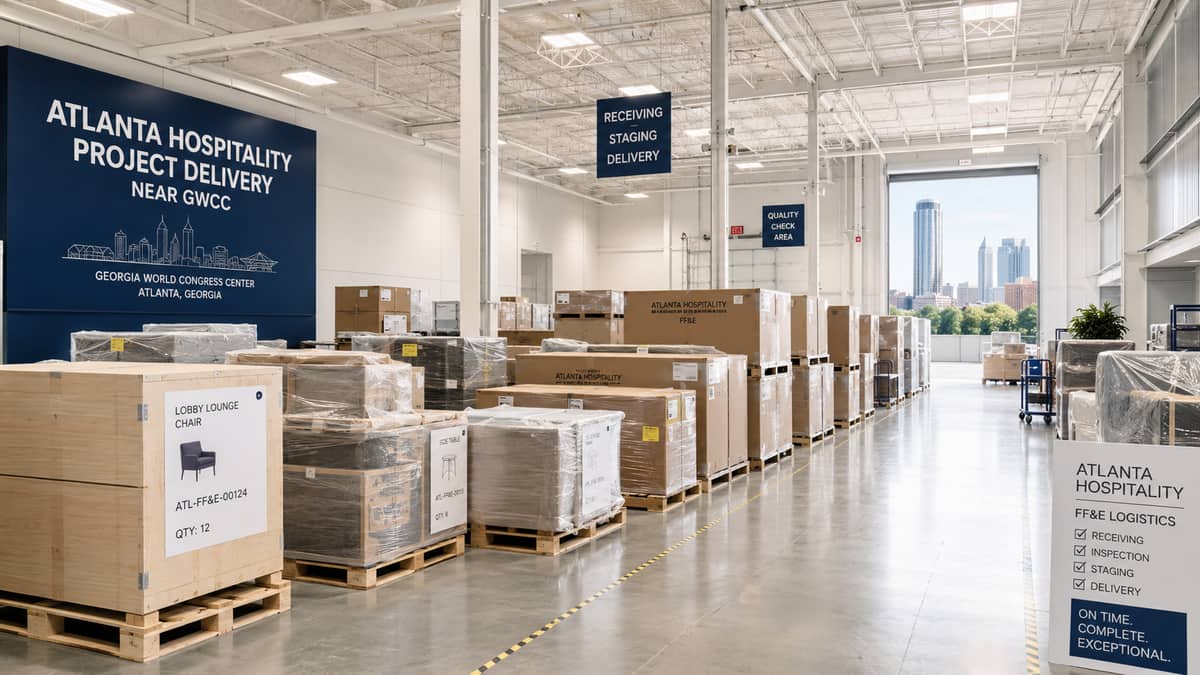
Contract-grade furniture typically runs 20 to 40 percent higher in upfront unit cost compared to retail-adjacent commercial furniture, depending on category and finish level. That premium is recovered within the first replacement cycle in nearly every hospitality application, a retail chair replaced every 12 to 18 months in a busy restaurant costs more over five years than a contract chair purchased once and maintained.
Build freight, white-glove installation, and an 8 to 12 percent contingency into your total furniture budget beyond the base unit pricing. Request a quote that breaks out these line items separately so you can see exactly where your investment is going before you commit to a supplier.