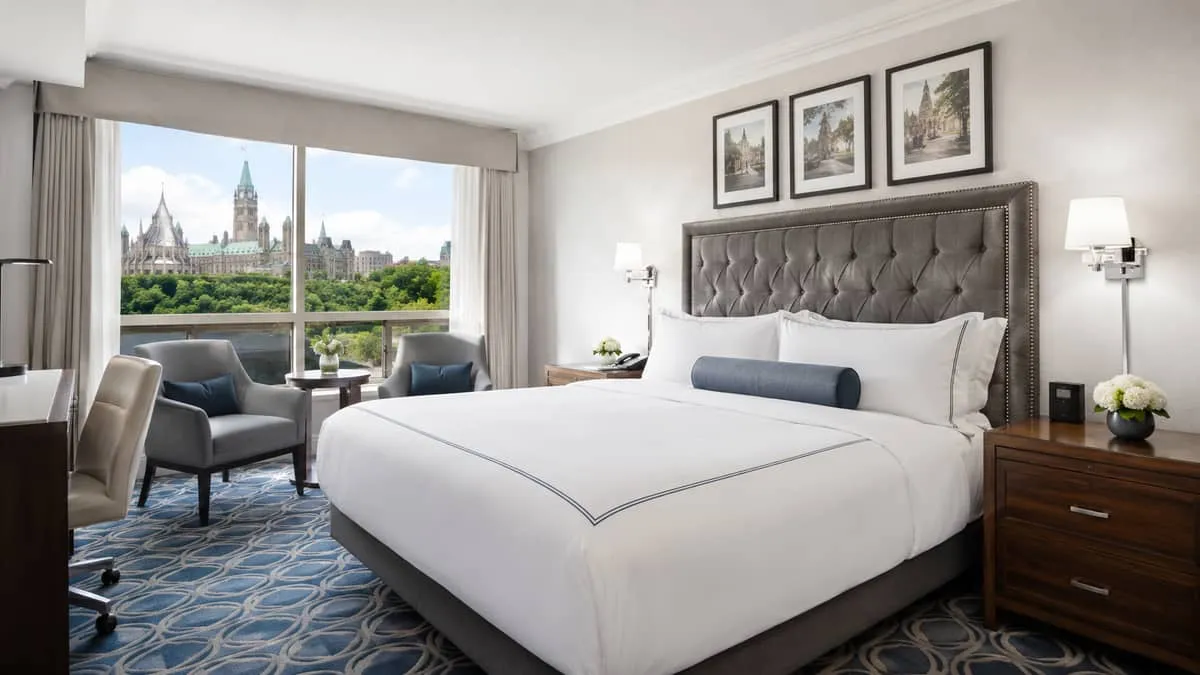
Ottawa's boutique hotel market is not competing against itself. It is competing against the Fairmont Chateau Laurier, the Rideau Street corridor properties, and the Shaw Centre hotel cluster that captures convention traffic by default. Any independent property in Hintonburg, Westboro, or the Glebe is making a specific argument to a specific traveler: you can stay somewhere that reflects how Ottawa actually lives, rather than how Ottawa hosts a federal conference. The furniture in your rooms and common spaces is the most consistent part of that argument. It is there before your staff greets a guest and still there when the guest decides whether to write a review.
The Traveler Opting Out of Sparks Street
The Sparks Street corporate corridor has its logic. It puts business travelers close to Parliament Hill, the Senate of Canada Building, and the federal departments that generate most of Ottawa's weekday room nights. But it is not a neighbourhood. It is a hotel zone, and a growing segment of Ottawa visitors is actively choosing not to stay in it.
That segment includes the tech industry visitors who come for meetings in the Ottawa tech corridor and prefer staying somewhere they can walk to dinner in Hintonburg without calling a car. It includes the diplomatic community, which has grown comfortable with Westboro and the Glebe as residential neighbourhoods where embassy staff actually live. It includes the leisure travelers crossing from Gatineau for a weekend in the ByWard Market or the Glebe dining scene, who want a property that feels like the Ottawa they came to experience rather than a branded hotel that could be in any Canadian city.
These guests have read about Hintonburg's restaurant row and the Glebe's Lansdowne-adjacent dining. They are arriving with neighbourhood intentions, and a boutique property positioned in or near those communities captures that traveler in a way that a Rideau Street property simply cannot. Your furniture strategy has to support that positioning. A guest who chose your property because it is a ten-minute walk from the Hintonburg dining strip will notice, consciously or not, if your lobby looks like it was sourced from the same catalog as the corporate properties they avoided.
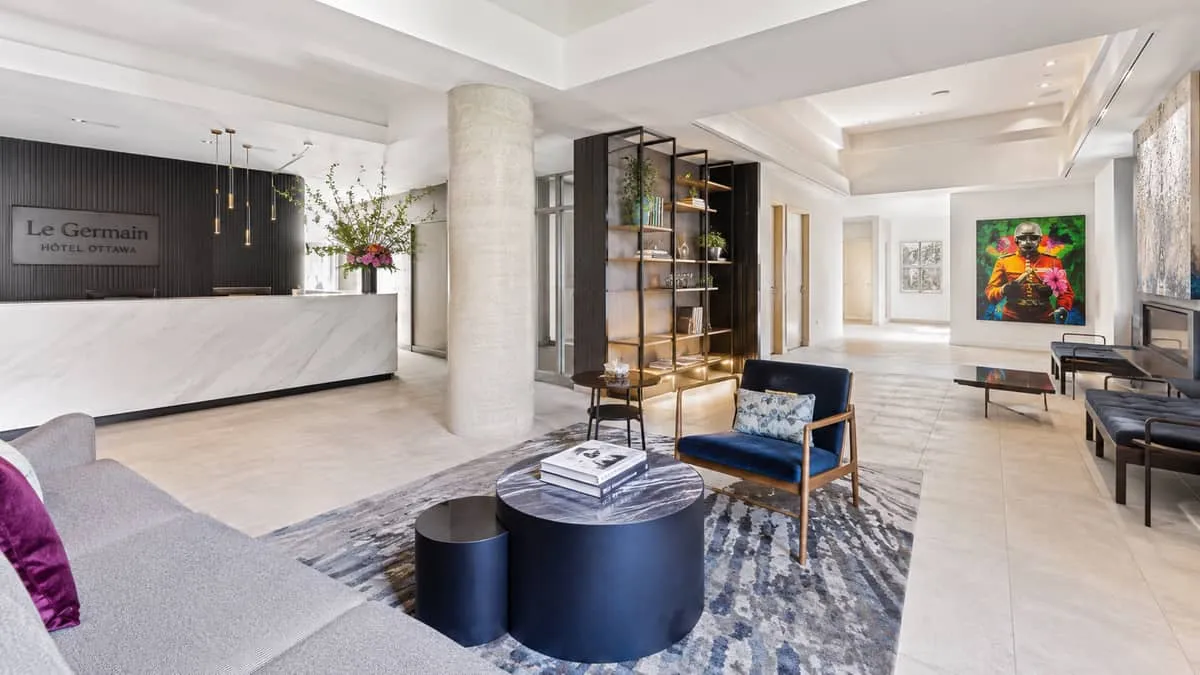
Hintonburg: Industrial-Reclaimed With Ottawa Valley Craft Influences
Hintonburg's identity as Ottawa's creative district is well established. The neighbourhood has breweries, independent galleries, and the kind of restaurant density that attracts a food-aware traveler. A boutique property positioned in or adjacent to Hintonburg is working within that visual context, and furniture that ignores it will feel disconnected.
The material language that works here leans into reclaimed wood, matte metal hardware, and upholstery in muted naturals that read as artisanal rather than mass-produced. Ottawa Valley craft traditions give this an additional layer: think white oak with visible grain and hand-finished edges, seating frames in blackened steel, textiles in wool or linen blends that reference the region's agricultural history without being literal about it. Exposed brick or original timber from a converted industrial or warehouse building gives you the foundation; the furniture selection should reinforce rather than fight those details.
For guest rooms in a Hintonburg-positioned property, this translates practically into platform bed frames in white oak or walnut with simple metal feet, nightstands that avoid the matched-set look in favour of complementary pieces in similar tones, and task lighting that references workshop and utility aesthetics rather than hotel-standard chrome and glass. Case goods with matte lacquer or hand-rubbed oil finishes work better than high-gloss alternatives that read as generic.
Contract-grade construction is non-negotiable regardless of aesthetic. A reclaimed-look bed frame that uses authentic materials but retail-grade joinery will fail under hotel turnover. Frame joints need mechanical fasteners in addition to adhesive, corner blocks at stress points, and kiln-dried hardwood throughout. Upholstered pieces need foam rated to commercial density standards and fabric tested to a minimum of 50,000 double rubs for any surface that sees daily seated contact. The Hintonburg aesthetic rewards honest materials; it does not reward furniture that looks honest and fails in six months.
The Glebe: Residential-Contemporary for the Professional Leisure Guest
The Glebe has a different character. Bank Street from the canal south is one of Ottawa's most consistent retail and dining corridors, and the neighbourhood's residential streets are among the city's most established. A boutique property in the Glebe is speaking to a professional leisure demographic: the couple from Toronto here for a long weekend of Lansdowne events and Glebe restaurant reservations, the association executive in town for a board meeting who books somewhere comfortable rather than the Shaw Centre cluster, the family visiting a University of Ottawa student who wants a neighbourhood experience.
Furniture for this context reads as residential-contemporary rather than industrial or heritage-referencing. Clean upholstered headboards in neutral performance fabrics, case goods in warm wood tones or soft whites, seating that suggests a well-appointed apartment rather than a hotel room. The goal is comfort that feels earned rather than designed, which is harder to achieve with furniture than it sounds. Mass-market residential furniture gets the look but fails on durability. Overly formal contract furniture gets the durability but loses the relaxed feel.
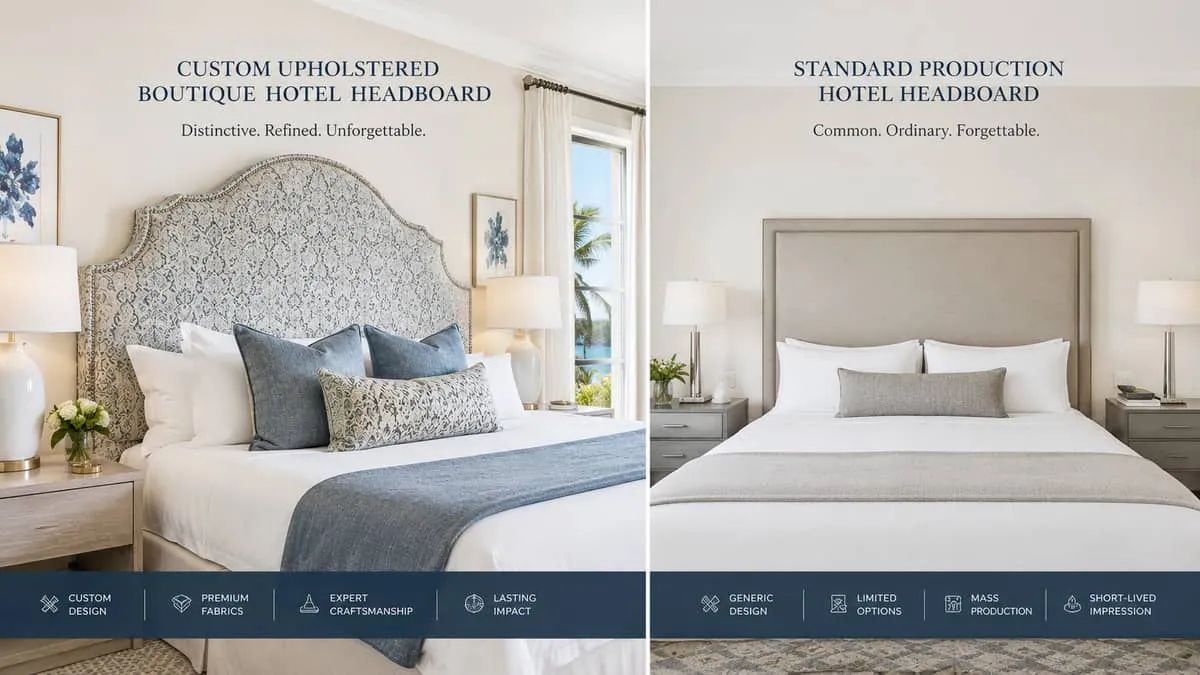
The practical approach is a curated mix: production contract-grade case goods in a quality wood veneer or solid wood construction, custom-upholstered headboards in a fabric that would not look out of place in a Glebe home, and accent seating that reads as genuine rather than purchased in multiples. A lobby or breakfast area in a Glebe property benefits from the kind of mix-and-match seating arrangement that a well-run independent restaurant in the neighbourhood might use: a combination of banquette seating, occasional chairs in two or three complementary fabrics, and table bases that do not all match but all belong.
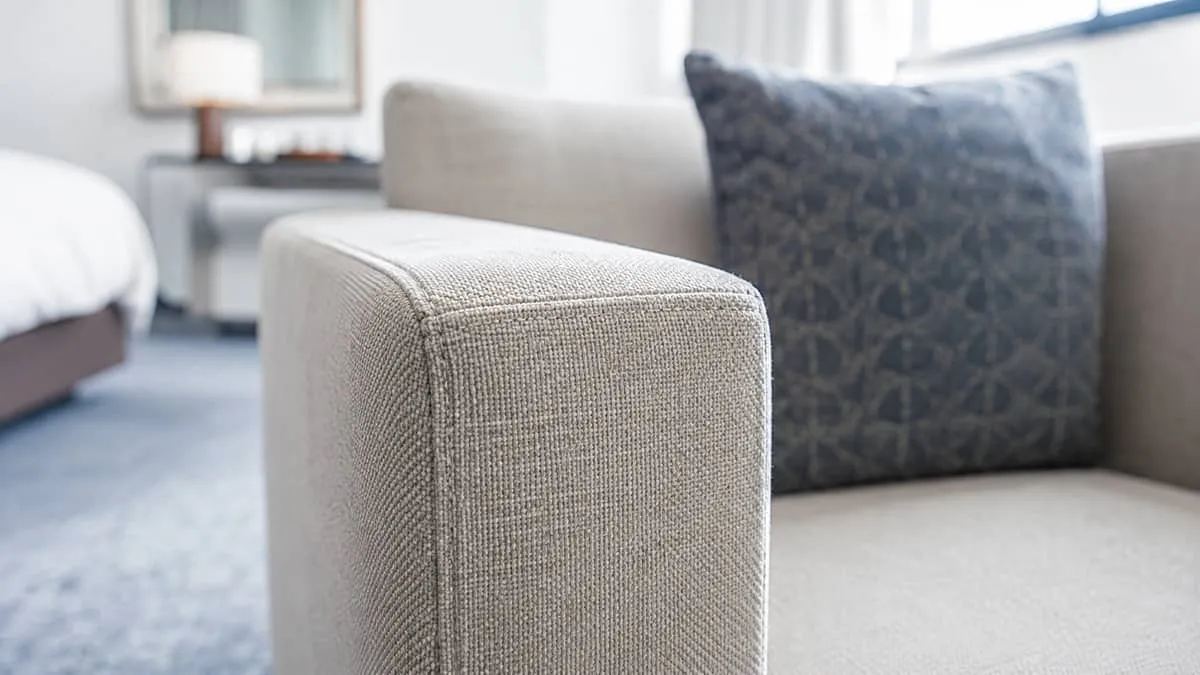
Capturing the Gatineau Cross-Border Leisure Market
Ottawa's geography creates a hotel market opportunity that Sparks Street properties are not particularly positioned to capture. Gatineau residents cross the river for the ByWard Market, the national museums, Lansdowne events, and the Glebe and Hintonburg dining scenes on a regular basis. A weekend stay in Ottawa rather than a day trip is a natural extension for Gatineau visitors who want to avoid the parking and late-night logistics of crossing back.
A boutique property in Westboro or the Glebe is a more interesting proposition for that market than a convention-district hotel. The Gatineau leisure traveler is already oriented toward the Ottawa neighbourhoods that boutique properties occupy. They know Hintonburg's restaurant concentration and the Glebe's Bank Street retail corridor because they visit those areas regularly.
Furniture strategy matters for this segment because Gatineau visitors are making a deliberate choice to pay for a hotel experience in a city that is essentially their backyard. The room needs to justify that decision, which means it needs to feel like it was considered and curated rather than equipped. A guest room that looks like the same chain hotel available on the Quebec side of the river gives this guest no reason to repeat the stay. A room with genuine material quality, a visual identity tied to the Ottawa neighbourhood it occupies, and the kind of desk setup that makes a working weekend stay functional rather than cramped gives you a returning customer.
Working Desk Setups for Ottawa's Conference-Adjacent Guest
Ottawa is Canada's largest convention market outside Toronto, and the Shaw Centre's proximity to properties across the city means that even boutique hotels in Hintonburg or Westboro see conference-adjacent business. This is the lobbyist staying outside the hotel cluster for privacy or preference. The association executive who booked your property on a colleague's recommendation. The policy consultant doing prep work for a committee appearance the next morning.
These guests use the desk. A decorative writing surface that positions well in photographs but lacks functional depth, proper cable management, and a chair with genuine lumbar support will generate negative reviews from this segment specifically, because they are the guests most likely to spend three hours at that desk before dinner. Ottawa's public sector and association economy means conference-adjacent stays are spread across more of the city than in markets where the convention district is more isolated.
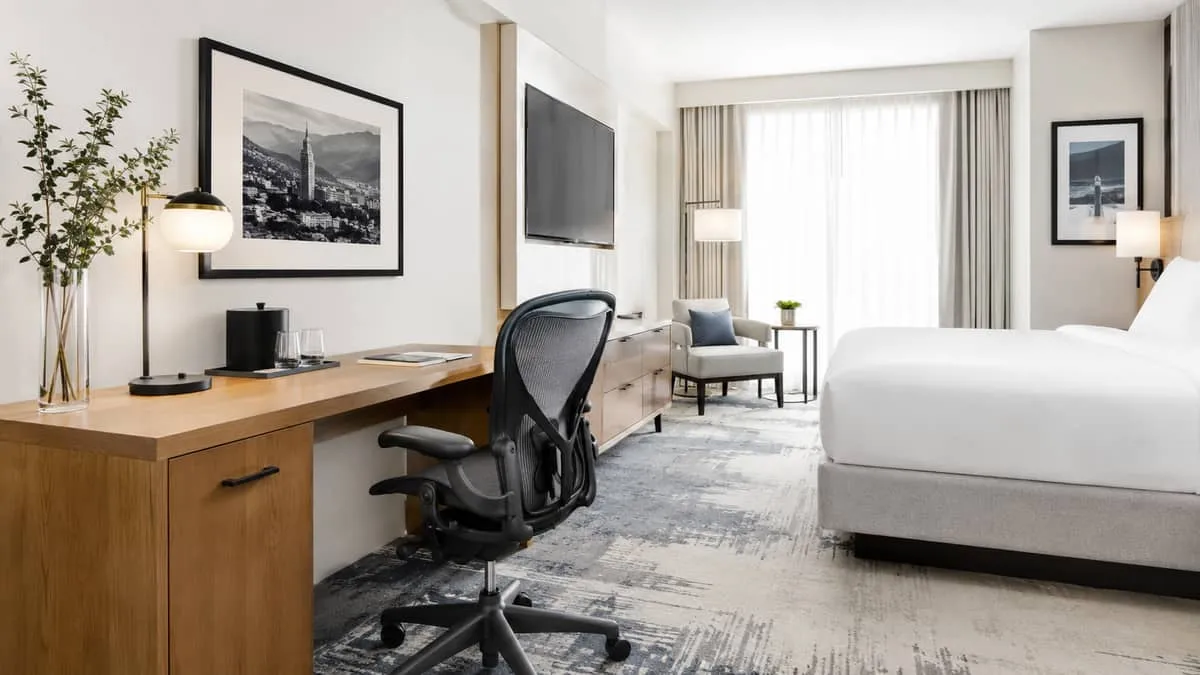
The desk setup for a boutique Ottawa property needs a writing surface of at least 42 inches wide, a task chair with adjustable lumbar support and arm height, accessible power and USB at the work surface, and lighting that allows working without the overhead fixture. This does not mean the desk has to look utilitarian. A solid white oak writing desk with integrated cable tray and a task chair in a quality wool-blend fabric can fit within either the Hintonburg industrial-craft or Glebe residential-contemporary aesthetic while delivering the function that Ottawa's working traveler actually needs.
Contract Grade in a Heritage Building Context
Much of Ottawa's most characterful real estate is heritage-designated or heritage-adjacent, particularly in the Glebe, Centretown, and the older parts of Hintonburg. National Capital Commission property controls and the City of Ottawa's heritage overlay mean that renovations in these buildings move at their own pace, and the furniture procurement process needs to account for that.
The practical implication is that lead times for contract-grade and custom pieces, typically 12 to 16 weeks for upholstered items and longer for fully custom work, need to be mapped against a renovation schedule that may itself be subject to permit delays. Starting the furniture specification process before permits are finalized is not premature in this market. It is necessary.
Heritage buildings also present specific furniture sizing considerations. Door openings, stairwells, and room dimensions in a converted Ottawa heritage property may not accommodate standard hotel furniture sizes. A platform bed frame that works perfectly in a new build may not clear a 19th-century door opening on the second floor. Sourcing from suppliers who will confirm dimensions against your actual floor plans and door measurements, rather than working from catalog specifications only, protects against expensive delivery-day problems.
Sourcing at Boutique Scale in the Ottawa Market
The volume problem is real for Ottawa boutique properties. A 30-room property in Hintonburg needs 30 bed frames, 60 nightstands, 30 desk chairs, and 30 desk surfaces, plus lobby and common area seating. That order is not economical for a manufacturer targeting 400-room convention properties, and it is too large for residential suppliers to handle without compromising on contract-grade specifications.
The right sourcing approach involves working with distributors who explicitly serve independent hospitality clients at smaller quantities, mixing production contract-grade pieces for case goods and beds with custom upholstered accent pieces for headboards and lobby seating. This model lets you control the pieces that define your visual identity, primarily the upholstered elements a guest sees first, while keeping the overall project budget in a range that makes sense for a smaller property.
Suppliers with experience in the Ottawa market also understand the logistics of delivering to heritage buildings, coordinating with heritage renovation contractors, and meeting the NCC-area requirements that apply to some Ottawa properties. That local knowledge is worth more than it might appear in a straight price comparison against a supplier without Ottawa project experience.
If you are planning a new boutique property or a significant refresh in Hintonburg, Westboro, the Glebe, or any of Ottawa's emerging independent hospitality neighbourhoods, the furniture specification conversation is worth starting at the earliest stage of planning. The lead times are real, the constraints of the Ottawa heritage building stock are real, and the traveler who is choosing your property over the Sparks Street corridor deserves a room that justifies the choice.
We quote boutique hotel furniture for Ottawa operators against their own layouts and order sizes rather than a generic sheet. Request a quote and we will put together pricing for your property.