
Oklahoma City's hospitality market has grown fast, and the furniture inside it has to keep pace. Between the meeting and event traffic flowing through the Oklahoma City Convention Center downtown, the boutique hotel activity around Bricktown and Automobile Alley, and the restaurant density packed into Midtown and the Plaza District, your furniture takes a beating. If you're sourcing from a commercial furniture supplier for an Oklahoma City property, the single most important question you can ask is whether the product is genuinely contract-grade, not retail furniture repositioned with a commercial label.
What Contract Grade Actually Means for Oklahoma City Operators
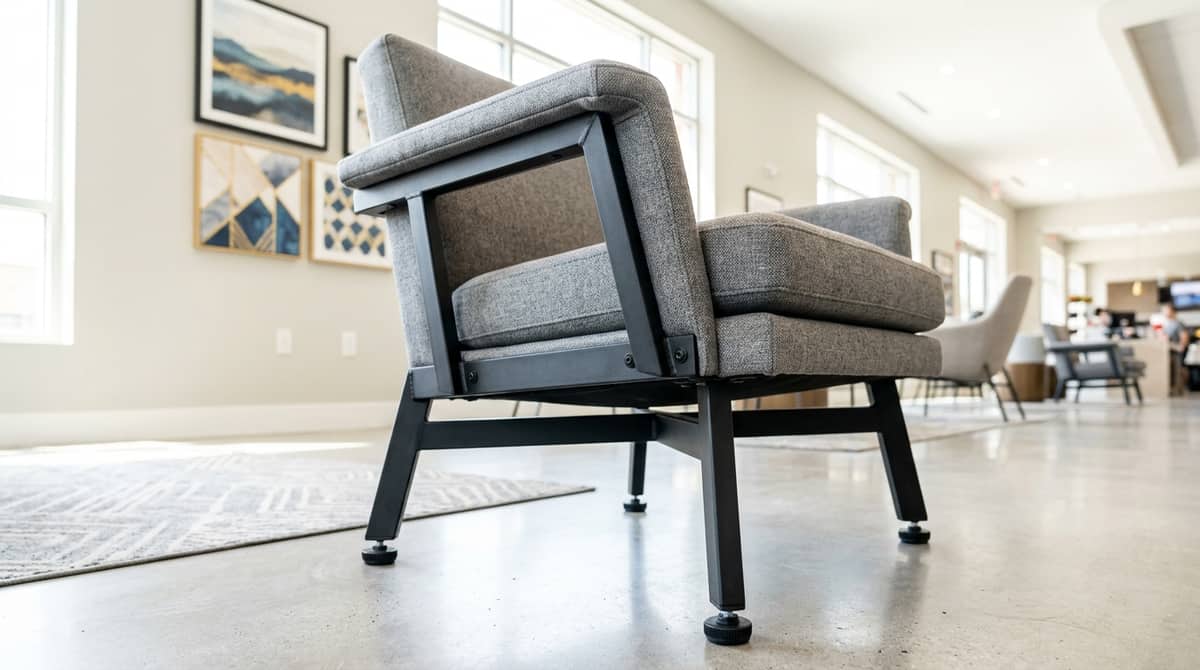
Contract furniture is engineered for continuous, multi-user commercial use. That means frame construction rated for tens of thousands of cycles, seating that meets or exceeds BIFMA durability standards, and finishes that can withstand daily cleaning with commercial-grade products. Retail furniture, even high-end retail, is designed for residential loads: one or two users, lighter cleaning schedules, and the kind of wear a household generates over years rather than a downtown hotel bar generates in a single weekend.
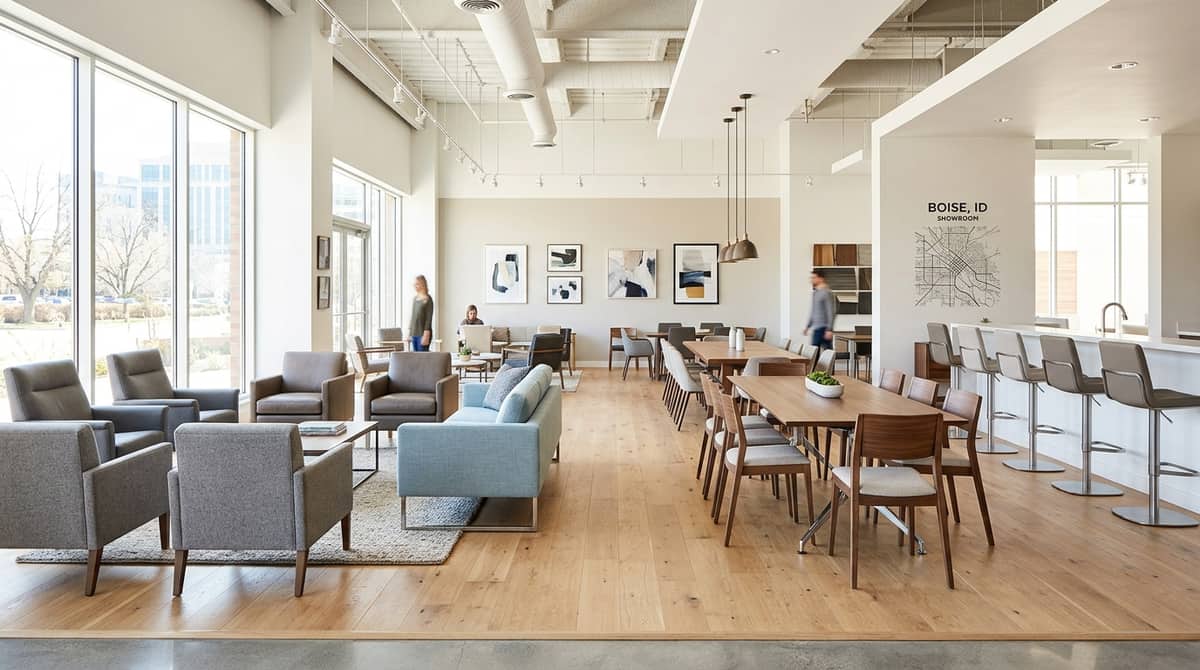
The difference becomes visible fast. A Bricktown hotel lobby that furnishes with retail-grade seating may look sharp at opening, but within 18 months you're looking at sagging cushions, wobbling bases, and frames that no longer hold their tolerance. For a property drawing steady convention and Thunder game night traffic near Paycom Center, that's not a cosmetic issue, it's a liability and a brand problem.
When you're evaluating a commercial furniture supplier, ask directly: does this product meet BIFMA X5.1 seating standards? Is the foam density specified, and what is it? What gauge steel or which hardwood species is used in the frame? A supplier who can't answer those questions clearly is probably not selling true contract product.
Hospitality-Specific Requirements in the Oklahoma City Market
Oklahoma City hospitality properties have specific demands that general commercial furniture suppliers may not anticipate. Convention-adjacent hotels serving the Oklahoma City Convention Center and the surrounding Scissortail Park corridor need seating that holds up under conference turnover, rooms reset multiple times per day, chairs stacked and unstacked by banquet staff, tables reconfigured for different event formats. That means you need stack chairs with reinforced leg welds, folding tables with commercial-grade hardware, and banquet chairs where the seat-to-frame connection is bolted, not stapled.
Food and beverage operations in high-traffic environments like Bricktown's entertainment district and the Automobile Alley corridor face a different set of requirements. Outdoor and semi-outdoor patio seating needs aluminum or powder-coated steel frames that resist Oklahoma's temperature swings, spring hail, and summer heat without fading or corroding. Upholstered pieces in indoor dining need COM (customer's own material) capability so you can specify a vinyl or performance fabric that cleans quickly and resists staining under real service conditions. The aesthetic expectations in these districts are high, operators there are not buying commodity seating, but the durability bar has to match the volume.
Midtown and Plaza District restaurant and bar operators tend to need a supplier who can handle mixed-use projects: lounge seating for one zone, high-top tables for another, patio furniture for a third. A contract-grade supplier should be able to source across all three categories from manufacturers whose product lines are designed to work together in terms of finish and scale, so your space reads as intentional rather than assembled from different catalogs.
What to Look for When Choosing Your Supplier
The supplier relationship matters as much as the product itself. For most Oklahoma City hospitality projects, you're not buying a single item, you're furnishing an entire property or a significant renovation, which means lead times, freight logistics, and installation coordination all become part of the equation.
Start with lead time transparency. Contract furniture is typically manufactured to order, and current lead times from domestic manufacturers run eight to fourteen weeks depending on the product category. An international manufacturer may quote a lower price but a sixteen-week lead time with port risk built in. Know your project timeline before you commit to a source, and get lead time guarantees in writing rather than estimates.
Ask about minimum order quantities and whether the supplier can accommodate phased delivery. A downtown boutique hotel opening in phases, or a Bricktown restaurant renovating one dining room while keeping the bar open, may need furniture delivered in stages on a rolling schedule rather than all at once. Not every supplier has the logistics infrastructure to manage that, and finding out late in the process is costly.
Warranty terms are where you separate contract-grade suppliers from wholesale operations moving product that happens to look commercial. A credible contract furniture supplier offers a minimum five-year warranty on structural components and a clear claims process. If the warranty language is vague or excludes commercial use, that's a red flag that appears more often than it should. Walk away.
Finally, look for a supplier with a showroom or sample program. You should be able to put hands on the product before you commit to a full order. Finish samples, cushion density samples, and physical frame inspection are standard in the contract furniture industry. If a supplier is reluctant to provide samples or can only show digital renders, that's worth noting.
Budgeting for Contract Grade: What the Numbers Look Like
Contract-grade commercial furniture costs more upfront than retail alternatives, and that's the right way to think about it: as a capital investment with a depreciation schedule, not a line item to minimize. A commercial dining chair from a reputable contract manufacturer typically runs $150 to $350 per unit depending on specification. A comparable-looking retail chair may be available for $80 to $120, but if it fails in two years and requires replacement, you've spent more in total and absorbed the operational disruption of a mid-cycle refurb.
For Oklahoma City operators running full-service restaurants or hotel F&B, a realistic rule of thumb is to budget contract-grade seating at 15 to 20% of your total FF&E spend and treat it as a five-to-seven-year asset. At that horizon, the math on contract grade versus retail almost always resolves in favor of the higher upfront cost.
Larger properties, a convention hotel near the Oklahoma City Convention Center, a multi-concept development along the Bricktown canal, have more negotiating leverage on pricing because volume orders unlock manufacturer pricing tiers. A good supplier will help you understand where those thresholds are and structure your order to hit them when the project scope allows.
Work with a supplier who treats your project as a specification exercise, not a transaction. The right commercial furniture partner for your Oklahoma City property will ask about your traffic patterns, your cleaning protocols, your brand aesthetic, and your timeline before they quote you anything. That conversation is what separates a supplier who can genuinely serve a hospitality operator from one who is moving boxes.