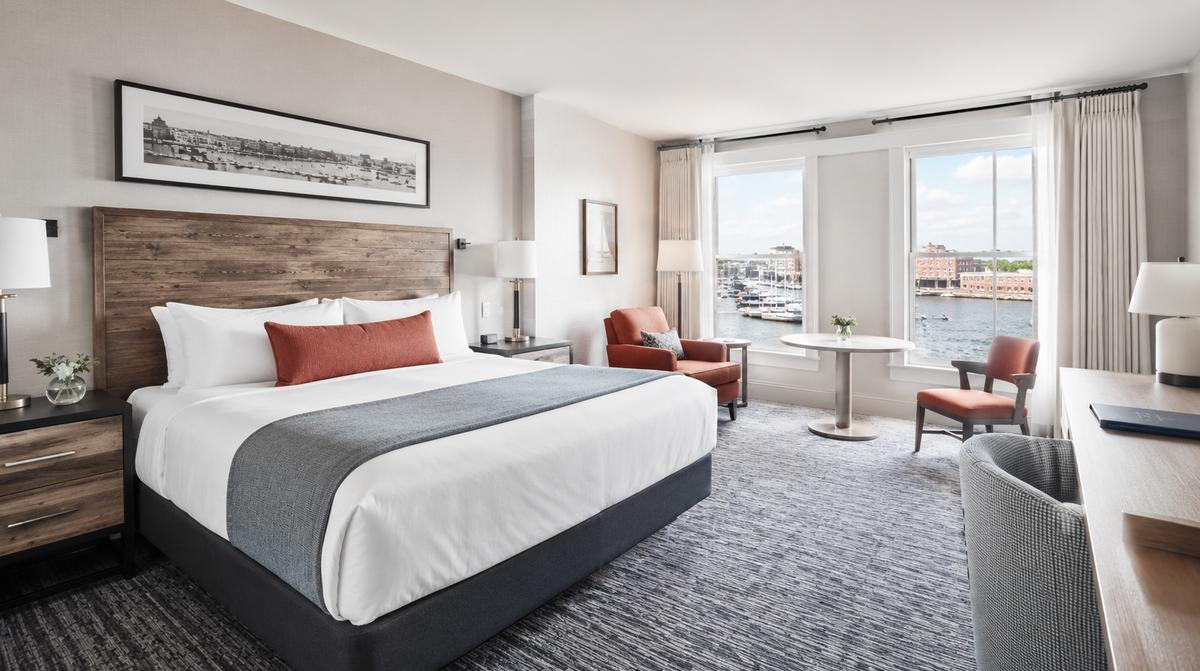
Honolulu's boutique hotel scene does not compete on the same terms as the big beachfront towers. You have small, design-led properties tucked into Waikiki side streets pitching character and locality to travelers who have already stayed at every major resort brand on the strip. You have Kakaako and Ala Moana properties courting a newer, younger crowd drawn to the gallery and food scene that has grown up around that corridor. You have a handful of downtown and Chinatown conversions leaning on the historic architecture of Fort Street Mall and the old merchant district. Each of these contexts wants a different furniture answer, and none of them can be solved with a standard resort FF&E package pulled off the shelf. If you are sourcing boutique hotel furniture Honolulu style, the core challenge is the same across all of them: contract-grade construction that survives a marine climate, smaller order quantities, and an aesthetic that reads as genuinely local rather than assembled from a tiki-themed catalog.
Why Honolulu's Climate Changes the Durability Math
Salt air, high humidity, and near-constant trade winds put a different kind of stress on furniture than almost any mainland market. The Hawaii Convention Center draws steady group and meeting business through Waikiki and Ala Moana properties, and that traffic compounds with the year-round leisure demand that never really has an off-season here. Furniture that would hold up fine in a temperate climate can swell, warp, or corrode within a couple of years under Oahu's ocean-adjacent conditions, especially anything positioned near open-air lobbies, lanai seating, or pool decks that get direct salt exposure.
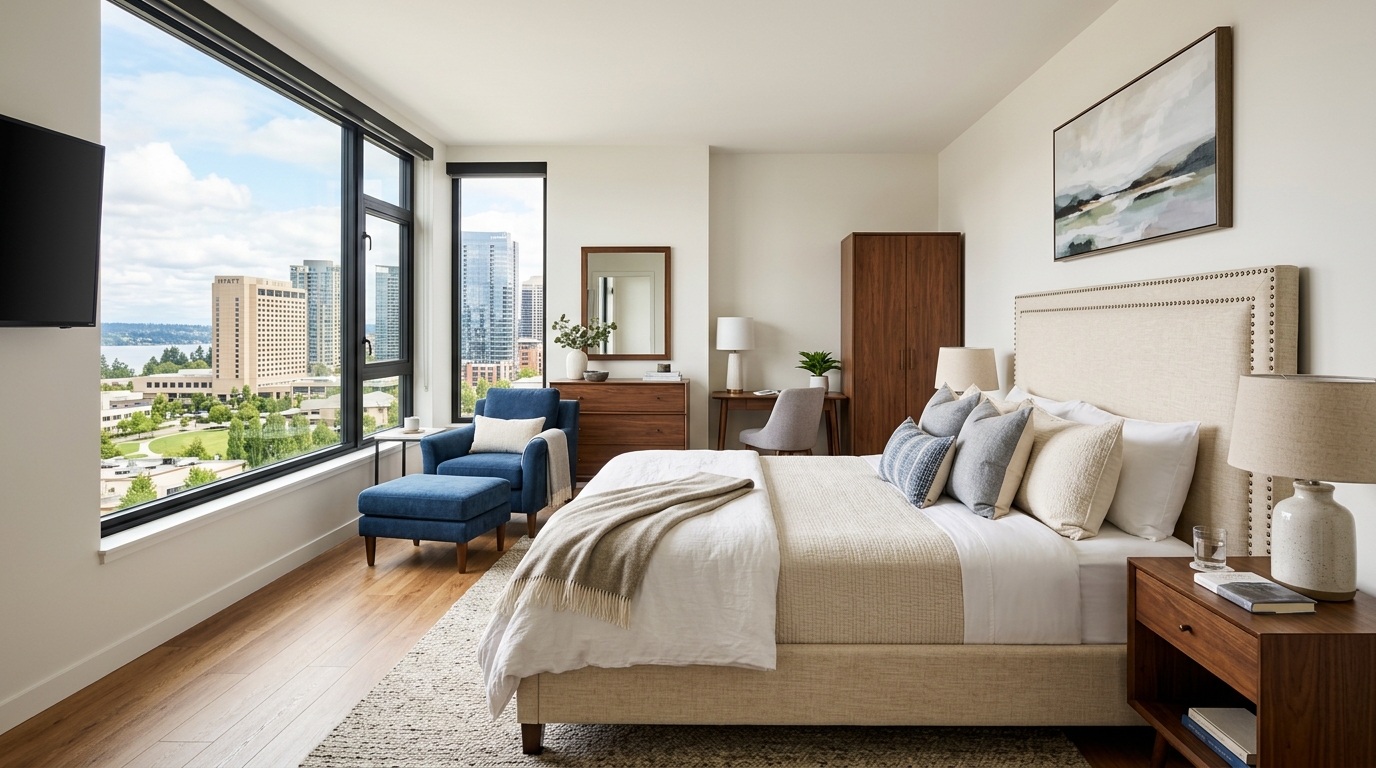
The lounge chairs in your open-air lobby, the upholstered pieces near lanai openings, the guestroom seating in units without full climate separation from the outdoors all of it needs to be specified for humidity and corrosion resistance from day one. Furniture marketed as hospitality-grade without marine-appropriate hardware fails fast in this environment. Stainless or powder-coated fasteners, moisture-resistant frame treatments, and upholstery rated for high humidity are not upgrades here, they are the baseline. Skip that step and you are back out shopping again in eighteen months, paying twice for what should have been a single decision.
Contract-grade construction in Honolulu means hardwood or engineered hardwood frames finished for moisture resistance, upholstery rated above 30,000 double rubs in any space with indoor-outdoor flow, and corrosion-resistant hardware throughout. For boutique properties absorbing steady convention and leisure traffic in a marine climate, that construction standard is the floor, not the ceiling.
Design Cohesion Without Falling Into Resort Cliche
What separates a strong boutique property in Honolulu from an average one is not the individual pieces, it is whether the room reads as authentically considered rather than borrowed from a mainland idea of what Hawaii should look like. That distinction comes down to how early you lock your material palette before sourcing begins.
A Kakaako property positioned toward the gallery and design crowd can credibly pull from a more restrained, contemporary vocabulary: light wood tones, woven natural fiber accents that nod to local craft without leaning into kitsch, upholstery in muted earth and ocean tones. A Waikiki property competing directly with the resort towers needs a tighter, more elevated program, case goods with clean lines, high-performance fabric that photographs well under tropical light and holds its color through UV exposure, metal accents in brushed brass or matte black rather than anything that reads as beach-store rattan. A downtown or Chinatown conversion near Fort Street Mall might lean into the plantation-era architectural bones of the building itself, pairing furniture with a more historic, tropical-modern sensibility rather than competing with it.
The mistake is sourcing pieces that each look good in isolation and trying to make them cohere at install. You end up with rooms that read as assembled from a vacation rental catalog, and design-literate guests, who are exactly the guests a boutique property in this market is trying to win, notice immediately when a room lacks a coherent point of view. Palette first, sourcing second. Pick two or three anchor finishes, a consistent wood tone or metal family, a tightly defined fabric range rated for the local climate, and hold every piece to those constraints before a single order goes out.
Navigating Minimums and Shipping Realities
Most major contract furniture manufacturers are tooled for scale, comfortable with large mainland resort orders. A 40-room boutique property in Waikiki ordering 45 units of a lounge chair and 30 guestroom desk chairs does not move the needle for most large manufacturers, and their minimum order requirements reflect that.
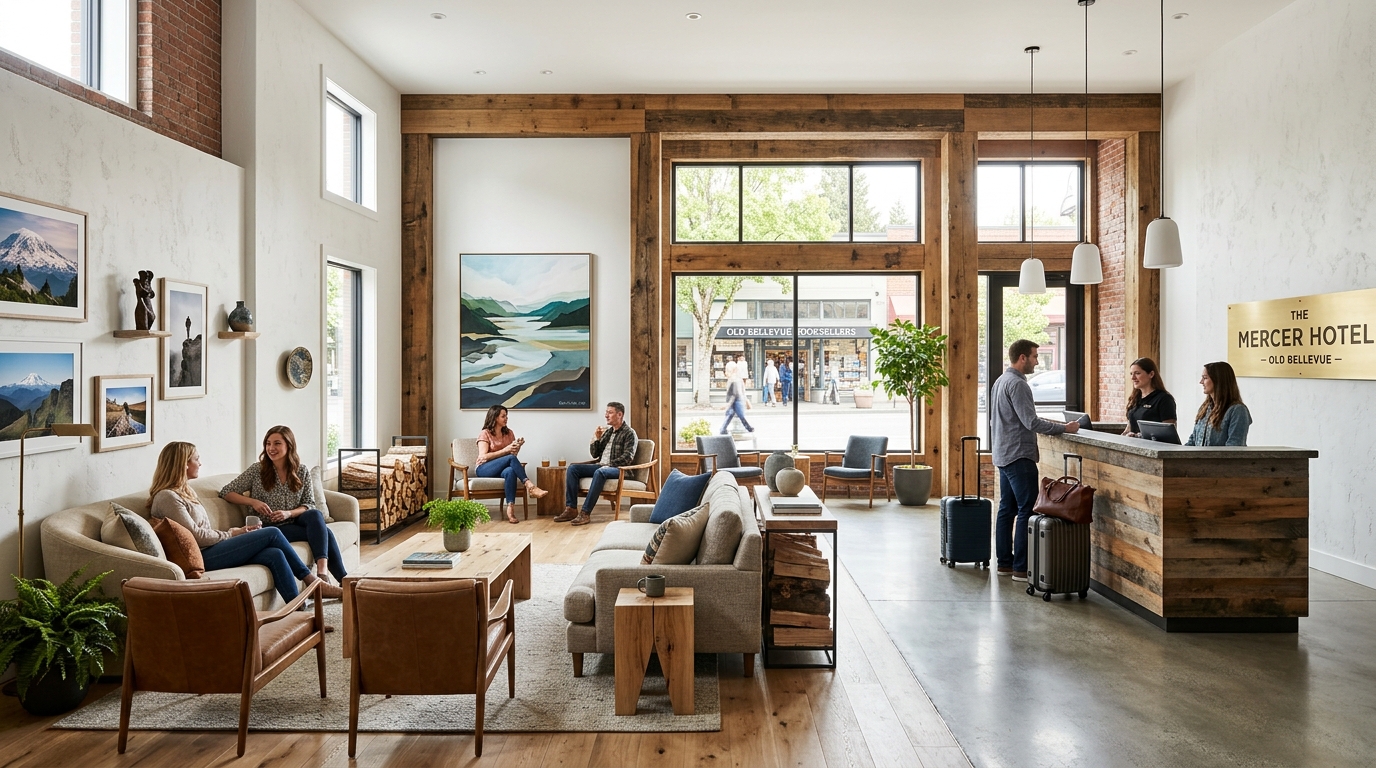
This is not just a scale problem, it is also a logistics problem. Everything shipping to Oahu moves by ocean freight from the mainland or further afield, which adds real weeks to any lead time estimate and makes reorders for a missed spec far more expensive than they would be on the mainland. The suppliers worth working with are the ones who have built their business around exactly this kind of account: independent hotels, boutique projects, and properties in island or otherwise logistically constrained markets. They will not blink when you need 20 units of one chair and 15 of another, and they will build freight consolidation into their planning rather than treating it as your problem to solve after the fact. Ask about minimums and shipping timelines together, in writing, before you build a specification around a supplier who cannot actually get product to the dock on your schedule.
If you are using an FF&E consultant or purchasing agent for a Honolulu project, one of their primary functions is aggregating your order with other island-bound hospitality projects to make ocean freight economical and to access manufacturer programs your standalone order volume would not unlock on its own.
Planning for a Renovation Cycle That Fights the Climate
Boutique properties in Waikiki and the Ala Moana corridor refresh their interiors on a faster cycle than owners often plan for going in, and in Honolulu that cycle is driven as much by material fatigue from the climate as by changing design trends. Case goods and upholstery that would last a full renovation cycle on the mainland can show wear years earlier here.
The right time to plan for that refresh is during initial procurement, not when you are already behind schedule. Specify frames and case goods built with moisture resistance for the full expected cycle. Treat upholstery as the variable you will rotate more frequently given UV and salt exposure. Require COM-ready construction on all upholstered pieces from the start, no proprietary fabric tracks, so reupholstery is straightforward when the fabric fades before the frame does. Keep clean documentation of your original specifications, frame construction, foam densities, fabric weights, hardware finishes, since sourcing replacement components from an island market is far easier when you know exactly what shipped the first time.
Lead times on custom upholstery programs bound for Oahu typically run 12 to 18 weeks once ocean freight is factored in. If you are targeting a seasonal opening or a specific event window, furniture orders need to go out early enough to absorb that freight timeline without compressing your install schedule. Properties that treat Honolulu sourcing like a mainland market on the timeline side are consistently the ones scrambling at opening.
Sourcing boutique hotel furniture in Honolulu is a more specific problem than general commercial procurement. The marine climate, the ocean freight logistics, and the need to avoid resort cliche while still photographing beautifully all shape what survives and what fails. Getting the spec right before the order ships is the most cost-effective decision you will make on the project.