Coeur d'Alene's boutique hotel market has a clear identity, and that identity is the lake. Properties downtown near Sherman Avenue and McEuen Park lean into a walkable, small-city character, while lakefront and resort-adjacent properties sell a view and an outdoor lifestyle that guests are paying a premium for. Threading through both is a golf and boating season that fills rooms from late spring through early fall, and a quieter winter stretch that still pulls some traffic from panhandle ski areas further south. If you are sourcing boutique hotel furniture Coeur d'Alene style, the challenge is matching that range: contract grade construction, smaller order quantities, and a look that feels designed rather than pulled from a big-box catalog.
Why Coeur d'Alene's Season Changes the Durability Math
The compressed summer season is the defining fact of furniture wear in this market. A boutique property that runs a manageable pace in November is handling a completely different volume of foot traffic in July, when golf groups, boating parties, and lake tourists move through the lobby and lounge all day. Furniture that holds up fine during a quiet shoulder-season week faces a real stress test during peak summer, when common areas are full from early morning to last call.
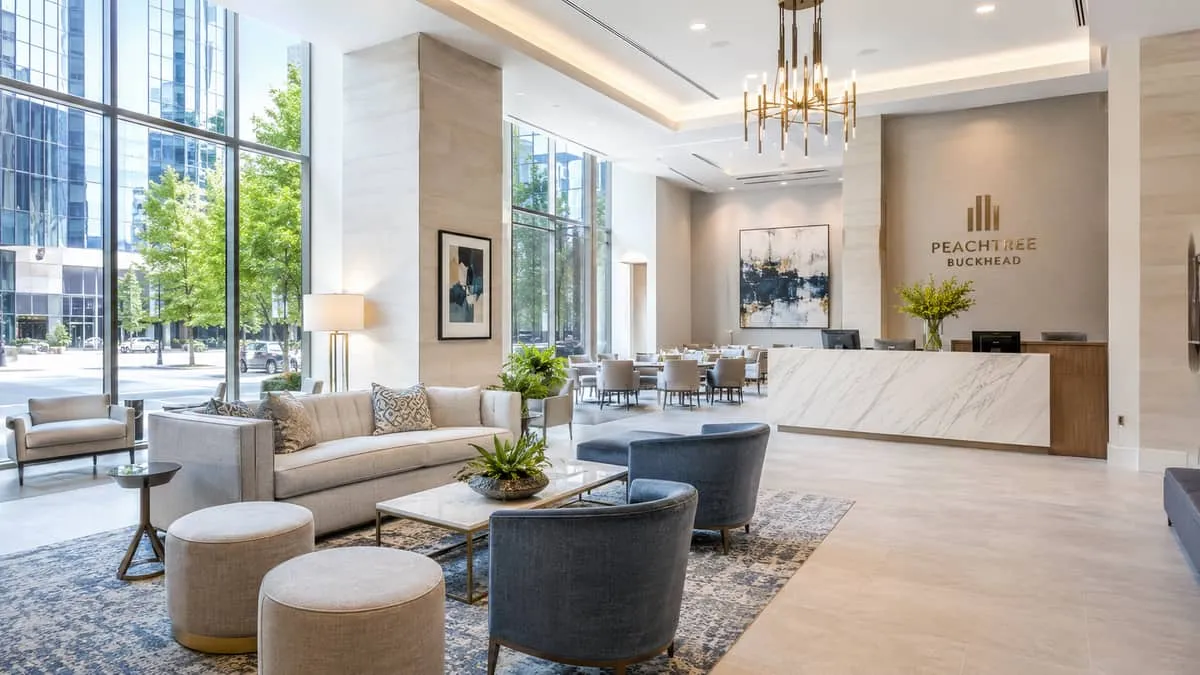
The lounge chairs in the lobby, the upholstered pieces near any bar program, the guestroom seating, all of it needs to be specified for heavy seasonal use from day one. Furniture marketed as hospitality style but built to residential standards does not survive that cycle. Frames loosen, seams split, and what looked like a reasonable price on the invoice turns into a reorder within two years. Contract grade means hardwood or engineered hardwood frames, upholstery rated above 30,000 double rubs in any high-traffic seating area, and joinery built to take repeated abuse from guests who are not thinking about the furniture at all.
Design Cohesion in a Lake and Mountain Market
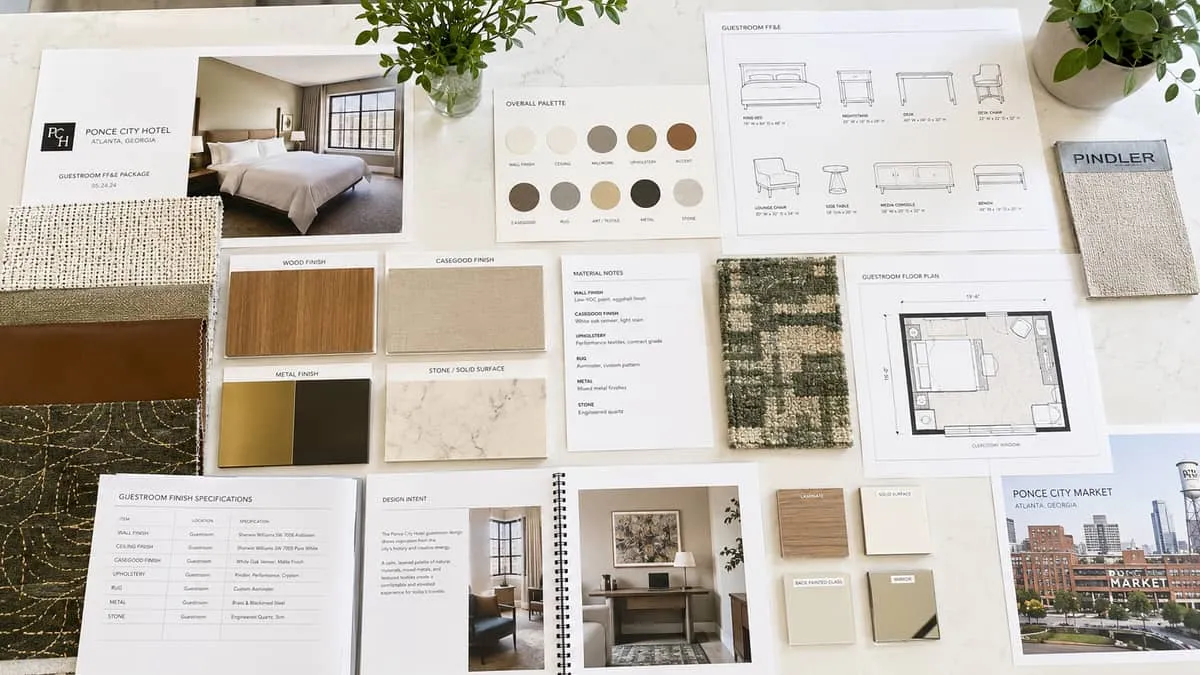
What separates a strong boutique property in Coeur d'Alene from an average one is not any single piece, it is whether the room reads as designed rather than assembled. That comes down to locking a material palette before sourcing starts, not adjusting it piece by piece as approvals come back.
A downtown property near Sherman Avenue can lean into a warm, small-city character, natural wood tones, textured wool or performance-weave upholstery, metal accents in matte black or warm brass instead of anything that reads as generic chrome. A lakefront or resort-adjacent property should let the view do the work, quieter palettes, natural materials, and furniture scaled and finished so it does not compete with the window line. A property closer to the golf corridor can pull in more texture and a slightly more relaxed, lodge-influenced vocabulary without tipping into theme-park cliche.
The mistake is sourcing pieces one at a time because each looked good in a showroom photo, then discovering at install that nothing coheres. Guests notice, even if they cannot articulate why a room feels off. Pick two or three anchor finishes, one consistent wood or metal tone, and a tightly defined fabric range before a single purchase order goes out, and hold every subsequent decision to those constraints.
Working Around Minimums in a Smaller Market
Most large contract furniture manufacturers are built for volume. A 250-room order is comfortable territory. A 40-room boutique property near the lake ordering 30 lounge chairs and 20 desk chairs does not register on the radar of manufacturers tooled for national chain rollouts, and their minimums reflect it.
That is not a dead end, it is a filter that points you toward the right suppliers. The manufacturers worth working with in a market the size of Coeur d'Alene are the ones built around independent hotels and boutique renovations rather than 300-key programs. They are used to mixed SKU orders and smaller quantities, and they will not balk at an order for 16 units of one chair and 10 of another. Ask about minimum order requirements in writing before you build a full specification around a supplier who cannot actually deliver at your scale.
The furniture and design trade presence in the Idaho panhandle is thinner than a metro like Seattle or Denver, which means most boutique properties here are sourcing through suppliers based outside the state, often routed through the Spokane freight corridor. That makes documentation even more important: commercial ratings, flame retardant compliance certifications where applicable, and a track record delivering into hospitality projects of a similar size.
Planning Around Coeur d'Alene's Season and Weather Cycle
Boutique properties near the lake refresh on a shorter cycle than owners expect at opening. New competition continues to open as the resort market grows, and a property that looked current at launch can feel dated within four or five years once newer inventory arrives nearby.
The time to plan for that refresh is during the original procurement, not after the fact. Specify frames and case goods built to last through multiple upholstery cycles. Treat fabric as the variable you replace on a shorter rotation, not the frame underneath it. Require COM-ready construction on every upholstered piece so reupholstery later is straightforward rather than locked behind a proprietary fabric program.
Lead times on custom upholstery programs typically run 10 to 16 weeks, and winter freight conditions into the panhandle can add real time to that window if orders ship late in the year. If you are targeting a spring opening ahead of the summer lake season, place orders early enough to absorb both the manufacturing lead time and any weather-related shipping delays without compressing your install schedule.