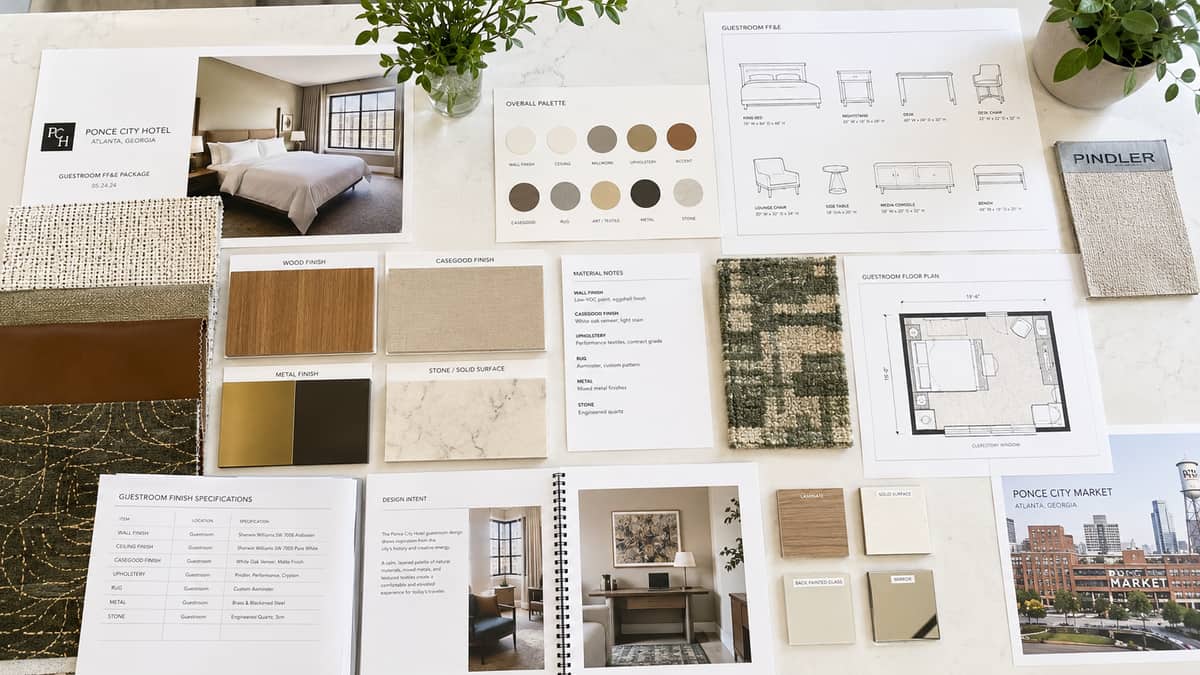
Coeur d'Alene carries a bigger bar and lounge market than its size suggests, driven almost entirely by the lake. Between the storefronts along Sherman Avenue that have turned downtown into a genuine dining and drinking corridor, the resort and marina district where a summer boating crowd fills patios and lounges from late afternoon into the evening, and a golf season that keeps clubhouse and hotel bars busy well into September, the demand on furniture here is steadier and more seasonal than most operators expect from a market this size. Sourcing bar lounge furniture Coeur d'Alene operators can depend on means understanding each of these contexts, because a stool built for a downtown taproom is not the same stool that belongs on a lakefront patio during peak boating season.
Sherman Avenue and the Downtown Corridor
Sherman Avenue and the surrounding downtown blocks have become Coeur d'Alene's most design-conscious hospitality corridor, a run of restaurants, taprooms, and cocktail bars in storefronts that draw both locals and the summer visitor crowd. Operators here are dealing with a customer base that expects a considered look, not just a place to sit down after a day on the lake.
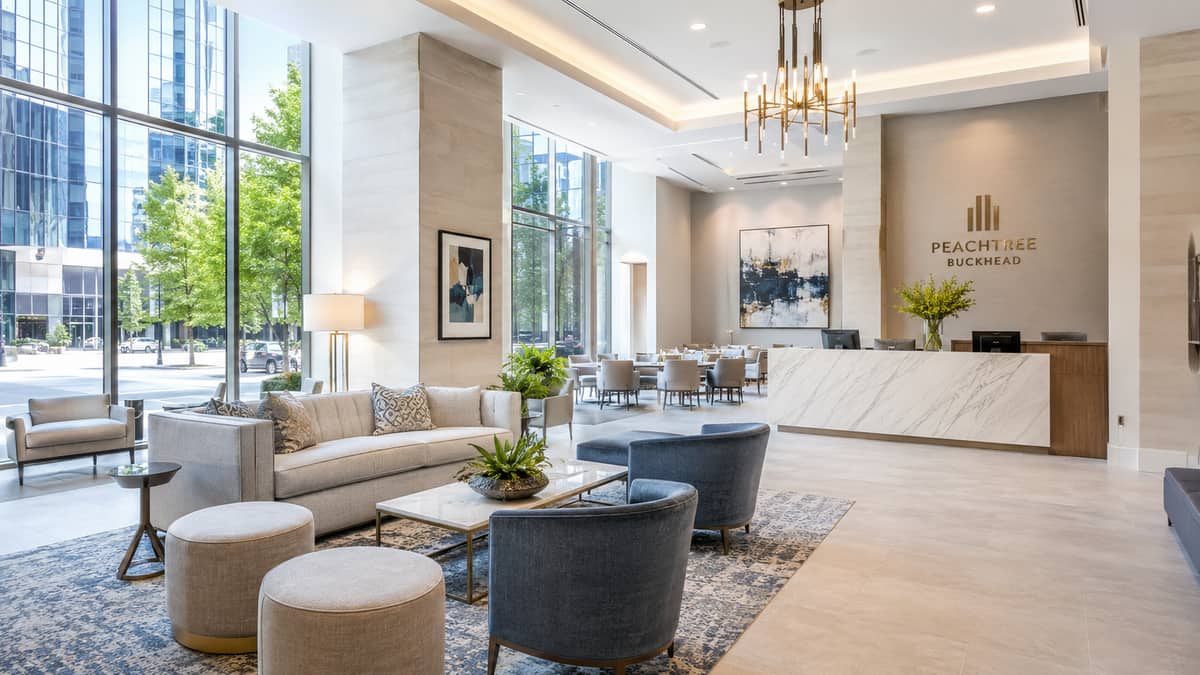
For these downtown spaces, the material spec should account for two things: heavy weekend foot traffic in peak season and a climate that swings hard between a dry, warm summer and a genuinely cold, snowy winter. Powder-coated steel or solid hardwood frames hold up better here than lighter builds meant for warm-climate outdoor use year round. Specify commercial-grade nylon or felt glides on every table base, since downtown floors take real abuse during a busy Friday night reset.
Upholstery in this corridor should run performance fabric rated at a minimum of 30,000 double rubs Wyzenbeek, since most Sherman Avenue venues are indoor-focused with steady but not extreme year-round traffic. Warm, natural tones, walnut, forest green, charcoal, pair well with the lake-lodge aesthetic that defines much of the district, and operators are increasingly moving away from generic black metal toward pieces with more material warmth.
Lakefront and Resort District Bars
The lakefront and resort district serves a different customer entirely: boating parties, golf groups, and leisure travelers who want a comfortable seat with a view after a day outdoors. Lounges and patio bars in this district need to perform for a guest who is dressed casually, may be coming straight off the water, and expects a reliable drink and a relaxed atmosphere rather than a design statement.
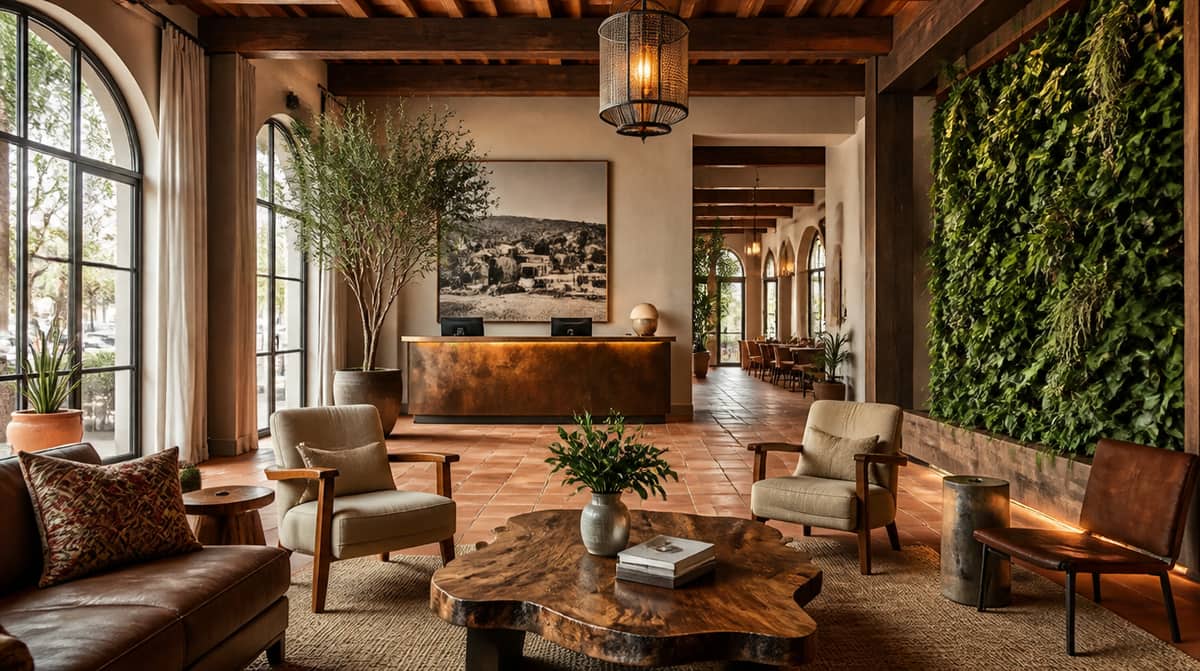
Seating height accuracy matters here as much as anywhere. Confirm actual bar counter height before ordering: a standard bar-height counter runs 42 inches and pairs with a 28-to-30-inch seat, while counter-height surfaces at 36 inches need a stool in the 24-to-26-inch range. For outdoor lakefront seating, specify moisture-barrier foam construction under any cushion near a bar service area. Spill exposure and humidity off the water are both real factors, and foam without a barrier saturates and needs early replacement.
The Summer Peak: Golf, Boating, and Event Volume
Coeur d'Alene's summer season drives an events calendar unlike anything else in the region: wedding receptions, golf tournament after-parties, and boating club gatherings that bring steady volume through the resort district across a compressed handful of months each year. The bars and lounges near the marina and golf corridor see demand spikes during peak weekends that a quiet October evening never approaches.
Furniture serving this corridor needs to be treated as infrastructure. Bar stool frames should run minimum 16-gauge steel on all structural members, with fully welded joints at the footrest and at every leg-to-seat connection rather than bolted construction that loosens under sustained heavy use. During a peak summer weekend, a lakefront lounge can turn through more covers in a single evening than it sees most weeks combined, and bolted frames simply do not hold up to that kind of concentrated stress.
Replaceability is the other priority. A resort bar running at capacity during peak season needs a supplier that can ship replacement stools in the same finish on short notice, not a made-to-order collection with an eight-week lead time. Ask whether your primary seating collection is held in stock before committing to it, and confirm actual reorder timelines in writing rather than relying on a verbal estimate.
Sourcing Bar Lounge Furniture for Coeur d'Alene Projects
Coeur d'Alene's hospitality construction market tends to move around specific triggers: a hotel brand commits to a renovation ahead of the summer season, a new taproom opens downtown, or a resort property times a lounge refresh to golf season. The standard commercial furniture lead time of 8 to 12 weeks for custom orders needs to be planned against these fixed dates well in advance, since freight into the Idaho panhandle routes through the Spokane distribution corridor and can add time a supplier working closer to a major hub would not face.
The practical approach for most Coeur d'Alene bar and lounge projects is in-stock contract inventory for the core seating program, with custom or COM orders reserved for accent pieces where a specific look matters most. Build supplier relationships ahead of a fixed opening date rather than after ground has already broken.