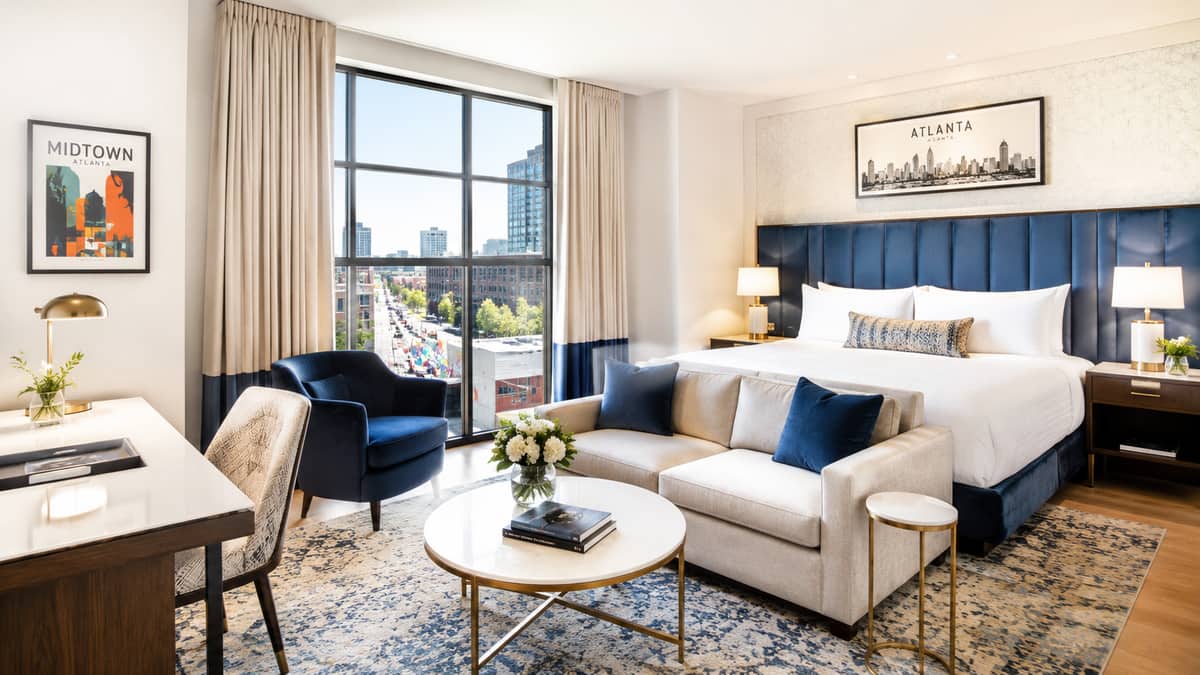
Anchorage runs on two hospitality calendars that barely resemble each other. Summer brings cruise passengers staging before Seward or Whittier, RV travelers working through the Kenai Peninsula, and independent tourists booking boutique properties in Downtown and South Addition for the character the bigger chains near the airport cannot offer. Winter brings a different guest entirely: oil and gas industry travelers, state government business tied to the legislature's Juneau to Anchorage shuttle, and convention traffic through the Dena'ina Civic and Convention Center and the Egan Center. A boutique property here is not choosing one guest profile over the other. It is furnishing rooms and public spaces that need to hold up to both, on opposite ends of the calendar, without a slow season long enough to hide wear. If you are sourcing boutique hotel furniture Anchorage style, the core challenge is building a contract-grade spec that survives freight logistics, seasonal extremes, and two very different guest expectations at once.
Why Anchorage's Freight Reality Changes the Sourcing Math
Every piece of furniture that reaches an Anchorage property has already traveled by barge or truck up the Alaska Highway, then absorbed a final leg of local delivery that most suppliers on the Lower 48 never account for in their lead time estimates. That is before a single guest sits in the chair. A supplier who quotes a 10 to 16 week lead time for a comparable project in Seattle or Denver needs to add real weeks for transit to Anchorage, and boutique operators who do not build that buffer into their opening timeline end up furnishing rooms with temporary stopgaps while the real order is still on a barge.
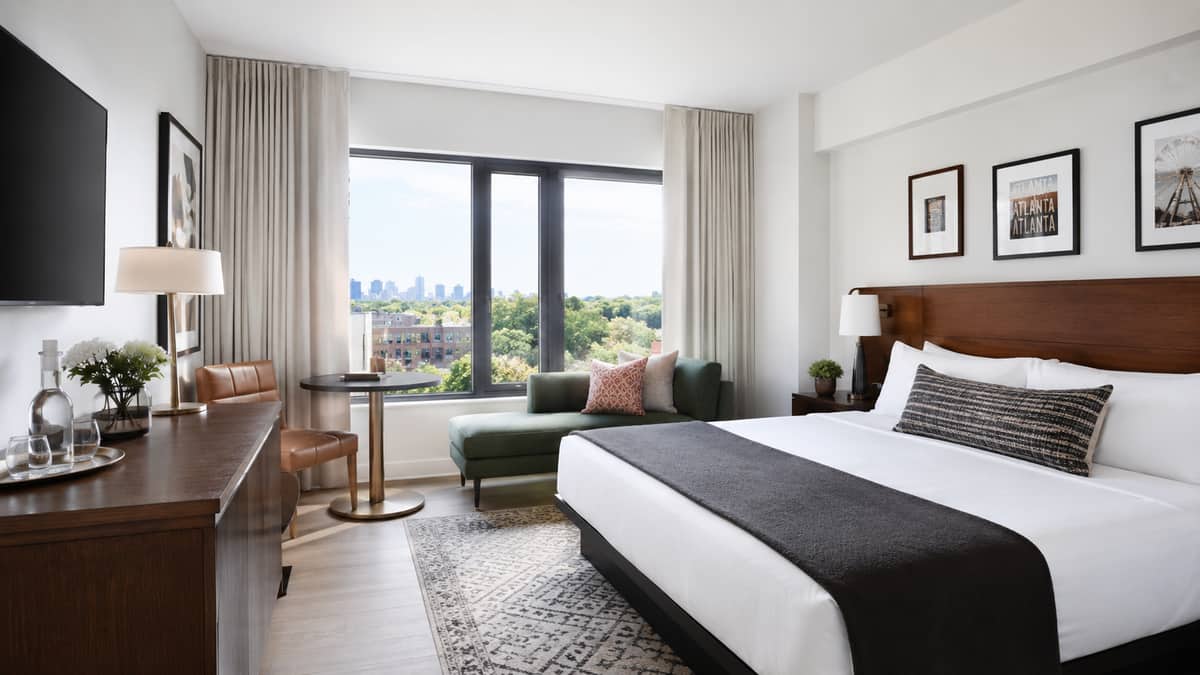
That logistics reality also raises the cost of a bad specification. A residential-grade sofa that fails after eighteen months is an expensive mistake anywhere, but in Anchorage the replacement piece is not a same-week reorder. It is another multi-week freight cycle, often timed against a summer season where every room needs to be sellable. Contract-grade construction, hardwood or engineered hardwood frames, upholstery rated well above 30,000 double rubs in lobby and bar seating, joinery built for repeated heavy use, is not a premium upgrade for Anchorage boutique properties. It is the only spec that makes economic sense once freight and lead time are part of the calculation.
Design Cohesion Across a City Defined by Landscape, Not Neighborhoods
Atlanta and Chicago boutique hotels lean on neighborhood identity to define their design language. Anchorage's boutique properties lean on something else: the landscape itself. The Chugach Mountains rise directly behind the city, Cook Inlet frames the western views, and the design vocabulary that reads as authentic here draws on that setting, natural wood tones, stone and metal accents, textiles that reference Alaska Native art traditions used thoughtfully and sourced properly, rather than a generic rustic-lodge aesthetic borrowed from the Lower 48.
A Downtown property near 4th Avenue positioning itself for business and convention travelers needs a tighter, more polished program: case goods with clean lines, upholstered seating in high-performance fabric that photographs well under low winter light, metal accents in warm brass or matte black. A South Addition or Spenard boutique leaning into the local, independent feel that draws summer travelers away from airport-corridor chains can push further into the timber-and-stone vocabulary, heavier wood tones, wool and textured fabrics that read as durable rather than delicate. Both approaches fail the same way if the palette is not locked before sourcing begins: rooms read as assembled rather than designed, and guests who chose a boutique property specifically to avoid that feeling notice immediately.
Navigating Minimums When Your Market Is Genuinely Small
Anchorage does not have the boutique hotel density of a major Lower 48 market, and most large contract furniture manufacturers are tooled for orders far bigger than what a 30 to 60 room independent property needs. A boutique hotel ordering 35 units of a lounge chair and 20 guestroom desk chairs is a rounding error to a manufacturer built around 300-room programs, and their minimum order quantities reflect that.
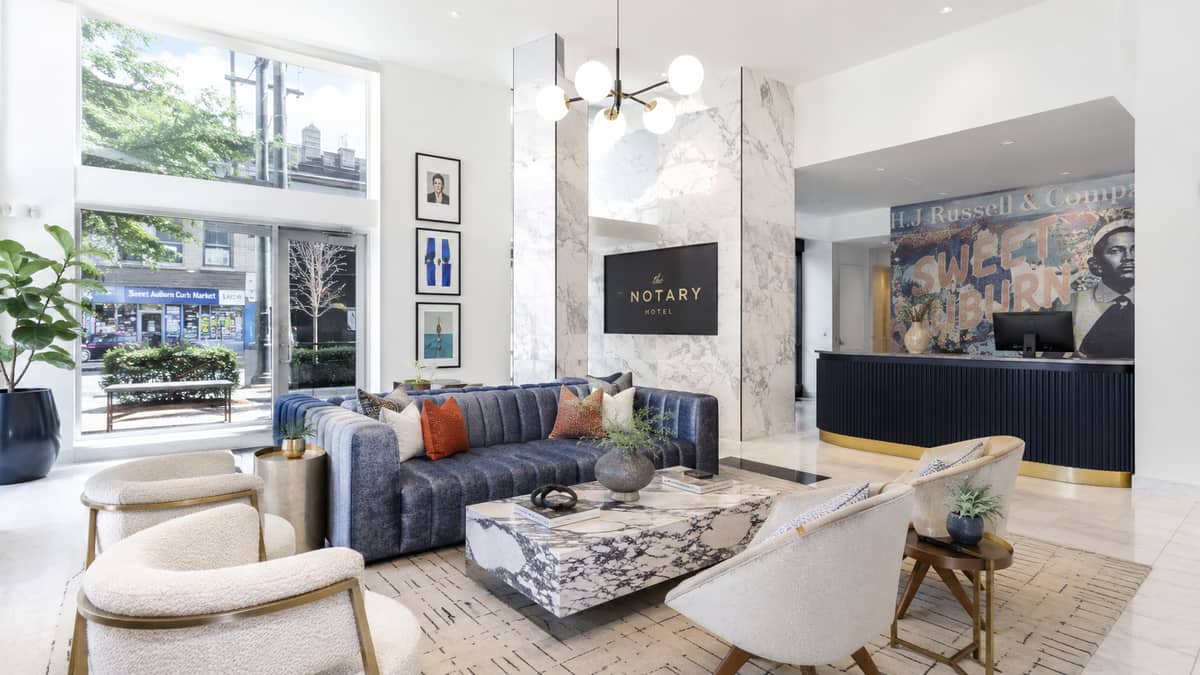
Treat that mismatch as a filter, not an obstacle. The suppliers worth working with are the ones already structured around independent hotels and smaller mixed-SKU orders, comfortable quoting 18 units of one piece and 12 of another without pushing back. Ask about minimums and freight-inclusive lead times in writing before building a full specification around a supplier who cannot actually deliver into Alaska on your timeline. If you are working with an FF&E consultant, confirm early that they have direct experience shipping into Anchorage rather than assuming standard Lower 48 logistics will apply.
Planning Around Anchorage's Renovation and Refresh Cycle
Boutique properties in Downtown and Midtown that opened strong five or six years ago can start to feel dated as new inventory enters the market, particularly as more travelers research properties online before ever seeing photos in person. The right time to plan for that eventual refresh is at initial procurement, not once the property already looks behind. Specify frames and case goods built to last the full renovation cycle, ten years or more with proper care, and treat upholstery as the shorter-cycle variable. Require COM-ready construction on every upholstered piece so reupholstery does not require reordering entire frames, and keep detailed records of original frame construction, foam densities, and finish codes so the next sourcing conversation moves faster.
Given Anchorage's freight timeline, lead times on custom upholstery and case goods programs should be planned at 14 to 20 weeks rather than the 10 to 16 weeks common elsewhere, especially for properties targeting a summer opening or refresh ahead of cruise season. That buffer is the difference between a smooth install and a scramble to furnish rooms with placeholders while the real order is still in transit.
Sourcing boutique hotel furniture in Anchorage is a distinct problem from general commercial procurement in a Lower 48 market. The freight reality, the split summer and winter guest calendar, and a design identity built around landscape rather than neighborhood all shape what actually survives here. Getting the specification and the timeline right before the order ships is the most cost-effective decision on the project.