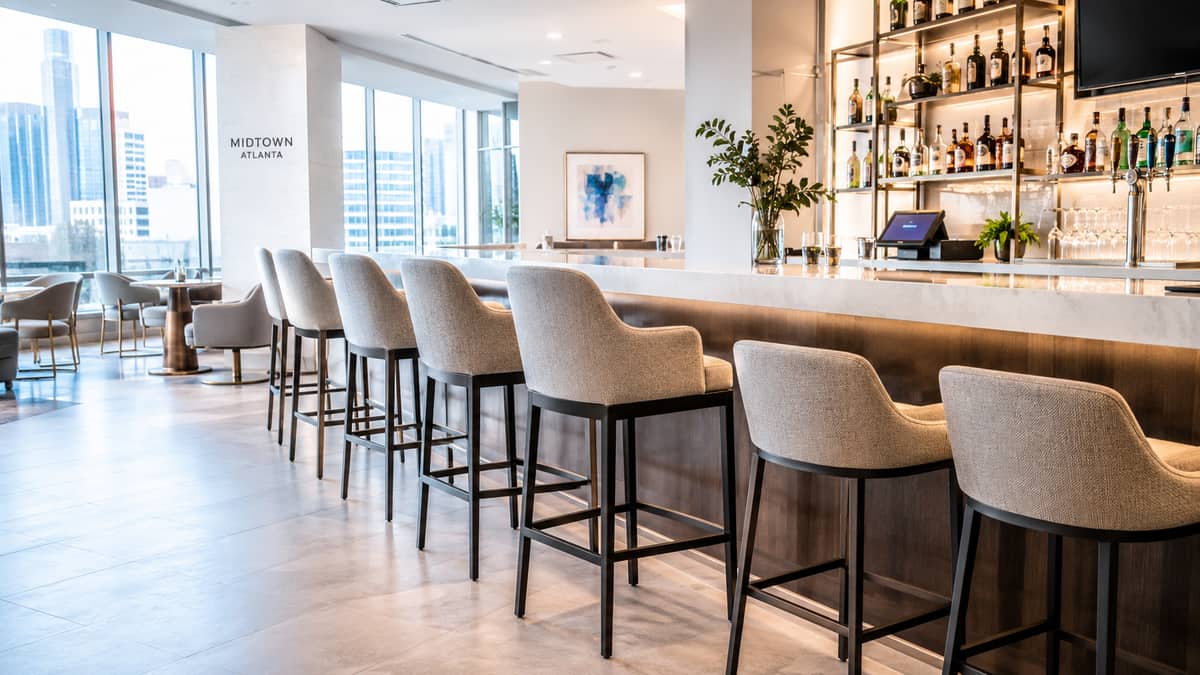
Provo carries a bigger hospitality market than its size on a map suggests. Between the restored storefronts along Center Street that have turned downtown into a genuine dining and lounge district, the hotel bars and lobby lounges serving BYU campus visitors and business travelers, and the fast-growing Silicon Slopes tech corridor that fills after-work lounges across Utah County, the demand on bar and lounge furniture here is steadier than most operators expect from a mid-size Utah city. Sourcing bar lounge furniture Provo operators can depend on means understanding each of these contexts, because a stool built for a Center Street coffee bar is not the same stool that belongs in a hotel lobby lounge during a graduation weekend.
Barstools and Counter Seating That Hold Up to Real Turnover
The barstool is the single hardest-working piece of furniture in most Provo hospitality venues, and it is also the piece guests interact with most directly. Frame material is the first decision. Steel frames absorb impact well and hold up to the kind of heavy weekend turnover a downtown Center Street bar sees during a home football Saturday. Aluminum frames are lighter and easier to move for venues that reconfigure their floor plan often, but they need thicker-gauge metal to hold up comparably over time.
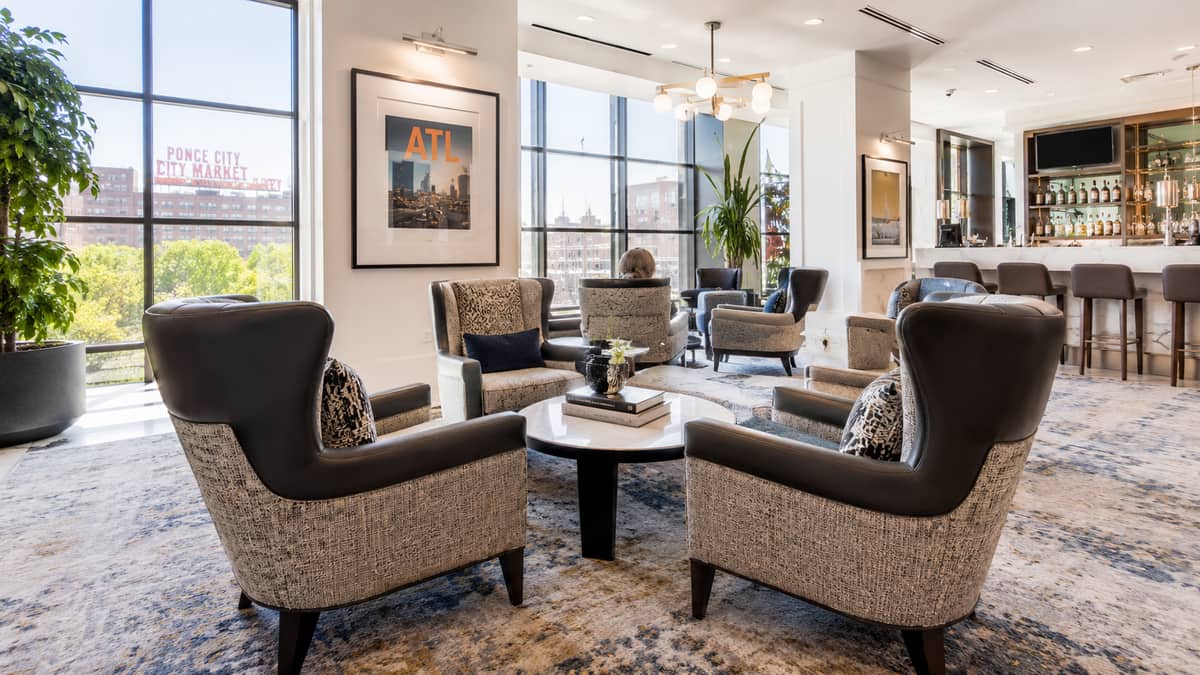
Seat height and footrest placement matter more than most buyers assume. Counter-height stools, typically 24 to 26 inches, suit casual lounge and coffee bar concepts near campus, while bar-height stools at 28 to 30 inches are standard for a full bar program downtown. Mixing the two without a clear plan creates an inconsistent guest experience and complicates reorders down the line, so lock your height standard early and document it for future purchases.
Lounge Seating for Hotel Lobbies and Standalone Venues
Lounge seating in a Provo hotel lobby bar has to work for a wider range of guests than a standalone venue does, families in town for a campus event, business travelers working between meetings, and leisure guests staging a trip into the canyon. That means durability specs that match a high-traffic lobby, foam density high enough to hold its shape through years of daily use, and upholstery rated for heavy commercial cleaning without fading or wearing thin.
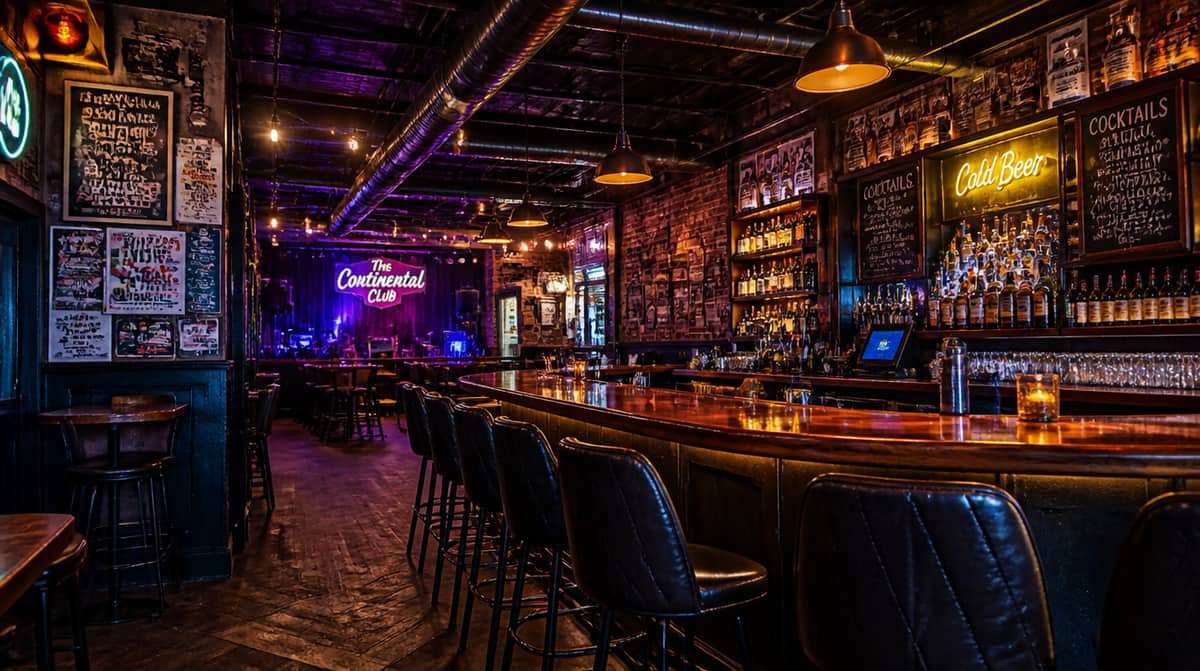
Standalone lounge and cocktail venues downtown have more room to lean into a design statement, but the underlying construction standard should not drop. A visually striking lounge chair that fails within a year of nightly use costs more than the premium version would have, once you account for the downtime and the guest experience hit of pulling seating out of rotation for repair.
Materials, Layout, and Working with the Right Supplier
Performance vinyl and commercial polyurethane are the practical baseline for any high-traffic bar seating in Provo, they clean fast and resist the wear pattern of a full weekend of service. For lounge areas with a lower turnover expectation, performance woven textiles offer more visual range while still meeting commercial durability standards.
Layout flexibility matters too. A lot of Provo venues run different configurations on different nights, a quiet coffee bar setup during the week and a fuller lounge layout for weekend events, so modular seating that can be reconfigured without specialized tools is worth the investment over fixed banquette systems in venues that need that flexibility.
Work with a supplier who understands the hospitality contract space specifically, not a general furniture wholesaler treating bar seating as an afterthought category. A quote request that spells out your seat count, height mix, and finish requirements up front will get you a far more accurate lead time than a generic catalog order.