Provo has a patio opportunity that a lot of operators underspec for. Summers here run hot and dry with strong, near-constant sun exposure, which makes outdoor seating a genuine revenue driver for restaurants and hotels downtown from late spring through early fall. Winters bring real snow load off the Wasatch Front, which means the same furniture program has to survive months of storage or exposure depending on how a property handles the shoulder seasons. Operators running serious outdoor programs along Center Street, near the BYU campus corridor, and at hotel properties with mountain views know the real challenge is matching furniture to both extremes, not just the easy months.
Frame Materials That Survive Provo's Climate Swing
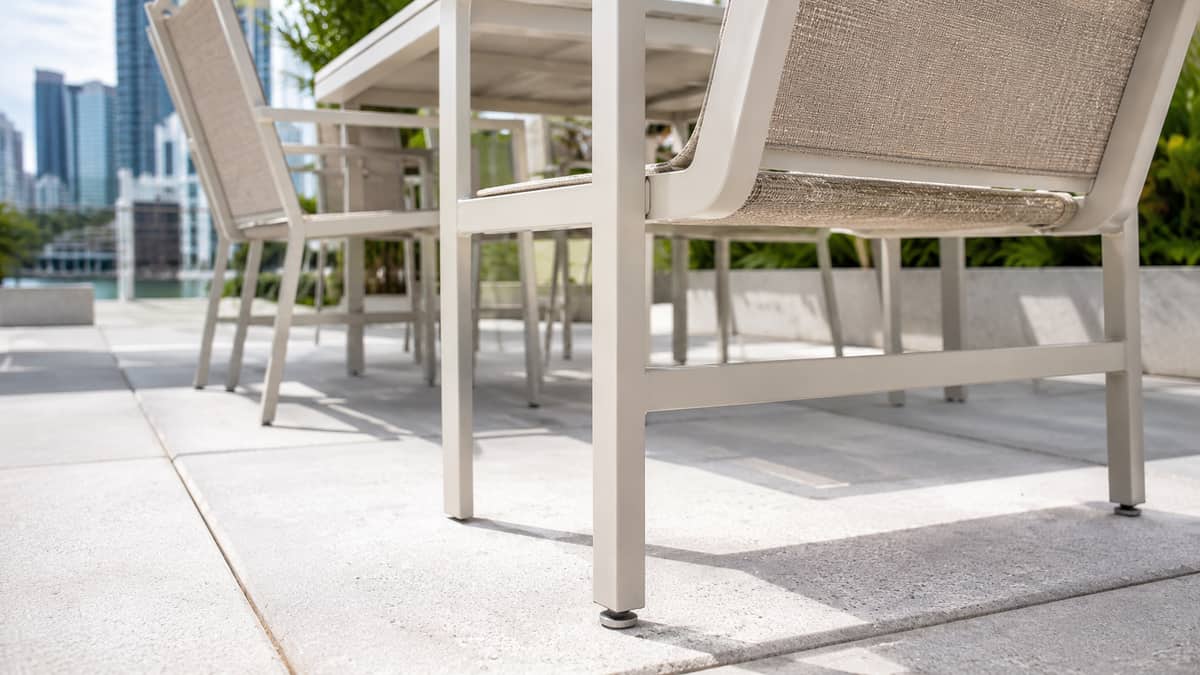
Powder-coated aluminum is the standard choice for Provo patio programs, and for good reason. It resists the corrosion that untreated steel develops fast in a climate with real snow and moisture exposure, and it holds up to direct summer sun without the frame surface degrading. Teak and other weather-rated hardwoods are a strong option for higher-end lounge and dining concepts, but only when properly sealed and maintained through the winter months, untreated wood left exposed to a Utah winter will not hold up the way it might in a milder coastal climate.
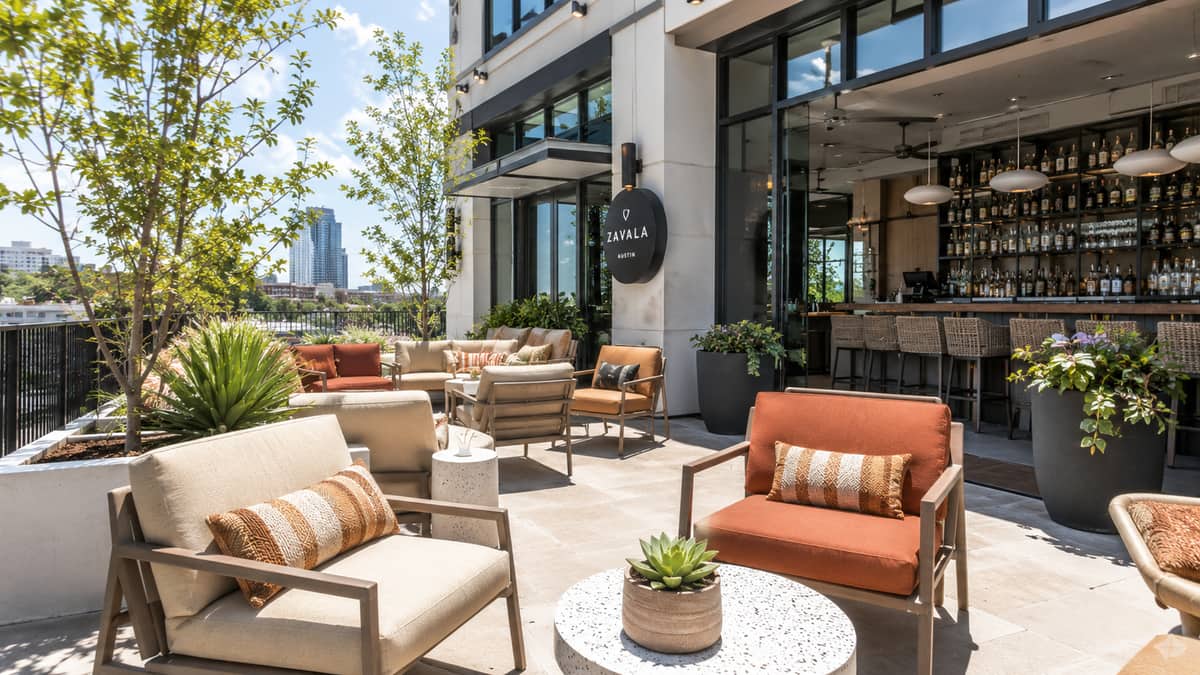
Wicker and rattan-look synthetic weave furniture has become popular for boutique hotel and rooftop lounge programs, and quality synthetic weave rated for UV exposure holds its color and shape far better than budget versions that fade and crack within a single Provo summer. Ask specifically about the UV rating and warranty terms before committing to a synthetic weave order, since the difference between a two-year product and a seven-year product is not always obvious from a photo.
Cushions and Fabric for Real Seasonal Use
Solution-dyed acrylic fabric is non-negotiable for any Provo patio cushion program. It resists fading under the intensity of direct mountain-elevation sun and sheds moisture rather than absorbing it, which matters during spring runoff season and any late-season snow that catches a patio still in service. Foam that is not properly sealed will crack under freeze-thaw cycling or trap moisture and develop mildew, so ask your supplier directly about foam construction, not just fabric grade.
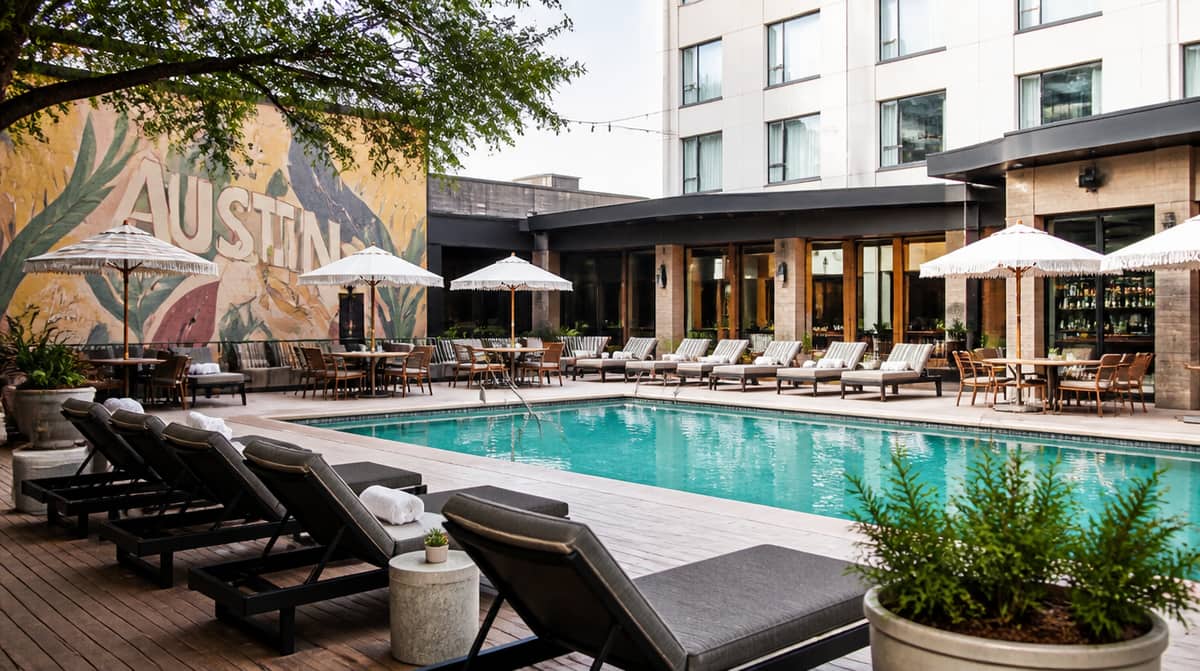
Storage planning matters as much as material selection in a market with a real winter. Properties that lack indoor storage capacity for a full patio furniture set need frames and cushions rated for winter exposure, or a clear seasonal breakdown-and-storage plan built into their operational calendar. Discuss this with your supplier before you order, because retrofitting a storage solution after the furniture arrives is a much harder problem to solve.
Sourcing the Right Patio Program for Your Property
Table bases matter more outdoors than most operators expect. Powder-coated steel or heavy cast bases resist the wind that comes through Provo Canyon without warning, while lightweight bases walk and tip in exactly the conditions that make for the worst guest experience, a knocked-over drink during a busy weekend brunch service.
Match your furniture program to your actual season length. A hotel rooftop or restaurant terrace that runs outdoor service from April through October needs a different durability standard than a seasonal pop-up patio open only through the summer months. Build that calendar into your spec conversation early, and request a furniture quote that accounts for your real usage window rather than a generic full-year assumption.