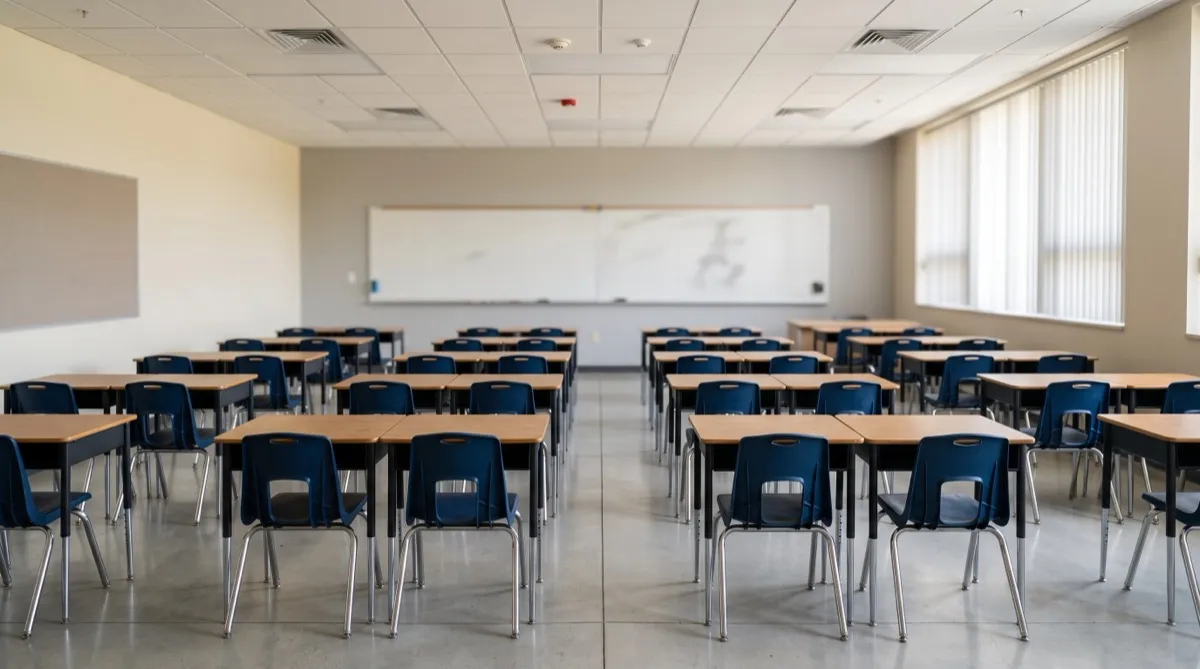
A university study table and a city branch reading table can be the identical piece of furniture. The buyer, the funding path, and the wear pattern around them are not. An academic library and a public library both need durable, quiet furniture that lasts fifteen to twenty years, but they get there through different procurement doors, on different calendars, answering to different definitions of who the furniture has to serve. Knowing which world you're buying in changes how you plan the order, not just what you order.
Two different buyers, two different processes
Academic library furniture moves through a university procurement office, often against a master contract or approved vendor list, sometimes through a purchasing consortium that several campuses share to get consistent pricing across a system. Decisions get made by a library director or facilities team working within an academic capital plan, and a large purchase, a new study floor or a full-branch refresh, typically needs sign-off that tracks the university's fiscal year and semester calendar rather than a city's.
Public library furniture moves through city or county purchasing, which usually means a formal bid process above a certain dollar threshold, board or council approval for larger capital items, and a budget tied to a municipal fiscal year that competes against every other department's requests. A public library building committee or friends-of-the-library group sometimes has fundraising input on top of the municipal budget, adding a layer of stakeholder sign-off that a university library rarely deals with in the same way.
Both paths reward the same discipline: a clean, detailed spec that survives a competitive bid or an approval committee without ambiguity, and a realistic lead time built into the request from the start rather than discovered after approval.
Where durability priorities actually diverge
The wear pattern is the real difference, and it should show up in what you specify, not just in the finish you pick.
Academic library furniture takes what amounts to laptop-hour abuse. Study floors that stay open late into the evening or around the clock during exam periods see extended single-visit dwell times, heavy laptop and charger use, and a narrower demographic (college-age adults) whose wear pattern is fairly consistent: constant contact with tabletops and armrests, frequent repositioning of chairs, and heavy cumulative hours on a smaller number of pieces. Spec toward laptop-friendly table depth and knee clearance, robust power integration, and upholstery rated for sustained daily contact over long study sessions.
Public library furniture takes broader, more varied wear. All-ages traffic means furniture serving toddlers in a children's area, teens sprawled in a young-adult zone, and seniors in a quiet reading room, sometimes within the same building on the same day. Family use adds abuse types an academic library rarely sees: strollers bumping table legs, snacks and spilled drinks near children's seating, and higher turnover of shorter visits rather than a smaller number of long ones. Spec toward a wider range of seat heights and types across zones, stronger stain and spill resistance in family-facing areas, and rounded, injury-conscious edge details wherever young children are expected.
Funding calendars: semester locked versus fiscal year
An academic library's real deadline is usually the semester, not the fiscal year. A furniture program tied to a new or renovated study floor needs to be installed and ready before students return, whether that's fall term or a shorter winter or summer break window depending on scope. That mirrors how campus furniture programs across a wider FF&E scope answer to the academic calendar rather than a construction one, and it means production and freight timing has to work backward from a fixed date that does not move for anyone.
A public library's deadline is usually tied to its funding source rather than a calendar date. A bond measure or capital improvement project comes with a construction schedule and a public opening date, similar in rigidity to a semester deadline. A grant, on the other hand, often has its own spending window baked into the grant terms, funds committed or disbursed by a specific date, and a standard municipal budget-cycle purchase has the most flexibility of the three but the least urgency, meaning it can also slip a year if it isn't championed through the approval process. Confirm which funding path applies to your specific purchase early, since it determines how firm the deadline actually is and how much slack exists in production and delivery.
How the same table gets bought two different ways
Picture a standard four-seat library reading table. A university procurement office might purchase it against a system-wide contract for forty identical units across three study floors, approved through a purchasing consortium with pricing locked for the fiscal year, installed during a single winter break window. A city library board might purchase the same table through a competitive sealed bid required above the city's purchasing threshold, twelve units for one branch renovation, funded partly by a capital bond and partly by a friends-of-the-library contribution, installed in phases as the branch stays partially open to the public during the work. Same table, same durability spec, entirely different path to a purchase order.
What this means for how you plan your order
Whichever buyer type you are, the practical steps are the same even if the process around them differs. Confirm your procurement path and any bid threshold before you start specifying, so you know whether you need a formal RFP-style spec sheet or a more direct quote process. Identify your real deadline, semester start, bond project completion, or grant spending window, and build in lead-time margin rather than assuming standard production timing. Use the FF&E budget calculator to build a defensible number for whichever approval body you're presenting to, whether that's a purchasing committee or a city council.
For the full picture of how a library furnishing program breaks into zones once your buyer type and calendar are clear, see our library furniture hub. Our lounge and reading seating catalog covers the seating range that flexes across both academic study floors and public branch reading rooms. When you're ready to move, request a quote with your buyer type, procurement path, and deadline noted up front, that context shapes how we build your pricing and lead time.