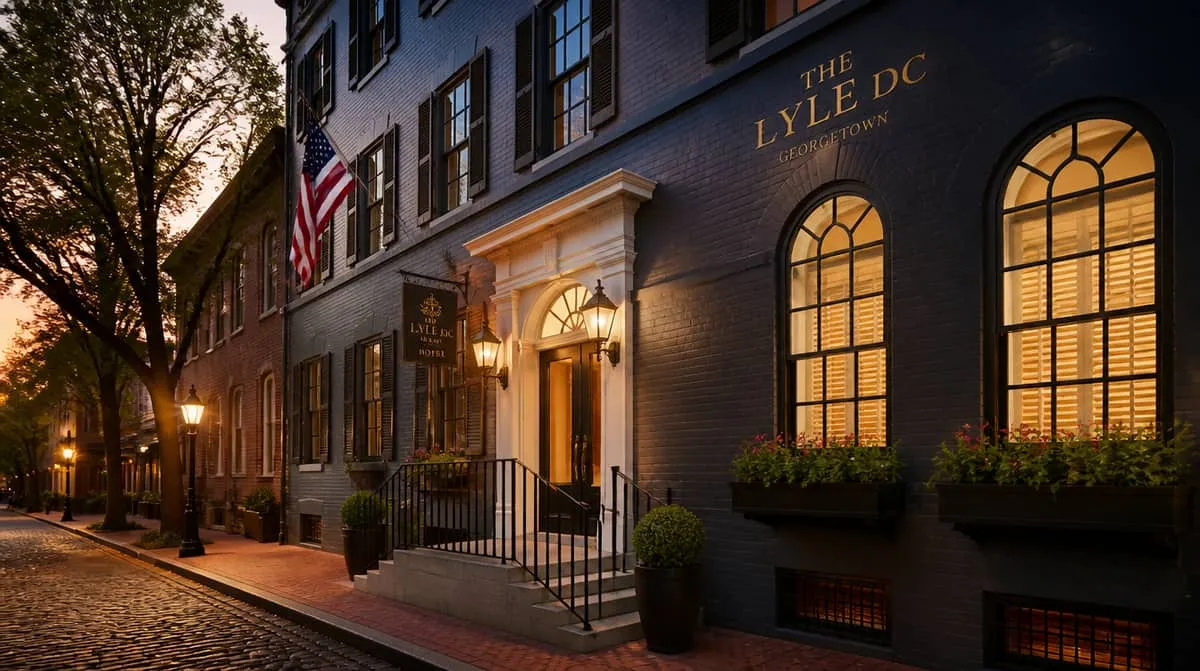
Washington DC's restaurant scene operates at a different register than most American cities. Penn Quarter and Capitol Hill dining rooms fill with lobbyists, congressional staffers, foreign diplomats, and legal teams who are often conducting business over lunch or dinner. Georgetown's restaurant corridor caters to a mix of wealth and institutional power. The 14th Street NW and Logan Circle scene draws a younger professional crowd, but still one shaped by the city's government and professional services economy. Across all of these corridors, the common expectation is that a restaurant's physical environment communicates seriousness. Restaurant furniture Washington DC that reads as lightweight, temporary, or purely trendy undermines that signal and in this market, that costs you repeat business.
Washington DC's Restaurant Market and What It Demands
The DC restaurant market is structured around a professional dining culture that few other American cities match at the same scale. The Penn Quarter corridor dense with institutions like the National Portrait Gallery, the Capital One Arena, and major law and lobbying offices supports restaurants whose lunch business is almost entirely expense-account driven. Tables in these rooms run longer turns, handle heavier use, and need to maintain appearance across years of daily service rather than a single season.
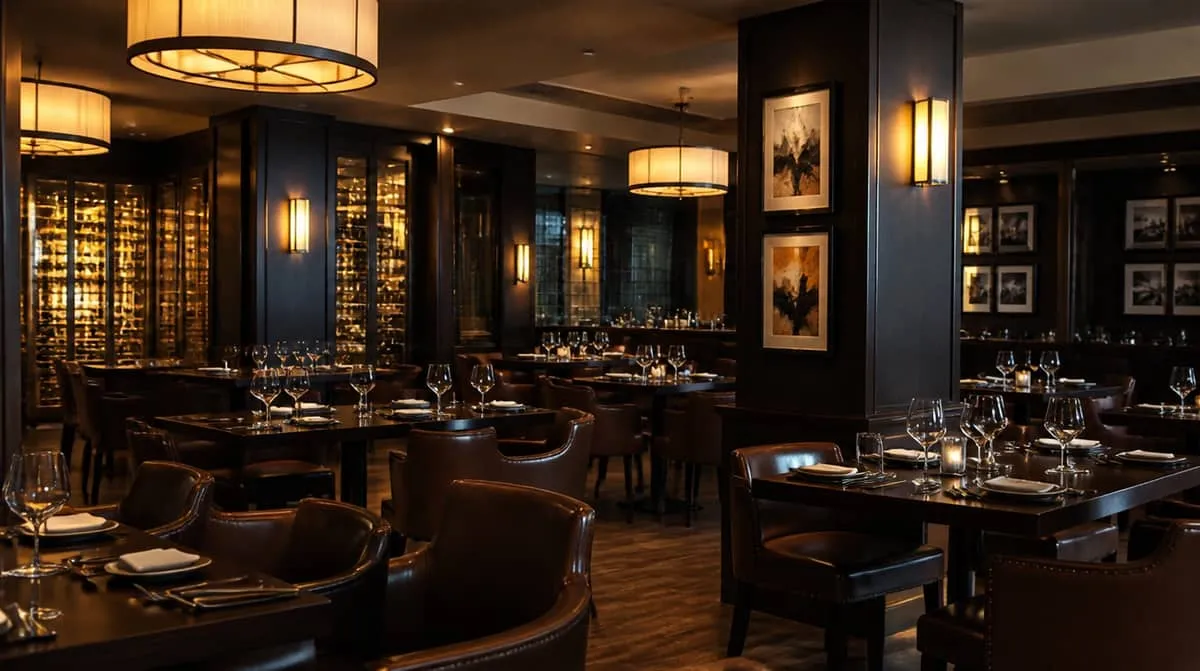
Capitol Hill's restaurant scene, anchored along Pennsylvania Avenue SE and Barracks Row, has a slightly more neighborhood character but still caters heavily to Hill staffers, consultants, and the occasional member of Congress. Commercial dining chairs in this corridor need to perform across long dinner services and work well in rooms that may shift from casual brunch to private political fundraiser in the same weekend.
Georgetown's dining room standards have always skewed traditional the neighborhood's townhouse architecture and affluent residential base expect a level of material quality in restaurants that matches their surroundings. Dark wood tables, leather banquette seating, brass fixtures. A Georgetown restaurant that opens with lightweight metal-and-laminate seating reads as out of step with the neighborhood.
The 14th Street NW and Logan Circle corridor has become DC's most dynamic restaurant zone, with a mix of established names and newer concepts. Restaurant booths in these spaces tend to run more contemporary cleaner profiles, tighter upholstery, darker leather but still within the city's general lean toward materials that communicate permanence. Union Market's food hall format adds a different segment: counter seating and communal tables that need to handle extremely high turnover and rougher daily use.
Dupont Circle's restaurant district serves a mix of embassy staff, think-tank professionals, and neighborhood residents who prioritize a certain kind of relaxed sophistication. Furniture in these rooms needs to be comfortable for extended dining while maintaining the visual weight the clientele expects.
Specification and Aesthetic Standards for DC Restaurants
DC restaurant furniture needs to meet two standards simultaneously: commercial durability and visual authority. The city's dominant aesthetic leans toward dark wood tones walnut, mahogany, and dark-stained oak with leather or leather-look upholstery in navy, burgundy, forest green, and deep charcoal. Brass and bronze accents appear throughout, from table bases to chair arms to booth hardware.
This does not mean every DC restaurant is locked into the same traditional template. Shaw, H Street, and Capitol Hill's newer concepts are working with a more contemporary version of the same visual language: dark wood with cleaner profiles, banquettes with tighter tufting or no tufting at all, metal bases in black or bronze rather than polished brass. The materials stay serious; the silhouettes get lighter. That evolution still requires commercial-grade construction.
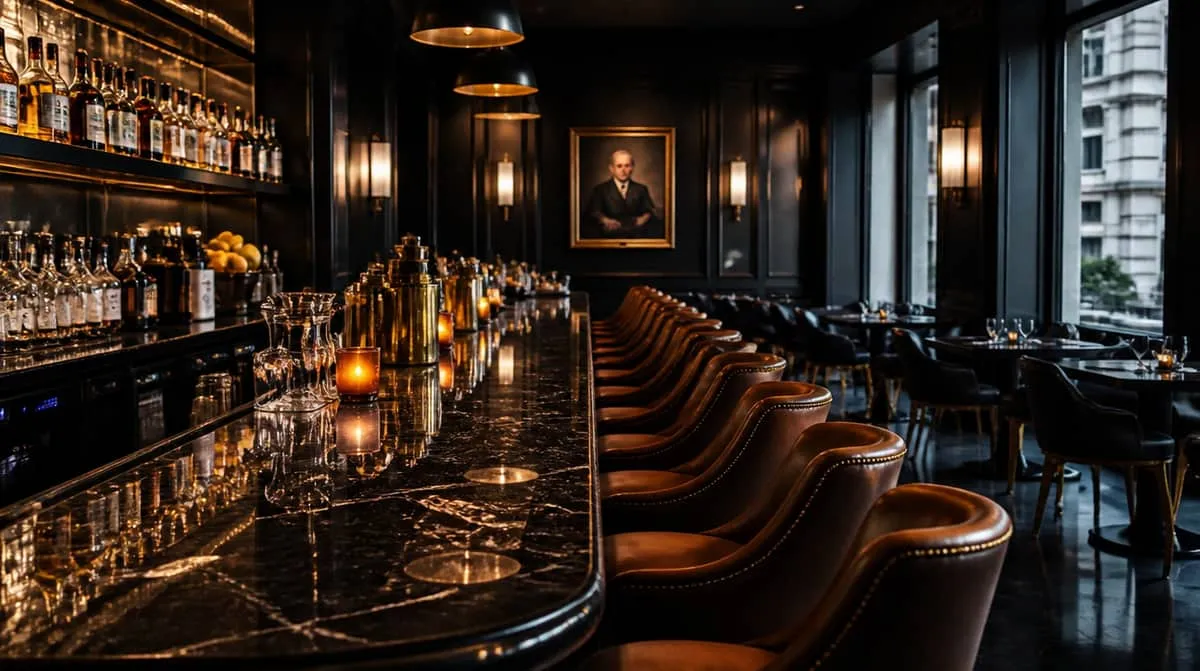
Commercial bar stools for DC restaurant bar programs need to be specified for both comfort and durability. Congressional staffers and lobbyists who use restaurant bars as a working environment checking phones, taking calls, working through documents spend more time per seat than typical bar traffic. Footrests and seat padding matter. So does height adjustability for bars that serve a range of guests.
Fabric specifications in DC restaurants need to account for the professional dress code that most guests maintain. Dark suiting fabrics, leather-soled shoes, and dress bags all create different wear patterns than casual restaurant traffic. Upholstery with a tighter weave and higher double-rub rating 75,000 or above for booth seating holds up better over the long term. Crypton or similar performance fabrics have become standard in higher-end DC restaurant booths and banquettes specifically because they perform well against the wine and sauce spills that inevitably happen in expense-account dining rooms.
Procurement Timing for DC Restaurant Projects
DC restaurant projects face some of the same calendar constraints as hotel renovations. The September-to-November and January-to-March periods when Congress is in session and the convention market is active are peak revenue periods for many DC restaurants. Opening a major renovation or new installation during those windows requires careful coordination around delivery access and installation scheduling.
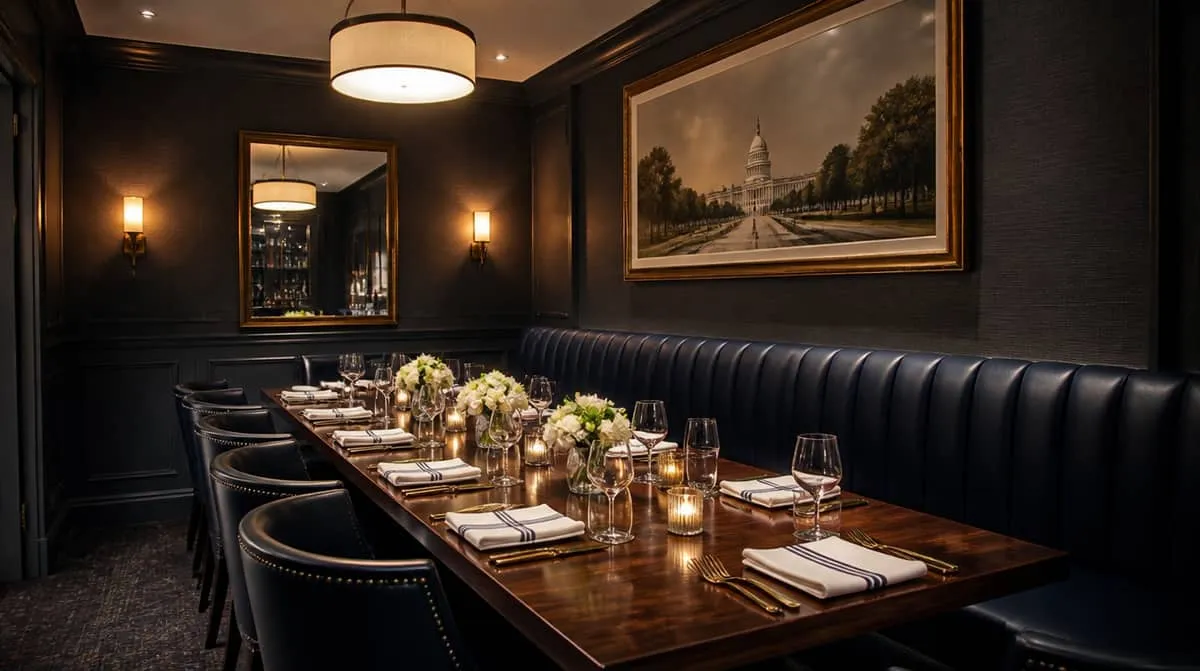
Commercial dining tables with lead times of six to ten weeks should be ordered with buffer for freight and installation scheduling. Custom upholstered booths and banquettes run longer 10 to 14 weeks and require advance approval on fabrics and finishes. A restaurant furniture Washington DC supplier with DC market experience will help you structure procurement so product arrives during an operational window that doesn't cost you your best revenue weeks.
Every Washington DC venue has its own volume, layout, and turnaround demands, and restaurant furniture pricing follows from those specifics. Request a quote and we will scope it to your project.