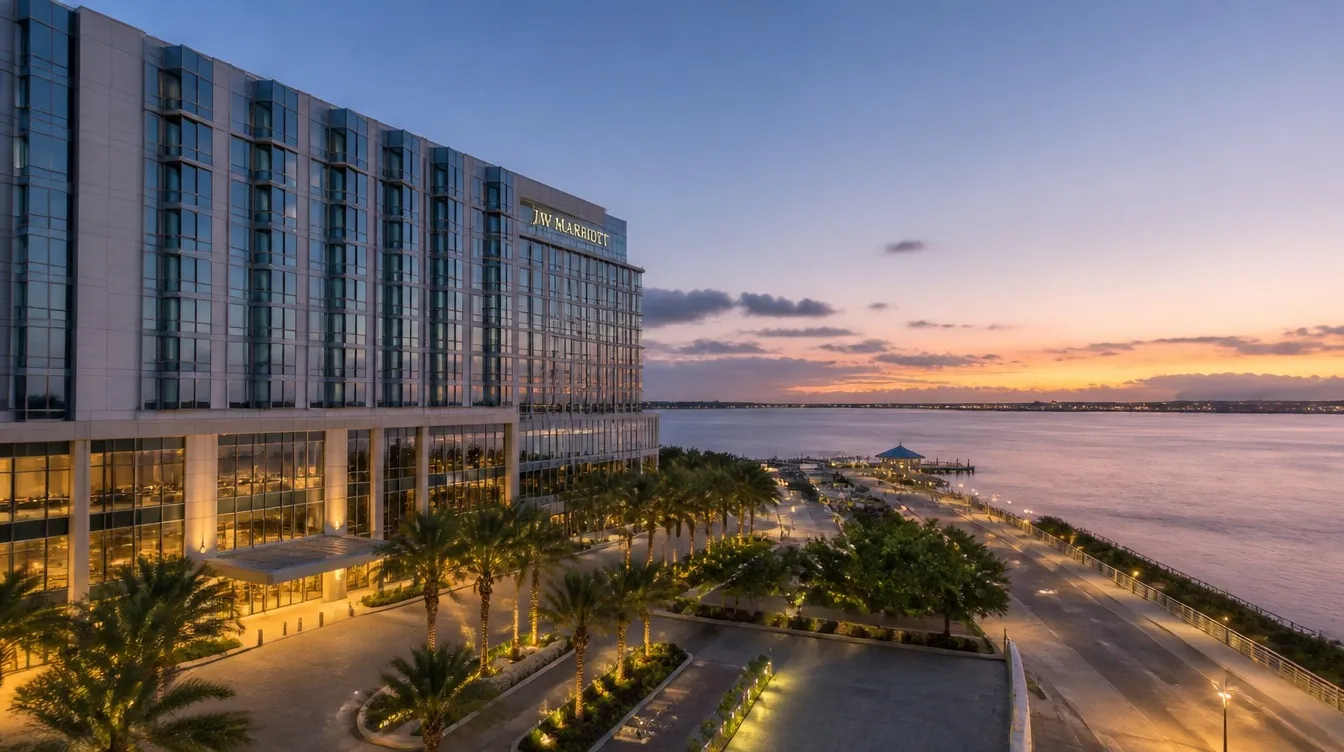
Tampa's restaurant scene has more texture than most markets its size. Ybor City's historic Cuban and Spanish dining rooms operate inside 19th-century brick buildings with eight-foot ceilings and iron detailing an aesthetic unlike anything else in Florida. Channelside and the waterfront corridor run contemporary American concepts with open terraces overlooking the bay. Hyde Park Village and South Tampa support a neighborhood dining culture that rewards craft and character over volume. Seminole Heights is doing craft beer and gastropub concepts in converted bungalows. Each of these environments puts different demands on furniture, and none of them are forgiving about retail-grade product placed into commercial service. Getting restaurant furniture Tampa FL right means understanding both the aesthetics and the durability requirements district by district.
What Contract-Grade Actually Means for Tampa Restaurants
The contract furniture distinction is not marketing language. It describes furniture that has been engineered and tested to survive commercial service not the two to four hours a day a dining chair sees in a residential setting, but eight to twelve hours of daily use, hundreds of occupants per week, and the physical stress of constant rearrangement, stacking, and cleaning that restaurants actually impose on furniture.
For Tampa specifically, the Gulf Coast climate adds pressure that restaurants in inland markets do not face at the same intensity. Summer humidity from May through September is sustained and heavy. Outdoor seating on Channelside waterfront terraces and Hyde Park patios runs through heat and moisture that will find weaknesses in any finish, joint, or fabric that is not specified for the environment. A frame with a thin powder coat will show oxidation. Cushion foam that is not sealed will absorb moisture and mold. Upholstery with a surface-applied treatment rather than solution-dyed construction will fade under the Gulf Coast sun load within a year. Contract-grade construction addresses these failure points by design. Retail furniture does not.
Ybor City: Where Design and Durability Are Inseparable
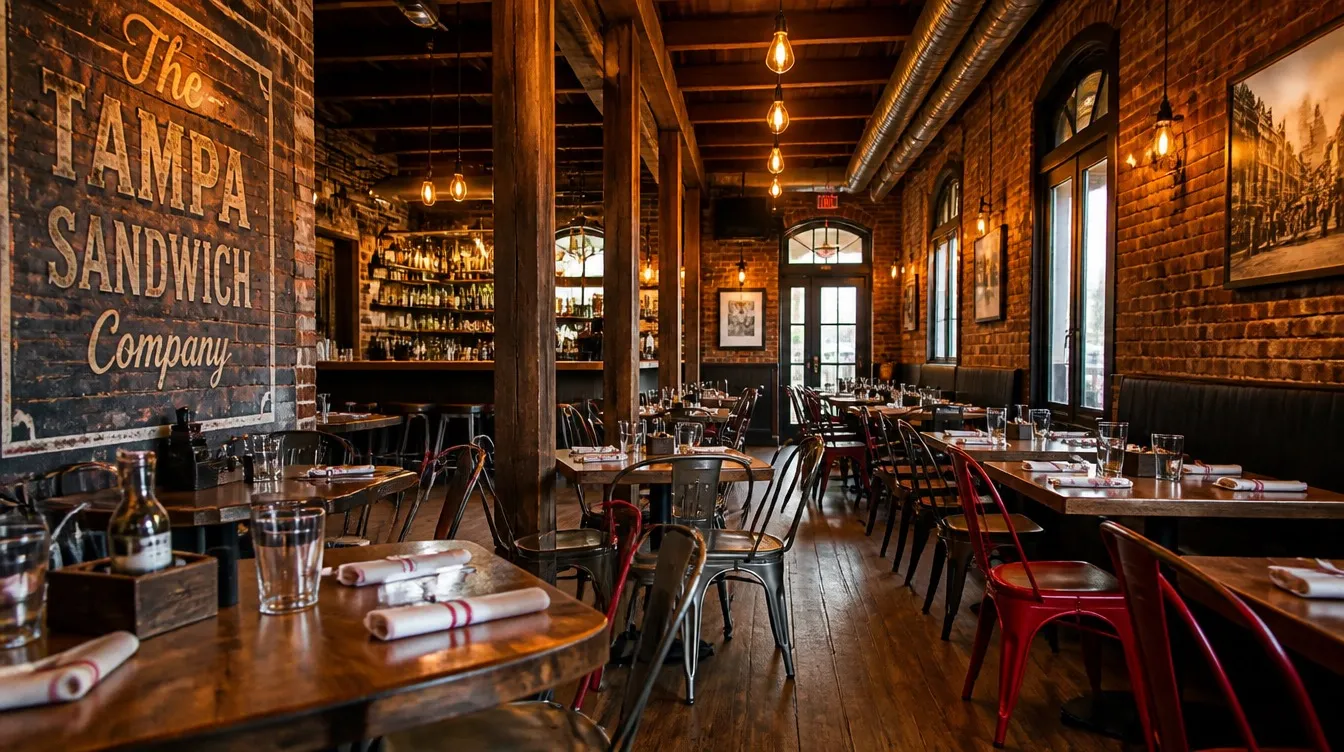
No other restaurant neighborhood in Florida looks like Ybor City. The historic brick construction, Spanish and Cuban architectural details, wrought iron accents, and the particular quality of light in those 19th-century buildings create a design context that cannot be served by generic commercial furniture. Restaurant furniture Tampa FL suppliers who understand Ybor City know that the aesthetic requirements here are part of the specification, not an afterthought.
For Ybor City dining rooms, warm materials work solid wood seating in tobacco and walnut tones, leather in cognac and warm brown, wrought iron or dark bronze metal frames that reference the neighborhood's industrial-meets-Mediterranean heritage. The wrong call is anything that reads clinical, beachy in a generic Florida way, or too minimalist to hold its own against exposed brick walls and plaster ceilings. If a piece looks wrong next to a historic tile floor or a pressed-tin ceiling, it is the wrong piece, regardless of what the contract spec says.
The practical demands inside these buildings are still commercial a well-known Ybor institution might turn hundreds of covers on a Thursday night during Gasparilla season or a major event week. The chairs, barstools, and tables need to survive that volume at commercial spec while fitting an aesthetic that is completely specific to the neighborhood.
Waterfront and Outdoor Seating in Channelside and Hyde Park
Channelside's waterfront terraces and the outdoor dining patios in Hyde Park Village represent a different challenge: furniture that works in direct sun and Gulf Coast humidity, presented to guests who are paying for the outdoor experience and noticing every detail.
For outdoor seating in these environments, aluminum is the workhorse frame material. Powder-coated aluminum does not rust in the humid coastal environment, does not absorb heat the way raw metal does, and is available in finishes that can match sophisticated, design-forward palettes. Resin wicker over aluminum frames gives you the warmth of a woven texture without the cracking and color loss that natural materials show quickly in this climate. For upholstered outdoor pieces, solution-dyed acrylic fabrics are the industry standard Sunbrella is the name you will encounter most frequently. Color is baked through the fiber, not applied on the surface, so UV fading is minimal even under heavy Tampa sun.
Tabletop material for outdoor dining deserves more attention than it typically gets. Tempered glass looks clean but chips and scratches heavily in commercial outdoor service. Compact laminate tops and porcelain are increasingly common alternatives they handle UV, moisture, staining, and cleaning chemicals without degrading, and they photograph nearly as well without the maintenance overhead. For any outdoor table going into direct sun, specify a center opening with an umbrella base from the beginning. The summer heat in Tampa makes shade a practical comfort issue from May through October, and retrofitting umbrella support into tables that were not designed for it is never clean.
How to Qualify a Restaurant Furniture Tampa FL Supplier
The fastest way to separate a real commercial supplier from a catalog vendor with a hospitality section is to ask specific questions that expose their actual experience.
Ask what their current lead times are for custom upholstered pieces. Anything under 10 weeks is either in-stock inventory or an unrealistic promise. Ask whether they can do COM work customer's own material on small runs. Restaurants doing a 60-seat dining room renovation in Ybor City may need fabric matched to an existing paint or wallcovering, and a supplier who cannot execute COM on quantities under 100 units is not built for independent restaurant accounts.
Ask for references from Tampa area properties specifically. A supplier who has placed furniture in restaurants along Seventh Avenue in Ybor City or on the waterfront in Channelside has already proven their product survives the local conditions. That is more useful than a warranty document and a favorable quote.
Ask about replacement parts and reorder capabilities. Restaurants break chairs. It happens. A supplier who cannot reorder a single frame or matching seat cushion from a discontinued SKU is going to force you into a full replacement cycle when one table's worth of chairs gets damaged. That constraint is manageable if you know about it upfront. It is expensive and frustrating when you discover it two years into service.
The Business Case for Getting It Right
Restaurant furniture is a capital expenditure that either supports or undermines the business case for every seat in the room. A dining chair that fails in 18 months and costs $80 to replace is not actually cheaper than a $200 contract-grade chair that runs five years without intervention even before you account for the labor and coordination cost of mid-cycle replacements.
Tampa's restaurant market is competitive enough that the guest experience at every touchpoint matters. Furniture that feels solid and looks intentional contributes to that experience in ways guests register without articulating. Furniture that wobbles, shows visible wear, or reads as mismatched signals that the operation does not care about the details. In a market with Ybor City dining rooms and Channelside waterfront concepts setting the aesthetic standard, that signal costs you.
Every Tampa venue has its own volume, layout, and turnaround demands, and restaurant furniture pricing follows from those specifics. Request a quote and we will scope it to your project.