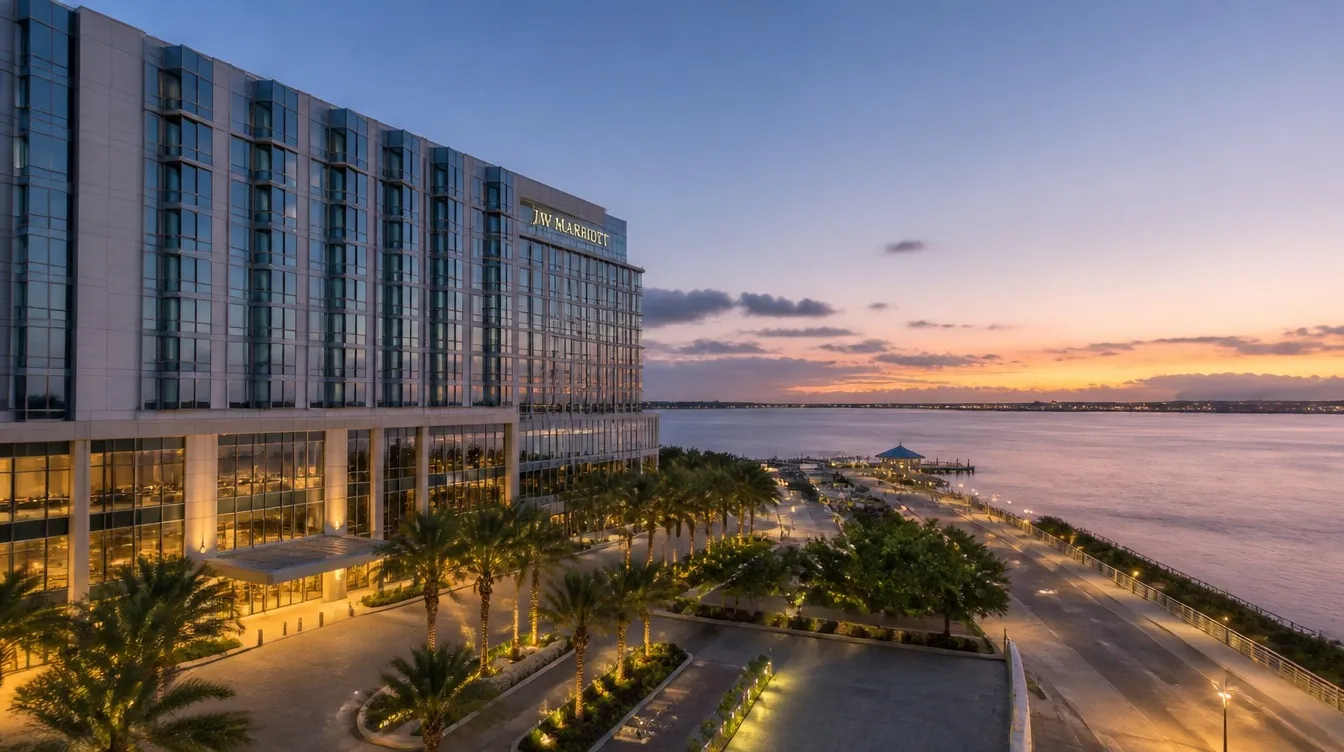
Tampa's boutique hotel market is growing into its own identity. Ybor City properties draw on the neighborhood's Cuban and Spanish heritage a look defined by warm brick, iron, and the particular character of a historic district that does not exist anywhere else in Florida. Channelside boutique hotels compete against the Convention Center's shadow, carving out a design-forward niche that appeals to leisure travelers and creative industry visitors who want more than a branded box. Hyde Park Village and South Tampa support smaller independent properties with a neighborhood feel that chains cannot replicate. Each of these contexts sets specific requirements for boutique hotel furniture Tampa FL and in most cases, those requirements go well beyond what a standard commercial catalog can deliver.
The Scale Problem for Boutique Hotels in Tampa
Boutique hotels in Tampa face the same sourcing challenge that boutique properties face everywhere: manufacturers and distributors are structured around large orders, and a 30-room property in Ybor City is not a 200-room convention hotel. Minimum order quantities per SKU typically 10 to 20 units for upholstered pieces from most contract manufacturers can make a small but specific order feel nearly impossible to execute through standard channels.
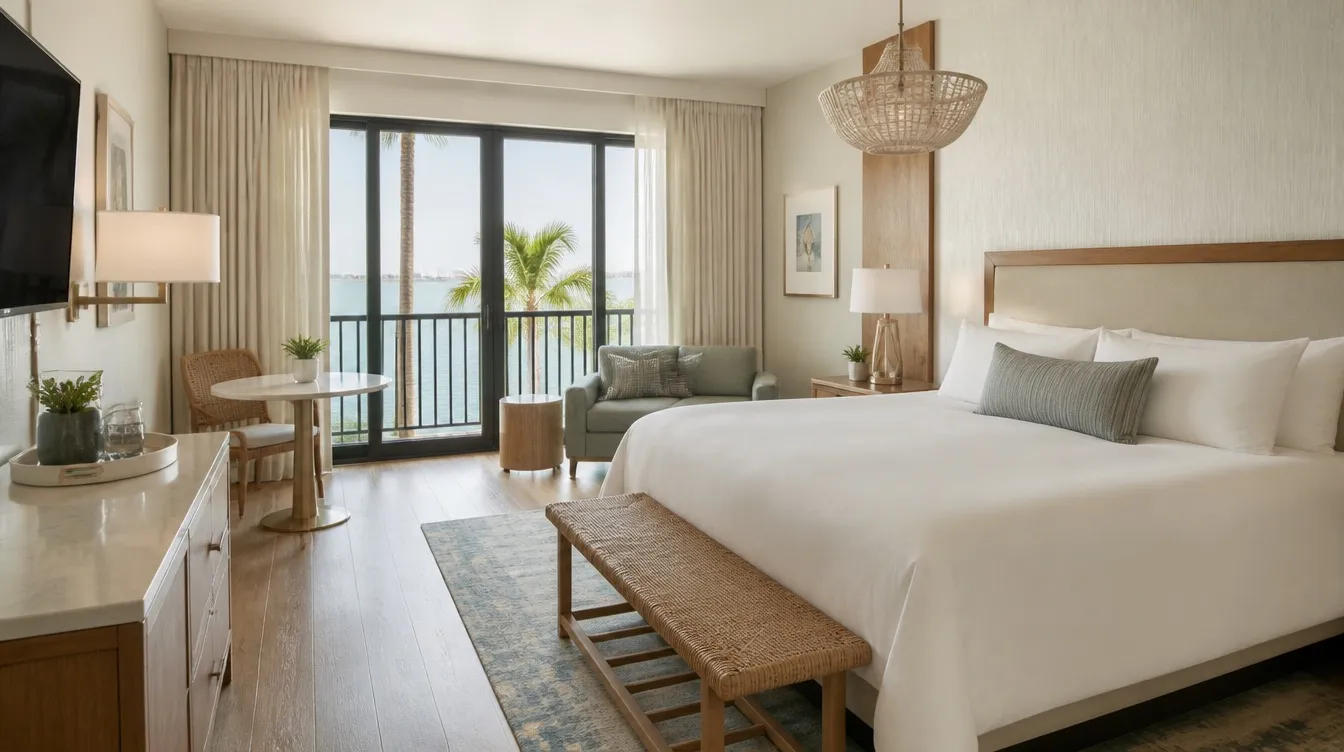
The practical workaround requires knowing where to look. Some contract suppliers have specifically built their model around independent hospitality accounts, offering smaller run minimums in exchange for a per-unit price premium that still works out favorably when you factor in custom work. Others maintain enough inventory in regional warehouses to build small orders from existing stock while doing custom work on specific accent pieces. The key is asking the right questions early what is the actual minimum per SKU, not what the website implies but what the sales team will confirm in writing, and whether they have experience with boutique-scale accounts in the Tampa area.
Design Cohesion in Tampa's Distinct Boutique Markets
A boutique hotel in Ybor City and a boutique hotel in Hyde Park Village are operating in completely different design contexts, even though they are twenty minutes apart. Getting boutique hotel furniture Tampa FL right means understanding which context you are working in and making sure every piece selection reinforces rather than contradicts it.
Ybor City properties have the richest design vocabulary to draw from. The historic brick construction, Spanish and Cuban architectural heritage, and the neighborhood's century-long identity as an industrial craft district support a palette of warm wood, aged leather in tobacco and cognac tones, dark metal frames with bronze or iron finishes, and textiles with weight and texture rather than smooth synthetic surfaces. The worst thing a boutique property in Ybor City can do is impose a generic Florida-coastal look breezy whites and washed wood on a building that has actual architectural character of its own. The furniture should lean into what the building already is.
Channelside and downtown Tampa boutique properties have more flexibility in their design language, but the best ones still connect to Tampa's coastal-industrial character rather than defaulting to the neutral contemporary look that appears in hotels everywhere. Teal accents, warm neutrals, leather and performance fabric combinations, and frames that reference Gulf Coast outdoor living all give a property a sense of place without being regionally heavy-handed.
Hyde Park Village boutique properties serve a different guest more residential, neighborhood-oriented, and less convention-centric. Furniture here should feel genuinely warm and curated, like a well-appointed house rather than a hospitality concept. Softer forms, upholstered headboards in quality fabric, lounge seating with real comfort depth, and case goods in warm natural finishes all serve this aesthetic better than anything that reads as institutional.
COM Upholstery and Custom Finishes at Boutique Scale
Custom upholstery is not optional for most boutique hotel projects it is how design cohesion actually happens across different product categories sourced from different manufacturers. COM (customer's own material) programs let you select a specific fabric, send it to the manufacturer, and receive pieces upholstered to your specification. For a 30-room Ybor City hotel trying to hold a consistent leather tone across its guestrooms and lobby, COM is the only way to guarantee that consistency when pieces come from more than one source.
The complication is that COM programs work differently across suppliers. Some manufacturers offer COM on any order with no minimum. Others require a per-SKU minimum that makes a boutique-scale order impractical. And some offer COM in theory but have long lead times on non-standard materials that effectively remove the option for projects with fixed opening dates.
Ask your supplier about COM capability before you start selecting pieces. Find out whether they can work with leather not all upholsterers can, and leather finishing requires specific expertise and equipment. Ask about their fabric requirements: some manufacturers specify minimum Martindale abrasion ratings or require UL-listed fire-rated materials for commercial use in Florida. Getting this information early prevents the frustration of falling in love with a piece, specifying your fabric, and then discovering the combination is not manufacturable.
Lead Times Tied to Tampa's Hospitality Season
Tampa's hospitality market has a clear seasonal arc. The fall and winter months roughly October through April are the peak of leisure and convention activity. Cruise season at Port Tampa Bay aligns with this window. Major events at Amalie Arena concentrate demand in the Channelside corridor. If a boutique property wants to finish a renovation and be operational before peak season, the furniture has to be ordered with that calendar in mind.
For custom upholstered pieces, 12 to 16 weeks from order confirmation to delivery is a realistic expectation with most contract manufacturers. Factor in four to six weeks for specification and sample approval before the order releases, plus installation time on the back end, and a renovation aimed at an October opening needs furniture procurement conversations starting in April or May at the latest.
Suppliers who know the Tampa market will help you back-plan from your target date honestly. The ones who quote optimistic lead times to win the order and then adjust later are a real problem on boutique projects where there is no schedule buffer you do not have 50 rooms you can open while the other 50 wait for furniture.
Finding the Right Supplier for a Tampa Boutique Project
The most useful filter for boutique hotel furniture Tampa FL suppliers is hospitality project experience at boutique scale, specifically in Tampa or similar Gulf Coast markets. A supplier who has placed furniture at a 40-room Ybor City property or a small boutique hotel in St. Pete has already navigated the specific challenges the neighborhood aesthetic requirements, the Gulf Coast climate specs for outdoor and semi-outdoor pieces, the logistics of delivering into historic district buildings that may not have easy dock access.
References from properties in the region are more useful than anything on a catalog page. Ask for them. And before any project gets too far down a specific product direction, confirm that the aesthetic direction you want is actually achievable through the supplier relationships you have not just theoretically possible somewhere in the market.
Pricing for boutique hotel furniture in Tampa depends on quantities, finishes, and your delivery window, so a project-specific quote beats any list figure. Request a quote to get yours.