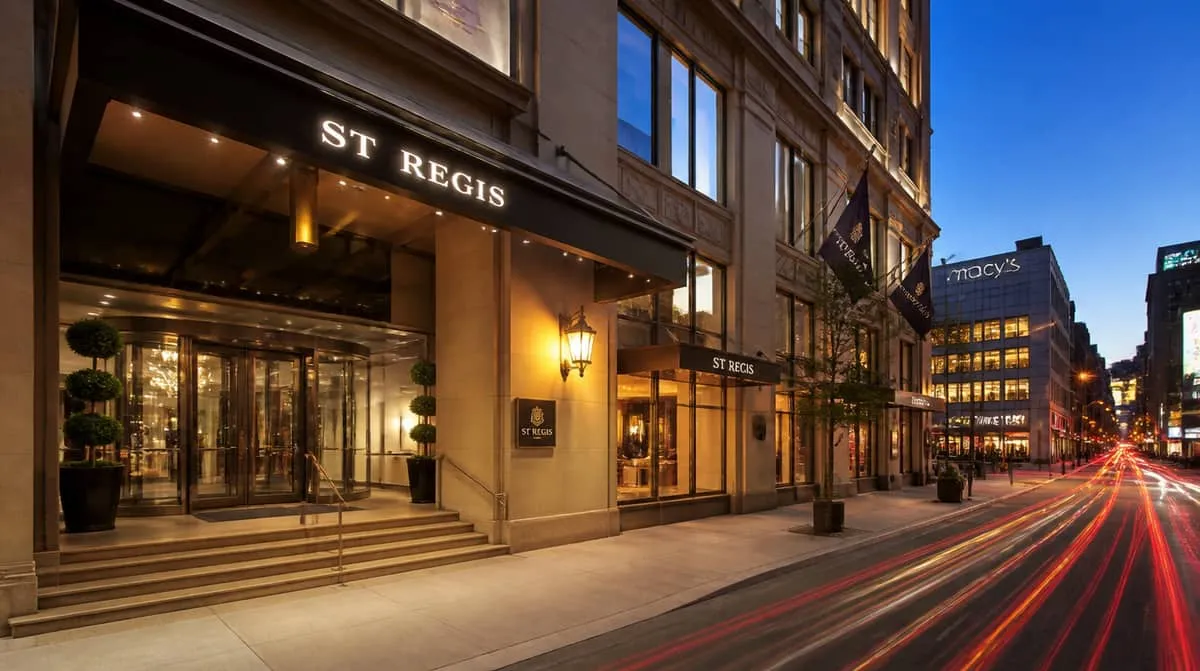
San Francisco operates one of the most demanding and design-literate restaurant markets in the country. The city's dining culture spans Michelin-starred tasting menus, neighborhood bistros with decade-long reservation lists, fast-casual concepts drawing tech workers on lunch, and high-volume tourist destinations at Fisherman's Wharf and guests across all of those segments arrive with genuine design expectations. In a market where operators pay some of the highest per-square-foot rents in North America, furniture that fails before its depreciation cycle ends is not a minor inconvenience; it is a direct hit to margins that are already thin.
The Neighborhoods That Drive SF Restaurant Furniture Demand
San Francisco's restaurant geography is dense and varied. The Mission District runs high-volume brunch and dinner covers, with long communal tables and durable dining chairs that need to absorb weekend rushes and spill-prone weekend crowds without degrading. Hayes Valley has become a destination for elevated casual and fine-dining concepts where the furniture is as curated as the menu operators here invest in chairs with considered silhouettes, often in warm leather or performance fabric with solid wood frames, because their regulars photograph every corner of the room.
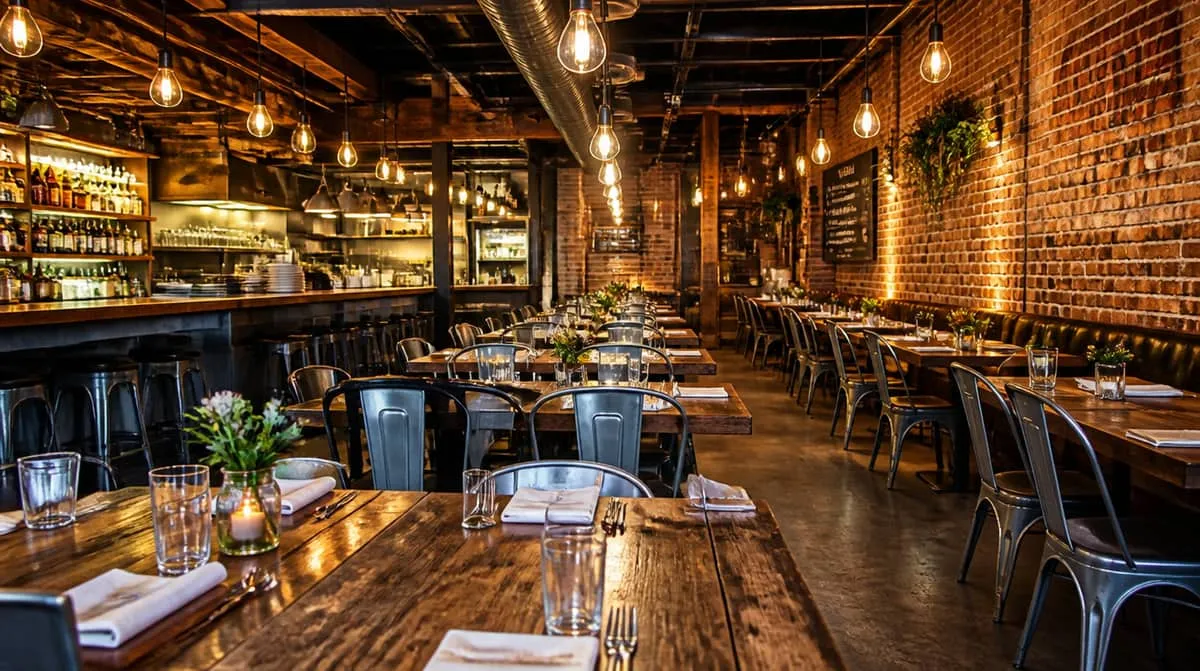
SoMa's restaurant scene exists in two registers simultaneously: the lunch spots and fast-casual chains serving the Salesforce Tower and nearby tech offices, which need stackable, durable seating that maximizes covers during a 90-minute midday window, and the evening destination restaurants and hotel dining rooms that need to convert the same or adjacent space into an experience worth a $200 check. Furniture flexibility chairs that look just as appropriate at lunch as at a candlelit dinner is a real procurement criterion in that neighborhood.
North Beach rewards traditional trattoria aesthetics with wood chairs and marble-topped tables, while the Castro and Japantown each carry neighborhood-specific visual vocabularies that operators ignore at their peril. Embarcadero waterfront restaurants contend with marine-layer humidity and occasional salt air, which affects both indoor-adjacent and covered outdoor seating materials selection has to account for that environment.
The convention business that peaks during Dreamforce and Oracle OpenWorld also drives restaurant furniture decisions. Properties and standalone restaurants near Moscone Center know that a September or October with 100,000 conference attendees in the neighborhood will push every chair and barstool to its durability limits. Barstools at hotel bars and adjacent restaurant bars in SoMa absorb particularly heavy use during those windows.
Design Aesthetic: What SF Restaurant Operators Are Specifying
The dominant aesthetic in San Francisco restaurant furniture has moved toward California warmth over the past several years a response to the cold-industrial look that peaked in the mid-2010s. Operators are specifying light oak and white oak dining chairs with upholstered seats in performance fabric: boucle, performance linen, and treated velvet in warm neutrals. The palette runs oatmeal, warm white, terracotta, sage, and deep olive earthy without being rustic.
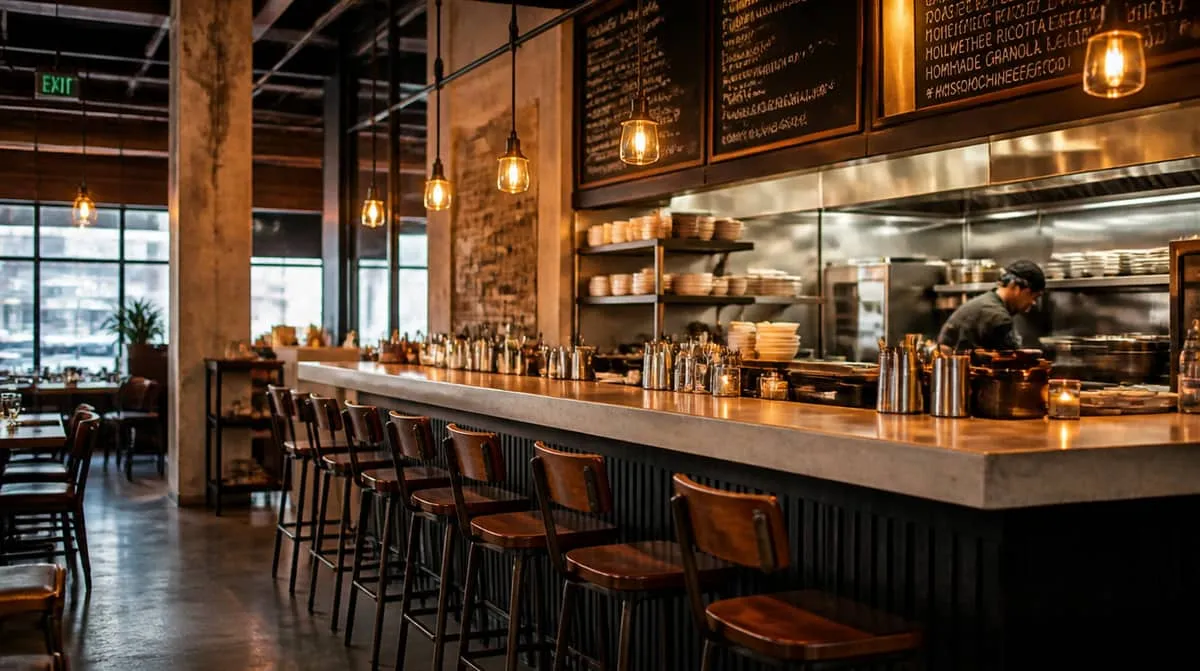
Leather remains a strong presence at bar seating. Barstools in caramel or saddle leather with brass footrests read as California contemporary and age gracefully in bar environments where textile fabrics would degrade faster. For dining rooms with higher volume, contract-grade performance fabric on dining chairs provides the texture and warmth of natural materials with the cleanability that commercial kitchen adjacency demands.
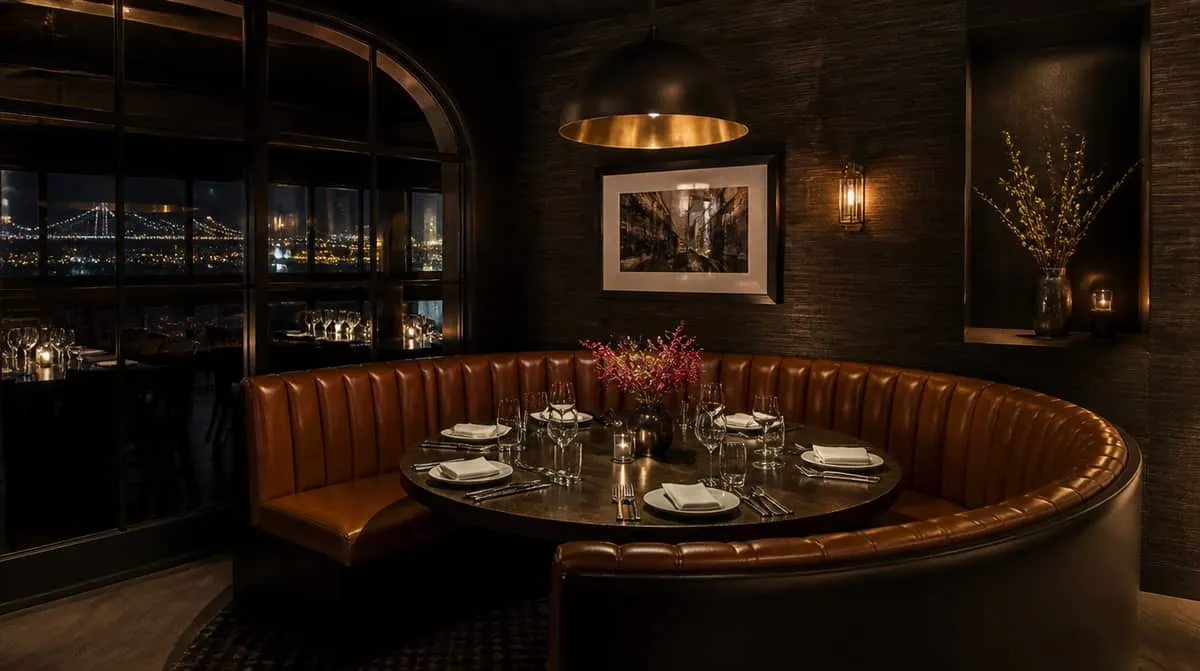
Banquette seating is prevalent across every price tier, maximizing covers per square foot in a city where rent economics force operators to extract maximum revenue from every seat. Operators often specify upholstered banquette backs in a contrasting or complementary fabric to the chair seats, creating a layered interior that photographs well for social media which is an active procurement consideration in a market as visually competitive as San Francisco.
Working With a Commercial Furniture Supplier in San Francisco
Restaurant installations in San Francisco come with access constraints that vary significantly by neighborhood. The Mission and Castro have narrow delivery windows due to street parking restrictions. SoMa loading zones are contested during business hours. Hayes Valley operates on a scale where a full dining room might fit in a single freight delivery, or might require two. Operators should budget 10 to 14 weeks for custom or semi-custom upholstered dining chairs and communicate access constraints to their supplier before order confirmation.
Commercial Furniture Depot ships direct to San Francisco operators with volume pricing available on orders of 20 or more units of a single SKU relevant for restaurants replacing full dining room seating or speccing for a new buildout. Phased delivery can be arranged for restaurants renovating in stages to maintain partial service through a refresh.
Every San Francisco venue has its own volume, layout, and turnaround demands, and restaurant furniture pricing follows from those specifics. Request a quote and we will scope it to your project.