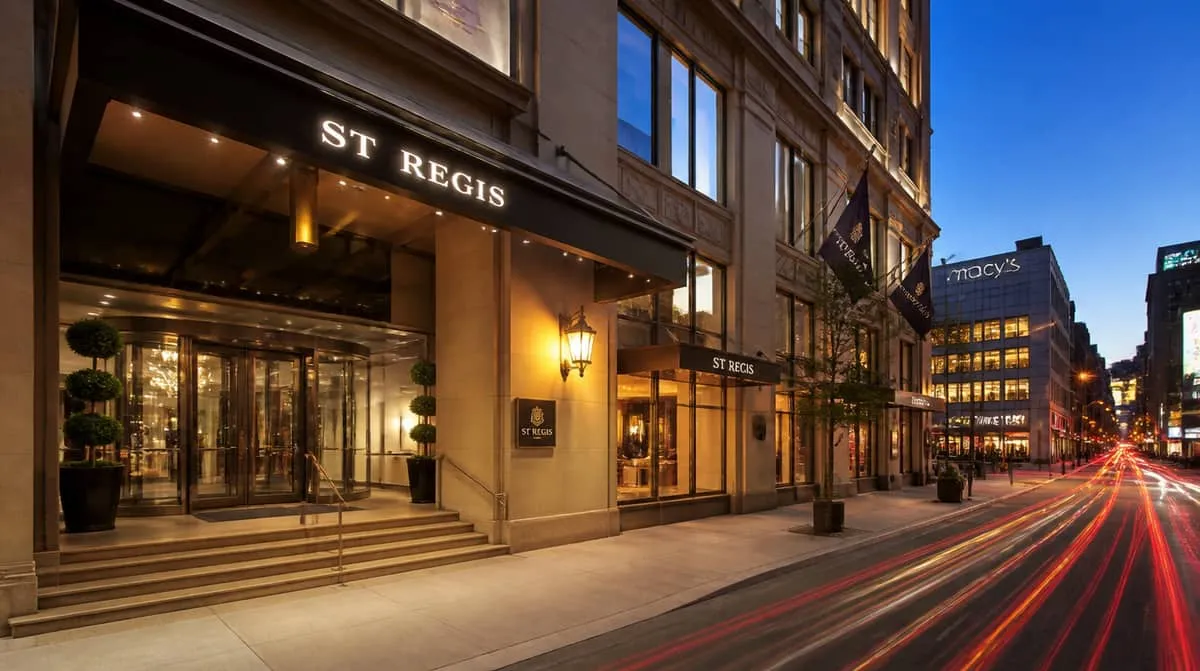
San Francisco's boutique hotel market is among the most competitive in the United States, and the guest selecting an independent property in the Tenderloin, SoMa, or the Mission is making an active choice against the Marriott Marquis and the Hilton. That guest frequently a Salesforce or Google employee on an internal conference trip, or a design-literate leisure traveler who follows independent hotel culture arrives with a precise mental image of what a considered boutique interior looks like. The furniture in every room and public space either confirms or breaks that expectation within minutes of check-in.
The Boutique Hotel Landscape in San Francisco
San Francisco's boutique hotel geography clusters around several distinct nodes. The Tenderloin and lower Nob Hill have seen a wave of boutique conversions of older SRO-stock buildings and mid-century motor inns into design-forward independent properties. These projects often work with compact guestrooms where furniture selection directly determines whether the room feels curated or cramped platform beds with low-profile upholstered headboards, wall-mounted nightstands, and a single well-chosen lounge chair do more for a small room than a set of mismatched pieces.
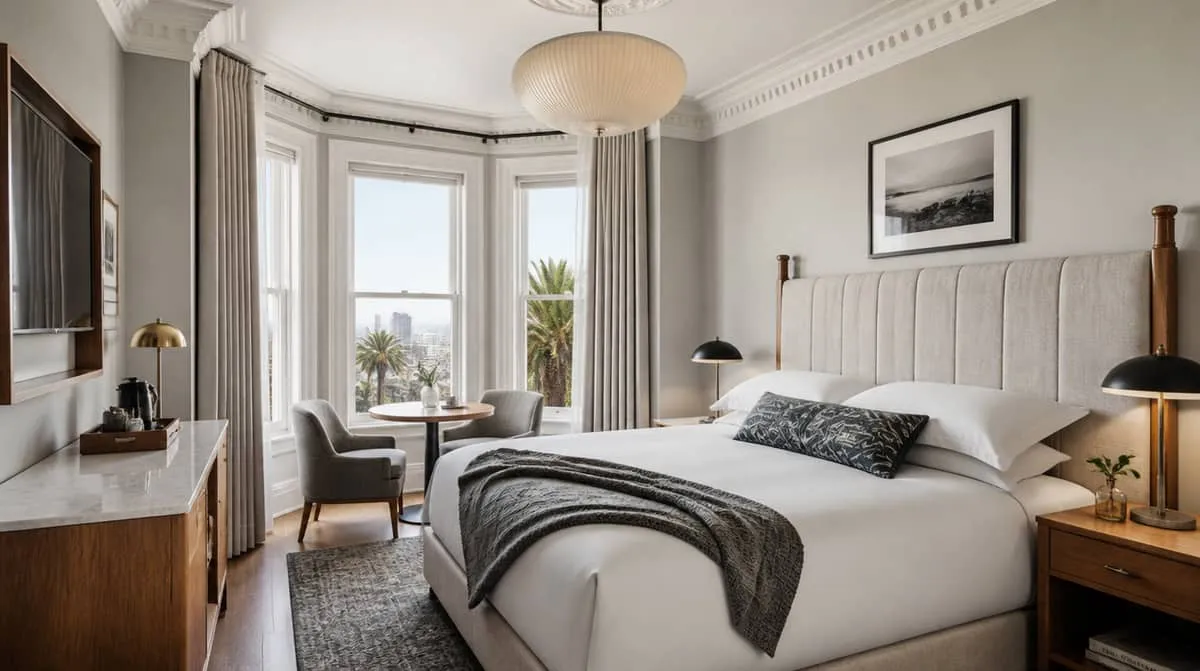
SoMa boutique properties adjacent to Moscone Center and the Salesforce tower corridor face a specific challenge: they need to hold their design identity through Dreamforce season, when occupancy spikes and rooms absorb the kind of wear that a boutique with 40 keys can't easily absorb the way a 500-key convention hotel can. Furniture durability at the construction-grade level is non-negotiable even if the aesthetic reads residential.
The Mission has developed a cluster of independent properties that lean into the neighborhood's art and food culture warm, tactile interiors with handcrafted references, exposed concrete, and bespoke case goods that carry a story the front desk team can actually tell guests. These properties source carefully, looking for pieces with provenance and materiality rather than catalog staples. Lounge chairs with visible joinery, natural leather ottomans, and bespoke upholstered headboards are common specifications.
The Embarcadero and waterfront-adjacent boutique properties carry a different visual brief: they can lean into the maritime and industrial heritage of the neighborhood with raw metal accents, reclaimed wood, and leather seating that ages visibly and intentionally. The marine layer and salt air influence materials choices anything that will live near windows or in transitional spaces like covered terraces needs to be specified accordingly.
Furniture Design for Boutique SF Guestrooms
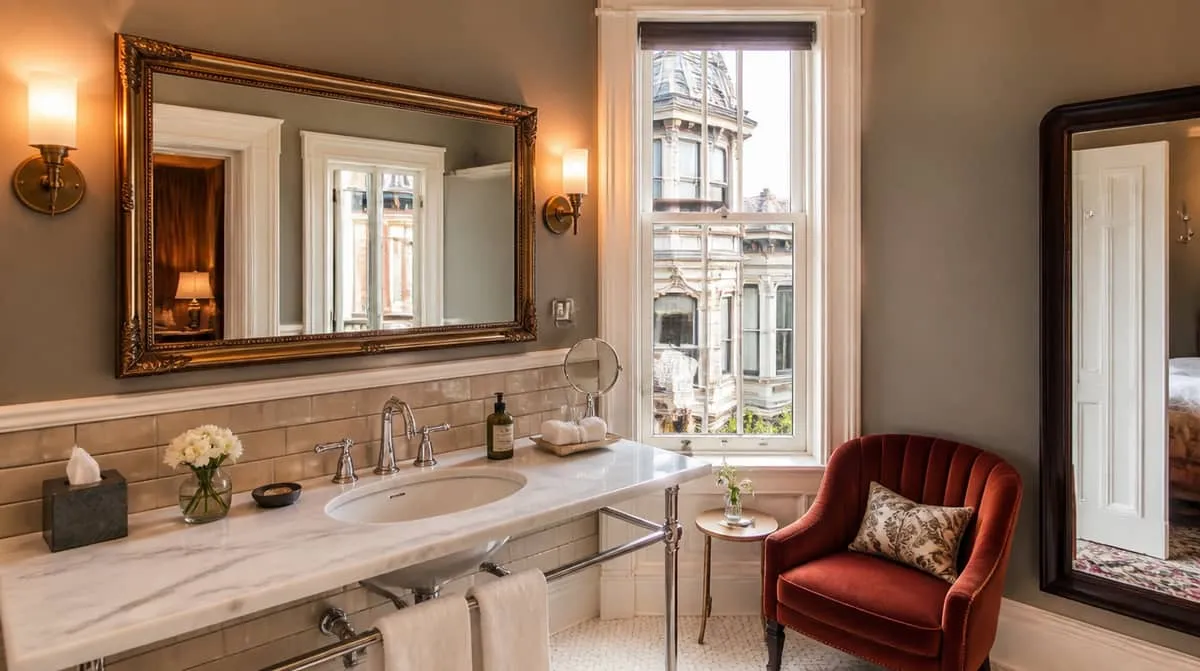
The California contemporary aesthetic that defines San Francisco's better boutique properties is built around a warm-neutral palette oatmeal, warm white, flax, caramel applied across upholstered surfaces, with light oak or wire-brushed natural wood providing the structural vocabulary. This is not a minimal look; it is a full, layered interior that reads calm rather than empty. The layering comes from textile contrast: a linen headboard against a plaster wall, a leather ottoman against a sisal rug, a boucle lounge chair against whitewashed oak case goods.
Guestroom seating in boutique SF properties typically includes one generously proportioned lounge chair the piece guests photograph most often and the piece that signals most clearly whether the owner was serious about the interior. Chair specifications for boutique guestrooms should combine a sculptural silhouette with contract-grade upholstery construction: 8-way hand-tied springs or sinuous spring systems, commercial-grade foam at 1.8 lb density or higher, and performance fabric or genuine leather that can be cleaned by housekeeping without degrading.
Headboards are the defining furniture piece in boutique hotel guestrooms. A floor-to-ceiling upholstered panel in a warm flax or oatmeal performance linen, with button tufting or channel quilting, sets a room's entire visual tone. Boutique operators in San Francisco increasingly specify custom-height headboards that work with the room's ceiling height rather than a standard 54-inch cut-off particularly in the converted Victorian and Edwardian buildings common in the Mission and Nob Hill.
Procurement for Boutique Properties
Boutique hotels in San Francisco typically operate with smaller purchasing volumes than convention-scale properties, which means finding a supplier willing to work with orders of 20 to 60 units while still providing commercial-grade specifications matters more than volume discounts. Lead times for custom upholstered pieces run 10 to 16 weeks; boutique operators should build those timelines into renovation planning rather than treating them as a variable.
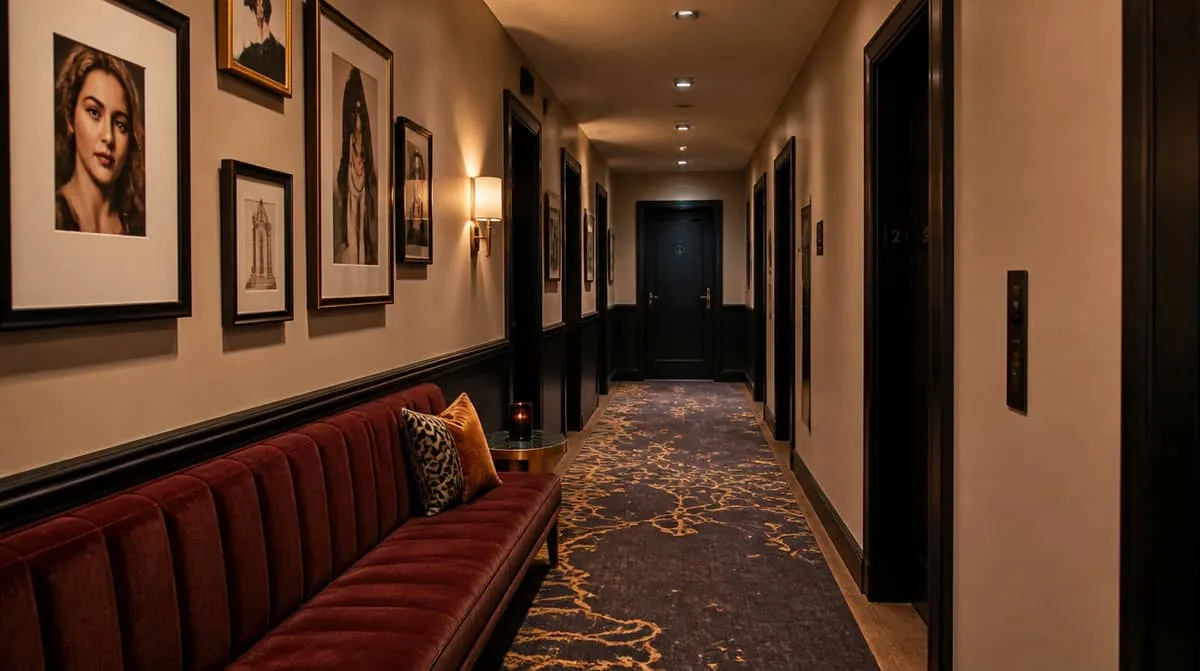
The compressed guestrooms typical of San Francisco boutique properties frequently 250 to 350 square feet in converted older buildings require precise dimension management. Ordering without confirmed room measurements and door clearance specs is the most common procurement mistake in boutique hotel FF&E. Commercial Furniture Depot can provide technical spec sheets for any piece and work with operators on dimension verification before order confirmation.
Pricing for boutique hotel furniture in San Francisco depends on quantities, finishes, and your delivery window, so a project-specific quote beats any list figure. Request a quote to get yours.