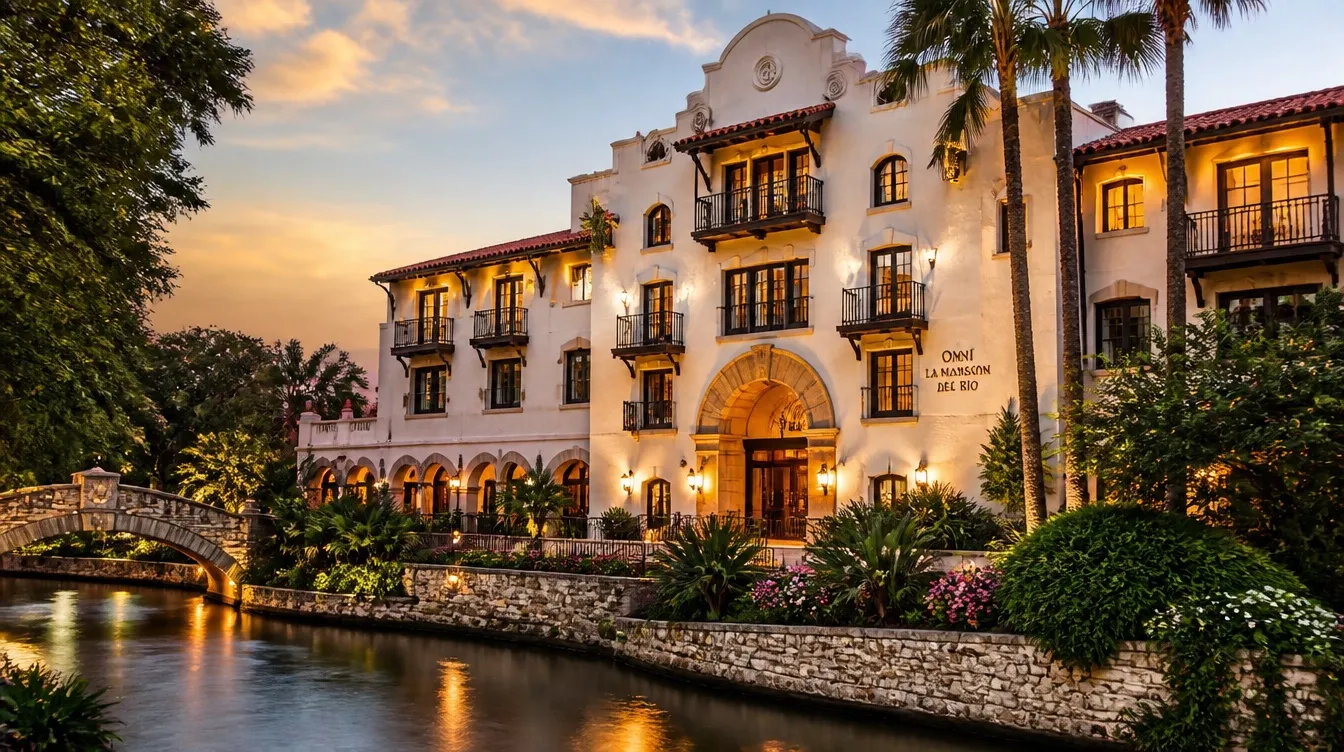
San Antonio's restaurant market is larger and more sophisticated than most outside visitors expect, and it operates across a wider range of design contexts than most cities of comparable scale. The River Walk dining corridor is the visible face of San Antonio hospitality a mile and a half of restaurants serving 12 million annual visitors with every format from waterside casual to formal hotel dining. The Pearl District is something else entirely: a nationally recognized culinary destination that has attracted serious chefs and earned national media attention for a food culture rooted in the converted brewery site and the San Antonio community around it. St. Paul Square and the King William Historic District add historic character venues that serve the wedding and private event market. Each of these contexts has its own furniture requirements, and the commercial restaurant furniture that serves them needs to be specified to match.
The volume challenge is the starting point for any San Antonio restaurant furniture conversation. The River Walk properties that run at capacity during Fiesta San Antonio in April, during Convention Center peak weeks, and through the summer tourism season are putting their furniture through use cycles that expose under-specification quickly. A chair that looks acceptable in a showroom but compresses and loosens under 200 covers per day will show its limits within a year. The restaurant operators who have been on the River Walk for decades have learned this lesson through experience, and most of them now buy commercial contract furniture with the durability ratings to match their cover volume.
River Walk Dining: Durability and Traditional Aesthetic
The River Walk dining corridor runs a traditional aesthetic that is partially the result of the walk's Spanish Colonial heritage and partially the result of what works visually in the compressed outdoor-indoor environment of the limestone channel. Dark-stained wood and wrought iron references are common; terracotta and earth tones appear throughout the color palette; upholstered seating in leather and warm woven fabrics adds comfort to settings where guests are lingering over multi-course meals.
Commercial restaurant chairs for River Walk properties need to meet a durability standard that reflects the site's traffic. The American National Standards Institute (ANSI) and Business and Institutional Furniture Manufacturer's Association (BIFMA) commercial durability ratings exist for exactly this reason, and a chair rated to commercial specification will hold up where a residential or cross-over product will not. For a property running 400 covers per day across three meals, the difference between a commercial-grade chair and a budget alternative shows up in fabric wear, frame wobble, and leg damage within 18 months.
The outdoor dining question on the River Walk is worth addressing separately. The walk's micro-environment, shaded by cypress trees and the limestone walls of the channel, creates outdoor conditions that are more forgiving than open-air Texas patio environments. River Walk outdoor dining operates year-round, which means the furniture needs to handle moisture from the river environment as well as the humidity of San Antonio's spring and summer seasons. Aluminum frame seating with marine-grade or solution-dyed fabric is the standard for serious River Walk outdoor programs.
Pearl District: Contemporary Texas for a Design-Aware Guest
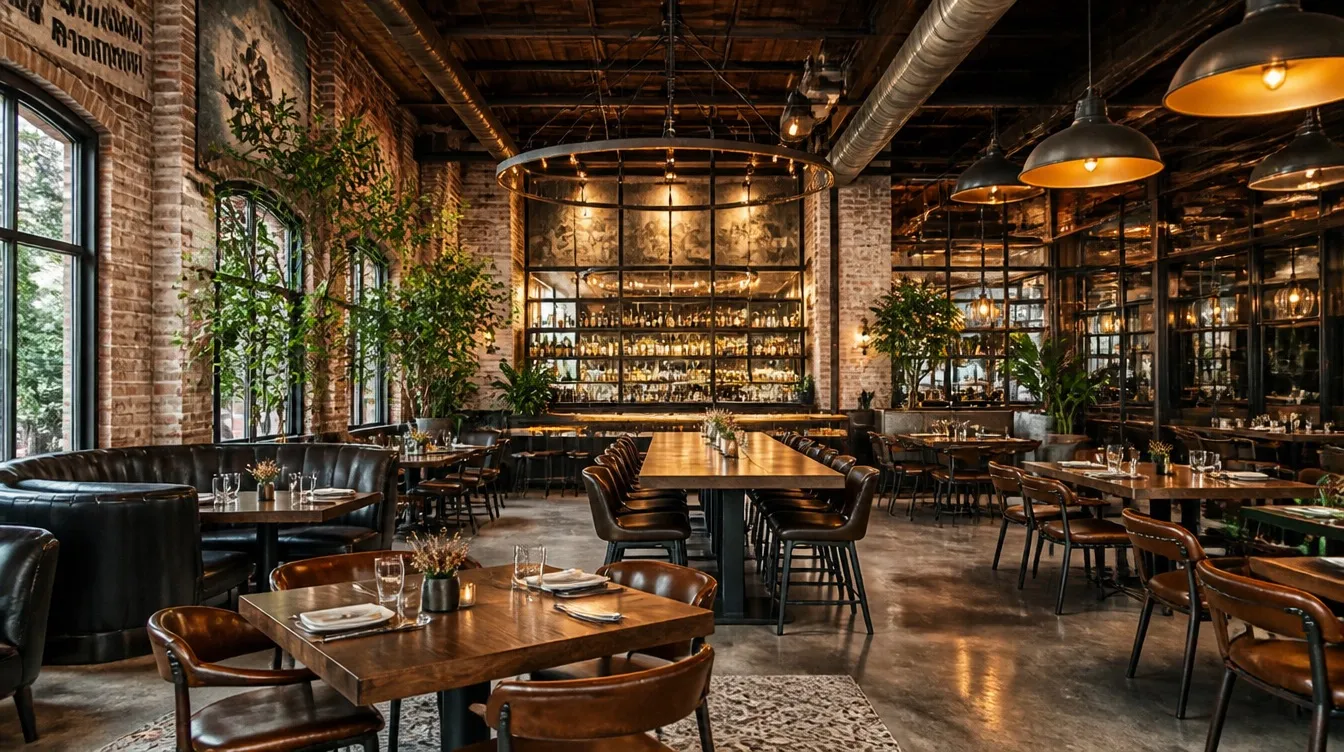
The Pearl District restaurant guest is different from the River Walk tourist. This is a design-aware local and destination dining audience that has come specifically for food quality and environment, and the furniture communicates the restaurant's seriousness to that audience before the first course arrives. The Pearl's aesthetic vocabulary draws from the converted brewery's industrial heritage: exposed brick and concrete, reclaimed wood, blackened steel, and a warmth that comes from material authenticity rather than ornament.
Restaurant chairs and dining tables in Pearl District settings need to deliver on that vocabulary without sacrificing commercial durability. Reclaimed wood table tops with appropriate finishing for restaurant use, metal chairs with powder-coat finishes in blackened or oil-rubbed tones, upholstered banquette seating in performance fabrics these are all achievable at commercial specification if you work with a supplier who has manufacturer relationships in the contract furniture market rather than defaulting to retail channels.
The counter seating and bar configuration is particularly important in Pearl District restaurant design, because many of the properties in the neighborhood use open kitchen or chef's counter formats where bar seating is a design feature as much as a functional accommodation. Bar stools with appropriate seat height, footrest positioning, and back support for extended dining use are worth specifying carefully; the wrong stool geometry turns a premium seating position into an uncomfortable one, which affects cover turnover and repeat business in ways that show up in revenue.
Fiesta Volume and Event Programming
Fiesta San Antonio creates a restaurant demand peak that strains every property on and near the River Walk for ten days in April. The furniture that a restaurant runs for its standard service program needs to be sufficient for Fiesta-level volume without visible deterioration. Properties that have invested in commercial-grade programs hold their presentation through Fiesta; those running under-specified programs show it.
The event format is also relevant for restaurants with private dining or buyout capability. Military contractors from Joint Base San Antonio, USAA, and Valero Energy book corporate dining events throughout the year, and a restaurant with genuinely flexible furniture that can configure for private dining, reception, or presentation formats has a competitive advantage in that market. Folding table programs and stackable chairs that store well give a restaurant the configuration flexibility to capture corporate event revenue without a full events infrastructure.
Booth and Banquette Specification
Booth seating is a significant element in many San Antonio restaurants, both for the River Walk properties that want to create intimate dining experiences in high-traffic environments and for Pearl District restaurants where a banquette along the wall is a design anchor. Commercial booth construction, with high-density foam cores, commercial upholstery fabrics, and frame construction that handles the leverage loads of seated diners pushing against the back, is in a different category from residential or light commercial alternatives.
Upholstery fabric selection for San Antonio restaurant booths needs to account for the climate and the use. Performance fabrics rated for 100,000 double-rub cycles or higher are the standard for high-volume seating; leather and faux-leather alternatives with commercial-grade backing hold up to the cleaning requirements that a busy restaurant generates. The fabric color selection should account for the deep earth tones that read well in San Antonio's warm, sun-lit interior environments.
If you are sourcing restaurant furniture for your San Antonio property, the fastest way to real numbers is to tell us what you need. Request a quote with your quantities and timeline.