Pittsburgh's restaurant market has quietly become one of the most interesting in the mid-Atlantic, driven by a combination of affordable real estate that lets chefs take risks, a tech and university workforce that supports above-average check averages, and a food culture rooted in the Strip District's century-old market tradition. Operators opening in Lawrenceville, the Strip, East Liberty, or the South Side are competing on concept and interior as much as on food and the furniture choices they make on day one set the tone for whether the room can hold up to the volume that a successful Pittsburgh restaurant generates.
Pittsburgh's Restaurant Landscape and Furniture Demand
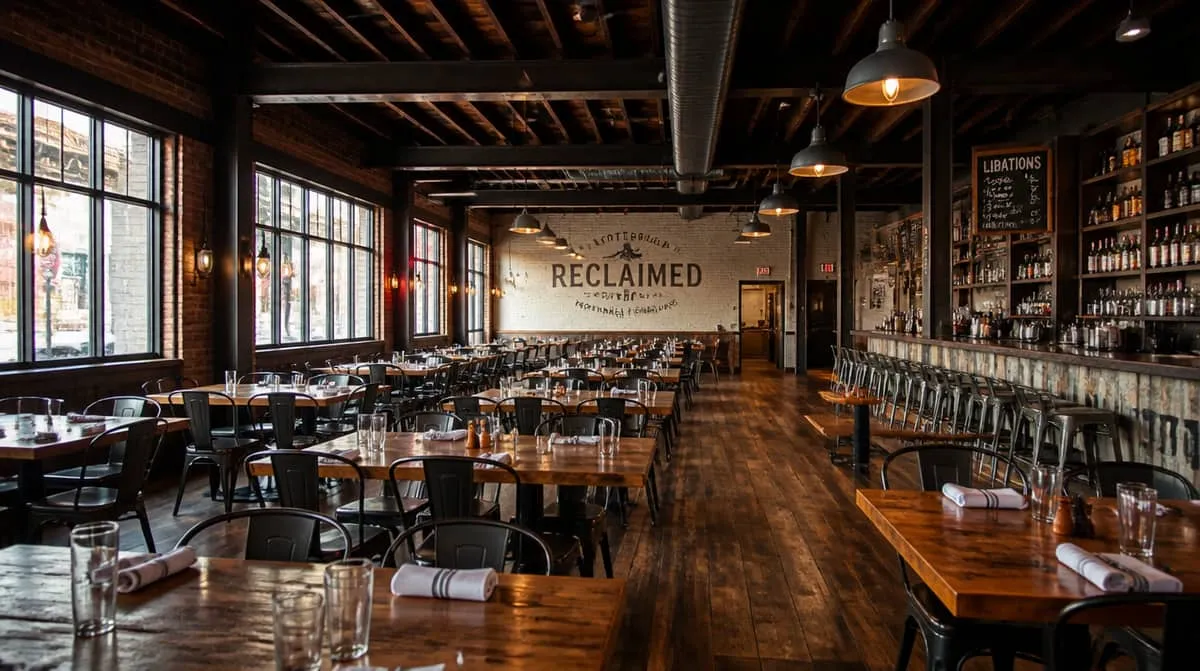
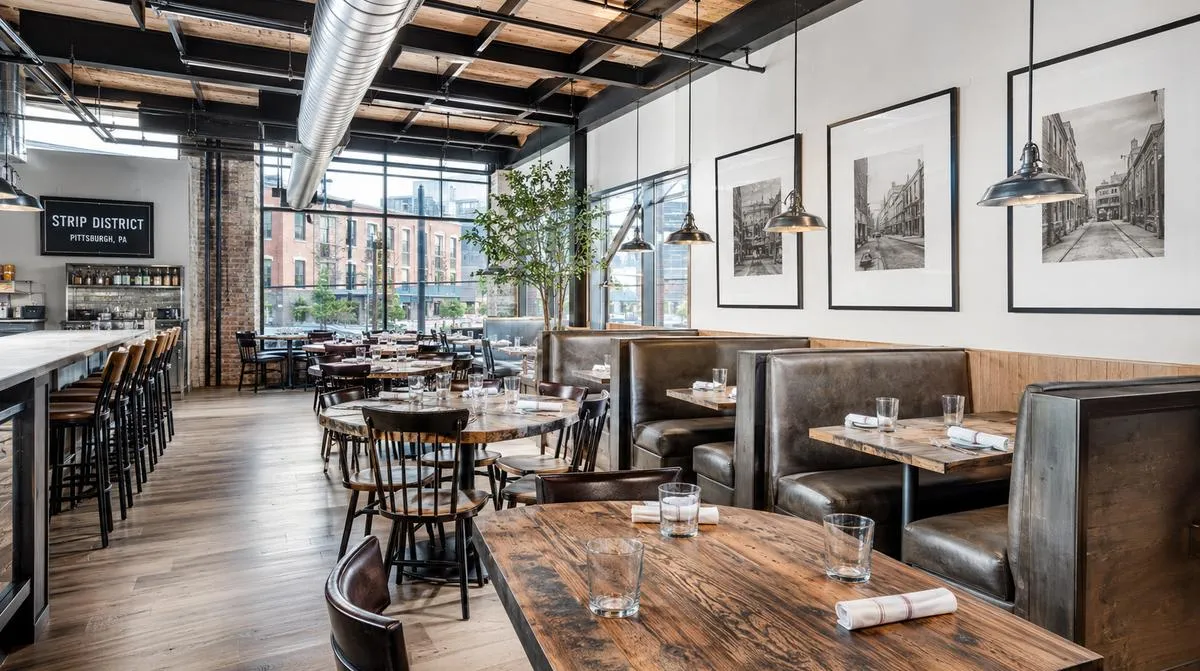
The Strip District functions as Pittsburgh's culinary anchor a mile-long stretch of specialty food vendors, wholesale distributors, and increasingly, restaurant operators who've converted warehouse and industrial space into dining rooms. These spaces reward furniture that respects the bones of the building: exposed brick, concrete floors, steel columns, and loading-dock windows that flood rooms with natural light. Dining chairs in these environments need to be proportioned for high-ceiling rooms, substantial enough to register visually in large spaces, and constructed to handle the kind of foot traffic a market-district restaurant sees six days a week.
Lawrenceville has become Pittsburgh's most design-conscious dining neighborhood a stretch of Butler Street populated by chef-driven independents and creative operators who've watched the neighborhood gentrify alongside their own reputations. These restaurants compete directly on interior aesthetics. Seating needs to tell a design story: barstools at open kitchen counters, banquette sections upholstered in performance fabric that photographs well and cleans faster than it looks like it should, and lounge chairs in waiting areas that signal the caliber of the room without overpromising.
East Liberty, once the neighborhood Pittsburgh's industrial exodus hit hardest, now hosts several high-volume operations adjacent to the tech corridor that extends toward CMU and Google's Pittsburgh office. These restaurants see extended weekday lunch and dinner service driven by corporate and university guests demand patterns that require seating with tight turn times and commercial-grade durability. Upholstery specifications matter here: performance fabrics rated for 100,000+ double-rub cycles are not overspecifying for high-volume Pittsburgh dining.
Sports venues add another layer of demand. On Steelers, Pirates, and Penguins game days, restaurants in the North Shore and Downtown see cover counts that would constitute a full Saturday in most markets. Stadium-adjacent operators furnishing bar areas need barstools and high-top seating built for the physical wear of that kind of surge volume.
Design Aesthetic and Furniture Specifications
Pittsburgh's restaurant design identity has crystallized around a set of visual principles that emerged from the city's industrial history and its current creative moment: exposed structural steel, reclaimed wood from demolished mill buildings, black metal frames and hardware, rough-finish concrete and brick, and warm ambient lighting that softens the industrial palette. It's a look that other rust belt cities have tried to replicate, but in Pittsburgh it's authentic because the materials are genuinely local and the references are genuinely historical.
For restaurant operators, this means furniture specifications that embrace rather than fight the aesthetic. Dining chairs with black powder-coated steel frames and solid wood seats walnut, white oak, or reclaimed mixed hardwood read as site-specific in Pittsburgh in a way that chrome-base or fully upholstered chairs do not. Tabletops in live-edge wood or steel-banded reclaimed timber on cast iron bases fit the Strip District's warehouse rooms without requiring design gymnastics.
Bar areas, which are central to Pittsburgh's sports-culture restaurant model, benefit from barstools in metal frames with footrests built to handle the physical abuse of a room that transitions from lunch service to pre-game crowds. Upholstered seats in vinyl or treated leather clean quickly and hold up to the spill rates that come with game-day volume.
Outdoor dining deck spaces along the rivers, sidewalk seating on Butler Street, roof decks in East Liberty requires commercial-grade materials that handle Pittsburgh's genuine winter conditions. The city's weather imposes real performance requirements, not just aesthetic ones.
Procurement for Pittsburgh Restaurants
Independent restaurant operators in Pittsburgh often work within tighter capital budgets than corporate or chain operators, which makes the sourcing decision more consequential. Contract-grade furniture bought once and maintained properly outlasts budget-grade seating purchased for a lower upfront cost by three to four replacement cycles a calculation that matters when a dining room refresh means a two-week closure.
Lead times of 8 to 12 weeks are standard for custom-specified pieces. Operators planning pre-opening timelines should account for Pittsburgh's building permit and inspection cycles, which in adaptive-reuse spaces can extend construction schedules unpredictably. Building furniture delivery and installation into a phased timeline rather than a single drop-date reduces scheduling risk.
Pricing for restaurant furniture in Pittsburgh depends on quantities, finishes, and your delivery window, so a project-specific quote beats any list figure. Request a quote to get yours.