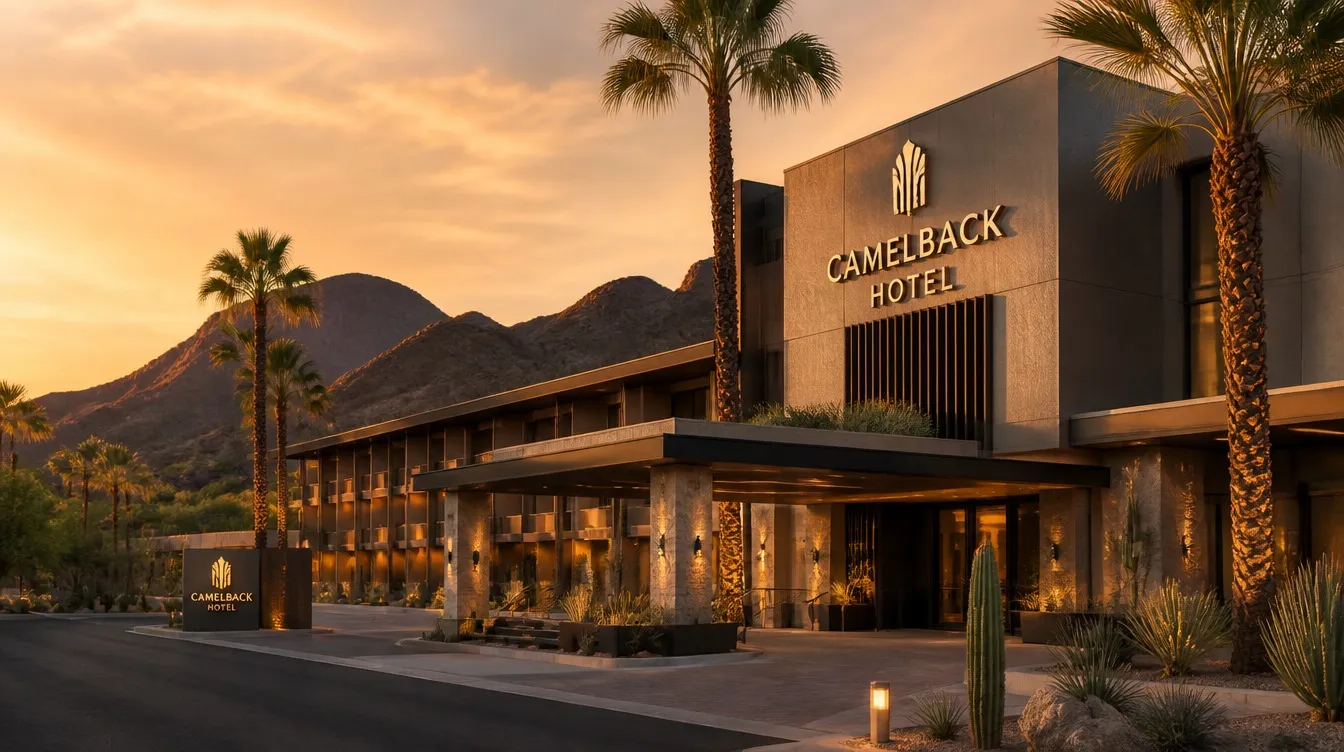
Phoenix has built a restaurant scene that no longer needs the qualifier "for a desert city." Roosevelt Row's arts district has produced genuinely serious food and beverage concepts that draw regional attention. Arcadia's neighborhood corridor runs the full range from weekend brunch spots to white-tablecloth dining. The Camelback Road corridor hosts concepts that serve the resort guest overflow from the Camelback Corridor hotels alongside Phoenix's own professional class. Downtown CityScape serves convention center overflow, arena nights, and the growing residential population in the urban core. Across all of these neighborhoods, the operators who succeed are running restaurants at commercial intensity peak covers during snowbird season that stress furniture harder than operators in most markets ever experience, followed by a summer that drops sharply enough to make renovation and replacement the practical window for refreshing your floor.
What Commercial Restaurant Furniture Has to Survive in Phoenix
The starting point for restaurant furniture Phoenix is the climate, because it shapes every specification decision. Phoenix's summer heat is not primarily an indoor challenge for climate-controlled restaurants modern restaurant HVAC handles indoor temperatures effectively. The challenge is at the transition between indoor and outdoor: patio furniture, furniture near large operable doors or windows, and case pieces near south-facing glass all face UV exposure and temperature cycling that will destroy non-commercial product on a compressed timeline.
Outdoor patio furniture in Phoenix needs to be specified for sustained UV at a level that most markets do not require. Powder-coated aluminum frames are the standard for commercial outdoor seating in Phoenix they resist oxidation, hold finish without flaking, and are light enough to reconfigure without two-person teams. Steel requires more diligent finish maintenance in Phoenix's summer sun than aluminum, and untreated iron is a liability regardless of how well it reads aesthetically. Resin and polypropylene stack chairs for patios are viable for casual concepts if they are rated for UV stability budget resin chairs will fade, chalk, and become brittle within two summers of Phoenix sun exposure.
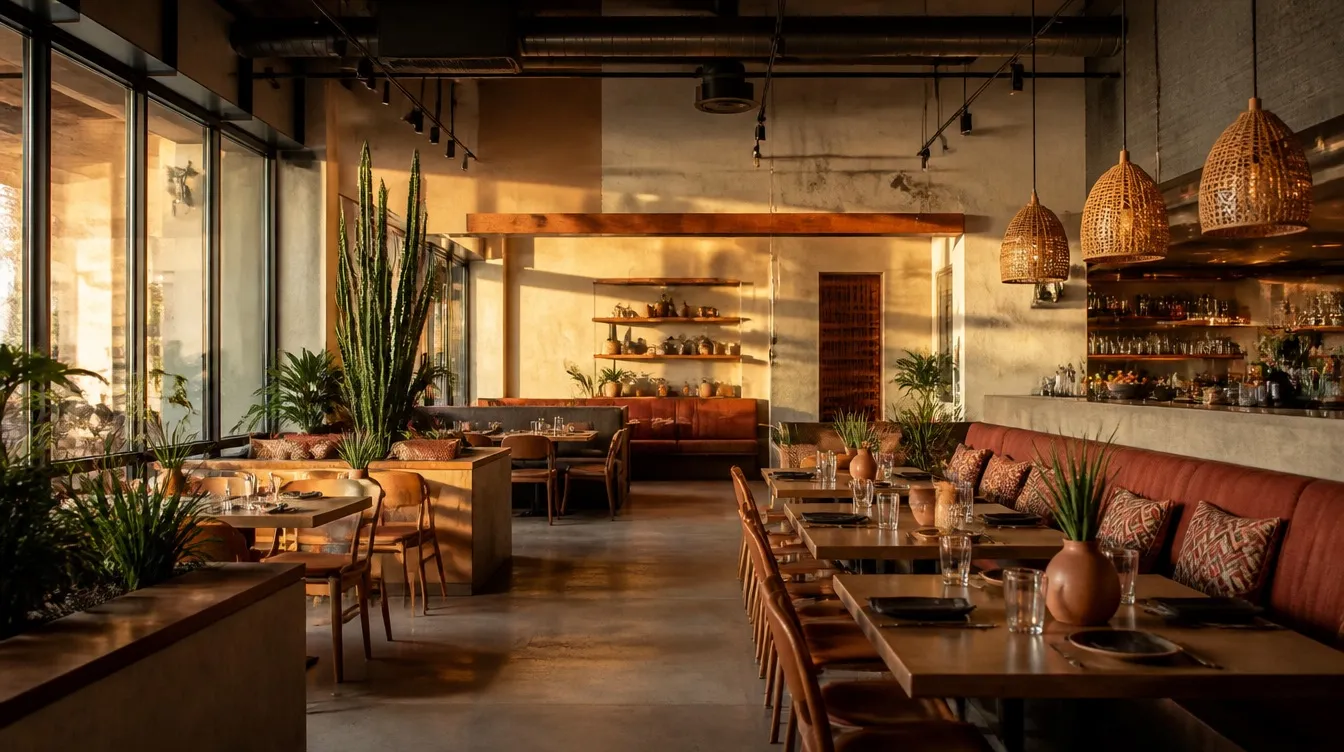
Restaurant chairs for indoor dining rooms should be built to commercial frame specifications regardless of which segment you are operating in. A Phoenix restaurant running 200 covers a night through the snowbird season is putting more use cycles on its chairs in a single month than many restaurants in smaller markets see in a quarter. Frame construction matters welded joints hold where screwed joints loosen, and commercial-rated frames at 250-pound load capacity hold where residential-grade frames eventually fail at joints and legs. Upholstered seating needs commercial fabric with a minimum 50,000 double-rub rating; fine dining and lounge seating should spec higher.
The Snowbird Season Push
The snowbird influx between November and April is the most significant commercial variable in Phoenix restaurant operations. Resort hotels along the Camelback Corridor run at capacity, and their in-house restaurant programs run at corresponding intensity. Standalone restaurants in Arcadia, Biltmore, and along the Scottsdale border see occupancy and dining demand that may be two or three times their summer baseline. Extended weekend brunches run for hours. Dinner services pack out earlier and stay fuller later. The furniture in those rooms is seeing use cycles that compress significantly relative to the off-season.
That intensity is the practical argument for commercial-grade restaurant furniture that operators sometimes resist when looking at per-unit cost. A dining chair that costs less than its commercial equivalent but fails in its second snowbird season has not saved money. It has absorbed the cost of replacement plus the operational disruption of sourcing and installing mid-season, which is the worst time to be dealing with furniture logistics in Phoenix.
Plan your furniture replacement and refresh cycles around the summer window rather than the peak season. Phoenix operators who treat June through August as the standard renovation period have discovered that this rhythm works with the market rather than against it. Suppliers deliver without competing with peak-season operational demands, installation crews are available, and rooms can be taken out of service without lost revenue pressure. The furniture arrives, gets installed, and is ready for the November surge.
Desert Modern and the Phoenix Restaurant Aesthetic
Phoenix's restaurant design has moved toward a desert modern aesthetic that is distinctive and increasingly recognized beyond the regional market. The best new concepts in Roosevelt Row and Arcadia are working with warm terracotta tones, natural stone and concrete surfaces, warm wood finishes, and the kind of clean contemporary forms that photograph well and hold up over time without looking dated.
Restaurant tables in this aesthetic typically lean toward natural wood or stone tops with clean metal bases in matte black, bronze, or brushed steel. Seating mixes upholstered chairs in warm-toned performance fabrics with hardwood or metal chairs for tables that need to work with high turnover. Banquettes in warm-toned fabrics anchor the main dining room and provide the kind of comfortable extended seating that encourages guests to stay for multiple courses.
The Roosevelt Row arts district rewards furniture that has a genuine design point of view. Operators in this corridor are competing partly on environment the restaurant space is part of what guests are paying for. Generic commercial furniture in standard finishes reads as an afterthought in a neighborhood where design intentionality is a baseline expectation. Working with a restaurant furniture Phoenix supplier who understands the aesthetic distinction between commercial-grade product with real design quality and commercial-grade product that is simply durable is worth the time investment.
High-Volume Convention and Corporate Dining
Downtown Phoenix restaurants near the Convention Center serve a guest mix that is different from the resort corridor. Convention delegates, business travelers from the Intel and TSMC supply chain, and the financial sector employees who anchor the back-office market want restaurants that are fast without being cheap, comfortable without being precious. These operators are running high-volume lunch and dinner services where table turnover matters and furniture that contributes to efficient service is genuinely valuable.
Bar stools and counter seating that are comfortable for 45-minute occupancy without being so comfortable that guests extend indefinitely are a real specification consideration in high-volume restaurant environments. Seat depth, cushion firmness, and back support all influence how long guests naturally occupy a seat a consideration that is worth thinking about explicitly rather than selecting seating entirely on aesthetics.
Tempe's restaurant market near ASU runs at a completely different price point and style register than the Camelback Corridor. Operators here need commercial durability at lower per-unit budgets commercial polypropylene stacking chairs, laminate-top tables with durable edge banding, and durable metal frames are the appropriate specification language. The commercial durability requirement does not change based on price tier; what changes is the product category within the commercial range.
Work with a restaurant furniture Phoenix supplier who covers the full market range resort fine dining through high-volume casual and who can help you spec appropriately for your specific concept, volume, and location. The right specification for a 60-seat white-tablecloth restaurant in Arcadia is entirely different from the right specification for a 200-seat fast-casual operation near the Convention Center.
For Phoenix properties comparing restaurant furniture options, project-specific pricing tells you more than any published range. Request a quote and we will scope it to your space and volume.
Related reading
- Commercial pool furniture in Phoenix
- What is contract furniture
- Commercial furniture vs retail
- Hospitality furniture supplier guide
- Restaurant chairs
- Restaurant tables
- Bar stools
- Browse full catalog
- Commercial furniture in Arizona
Our take
There is an irony in the Phoenix calendar this post maps but does not name: patio furniture takes its worst punishment during the months nobody is sitting in it. The snowbird season that fills patios runs November through April, in the gentlest sun of the year. Then service drops off for summer and the furniture sits empty under the most intense UV Phoenix delivers, which the post itself identifies as the force that fades, chalks, and embrittles under specified product. The operational answer follows from the post's own advice that commercial aluminum pieces are light enough for one person to reconfigure without a second set of hands: when the summer pause arrives, stack and move patio seating under cover, into shade structures, storage, or the interior corners of a quiet room, rather than leaving it deployed for appearance. A patio program that summers in the shade returns for November noticeably closer to its original finish, season after season.
The bottom line: A thorough tour of Phoenix's segments and the summer refresh rhythm. Extend that rhythm to the patio itself: stow or shade outdoor seating through the empty months, because idle furniture in July sun is still aging at full speed.