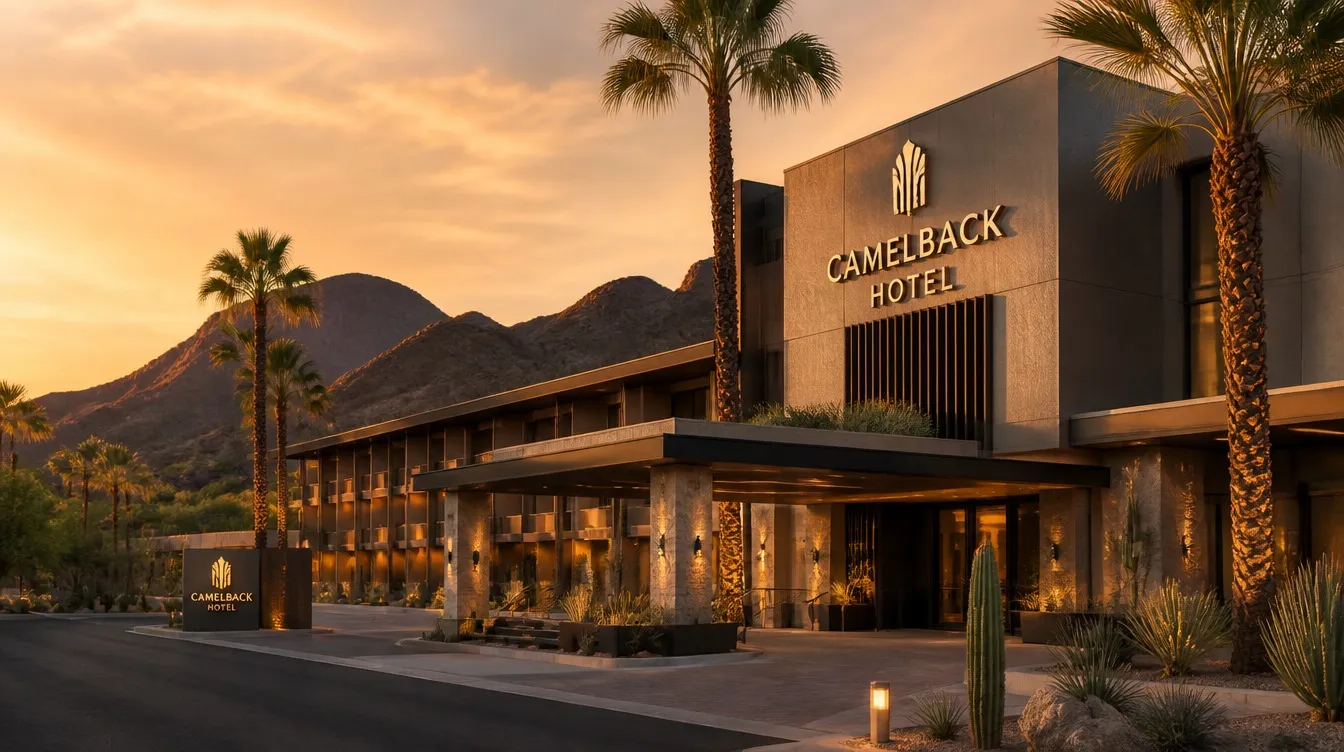
The boutique hotel segment in Phoenix has matured into something genuinely interesting. Properties that launched in the Roosevelt Row arts district over the past decade have established that Phoenix travelers and the snowbird visitors who account for an enormous share of winter occupancy will choose a distinctive independent experience over a branded flag when the design quality is high enough. Along the Camelback Corridor, smaller independent properties and lifestyle brand hotels sit alongside the major resort names, competing on design identity and personalized service rather than scale. In Tempe, boutique concepts near ASU serve a design-conscious urban traveler who expects something more considered than a standard business hotel. Across all of these properties, boutique hotel furniture Phoenix needs to do something that institutional hotel furniture does not have to do: carry genuine aesthetic intent while still meeting commercial durability standards.
Design Identity as a Competitive Asset
Boutique hotel guests are making an active choice. They are booking a property with a specific aesthetic point of view instead of a branded flag they know from dozens of other cities. That means the furniture in the lobby, the guestrooms, the bar, and the breakfast room is doing real commercial work it is communicating the property's identity to guests who are partly paying for that experience.
Furniture that is commercially durable but aesthetically generic undermines that investment. If your lobby seating looks like every other mid-scale hotel lobby in the country, the design identity you spent money on the architecture and branding to create is immediately diluted. Phoenix's boutique market has enough design-forward competition that bland furniture selections are not a neutral choice they are a competitive disadvantage.
The right boutique hotel furniture Phoenix strategy is to source pieces that are both contract-grade and genuinely designed. This is not a contradiction there is a substantial range of commercial furniture product that delivers real design quality alongside the structural and finish specifications that hospitality environments require. The challenge is that finding it requires working with suppliers who understand the hospitality design space, not just the commercial commodity furniture market.
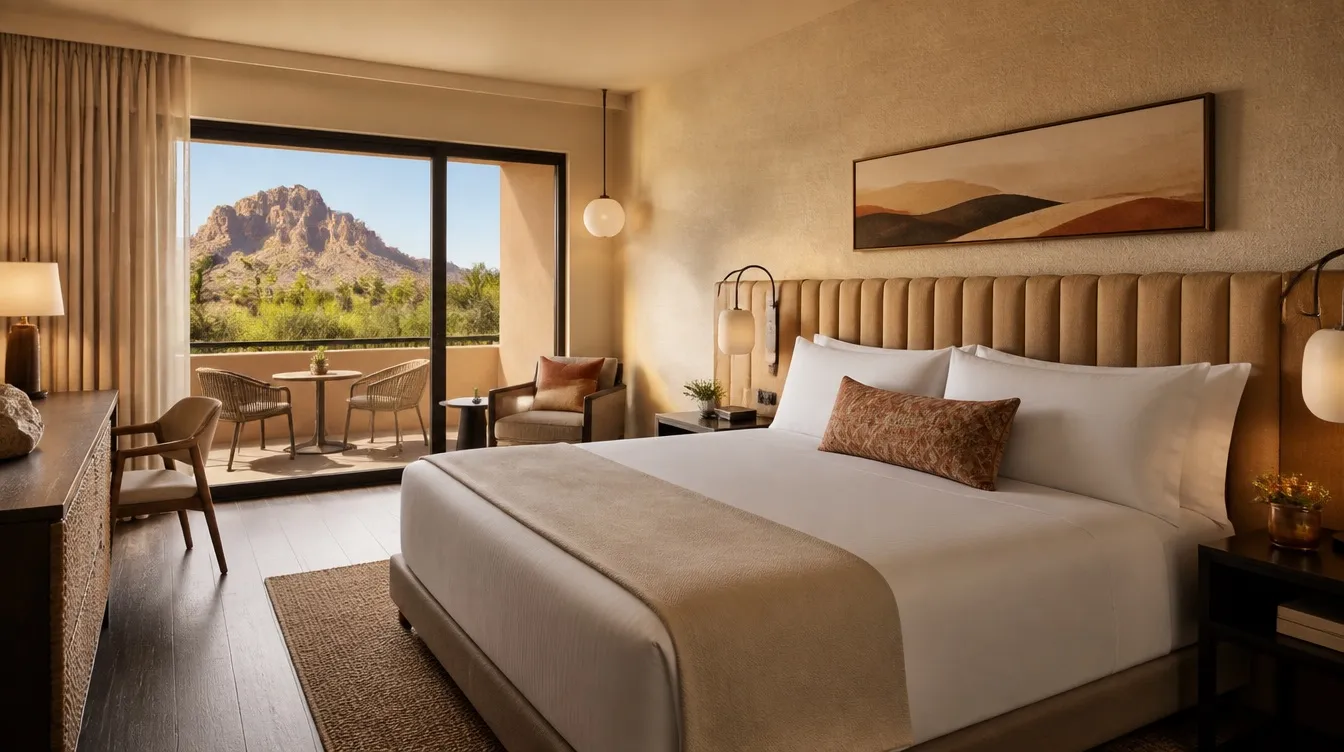
Desert modern is the dominant design language in Phoenix's boutique hotel market, and it is a compelling one. Warm terracotta, sand, and ochre tones in upholstery and soft goods. Concrete and natural stone in hard surfaces. Warm wood in natural or lightly oiled finishes. Steel accents in matte black or aged bronze. Clean contemporary forms that carry material quality rather than decorative detail. This aesthetic photographs beautifully, holds up to the Phoenix climate better than heavily upholstered traditional furniture, and has a regional specificity that makes it feel grounded rather than generically "hotel."
Guestroom Furniture for Boutique Properties
Guestroom furniture in a boutique hotel is held to a higher design standard than the same category in a branded flag. Guests who have chosen a boutique experience for its distinctiveness will notice and comment on, and photograph furniture that stands out as either particularly well-considered or particularly out of place with the property's stated aesthetic.
Headboards are the most prominent guestroom design element and the most photographed. In a Phoenix boutique property working with a desert modern palette, headboards upholstered in warm-toned performance fabrics with clean-lined frames in natural wood or matte metal deliver the design impact the category requires. Avoid ornate carved headboards that read as traditional rather than contemporary they fight the desert modern aesthetic rather than reinforcing it.
Case goods dressers, nightstands, desks in boutique guestrooms should carry genuine material quality. Solid wood and high-quality veneer on stable substrates are appropriate; thin-film laminate on box construction is not, even if it technically meets durability thresholds. Guests in boutique hotels run their hands over surfaces, notice drawer quality, and form opinions about the property based on details that chain hotel guests are not evaluating in the same way.
Phoenix's summer heat creates a specific consideration for guestroom case goods: solid wood pieces need to be constructed with properly conditioned lumber and stable joinery so they do not rack, check, or show joint movement as the extreme summer dryness cycles. Suppliers familiar with western desert markets will understand this variable. Those shipping from humid climates without accounting for moisture content may not.
Lobby and Common Area Design
Boutique hotel lobbies function differently from large resort lobbies. They are smaller, more intimate, and more important on a per-square-foot basis there are fewer square feet of first impression to work with, which means every furniture choice matters more. A single well-chosen lounge chair in a boutique lobby does more design work than fifteen identical pieces in a mega-resort lobby.
Lounge chairs and sofas for boutique hotel lobbies in Phoenix should be specified in commercial-grade frames with performance upholstery but selected for design quality distinctive silhouettes, well-considered proportions, and finishes that contribute to the property's overall aesthetic rather than simply filling square footage. COM upholstery programs where you supply your own fabric to the manufacturer give boutique properties the ability to specify exactly the fabric colorways and textures the design requires rather than selecting from a manufacturer's standard palette.
Outdoor lobby extensions the entry area, covered outdoor seating adjacent to the lobby, poolside lounge are significant design and revenue areas for Phoenix boutique properties. Snowbird guests spend an enormous amount of time outdoors during peak season, and the quality of outdoor common area furniture has direct impact on guest satisfaction scores and social media visibility. Phoenix boutique properties that invest in genuinely well-designed outdoor seating powder-coated aluminum or teak frames, performance fabric cushions rated for UV exposure see that investment reflected in the way guests document and share their experience.
Procurement Realities for Boutique Operators
Boutique hotel procurement is typically a smaller total volume than resort-scale or flag-property procurement, which creates both challenges and opportunities. The challenge is that small-volume orders sometimes fall outside the minimum quantities that major contract furniture manufacturers require for custom work. The opportunity is that lead times on smaller orders are often shorter, and boutique operators who stay flexible on specifications can move quickly when the right product is available.
Work with a boutique hotel furniture Phoenix supplier who understands the boutique context who does not insist on minimum quantities that make custom work impossible and who can navigate the range of commercial product to find genuinely designed pieces within budget. The summer renovation window is the natural execution period for Phoenix boutique properties, which means procurement conversations should begin in March or April to ensure product arrives in time for summer installation.
Budget allocation for boutique hotel furniture should weight toward the spaces that are most visible and most photographed lobby, guestroom headboards, outdoor seating. These are the spaces that appear in the photography on your booking page and in the guest social media that effectively functions as peer review for your property. Spending more in these categories and being more cost-conscious in back-of-house and utility spaces is the appropriate allocation strategy for boutique properties managing limited renovation budgets.
If you are sourcing boutique hotel furniture for your Phoenix property, the fastest way to real numbers is to tell us what you need. Request a quote with your quantities and timeline.