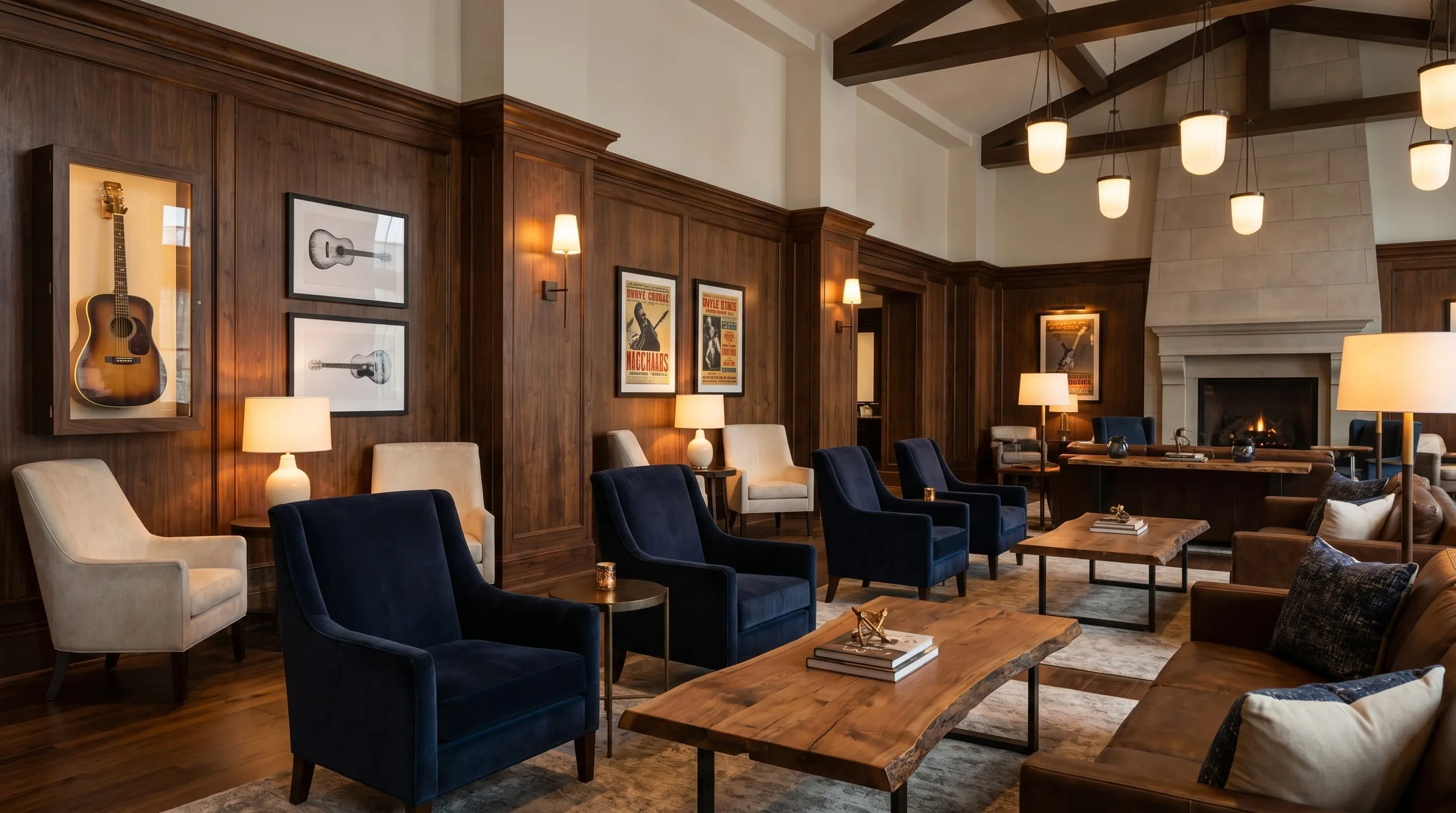
Nashville added more than 200 new food and beverage concepts in a single recent year. That number alone tells you something about the pressure you're up against as an operator here. You're not just competing on menu, playlist, and craft cocktail list. You're competing on how the room looks and how long your chairs hold up through three turns on a Friday night on Broadway. Sourcing the right restaurant furniture for Nashville means understanding that this market punishes cheap decisions fast, and it does not wait long to do it.
Contract-Grade Is Not Optional Here
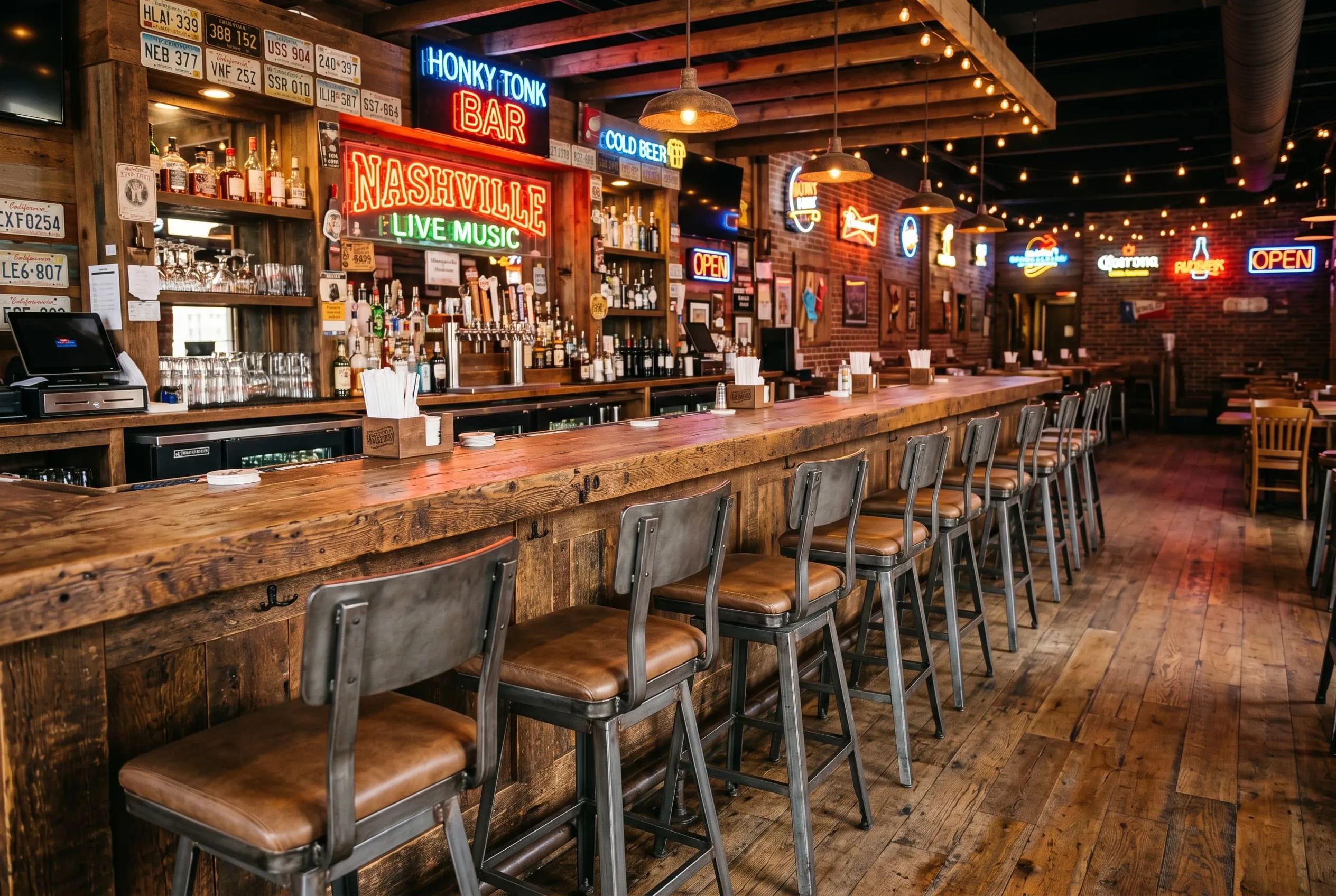
If you're opening on Lower Broadway, in the Gulch, or anywhere near the bachelorette circuit, your furniture is working harder than it would in almost any other US city. Nashville sees some of the highest foot traffic per seat in American hospitality. A barstool that might last four years in a suburban bistro will show wear in eighteen months on a honky tonk row.
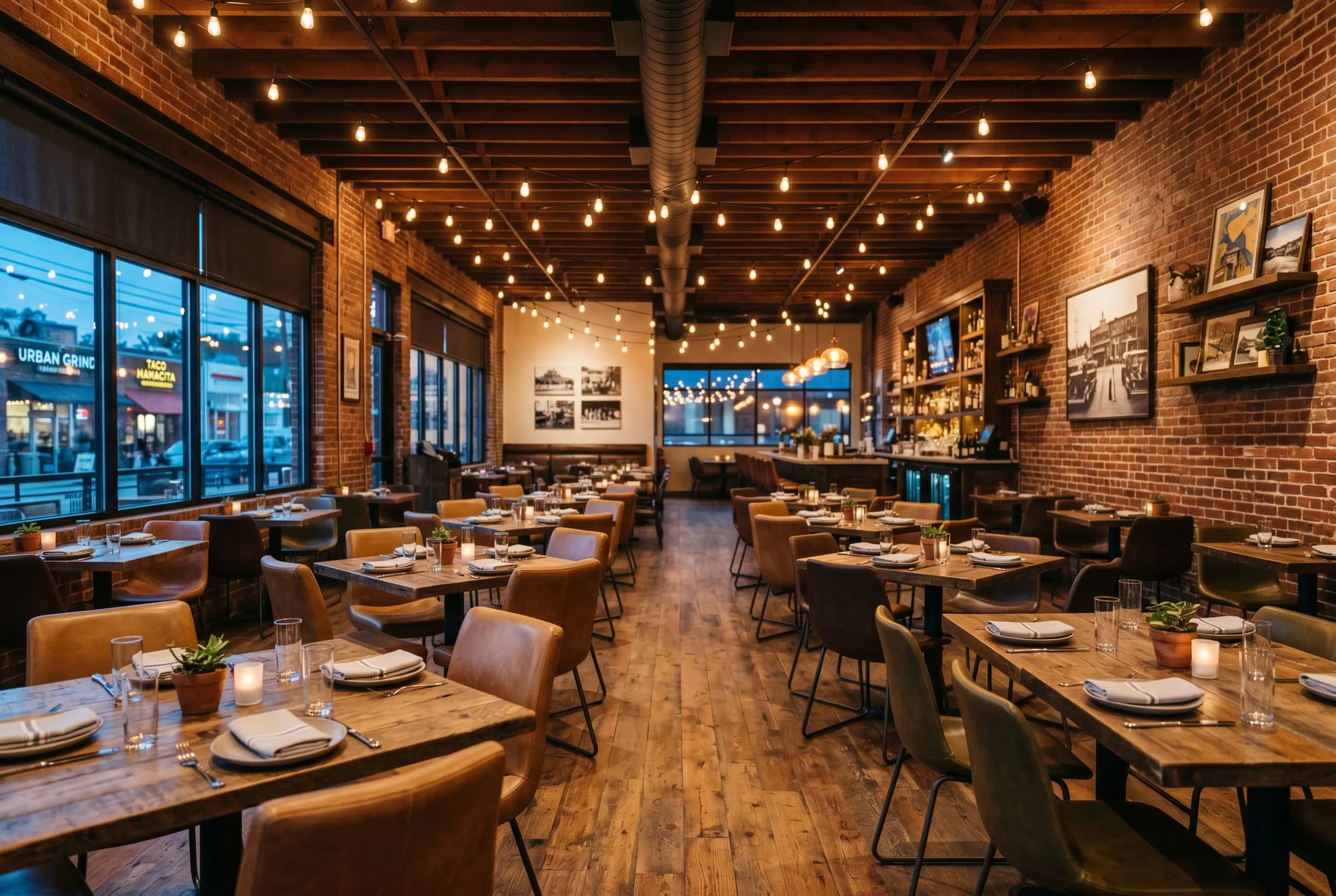
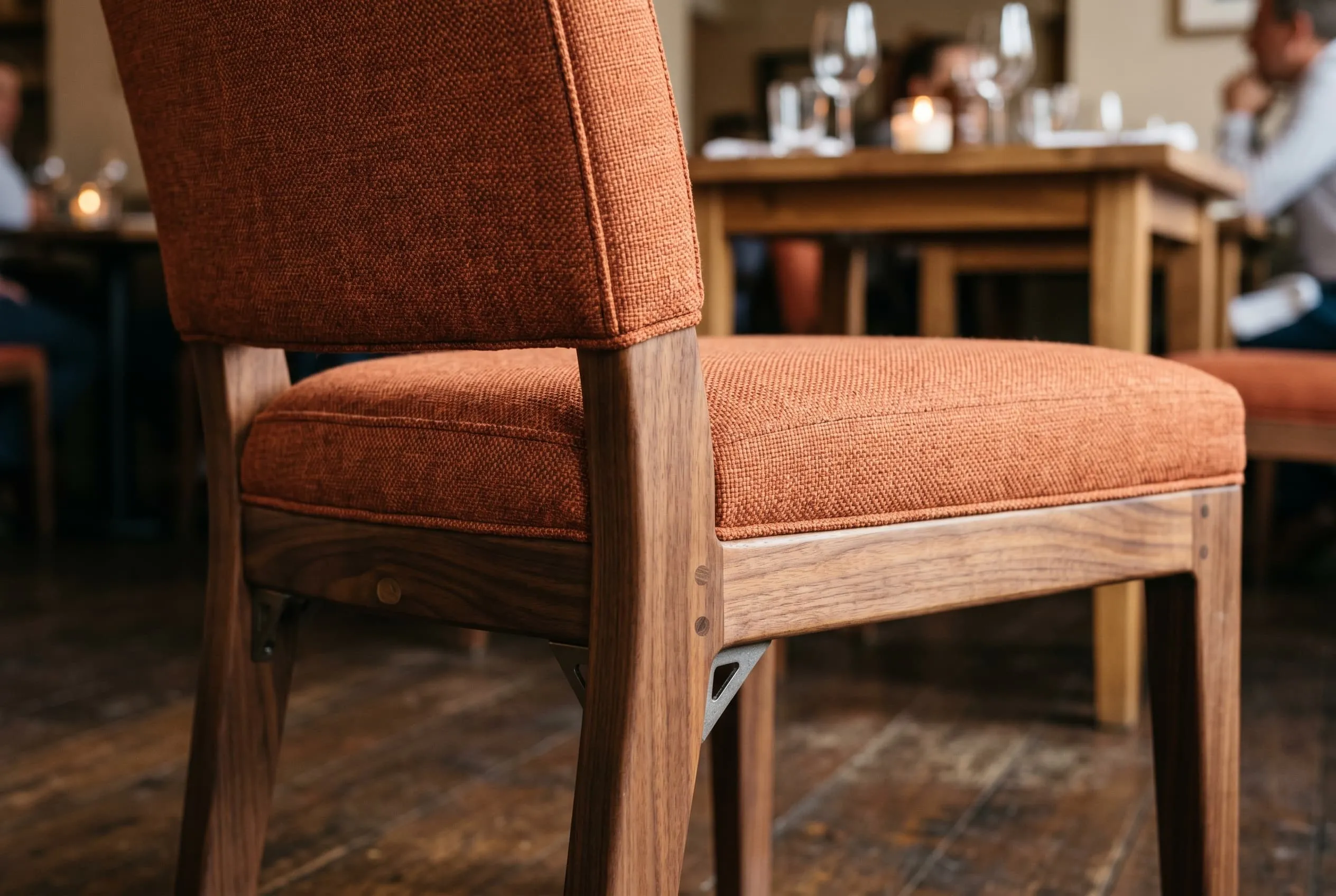
Contract-grade furniture is built to meet ANSI/BIFMA or equivalent commercial standards. That means stress-tested joints, commercial-weight glides, and upholstery rated for 50,000 double rubs or more. When you're sourcing restaurant furniture that Nashville venues actually trust, that certification is your baseline filter, not a nice-to-have. If a supplier can't tell you the double-rub rating on their upholstered seating, walk away.
The volume of hotel construction happening right now, from downtown high-rises to boutique properties in East Nashville, means contract furniture suppliers are actively competing for your business. Use that leverage. Ask for lead-time guarantees and warranty terms in writing before you commit to any order.
Durability and Upholstery for a High-Abuse Market
Nashville's rooftop bar scene and its farm-to-table dining rooms have very different furniture profiles, but they share one requirement: upholstery that can take a beating without looking like it.
For high-traffic seating on Broadway or in any venue pulling bachelorette groups, you want performance vinyl or commercial-grade polyurethane fabric. These materials handle spills, bleach cleaning protocols, and the friction of 200 guests per night without flinching. They're rated by double-rub count, and for Nashville volume you should not go below 100,000 double rubs on any upholstered seat. That's the honest minimum.
For the more refined farm-to-table concepts in 12South or Germantown, you have more latitude to work with woven performance textiles that photograph well and age gracefully. The key word is still "performance." Residential fabric in a commercial dining room is a liability, not a cost saving. It voids most supplier warranties and will show pilling and staining within a season. Your accountant will not be happy, and neither will you.
Foam density matters as much as the surface fabric. A seat cushion rated at 1.8 lb density or higher will hold its shape through years of daily use. Anything below that compresses fast and communicates cheapness to every guest who sits down. Guests notice that, even when they can't name what's wrong.
Tables and Bases: Matching the Nashville Aesthetic
Nashville's dominant restaurant aesthetic right now runs toward reclaimed wood, raw steel, warm leather, and exposed brick. Think the industrial-chic venues in the Gulch or the converted warehouse concepts along Dickerson Pike. Your table program needs to match that look while meeting commercial durability standards, and finding both in the same piece is very doable if you know what to ask for.
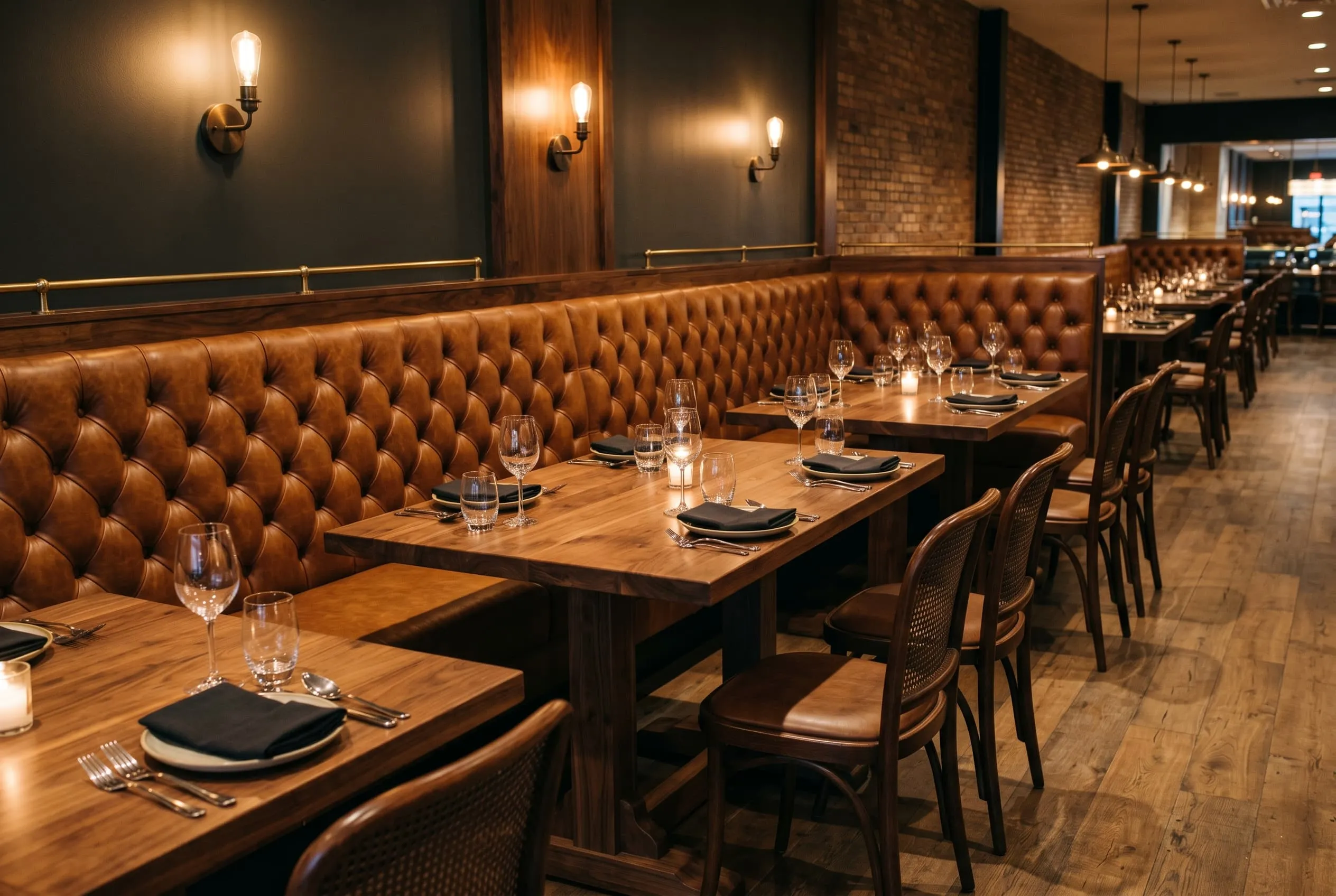
Solid wood tabletops with a commercial lacquer or resin coat will survive the environment. Raw or lightly oiled wood is a liability in a wet bar setting. For high-turnover spots, laminate tops with a realistic wood or stone finish are worth serious consideration. They clean faster, chip less, and cost significantly less to replace when they do wear out. Plenty of operators use them in their highest-volume sections and nobody knows the difference.
Table bases are where operators often underspend, and it shows. A cast-iron or heavy-gauge steel base is the correct choice for any standing-height or bar-height application. Lightweight aluminum bases will walk, wobble, and frustrate your servers and your guests every single night. For Nashville's outdoor rooftop and patio settings, powder-coated steel or aluminum with UV-stable finish is non-negotiable. The sun and humidity here are not forgiving.
Match your table sizing to your service model. Broadway entertainment venues often benefit from smaller two-tops that can be combined quickly for groups. Fine dining rooms in Midtown need the clearance and proportion that a full 36-inch round provides. Think through your floor plan before you order, because changing your mind after delivery is expensive.
Finding the Right Supplier Relationship
One-off furniture purchases from retail or liquidation sources create long-term headaches. When a chair breaks or a barstool needs replacement six months after opening, you need a supplier who carries your SKU, ships fast, and can match the finish. That's not something you can guarantee from a liquidation lot.
For restaurant furniture in Nashville, look for suppliers who stock hospitality-specific lines, not office or residential crossover products. The best supplier relationships are with reps who understand commercial warranty terms, lead times for custom upholstery, and the reality of phased openings. Nashville's construction timelines are aggressive right now, and a supplier who can deliver in stages, holding inventory for you, is worth paying a slight premium for. That flexibility has real value when your GC pushes your opening back three weeks.
Ask your supplier whether they have local showroom access or regional reps covering the Tennessee market. Sitting in the chair and testing the table wobble before you order 80 units is still the most reliable quality check available. No spec sheet replaces that.
Getting Your Furniture Program Right From the Start
Nashville's hospitality market rewards operators who think like operators, not decorators. The right restaurant furniture for Nashville buyers to specify is durable, warrantied, aesthetically on-brand for the neighborhood, and backed by a supplier relationship that can support your growth. Get those decisions right at the build-out stage and you will not be replacing 60 chairs two years into your lease.

If you're still building out your understanding of how commercial furniture works before you start calling suppliers, the resources below are a good place to start.
We quote restaurant furniture for Nashville operators against their own layouts and order sizes rather than a generic sheet. Request a quote and we will put together pricing for your property.