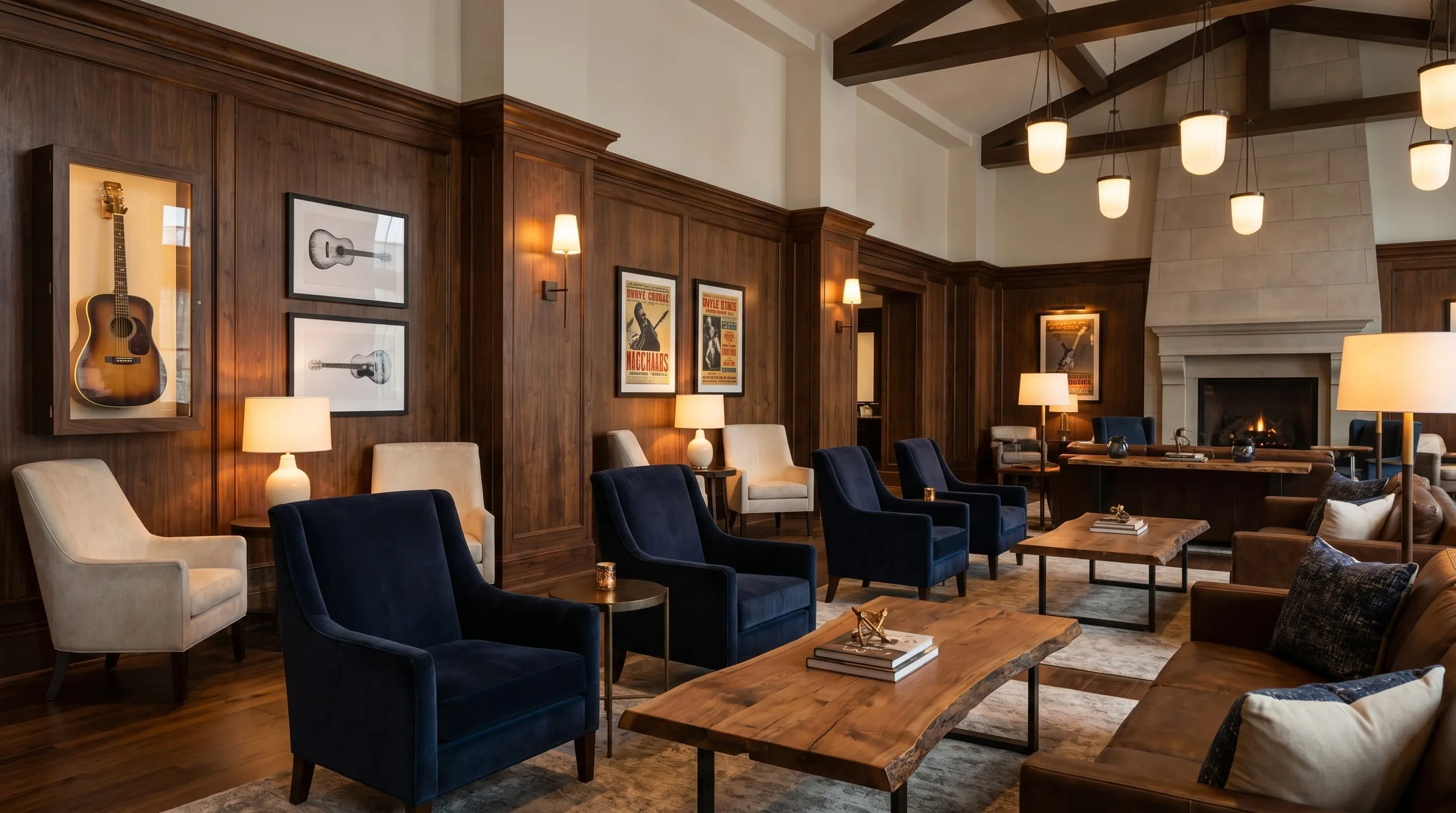
Nashville added more hotel rooms per capita than any other US city over the last decade, and the pace still hasn't let up. From Lower Broadway's honky tonk strip to the rooftop bars popping up across The Gulch, new boutique properties are landing in neighborhoods that barely existed five years ago. That's great for the industry, but it also means the hotel two blocks from yours is chasing the exact same bachelorette groups, the same music tourists, the same farm-to-table crowd. The furniture inside your rooms is one of the few things you actually get to control. So if you're sourcing boutique hotel furniture in Nashville for a new build or a renovation, let me walk you through what the process actually looks like.
Why Boutique Properties Have Different Furniture Needs
Big hotel brands order furniture by the thousands. They have dedicated procurement teams, vendor relationships built over decades, and the kind of buying leverage that comes with massive volume. You probably don't have any of that, and that's okay. A boutique property in East Nashville or 12 South might need 40 guest rooms furnished, plus a lobby, a bar area, and a rooftop lounge. That's a real project with real money behind it, but it's not enough volume to get priority treatment from suppliers who live and die by Marriott orders.
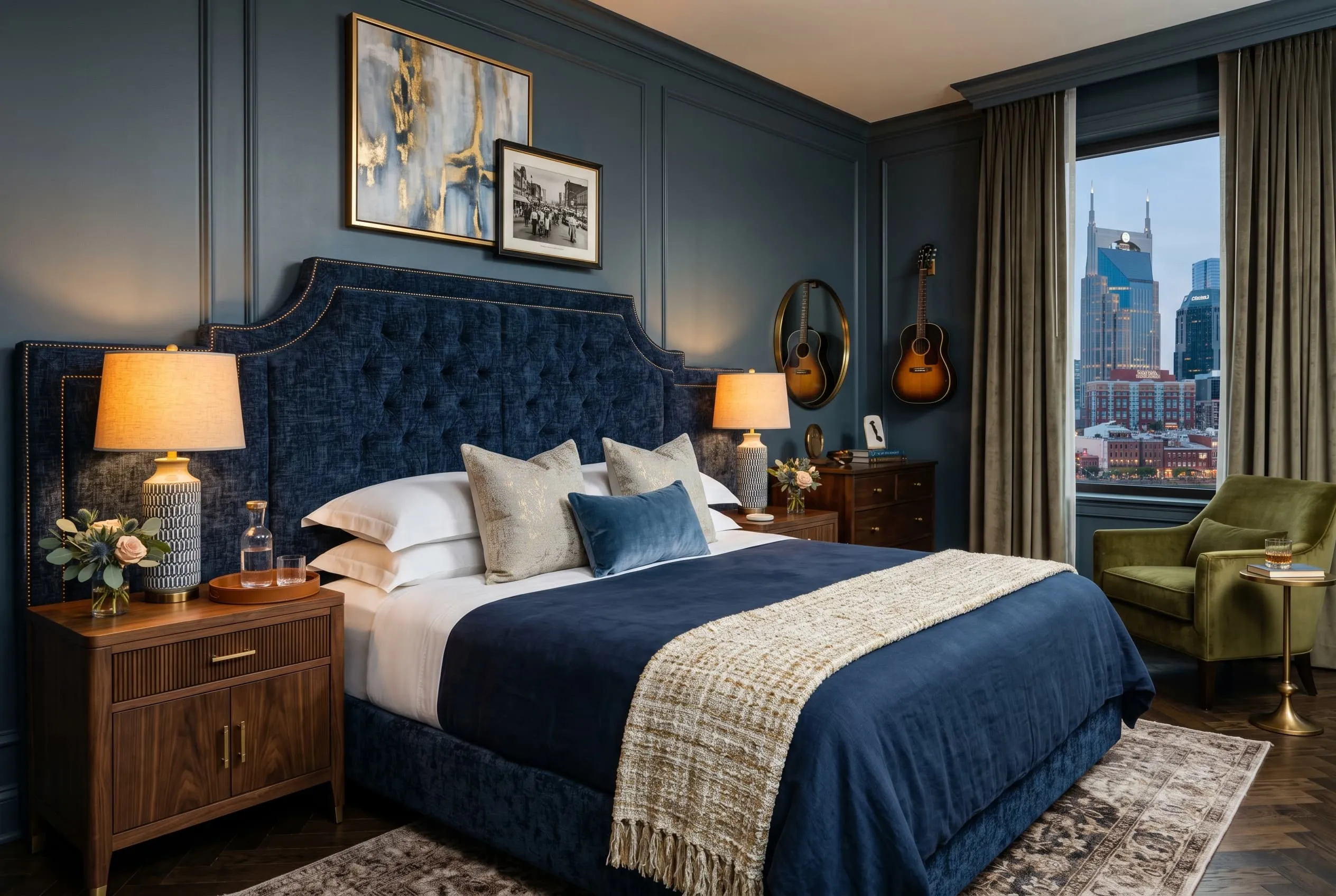
That's the core tension with boutique hotel furniture sourcing in Nashville. You need contract-grade durability, commercial warranties, and pieces that actually meet fire code, but you also need a supplier who will work with smaller quantities, offer customization, and price things for a boutique budget rather than a 300-room high-rise. That combination exists, but finding it takes more legwork than most first-time boutique owners expect.
Design Cohesion Across Every Space
The boutique properties in Nashville that really land have one thing in common: they feel intentional from the parking lot to the pillow. The lobby reads like a continuation of the guest room, which ties visually to the bar or breakfast area. Guests pick up on it when something feels off, even when they can't explain why. Usually what they're sensing is furniture that wasn't planned as a system.
Before you look at individual pieces, get your design concept locked in. Is your property leaning into Music City heritage with vintage silhouettes and warm leather? Or are you going for a modern counterpoint to the Broadway neon, with clean lines and muted tones? Once you have that anchor, every purchasing decision runs through it. That headboard, that lobby chair, that bar stool all need to be speaking the same design language.
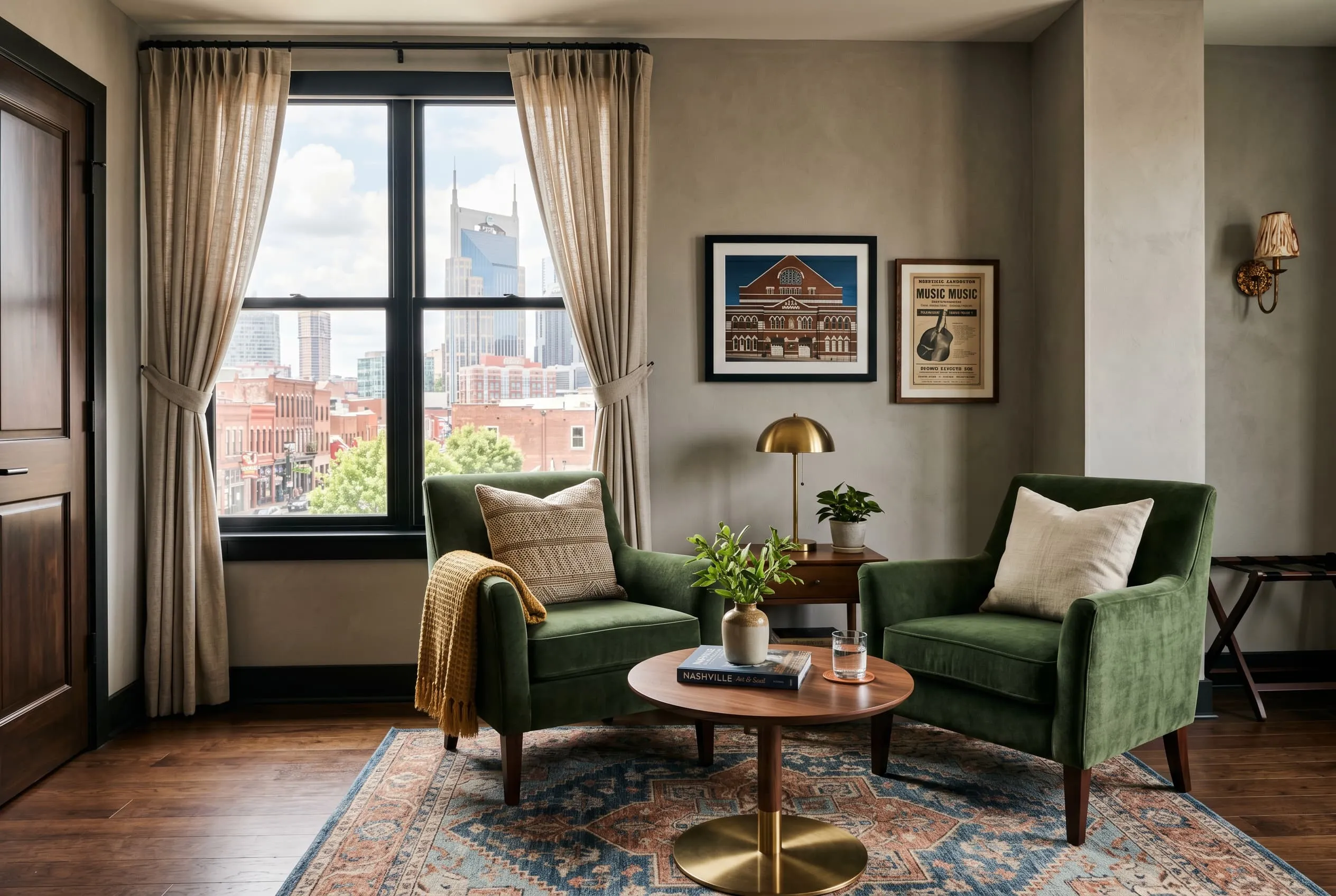
For key pieces, custom upholstery is worth every extra dollar. Headboards, lounge seating, lobby chairs, those are the pieces guests photograph and post. Getting those right in a fabric or finish that's specific to your property gives you something the hotel two blocks over simply can't copy.
Contract Grade vs. Retail: What Actually Matters
You can walk into a home furniture showroom and find gorgeous pieces. You cannot furnish a boutique hotel with them. The durability gap between residential and contract grade is real, and it adds up fast. A guest room chair in a boutique hotel gets sat in by hundreds of different people over the course of a year. The joinery, the frame, the fabric backing, the foam density, all of it needs to be built for that level of use.
Contract-grade furniture is tested to commercial standards, which means weight ratings, cycle testing on moving parts, and flame retardancy that meets hospitality codes. When you're buying for a Nashville property, ask for documentation on fire ratings and warranty terms upfront. Any reputable supplier will have that ready to hand you. If someone hesitates or gets vague on the technical specs, take that as your cue to keep looking.
The other thing contract grade gets you is reorder capability and replaceable parts. If a chair leg gets damaged or a cushion wears through in year two, you need to source a match. Residential lines get discontinued constantly. Commercial hospitality lines are built around the reality that properties need to maintain consistency for years, not months.
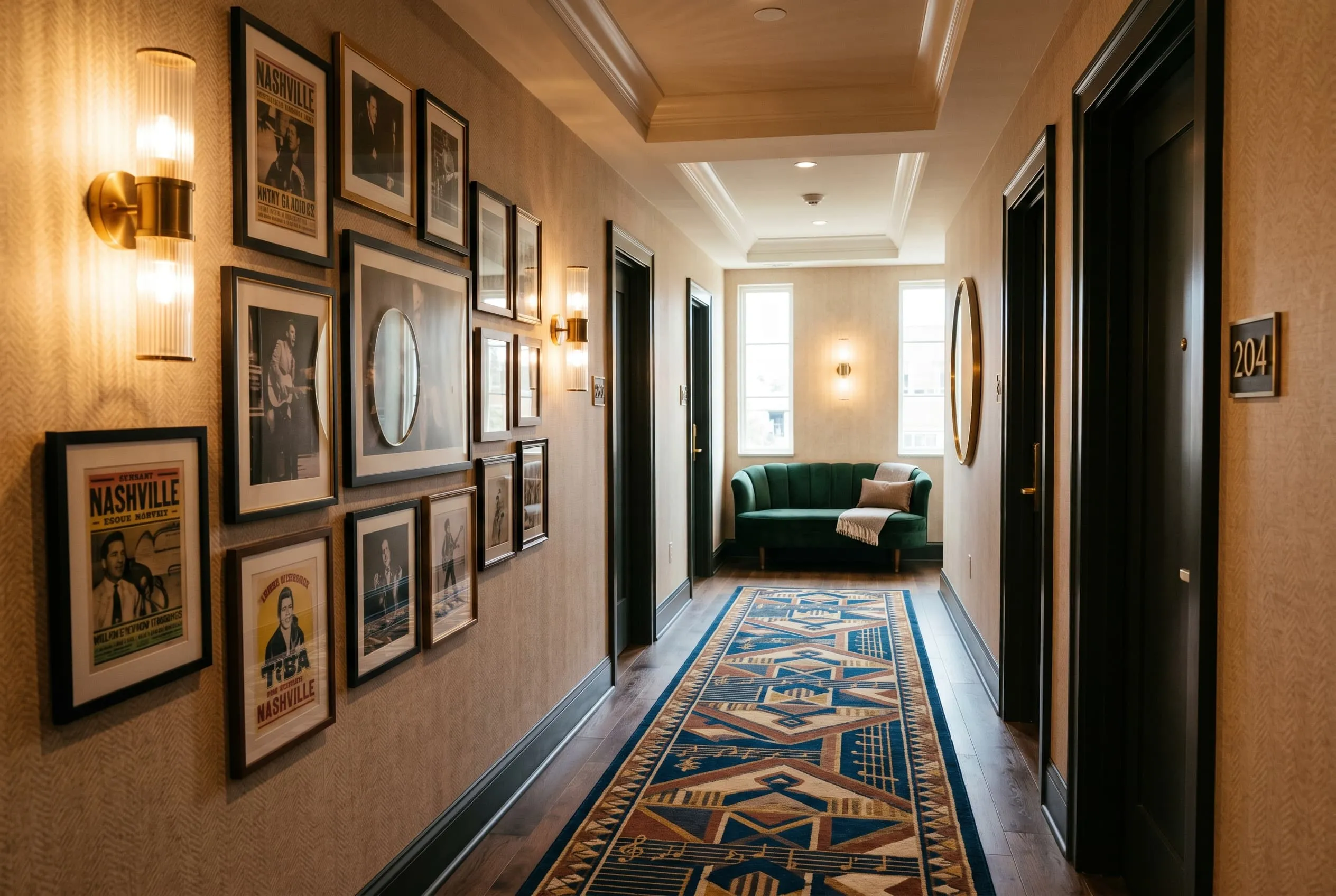
Mixing Pieces Without Losing Coherence
Not everything in your rooms needs to come from the same supplier or the same collection. Mixing furniture from different sources is actually how boutique properties avoid looking like a catalog page. The key is knowing which elements carry the design story and which can flex.
In a typical Nashville boutique guest room, the bed and headboard are your anchor. Get those right and you have real flexibility on side tables, desk chairs, and accent pieces. The lobby works the same way: your primary seating grouping sets the tone, and you can pull in secondary pieces from other sources as long as the materials and scale stay consistent.
If you're mixing pieces, build a physical or digital mood board before you order anything. Pin the actual items you're considering, not just inspiration images, and look at them together for scale, finish, and visual weight. It sounds basic but this is the step that prevents the "something feels off" moment when the delivery truck shows up.
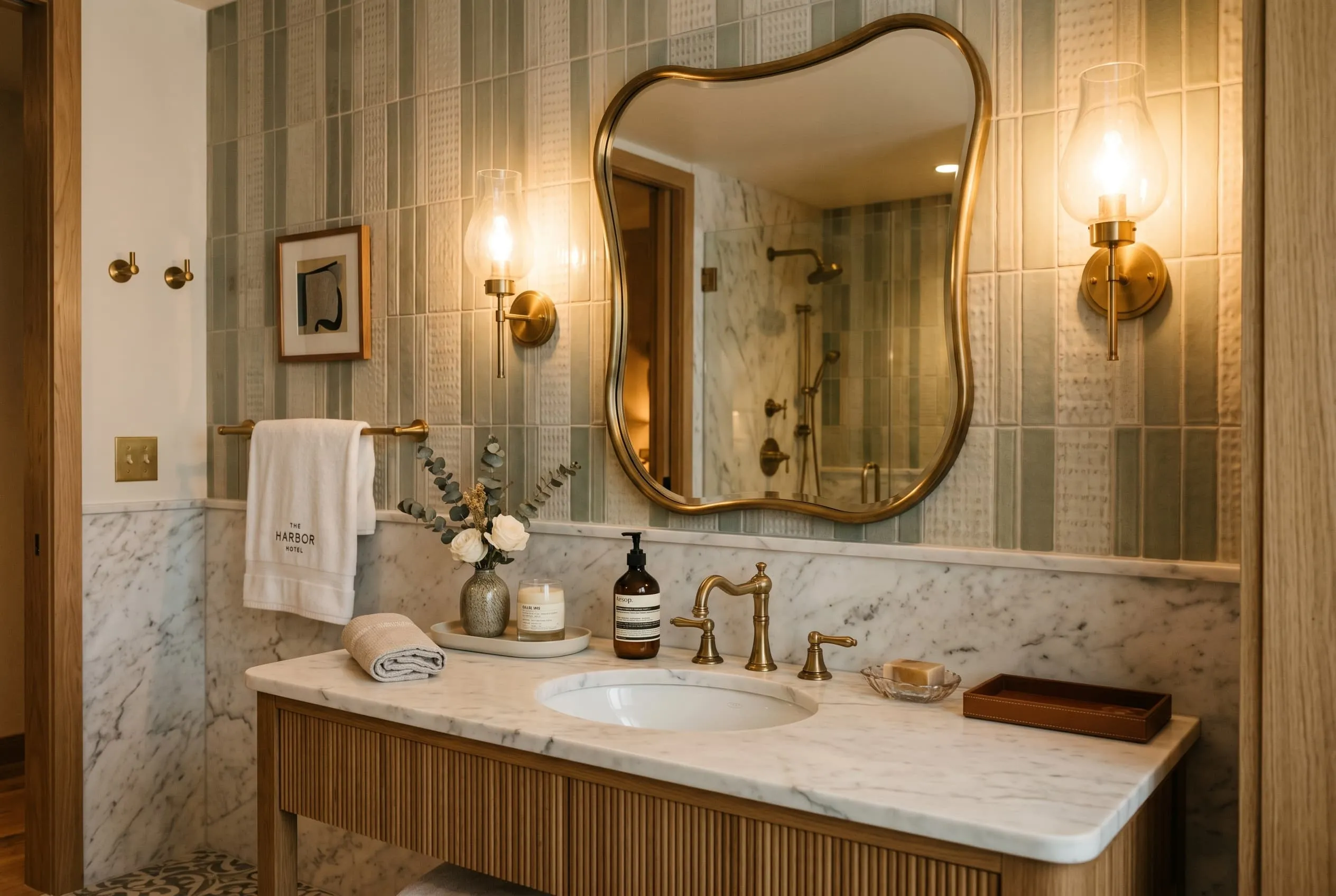
When you're ready to start sourcing, find a supplier who genuinely understands boutique hotel furniture in Nashville, one who's comfortable with limited quantities, custom options, and real commercial specs. That combination is what separates a smooth project from a stressful one.
Tell us about your Nashville boutique hotel furniture needs and we will turn your quantities, finishes, and timeline into a firm quote. Request a quote whenever you are ready to compare.