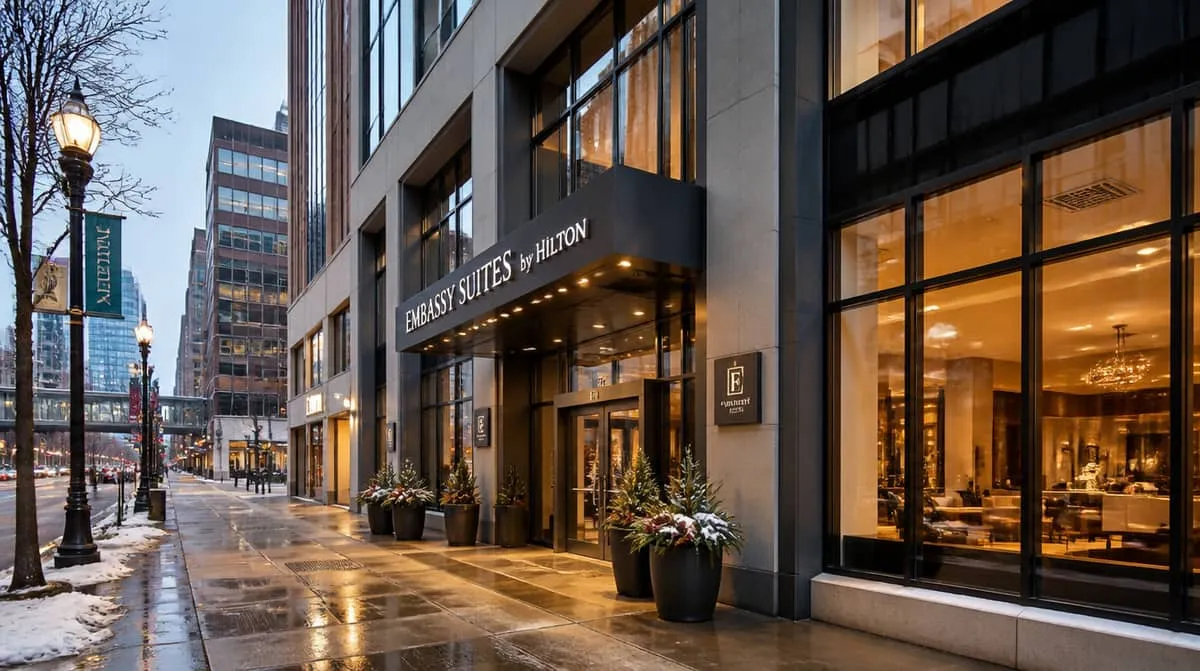
Minneapolis has a restaurant scene that earns serious attention North Loop warehouse-to-dining conversions, the breweries and neighborhood spots of Northeast Minneapolis, the ethnic dining density along Eat Street on Nicollet Avenue, Uptown's bar-heavy corridor and the furniture running through all of it has to match both the design ambitions of operators who know exactly what they want and the operational reality of a market that punishes under-specified equipment. Winters are not incidental here. When guests are coming in from a January evening in Minnesota, the furniture they settle into needs to deliver warmth physically and atmospherically. Cold, hard seating in a restaurant that just watched a guest walk through a blast of sub-zero air is a design failure with measurable consequences for table turn, reviews, and repeat visits.
Design and Durability Priorities for Minneapolis Restaurants
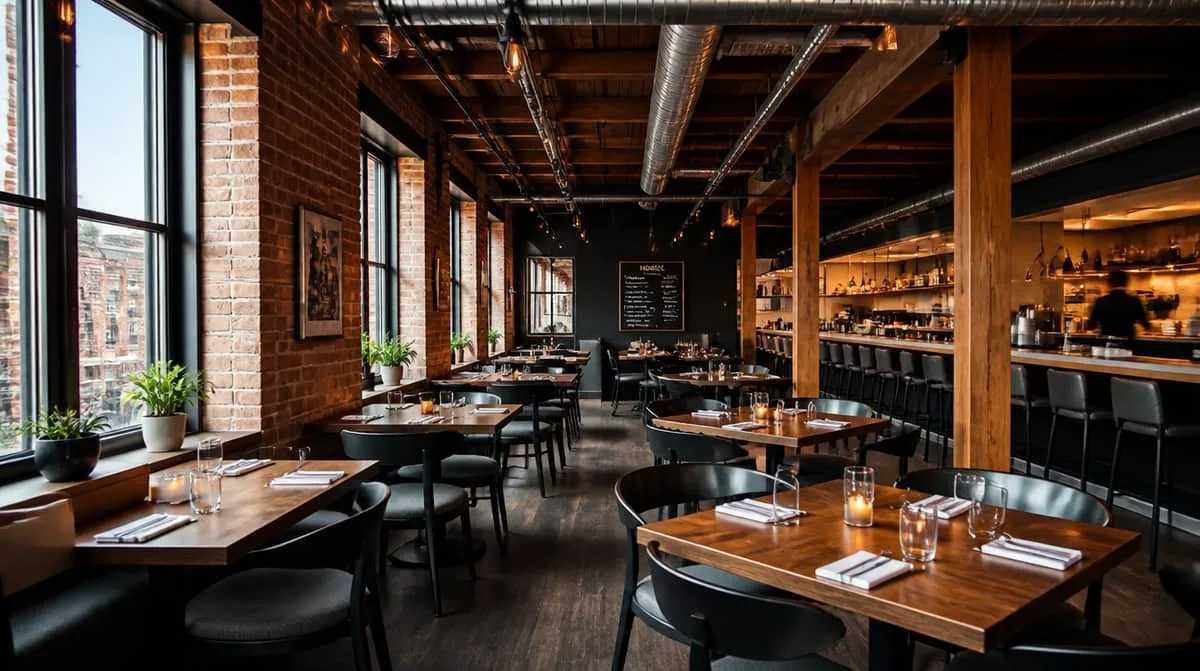
The North Loop is the clearest case study for what works in Minneapolis commercial dining. Converted warehouse spaces exposed brick, timber frames, high ceilings demand furniture that anchors the warmth rather than competing with the raw architecture. Ash and birch wood frames in natural or light-stained finishes, upholstered seats in grey-blue wool textures or durable performance fabric, clean panel backs rather than ornate detailing. Dining chairs that read Scandinavian-modern hold up visually in these spaces and satisfy the design sensibility that runs through the Twin Cities hospitality market broadly.
Northeast Minneapolis plays differently breweries and casual dining rooms lean into industrial warmth, which means the same design DNA but with more latitude for darker wood tones and metal frame combinations. The key constraint across all these sub-markets is durability against high commercial use cycles. A restaurant in the North Loop running a full dinner service six nights a week with a weekend brunch puts chairs through abuse that separates commercial-grade construction from residential imposters in twelve to eighteen months.
Frame joinery is the spec detail that matters most. Mortise-and-tenon joints with corner blocks outperform dowel-only construction under heavy rocking and shifting loads. Upholstery should be rated for 50,000 double rubs minimum COM fabric brought in by operators who prioritize aesthetics over spec often fails at the seat seam within a year of heavy service.
Corporate lunch demand along Nicollet Mall and the IDS district adds another layer. Hotel restaurants and standalone dining rooms near Target and General Mills headquarters see sustained corporate table use at midday professionals on working lunches, post-meeting gatherings. Chairs that look sharp under hotel dining lighting and survive a five-day-a-week corporate lunch crowd require the same commercial construction spec regardless of price point.
Seating Configurations and Booth Planning
Booth seating is a meaningful feature in Minneapolis restaurants precisely because of winter. A booth creates enclosure and warmth that open-floor seating cannot replicate for guests who just navigated a Minnesota winter commute to reach your restaurant, that enclosure reads as hospitality before the menu arrives. Booth frames in wood or upholstered panels with commercial-grade foam density (minimum 1.8 lb density for seat cushions) hold their shape through years of service without developing the compressed, flat look that signals deferred maintenance to guests.
Barstools for bar-adjacent and counter seating need adjustable footrests and seat heights that match your specific counter dimension not a close match, the exact height. A one-inch mismatch between stool height and counter edge creates ergonomic discomfort that guests register immediately. Specify seat heights at time of order, not as an afterthought.
Eat Street's ethnic dining corridor runs high volume on modest footprints. Space efficiency matters chairs that stack for deep cleaning cycles, tables that seat four but push together to six, booths that maximize linear foot of seating per square foot of floor. Dining chairs with a tight profile and four-leg base rather than a sled base give operators more configuration flexibility in tight floor plans.
Procurement Planning for Minneapolis Restaurant Projects
Minneapolis restaurant operators sourcing commercial furniture should work through a contract supplier, not a retail channel. The warranty coverage differs commercial grade typically covers structural defects for five to ten years where retail warranty is twelve to eighteen months. The lead time transparency also differs: contract suppliers build realistic production and shipping timelines into their quotes, where retail or catalog sourcing often surfaces delays after an order is placed.
Order minimums and MOQ thresholds matter for smaller operators. A forty-seat neighborhood restaurant in Northeast Minneapolis does not have the same purchasing volume as a hotel dining room near the Convention Center. Work with a supplier that handles both one who can quote a boutique restaurant order without requiring you to meet hotel-scale minimums.
Budget for replacement inventory at time of initial order. A restaurant with forty chairs should budget for five to eight spares stored on-site. Chairs fail in service. A spare inventory prevents a guest-facing furniture shortage during a Friday dinner rush. Factor this into your initial order rather than treating it as optional.
Planning restaurant furniture for your Minneapolis project? Share your specs and quantities and we will build pricing around your actual program. Request a quote to get numbers for your space.