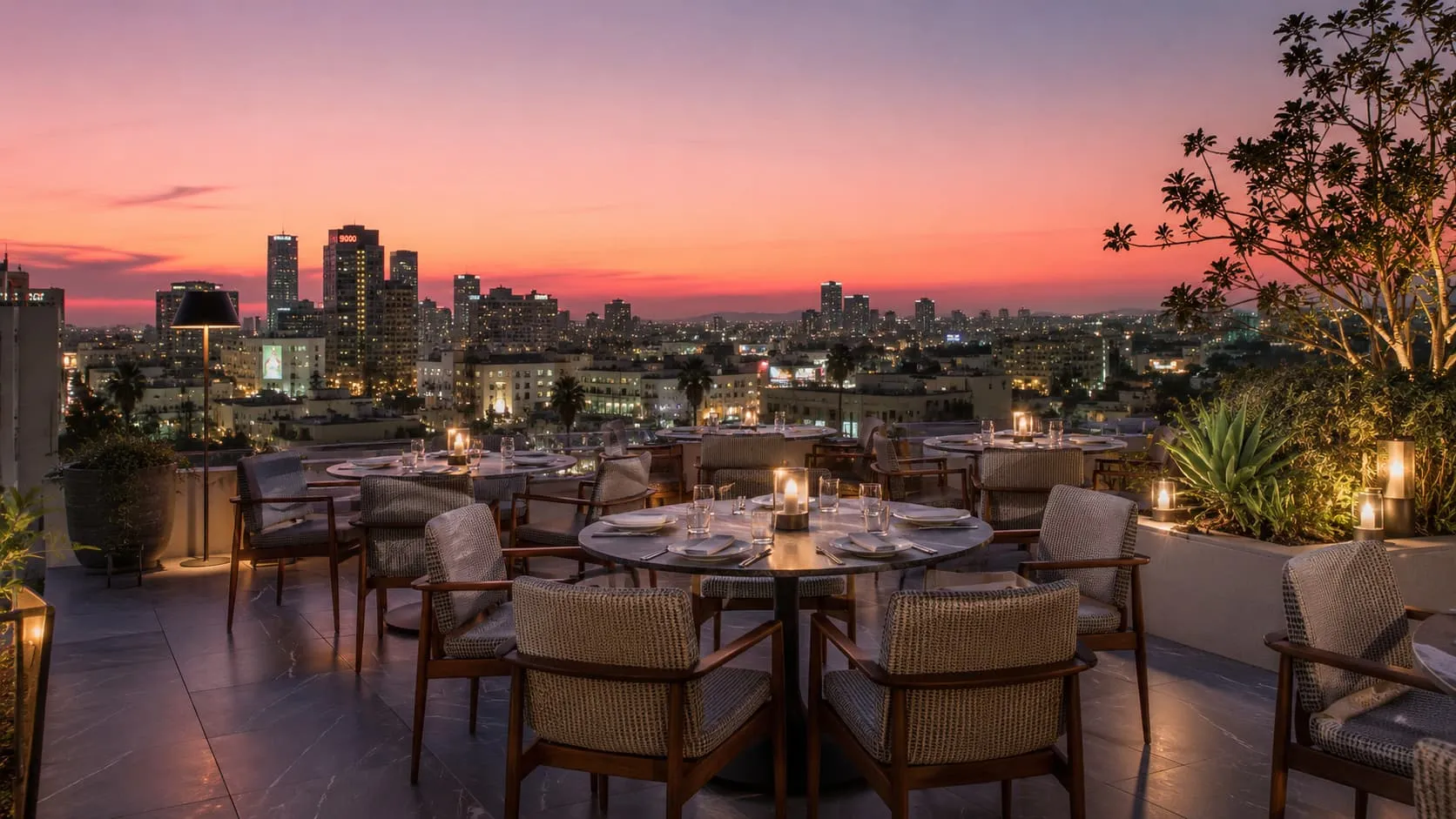
Here is what separates Los Angeles from almost every other restaurant market in the country: the outdoor dining season never ends. A Silver Lake patio that seats 40 in February is still seating 40 in November. A rooftop bar off the Sunset Strip in West Hollywood runs full capacity through December. That year-round pressure, combined with LA's culture of high-profile openings and aesthetically demanding guests, means your furniture choices carry more operational weight here than in most cities. Operators who cut corners with residential-grade pieces find out fast sun bleaches the upholstery, constant use cracks the joints, and a clientele that notices everything notices that too. If you are opening or renovating in this market, let me walk you through what sourcing contract-grade restaurant furniture Los Angeles professionals actually rely on looks like in practice.
What Contract Grade Actually Means in a Commercial Setting
Contract furniture is built to a commercial specification that residential pieces simply never meet. In Los Angeles, that gap matters more than almost anywhere else. You are not running a seasonal operation. You could be seating guests on a covered patio in January, hosting a private buyout for a film industry wrap party in March, and pushing 300 covers on a Saturday night in July when the Arts District is packed.
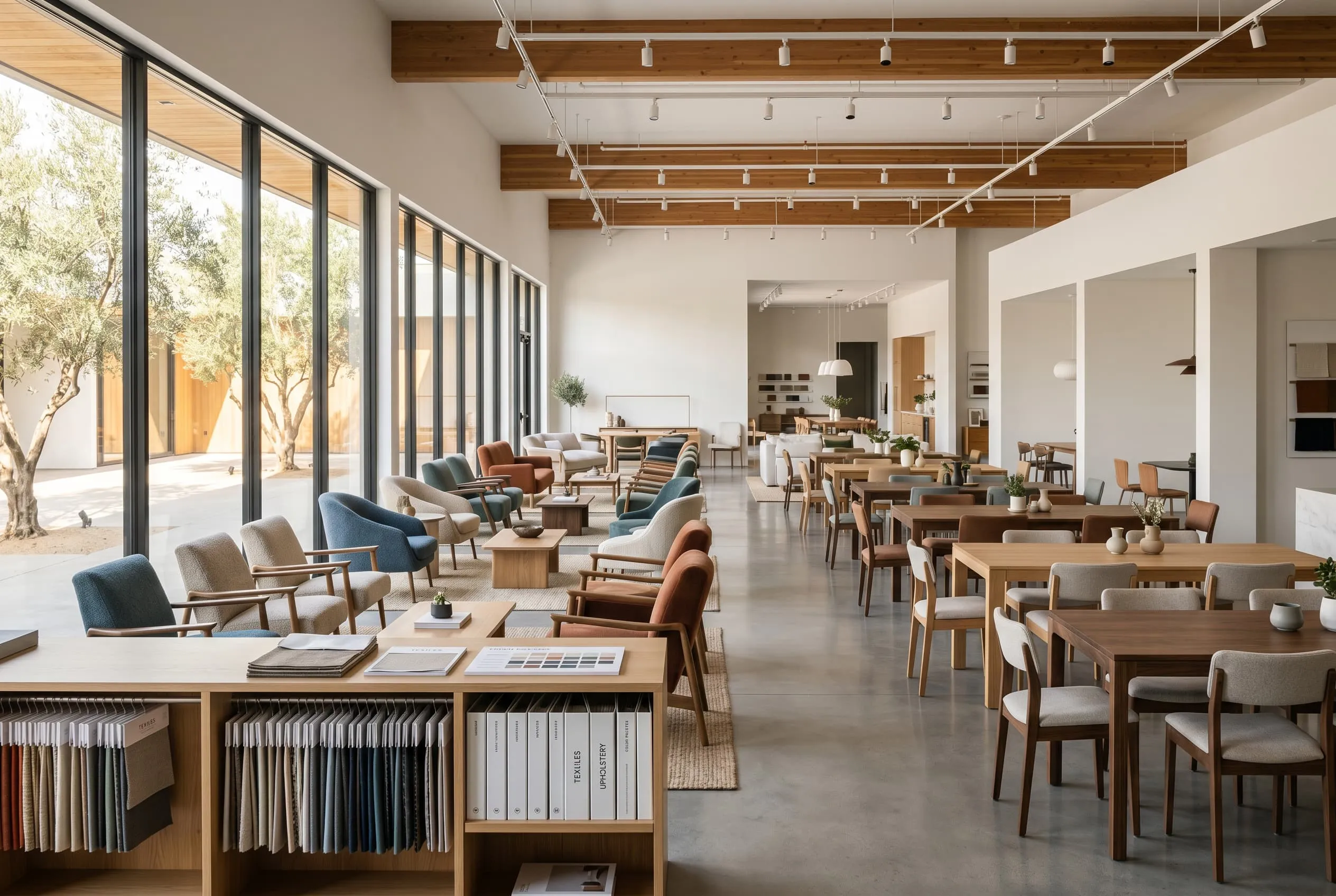
Cycle testing is the metric that separates contract from retail. Contract chairs and barstools are rated at 250,000 to 500,000 vertical drops depending on the certification standard. Frame construction on contract pieces uses heavier gauge steel or solid hardwood with corner blocking and mechanical fasteners not glue alone. Upholstery specifications run to commercial-grade fabric rated at 50,000 double rubs or higher. When you are comparing restaurant furniture Los Angeles pricing across suppliers, the cost difference between contract and retail grade traces directly back to these structural choices. A chair that costs 30 percent more upfront routinely lasts four to six times longer in a real service environment. That math is not close.
Upholstery and Materials for the Los Angeles Climate
Southern California's dining culture creates material requirements that cold-weather markets never have to think about. UV exposure here is relentless, humidity is low, and spills happen at the same volume as any high-turnover restaurant. For outdoor or semi-covered patio seating which describes most Venice Beach, Culver City, and Echo Park concepts solution-dyed acrylic fabrics and marine-grade vinyl are the professional standard. Both resist fading under direct sun and clean up without degrading over repeated service cycles.
For interior dining rooms, COM (customer's own material) programs give designers the flexibility to match a precise aesthetic direction. Boutique hotels in Silver Lake and the Arts District regularly work with local fabric vendors to specify bespoke upholstery that ties into a broader interior concept it is that kind of market. If you are working with a designer on a project like this, confirm early that your furniture supplier accepts COM before you commit to a fabric order. Most contract manufacturers do, but COM pieces carry longer lead times than stock upholstery options, and that gap can shift your opening timeline if you do not account for it.
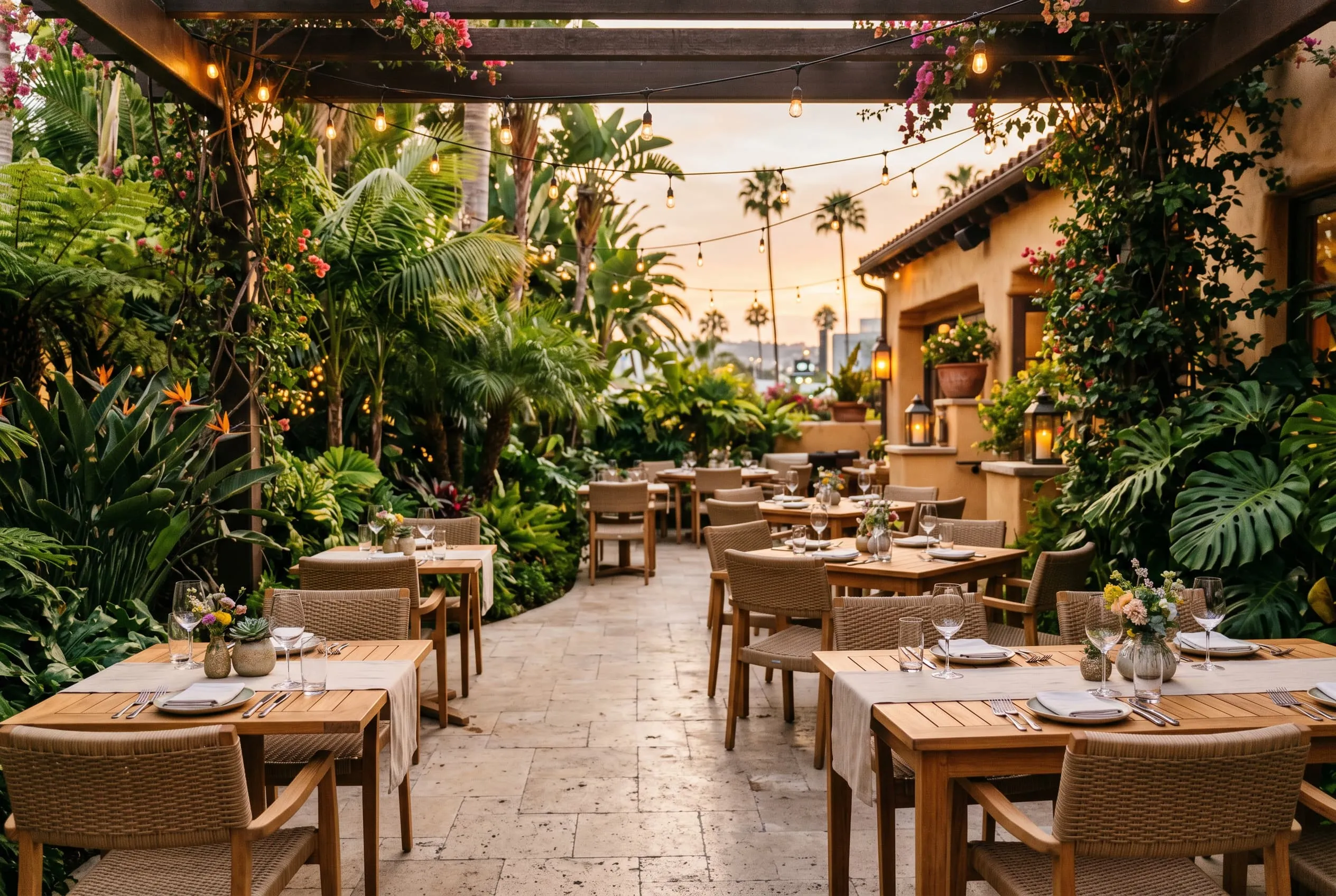
On tabletops, durability and visual weight both matter to LA operators. Sintered stone, solid wood with a hardwax finish, and compact laminate are all common in current builds. Standard laminate on outdoor tables is a mistake regardless of budget pressure. The temperature swings and UV exposure will delaminate edges within a season, and you will be replacing them sooner than you planned.
Sourcing and Supplier Relationships in the LA Market
Los Angeles has a developed contract furniture ecosystem. The Downtown Design District and the Pacific Design Center in West Hollywood are the two primary hubs where you can review samples and finishes in person, shorten freight lead times, and build ongoing relationships for warranty and replacement orders. That local presence matters. Stocked items can move from six to ten weeks lead time down closer to four which can be the difference between opening on schedule and postponing.
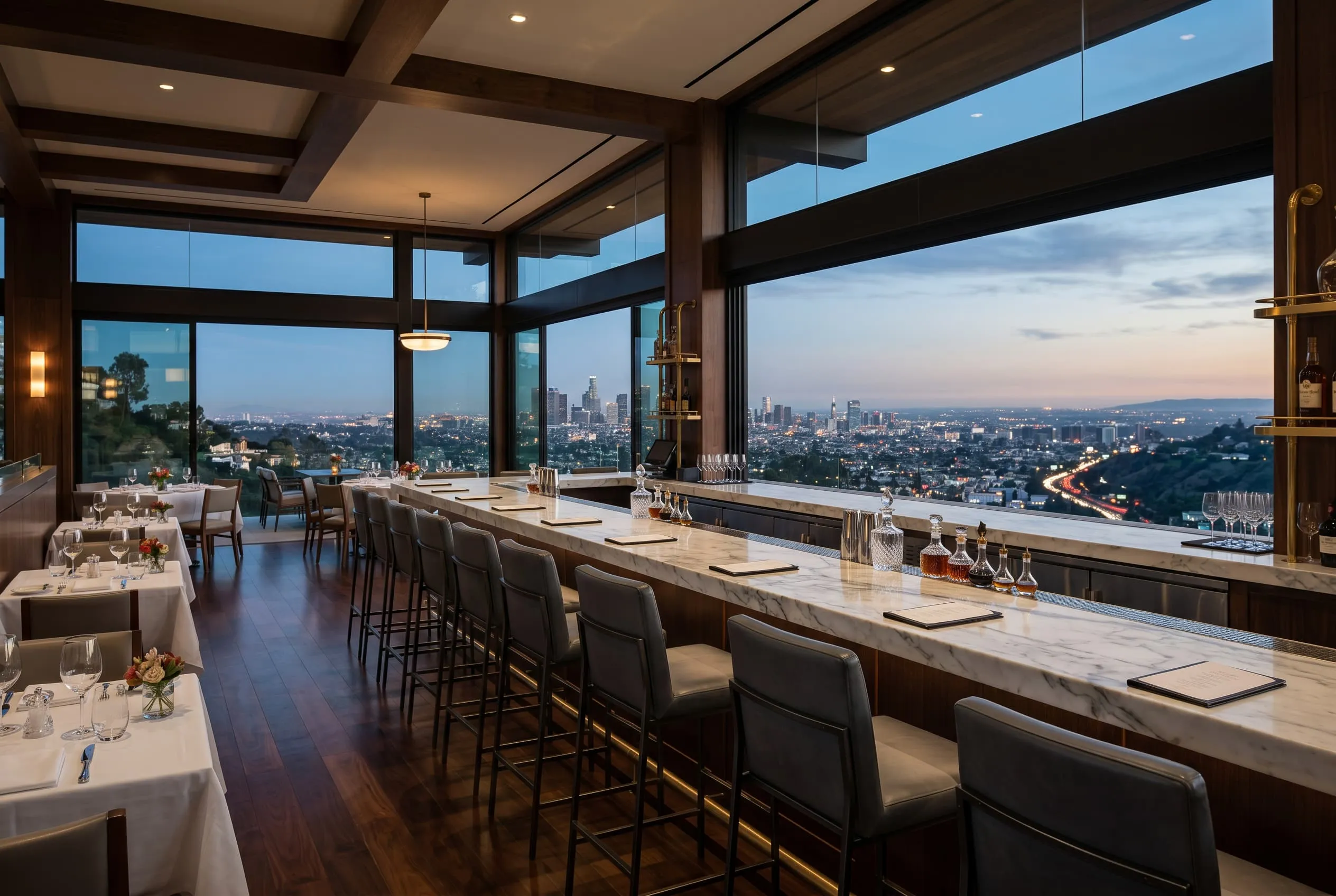
For restaurant furniture Los Angeles projects tied to hotel F&B, purchasing through a hospitality furniture dealer rather than a retail chain is standard practice. Properties in Beverly Hills and along the Sunset Strip typically specify furniture through FF&E coordinators who work directly with manufacturers. If you are an independent operator rather than a hotel concept, you can still access contract pricing through a dealer account rather than buying retail. Minimum order quantities vary, but most dealers will work with operators sourcing as few as 20 to 30 pieces.
Lead time transparency: get any supplier's delivery estimate in writing before you sign a purchase order. Global supply chain conditions affect contract furniture production, and a 16-week lead time can derail an opening date that was planned around an eight-week estimate. This is not a rare scenario it is a common one.
What Rooftop and High-Volume Venues Require Specifically
Rooftop bars and hotel pool decks represent some of the most demanding furniture environments in the Los Angeles hospitality market. Think the kind of venues that fill Instagram feeds on a Friday night a Koreatown rooftop, a West Hollywood hotel deck, a downtown bar with views of the skyline. Wind load, constant sun, and staff repositioning furniture across hard surfaces dozens of times per shift create wear patterns that standard restaurant seating is not built to handle.
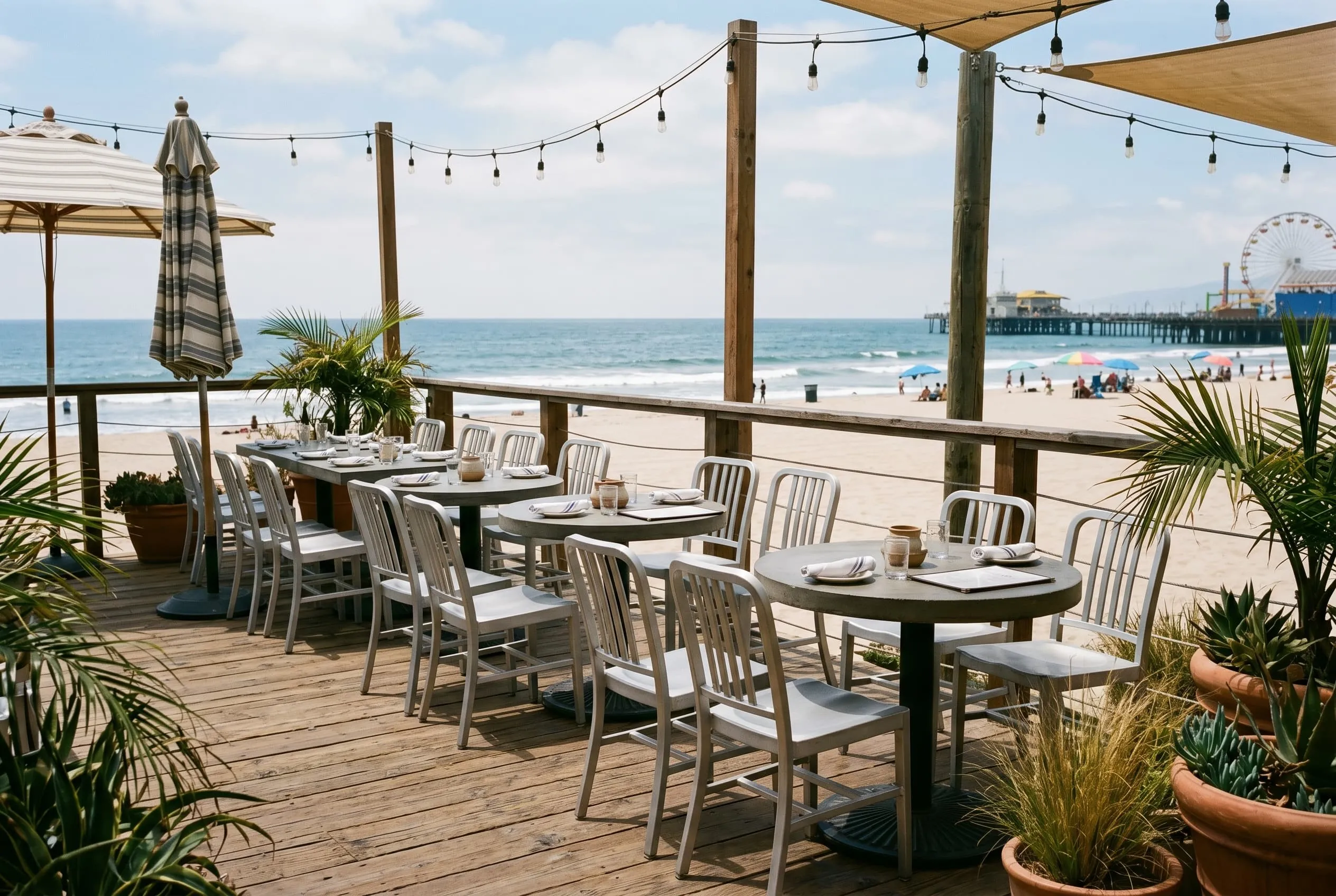
Powder-coated aluminum frames are the industry standard for these applications. Aluminum does not rust, weighs significantly less than steel which matters when your team is moving pieces all night and holds a powder-coat finish well through years of UV exposure. Stack chairs rated for outdoor use are practical for high-volume venues where storage space is at a premium. Barstool bases for exterior use should specify glides rated for tile or concrete to prevent surface scratching and reduce the noise that comes with constant repositioning.
One constraint that catches rooftop operators off guard: structural load limits on elevated decks. Weight budgets per square foot on rooftop builds can constrain your furniture selection in ways that ground-floor projects never face. Confirm your weight allowance with your contractor before finalizing any specification for an elevated venue. It is a detail that surfaces late if you do not surface it early.
Getting the furniture right for a Los Angeles restaurant is both an operational decision and a design decision. The market here rewards durability and visual intention equally. When you source restaurant furniture Los Angeles operators respect, you are investing in the guest experience your clientele will notice and the replacement costs you will avoid over the life of the concept. Work with a supplier who understands both sides of that equation.
Tell us about your Los Angeles restaurant furniture needs and we will turn your quantities, finishes, and timeline into a firm quote. Request a quote whenever you are ready to compare.