Fargo's dining scene has grown up fast over the last decade. Downtown's Broadway corridor and NP Avenue have gone from a handful of holdouts to a genuinely competitive restaurant row, with new concepts opening in renovated warehouse buildings and century-old storefronts alike. North Dakota State University keeps a steady stream of students and Bison football fans moving through the city, the Fargodome and Scheels Arena pull in concert and event crowds that spill into nearby dining rooms, and Sanford Health's campus adds a daytime lunch trade that most mid-sized cities would envy. If you are furnishing a restaurant in Fargo right now, you are working in a market that expects a polished, design-forward room but will not tolerate furniture that cannot survive a Red River Valley winter or a Saturday night crowd walking over from a Bison game.
Why Contract-Grade Furniture Is the Minimum Specification
Contract-grade is not a marketing term. It refers to furniture built to commercial performance standards, ANSI/BIFMA in the US, which means stress-tested frames, commercial-weight glides, foam density at 1.8 lb or above, and upholstery rated for 50,000 double rubs at the low end. For a busy Fargo dining room, 100,000 double rubs is a more realistic floor for any upholstered seat that sees daily service through a full football season and the holiday banquet stretch that follows it.
The gap between contract-grade and retail furniture is not subtle. A residential dining chair might handle 20 to 30 sits per day in a home. A restaurant chair on Broadway pushing three seatings on a Bison home game weekend does multiples of that before last call. The joints fail first, then the glides, then the upholstery surface. You end up replacing furniture on a 12-to-18-month cycle instead of a five-to-seven-year one, and that math does not work out in anyone's favor, especially with shipping lead times what they are this far from a coastal distribution hub.
Fargo has enough hospitality investment happening right now, downtown residential and mixed-use development pulling more restaurants into the Broadway and NP Avenue corridor, hotel renovations near the Fargodome, new fast-casual and full-service concepts filling in West Fargo, that contract furniture suppliers are competing for your business. Use that leverage. Get warranty terms in writing, ask about commercial-use coverage explicitly, and do not accept vague answers about lead times, since a supplier without regional stock can leave you waiting through an entire North Dakota winter for a replacement part.
Materials and Upholstery for Fargo's Climate
Fargo's climate is the single biggest factor most out-of-state furniture reps underestimate. A patio program that looks great in a catalog photo needs to survive a swing from ninety-degree July afternoons on the river to sub-zero January nights, sometimes within the same six-month season the furniture actually sees use.
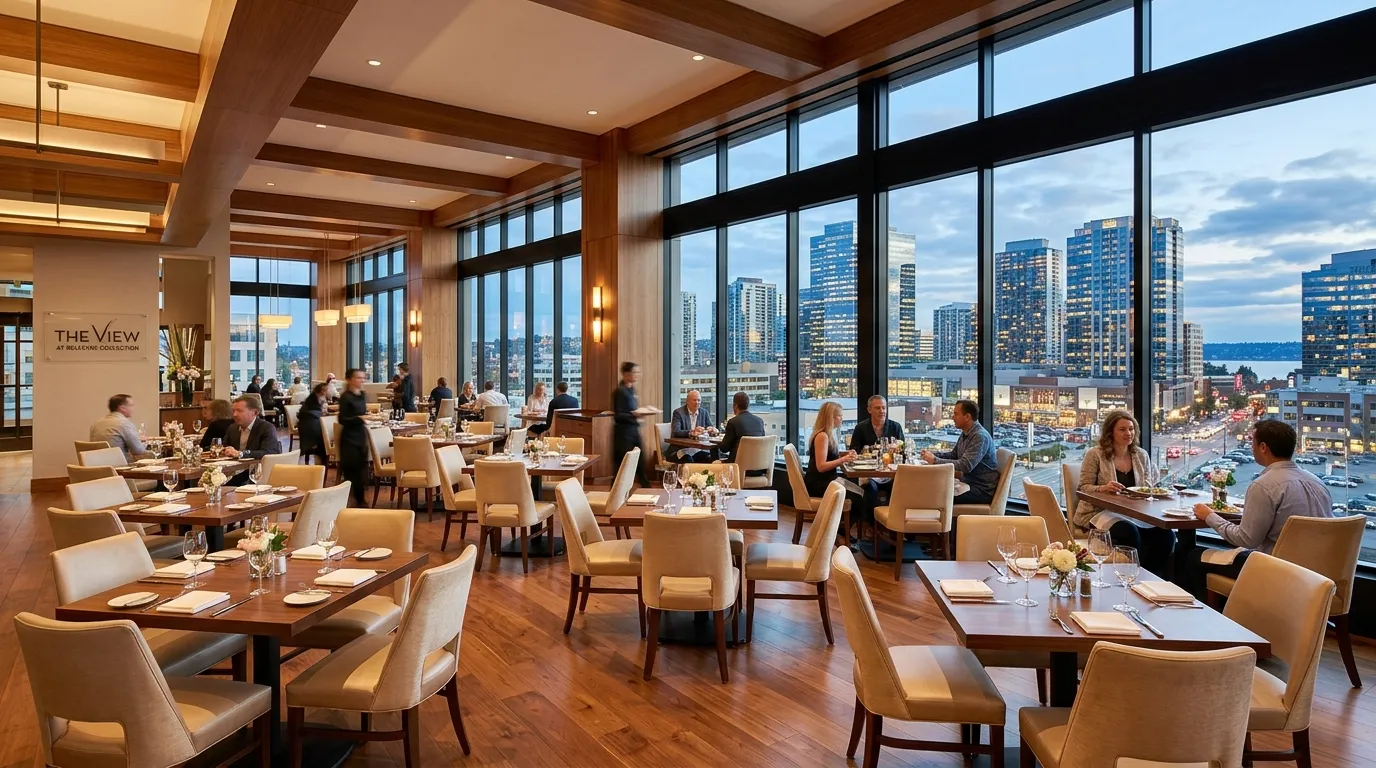
For indoor high-traffic seating, sports bars near the Fargodome and Scheels Arena, NP Avenue late-night spots, campus-adjacent restaurants doing steady turnover near NDSU, performance vinyl and commercial polyurethane upholstery are the practical choice. They clean fast, resist sanitizing protocols, and hold up against the friction of constant use. These materials are rated by double-rub count, and that number is worth asking about directly when you are evaluating any supplier.
For seasonal patio and rooftop seating along the Red River or downtown, solution-dyed acrylic fabric is the industry standard, and it needs to be paired with a furniture program you can store indoors once the weather turns. Powder-coated aluminum and steel frames handle Fargo's humidity swings and road-salt exposure far better than untreated metal, which corrodes fast once winter maintenance crews start salting sidewalks and parking areas. Any patio purchase in this market should be evaluated on how well it survives storage and redeployment every spring, not just how it looks on a July afternoon.
For higher-end concepts opening in the renovated Broadway buildings or in the boutique hotel dining rooms near downtown, performance woven textiles offer more visual complexity than vinyl while still meeting commercial durability standards. The key qualifier in every category is the word "commercial." Residential fabric in a restaurant setting voids most supplier warranties and degrades fast enough that the cost savings evaporate within a year, particularly with the dry winter air common to this region pulling moisture out of foam and finishes faster than in more humid climates.
Tables and Bases: Getting the Specification Right for Fargo Venues
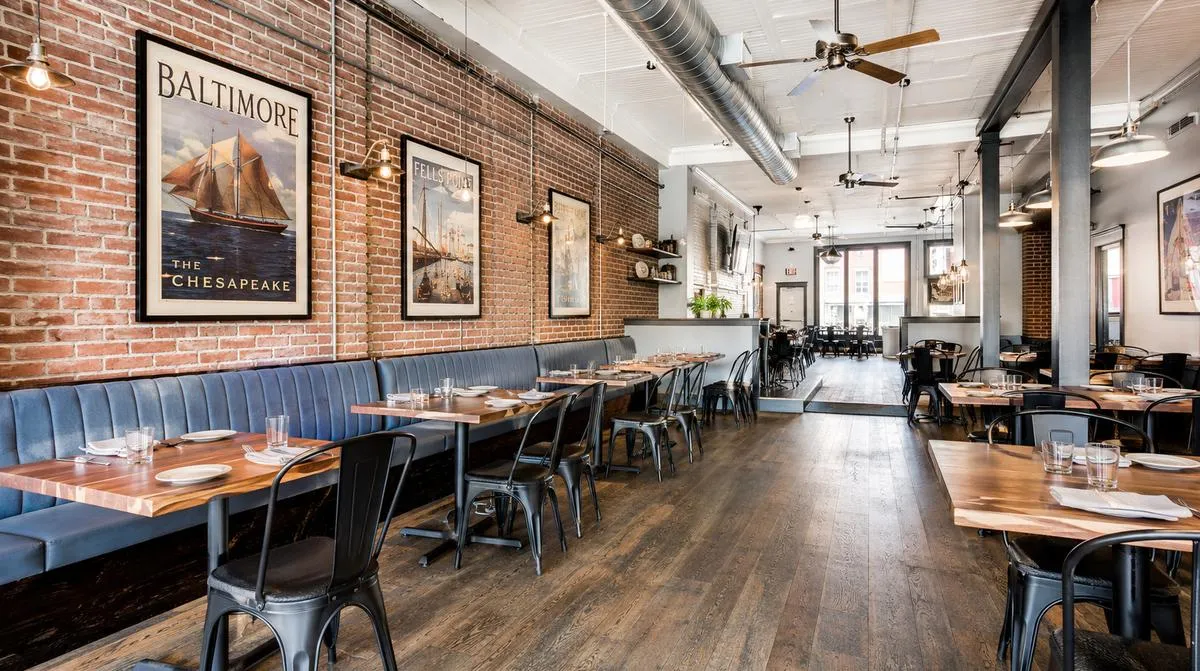
Fargo's dominant restaurant aesthetic runs from reclaimed Midwest industrial, exposed brick, dark wood, steel accents, the look you see through much of the Broadway and NP Avenue renovation wave, to a cleaner, brighter Scandinavian-influenced style that fits the region's heritage and shows up in newer builds around West Fargo and the Sanford Health corridor. Both aesthetics have clear furniture implications, and getting the table specification right matters as much as getting the seating right.
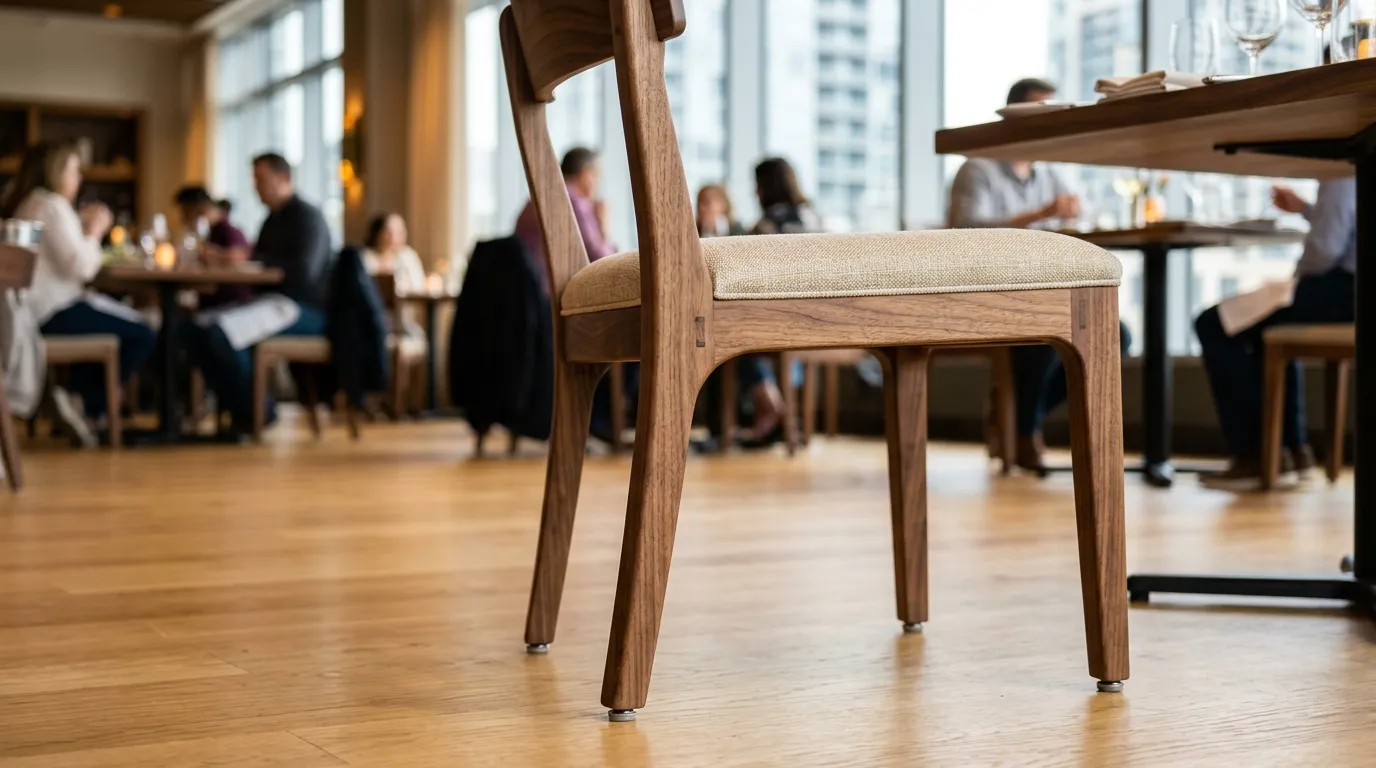
Solid wood tabletops with a commercial lacquer or penetrating resin coat survive the environment and photograph well, but dry winter heating can crack uncoated or lightly oiled wood faster here than in coastal markets. Laminate tops with a realistic wood or stone surface are worth considering seriously for venues running high cover counts. They clean faster, resist the seasonal humidity swing better, and cost significantly less to replace when they wear out. Plenty of Fargo operators use them in their highest-volume sections and the aesthetic holds up fine under normal dining room lighting.
Table bases are where operators consistently underspend, and the effect is immediately visible to your guests and your servers. Cast-iron or heavy-gauge steel bases are the correct specification for any bar-height or standing-height application. Lightweight aluminum bases walk, wobble, and frustrate everyone in the room every night. For any outdoor or covered patio setting, powder-coated steel or aluminum with a UV-stable, corrosion-resistant finish is non-negotiable given how hard this climate is on unprotected metal.
Match your table sizing to your operational reality. Game-day crowds near the Fargodome benefit from flexible seating that reconfigures for groups arriving in waves before kickoff. Downtown dining rooms serving the NDSU and Sanford Health lunch trade need efficient two-top and four-top mixes that turn fast on a weekday. Build your floor plan before you finalize your table order, because changing your mind after 80 units arrive at your loading dock is an expensive problem to solve, and freight delays into the Fargo market can turn a quick fix into a month-long wait.
Finding the Right Supplier Relationship for Fargo
One-off purchases from liquidation sources or retail furniture stores create long-term operational headaches. When a chair cracks or a barstool base fails eight months after opening, you need a supplier who still stocks your SKU, can match your finish, and ships fast enough to keep your dining room looking consistent, a real concern when the nearest distribution point may be hundreds of miles away.
For restaurant furniture sourcing in Fargo, look for suppliers who carry hospitality-specific lines, not residential or office crossover products repackaged with commercial-sounding descriptions. The best supplier relationships for Fargo operators involve reps who understand contract warranty terms, can speak to lead times honestly given the region's logistics, and know how to support phased project openings around a construction calendar that has its own weather-driven quirks. A supplier who can hold inventory for your stage-two delivery or accommodate a schedule change caused by an early blizzard is worth paying a slight premium to work with.
If you can sit in the chair before you order 80 of them, do it. Ask whether the supplier has showroom access serving the Upper Midwest or a regional rep who covers the North Dakota and western Minnesota market. No spec sheet substitutes for testing the seat height, checking the table wobble, and confirming the finish reads the way you expect it to under your actual lighting. Fargo operators who treat the furniture sourcing process with the same rigor they apply to kitchen equipment will be in better shape two years into their lease than those who rushed the decision to meet a soft opening deadline.
Tell us about your Fargo restaurant furniture needs and we will turn your quantities, finishes, and timeline into a firm quote. Request a quote whenever you are ready to compare.