Dover has a restaurant scene that runs on a mix of steady local demand and sharp seasonal spikes. Downtown, near The Green and the historic core of the city, a small but growing set of independent kitchens serves the state government crowd and local families on a predictable weekly rhythm. Along the Route 13 corridor, chain and family-dining restaurants handle the heavier volume that comes with Dover Motor Speedway race weekends and the Firefly Music Festival, when the whole metro fills up for a few days at a time. Dover Air Force Base adds another layer entirely, a large resident community of service members and their families who eat out consistently across the calendar, not just on event weekends. If you are furnishing a restaurant in Dover right now, you are building for a market that needs to handle quiet Tuesday service and a sold-out race weekend with the same furniture.
Why Contract-Grade Furniture Is the Minimum Specification
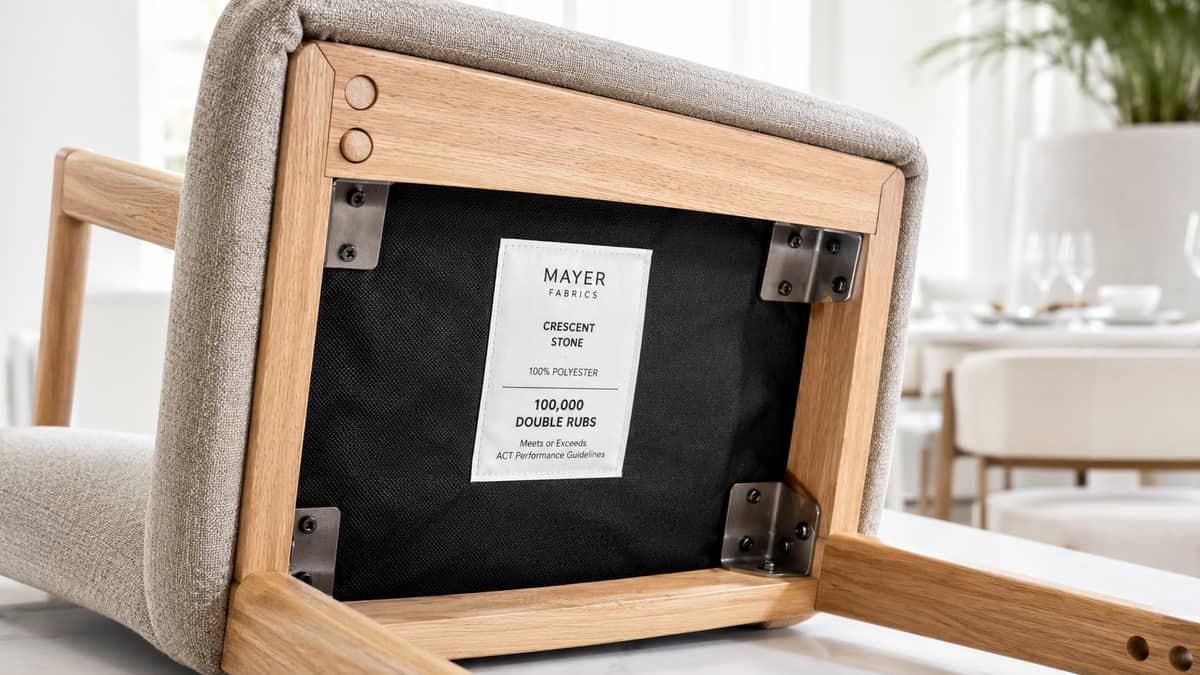
Contract-grade is not a marketing term. It refers to furniture built to commercial performance standards, ANSI/BIFMA in the US, which means stress-tested frames, commercial-weight glides, foam density at 1.8 lb or above, and upholstery rated for 50,000 double rubs at the low end. For a busy Dover dining room during a race weekend, 100,000 double rubs is a more realistic floor for any upholstered seat that sees regular service.
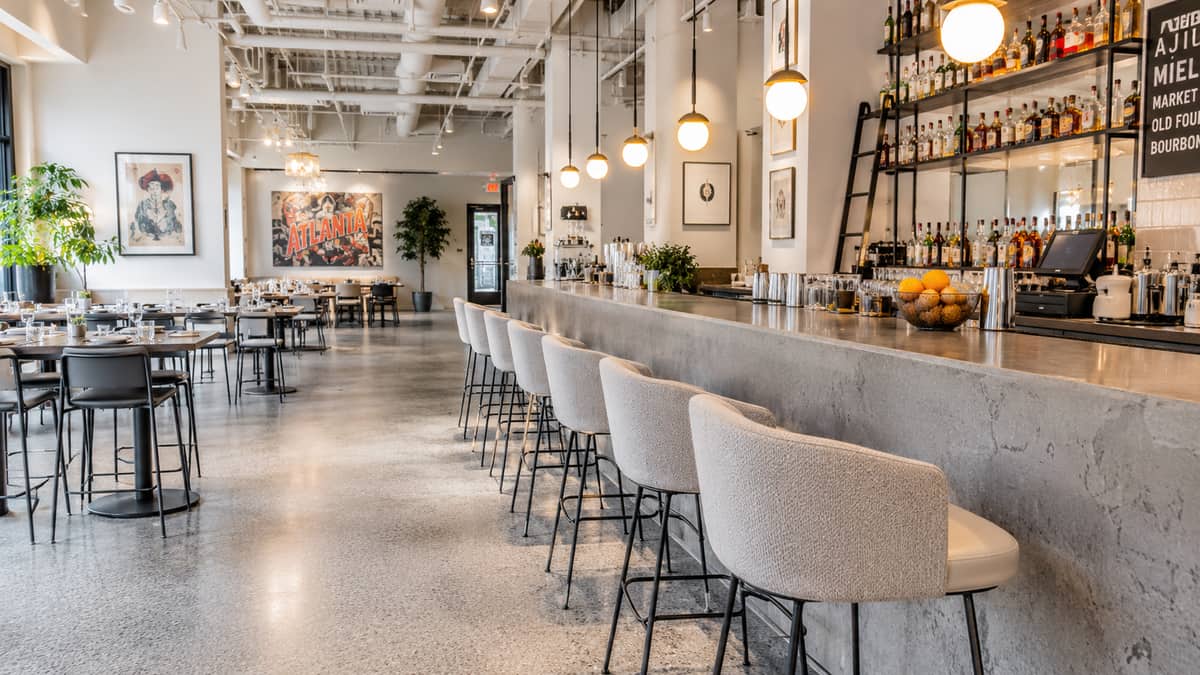
The gap between contract-grade and retail furniture is not subtle. A residential dining chair might handle 20 to 30 sits per day in a home. A restaurant chair near the speedway during a race weekend does multiples of that before the kitchen closes. The joints fail first, then the glides, then the upholstery surface. You end up replacing furniture on a 12-to-18-month cycle instead of a five-to-seven-year one, and that math does not work out in anyone's favor.
Dover has enough hospitality growth right now, new restaurant buildouts along the Route 13 corridor, downtown revitalization near the historic district, and steady demand tied to the base and the state government workforce, that contract furniture suppliers are competing for your business. Use that leverage. Get warranty terms in writing, ask about commercial-use coverage explicitly, and do not accept vague answers about lead times, especially with race-weekend and festival deadlines that will not move for a late shipment.
Matching Furniture to Dover's Different Dining Contexts
A quick-turn family restaurant along the Route 13 corridor needs different furniture than a sit-down concept downtown near Legislative Hall. The corridor restaurants see heavier daily traffic and a guest base moving between the speedway, the highway, and everyday errands, so durability and easy cleaning matter more than design statement. Downtown concepts serving the government and local crowd can lean into a more considered look, but they still need frames and upholstery that hold up to daily lunch and dinner service without a five-year replacement cycle.
Restaurants closer to the base see a guest base that skews younger, values consistency, and returns often, which means furniture needs to look good under repeated use rather than just on opening night. Whatever segment you are furnishing for, the underlying spec requirements, stress-tested frames, commercial glides, rated upholstery, do not change. What changes is the finish and the silhouette you choose within that spec. Request a quote for your Dover restaurant furniture order and we will spec it against your seat count and timeline.